What Is a Midnight Peafowl
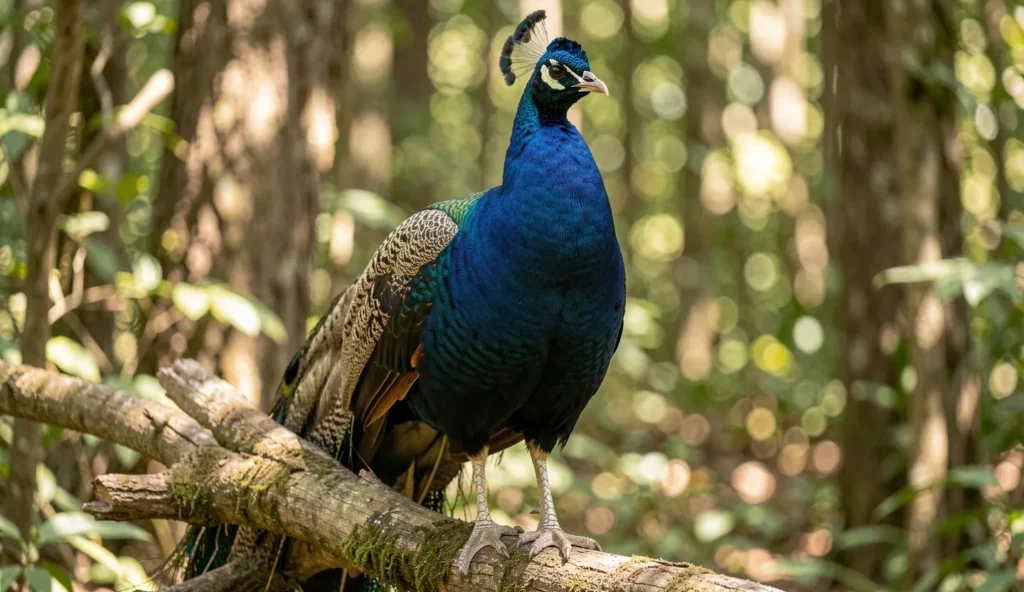
The Midnight Peafowl is a striking color mutation in peafowl that originated among selective captive lines. Midnight Peafowl shows a deep blue black iridescence and is considered a rare peafowl by collectors, much like the Purple Peafowl.
Appearance And Distinctive Features
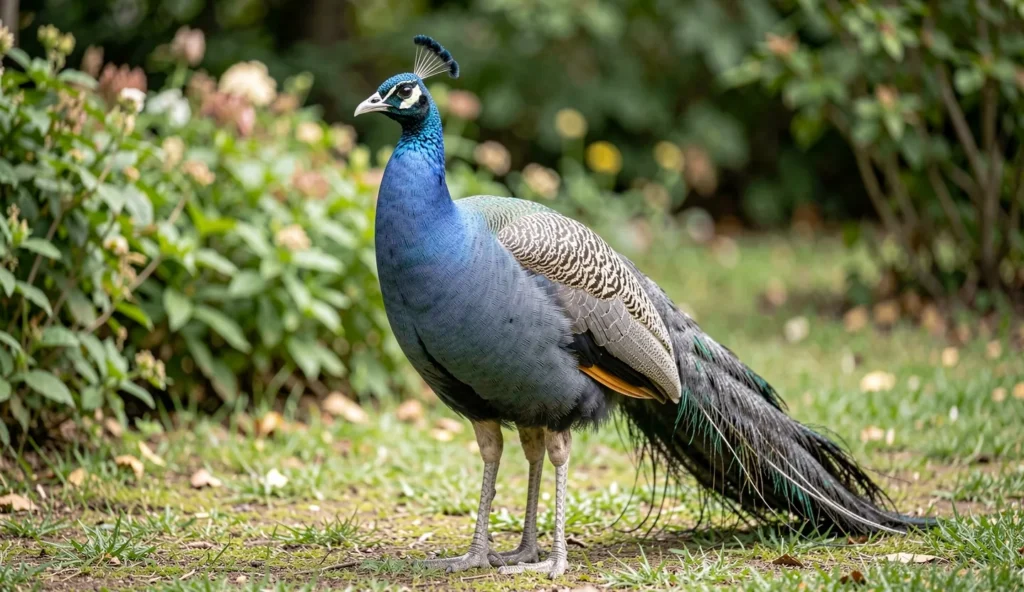
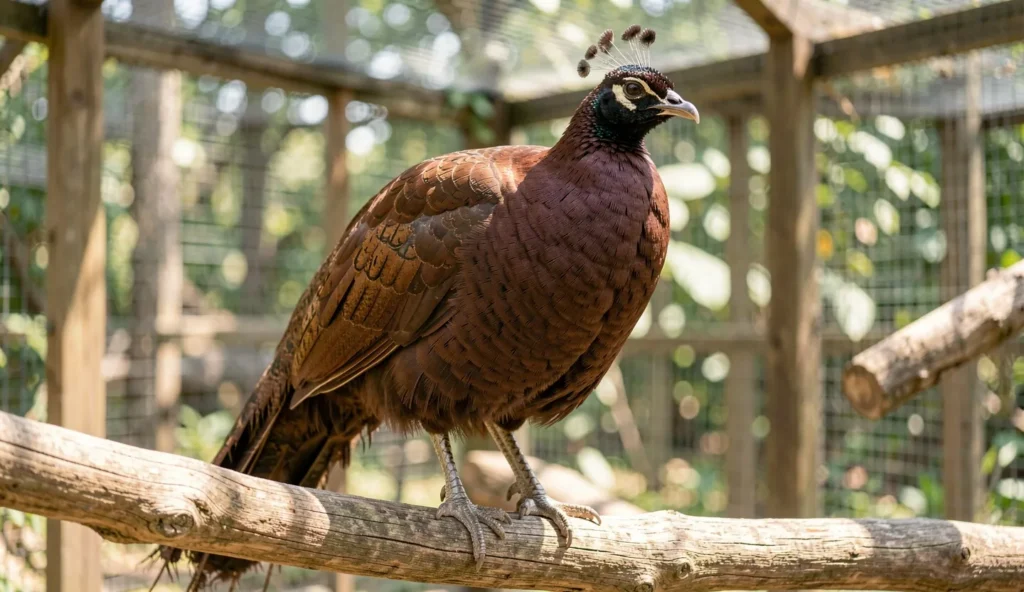
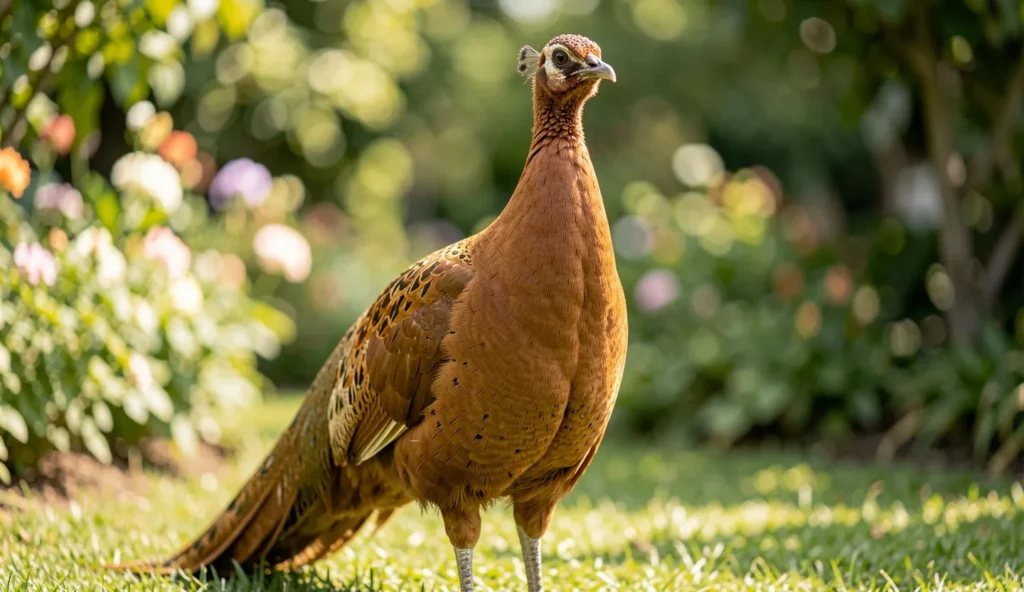
The Midnight Peafowl presents a uniform, almost black blue plumage with a pronounced iridescent flash. In brighter light, the feathers exhibit a vivid sheen that sets it apart from standard blue peafowl. For context, the Black-Shouldered Peafowl offers a contrasting regional pattern and can be a helpful reference for color genetics, especially when viewed in mixed flocks.
- Deep midnight blue plumage with near black iridescence
- Glossy, alert eyes and a sturdy beak
- Long, sweeping tail with metallic sheen in sun
- Overall body contrast highlights plumage uniformity
- Minimal banding to emphasize solid color tones
Temperament And Social Needs
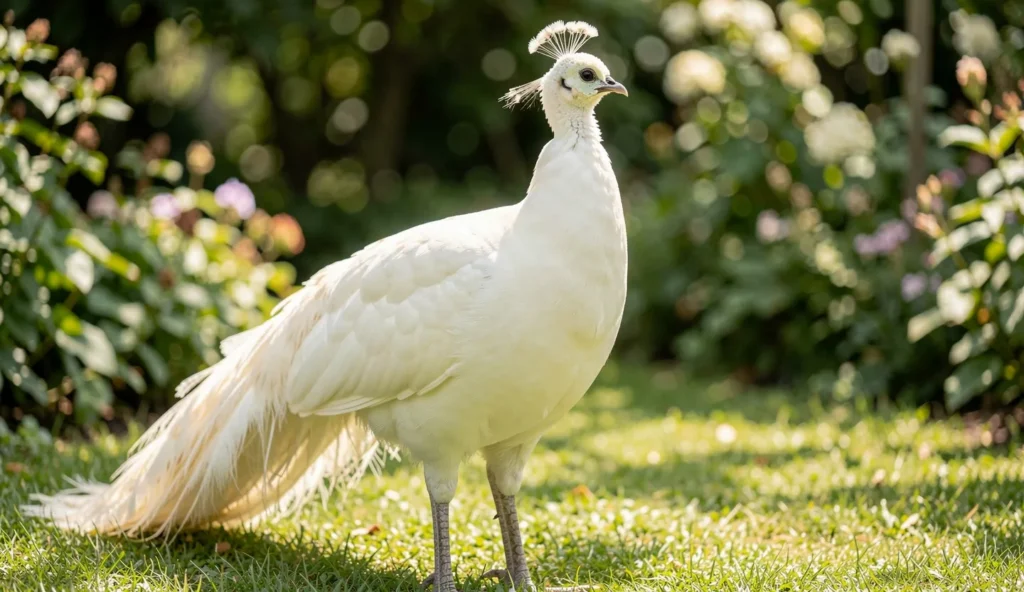
The Midnight Peafowl generally adapts well to established groups when provided ample space and routine. Social dynamics depend on flock size and enclosure design, influencing stress levels and display behavior. Compared with the White Peafowl, social interactions tend to vary with shade and lighting conditions, which can affect visibility during courtship and feeding.
In mixed collections, supervision is advised to prevent pecking and competition for preferred roosting sites, and to maintain calm flock dynamics. For reference, the White Peafowl demonstrates different color-driven behaviors, illustrating how plumage can influence social cues in a diverse aviary.
Care Tips For Midnight Peafowl
Housing And Enclosure
Provide ample space per bird to reduce stress and promote natural display. Secure enclosures protect from predators and adverse weather, while dry perching supports comfort. Include shade and a clean substrate to minimize moisture-related issues.
- Minimum space per bird should support wing expansion
- Predator-proof fencing and secure locks
- Dry perches with varied heights
- Shade structures for heat management
- Well-drained substrate to prevent dampness
Feeding And Nutrition
Offer a balanced omnivore diet with grains, seeds, and greens, supplemented by fresh water at all times. Include grit for digestion and calcium for bone health. Limit high-fat treats to maintain plumage quality and color integrity.
- Balanced pellet or mix diet
- Constant access to fresh water
- Regular grit for digestion
- Calcium sources for adults and breeders
- Moderation of fatty treats
Grooming And Feather Care
Regular preening helps feather alignment and shine, and dust baths support parasite control. Monitor molting to maintain plumage health and color intensity throughout the year.
- Encourage daily preening behavior
- Provide periodic dust baths
- Observe molt cycles for color uniformity
Health Monitoring And Preventive Care
Watch for signs of illness such as lethargy or reduced appetite, and establish routine parasite checks and a clean water supply. Regional vaccination guidelines may vary, so consult a local avian veterinarian for a tailored plan.
- Regular health checks for eyes and breathing
- Consistent water sanitation and freshness
- Seasonal parasite management
- Follow local vaccination guidance
Breeding And Mutation Insights
Inheritance Of Midnight Mutation
The midnight mutation is a color variant with a specific inheritance pattern, often behaving as a recessive trait in many lines. Carrier status can influence offspring outcomes and variation in plumage intensity between siblings.
Breeding Ethics And Plan
Maintain genetic diversity and avoid close inbreeding, keeping detailed records of pairings and outcomes. Responsible programs focus on welfare and long-term sustainability rather than rapid production.
Common Risks With Breeding
Breeding carries potential health risks for offspring and welfare considerations, so evaluate market demand and long-term sustainability before expanding a program. Practical planning supports stable color expression without compromising bird health.
Final Note
Breeders pursuing the Midnight mutation should approach with diligence and care, prioritizing welfare and genetic diversity. For broader context on color variants, consider studying related species such as the Indian Peafowl to understand ancestral traits and lineage dynamics.
Frequently Asked Questions
How Rare Is The Midnight Mutation In Peafowl?
The Midnight mutation is a rare color variant among peafowl enthusiasts and breeders.
Can Midnight Peafowls Be Kept With Standard Blue Peafowls?
Mixed-flock housing requires careful supervision and adequate space to prevent stress and pecking.
What Are The Key Signs Of Good Health In A Midnight Peafowl?
Bright eyes, active behavior, clear breathing, and steady weight indicate good health.
How Should Breeding Programs Be Planned For Midnight Mutations?
Plan for genetic diversity, document outcomes, and avoid aggressive inbreeding.
What Climate Is Best For Maintaining Plumage In Midnight Peafowls?
Moderate climates with balanced sun exposure and protection from extremes support plumage health.