What Is a Striped Owl
Striped Owl is a medium-sized tropical owl native to grasslands of the Neotropics. Its striped chest and wing patterns help camouflage among grasses, a trait that aids hunting and protection. This guide outlines appearance, behavior, diet, range, and conservation to support grassland management and field observations.
Striped Owl Overview
Striped Owl Overview
The Striped Owl is a grassland specialist with bold striping that breaks up its silhouette among tall grasses. It tends to be most active at dawn and dusk, taking advantage of lower light for stealthy hunting.
Appearance And Physical Features
Plumage And Size
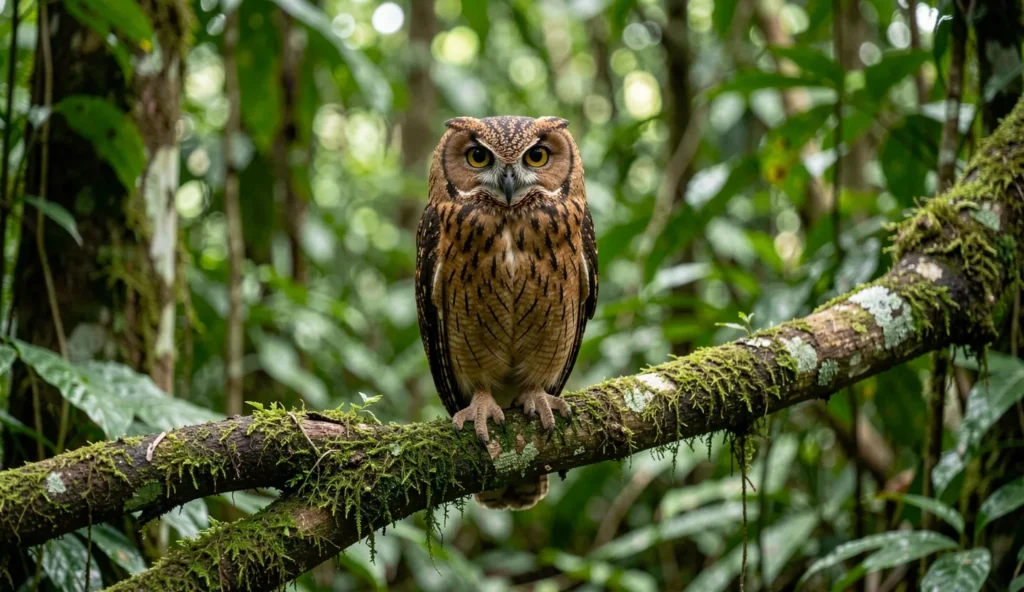
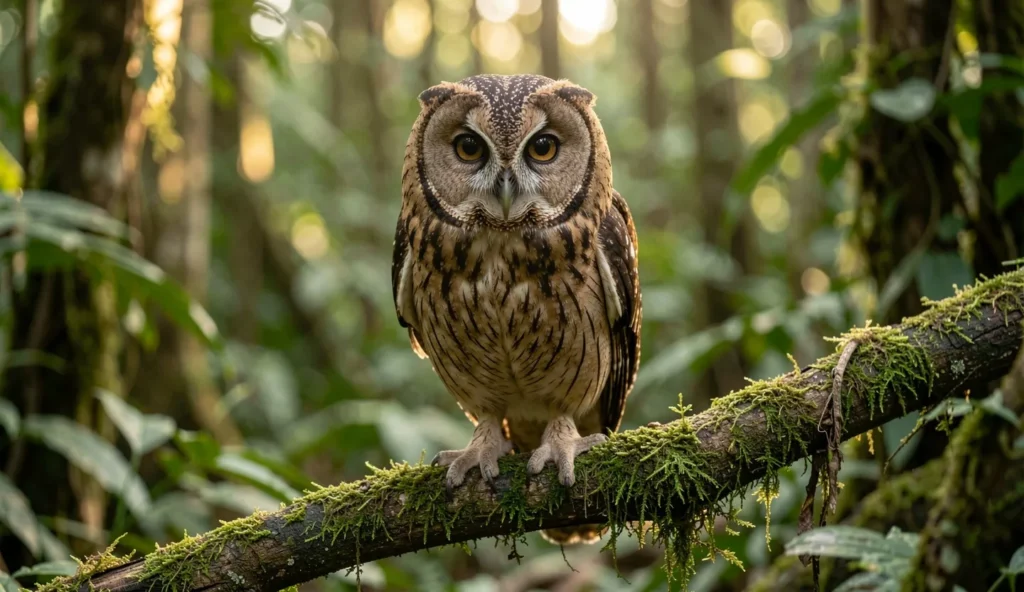
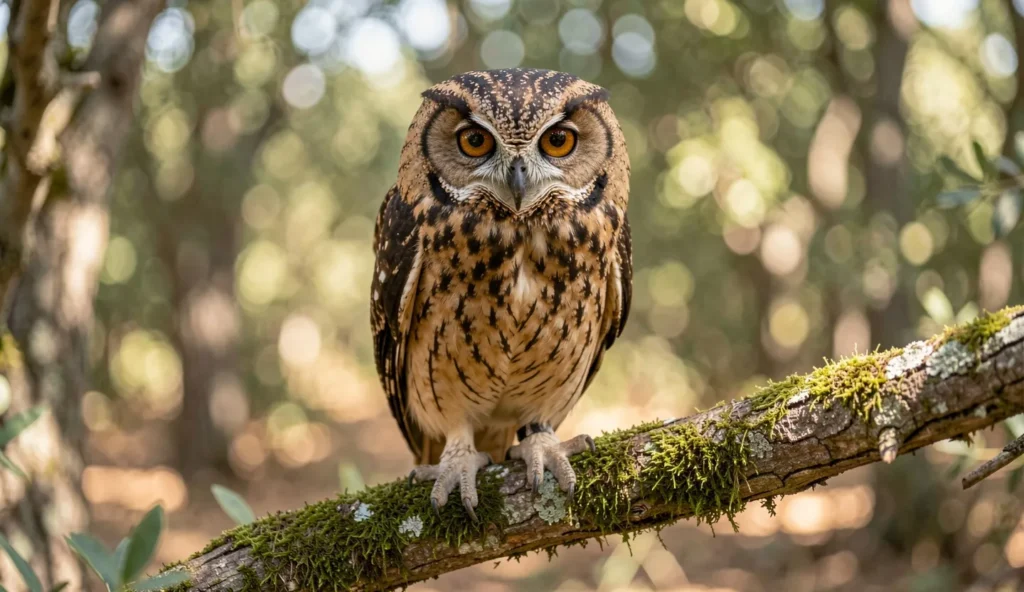
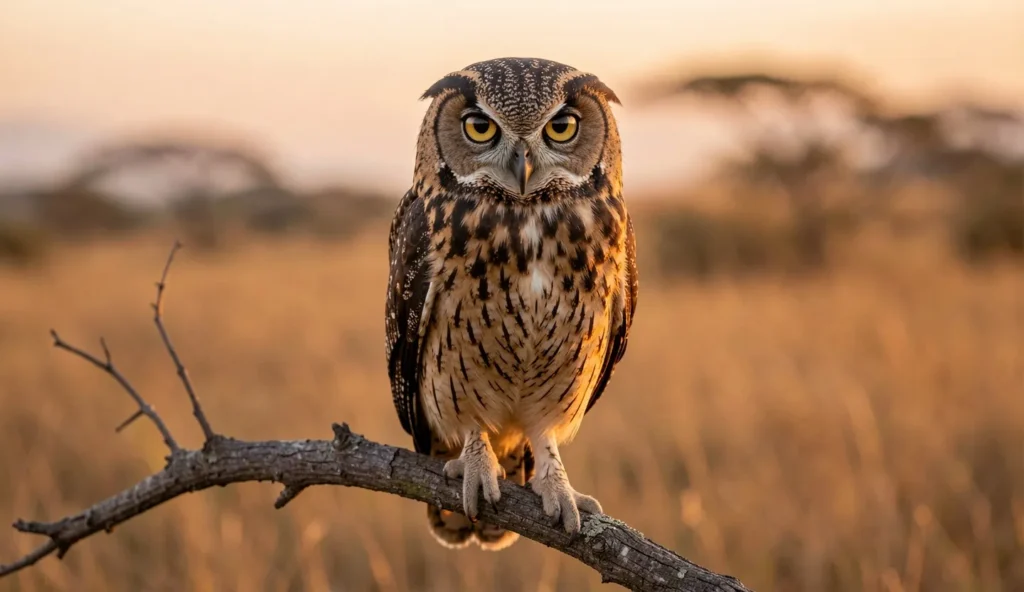
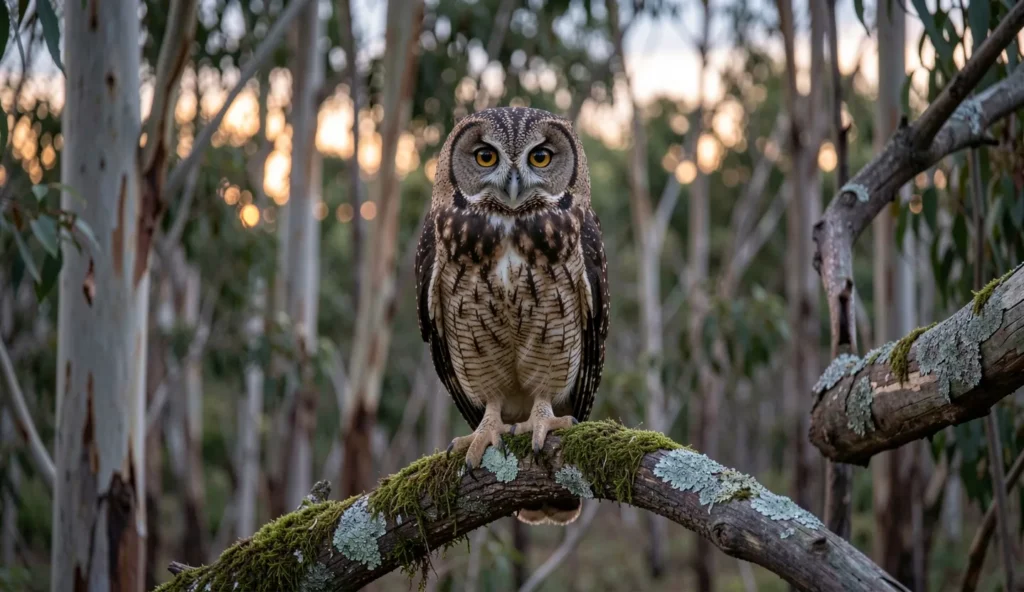
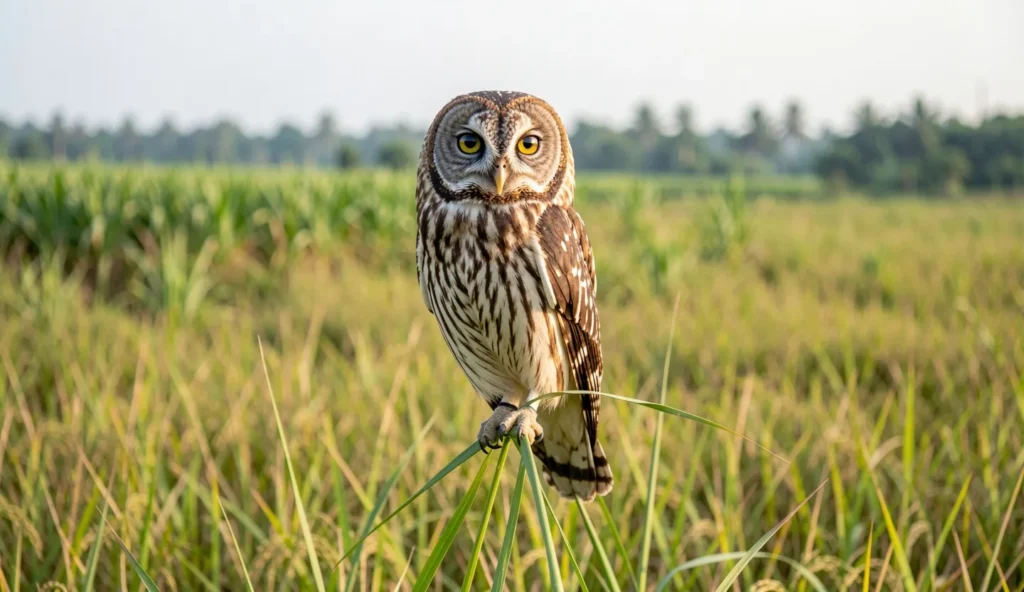
The Striped Owl displays striped underparts with bold lateral bars that extend to the wings. Its wingspan sits in the small to mid-size range for tropical owls, enabling agile flight through dense grasses. The patterning provides camouflage when perched in reed beds or sugarcane margins.
Eye Color And Facial Disk
Yellow to amber eyes give a keen look, and the round facial disk helps funnel sound to the ears, improving detection of prey in tall grasses.
Behavior And Ecology
Nocturnal Patterns
Striped Owls are primarily nocturnal or crepuscular, avoiding the heat of the day. They rely on stealth and surprise to locate prey, a strategy common among open-field hunters such as the Short-eared Owl.
Roosting And Perching
Perches in tall grasses or sugarcane edges, selecting concealed roost sites during the day. These areas provide protection from predators while awaiting favorable hunting conditions.
Diet And Foraging
What They Eat
Insects dominate the striped owl diet in grassland zones, providing quick energy for nightly forays. Small mammals and occasional reptiles supplement meals, especially near field margins, reflecting striped owl facts about prey diversity.
- Insects dominate the diet, including crickets, beetles, and grasshoppers
- Small mammals such as voles and mice
- Occasional reptiles when available
Hunting Techniques
The Striped Owl primarily uses a perch-and-pounce strategy, scanning grasslands from a tall stalk. It also employs low-flying ambush tactics through open fields, similar to the approach used by the Long-eared Owl.
Habitat And Range In The Tropics
Geographic Range
Striped Owls occur in Neotropical regions including coastal grasslands, with sugarcane field margins providing essential cover. The striped owl range extends across parts of Central and South America, making local knowledge crucial for surveys and conservation planning.
Preferred Habitat
Open grasslands and savannas are favored, with field edges and nearby wetlands offering hunting perches and roosting sites. This habitat supports abundant insects and small mammals that form the striped owl diet, reinforcing the link between habitat type and prey availability.
Conservation Considerations
Habitat loss from agricultural expansion and pesticide exposure can reduce prey availability, affecting striped owl range stability. Conservation actions should include protecting unbroken grassland margins and reducing pesticide use near sugarcane fields, as supported by striped owl facts for local stakeholders.
Is Striped Owl Right For You
Who Should Watch For This Species
Neotropical birders and grassland conservationists are most likely to encounter the Striped Owl, particularly in field margins adjacent to wetlands. Researchers studying insect-driven food webs will also find value in monitoring this species, especially in agricultural interfaces where habitat loss occurs.
Tips For Observing Responsibly
- Maintain distance from nests
- Minimize disturbance in sugarcane fields
- Observe at dawn and dusk when activity peaks
Final Note
The Striped Owl remains a key indicator of healthy Neotropical grasslands, where insects and small mammals sustain its niche. With careful monitoring and habitat protection, researchers and enthusiasts can support this species and its ecosystem.
Frequently Asked Questions
What does a striped owl look like?
Striped Owl has a medium size with a rounded head and a bold striped chest and wings.
Where do striped owls live and what is their range?
They inhabit Neotropical grasslands across parts of Central and South America, often near sugarcane fields and open grassy habitats.
What does the striped owl eat in the grasslands?
Insects form the main diet, with small mammals and occasional reptiles supplementing prey availability.
Are striped owls threatened or endangered?
Conservation status varies by region and habitat loss, but habitat protection remains important for stability.