What Is An Empress Brilliant Hummingbird
The Empress Brilliant hummingbird is a striking, extremely localized species of the Andes. The Empress Brilliant is scientifically named Heliodoxa imperatrix and belongs to the Trochilidae family, a group noted for vivid metallic plumage, much like the Violet-crowned Hummingbird.
Additionally, this species is known for its compact size and iridescent colors that catch the light in unique ways. The Empress Brilliant stands out for its rarity and the specific highland habitats it requires, which makes field observations a privilege for serious birders.
Scientific Name And Classification
The scientific name is Heliodoxa imperatrix, a hummingbird in the Trochilidae family, similar to the Violet-crowned Hummingbird. The genus Heliodoxa is recognized for bright metallic plumage and agile flight.
- Belongs to a genus known for vivid metallic plumage
- Small to medium hummingbird with distinctive iridescent colors
What Sets It Apart From Other Hummingbirds
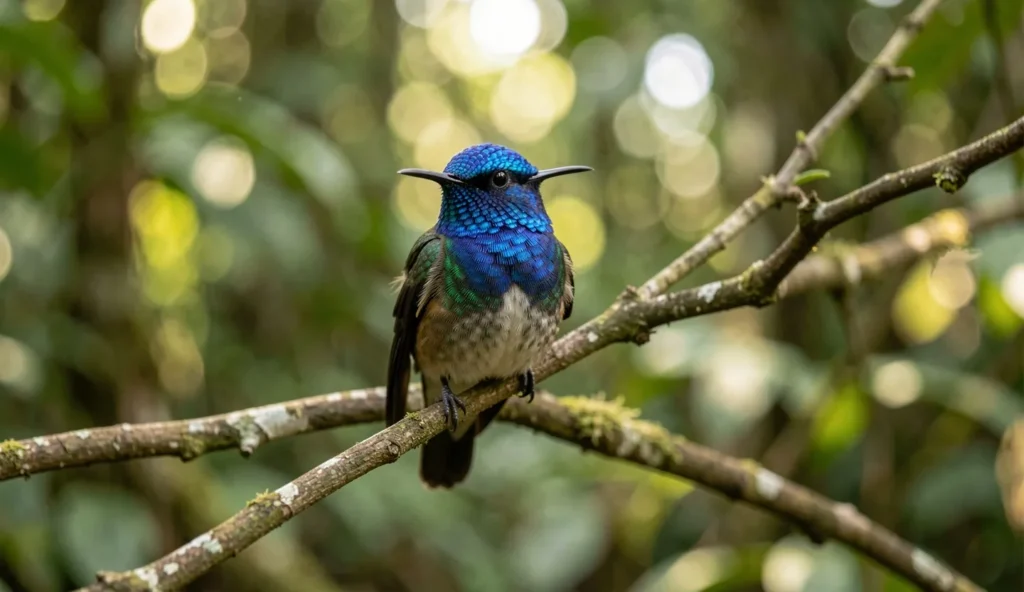
The Empress Brilliant features a striking purple throat in males that shines with light, setting it apart from many relatives. This bold coloration, combined with a green back and iridescent crown, helps observers locate the bird in dense alpine foliage.
- Male displays a striking purple throat that shines in light
- Overall plumage includes a green back and iridescent crown
- Extremely localized range contributes to its rarity
Where It Is Found
The Empress Brilliant is endemic to the Andes in parts of Ecuador and Colombia. Its montane cloud forest habitats are both humid and nectar rich, contributing to a fragile, fragmented population.
- Endemic to the Andes in Ecuador and Colombia
- Habitats are typically montane cloud forests
- Populations are tiny and fragmented in suitable habitats
Appearance And Distinctive Features
The Empress Brilliant displays a vivid color palette that helps it stand out during brief honeybee-like forays from flower to flower. This species adapts well to high elevations, though visibility depends on light and observer position. The Empress Brilliant is best observed with careful fieldcraft and a patient approach.
Colors And Plumage
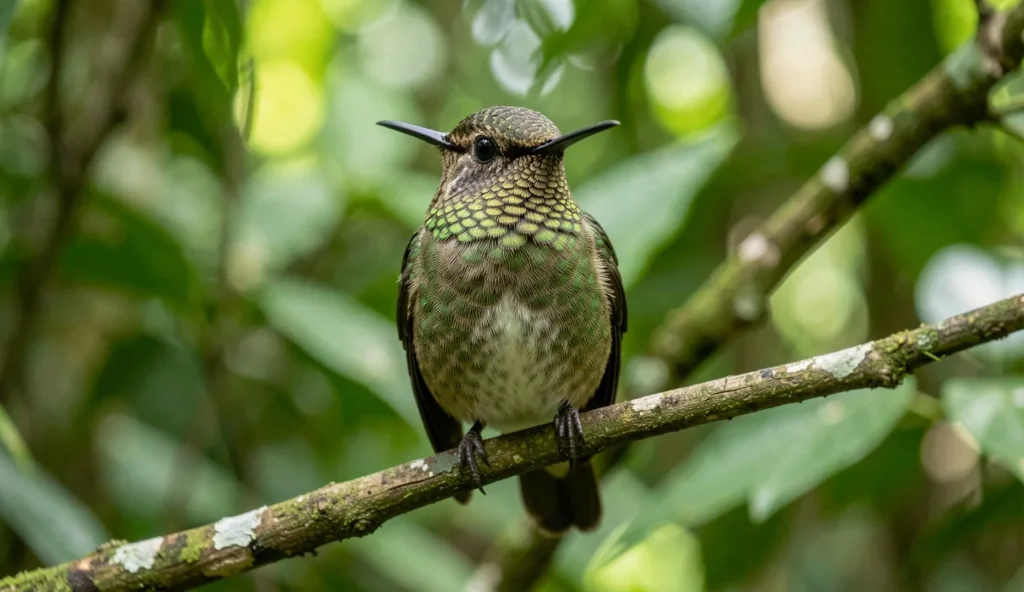
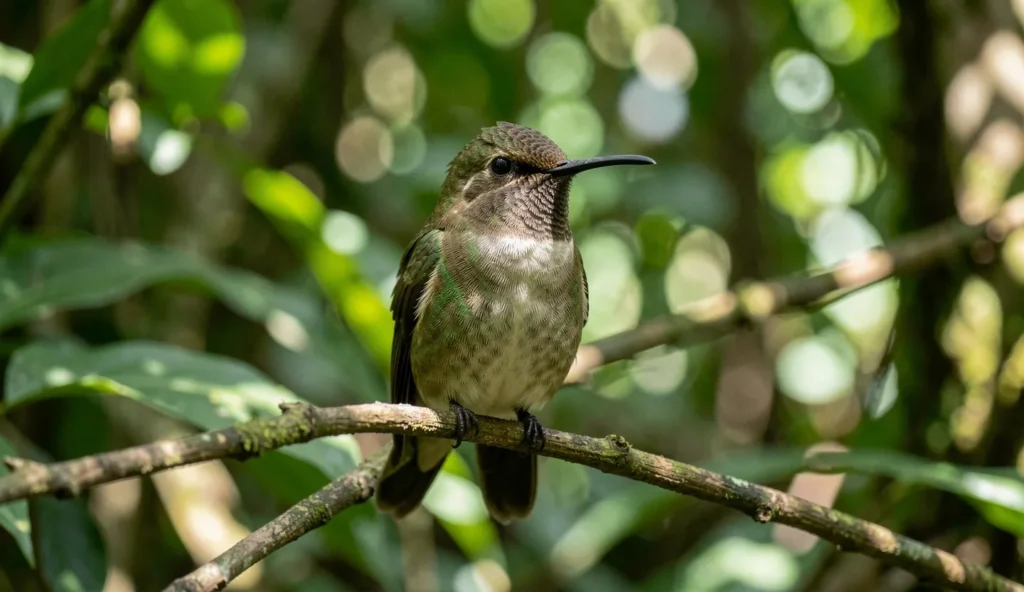
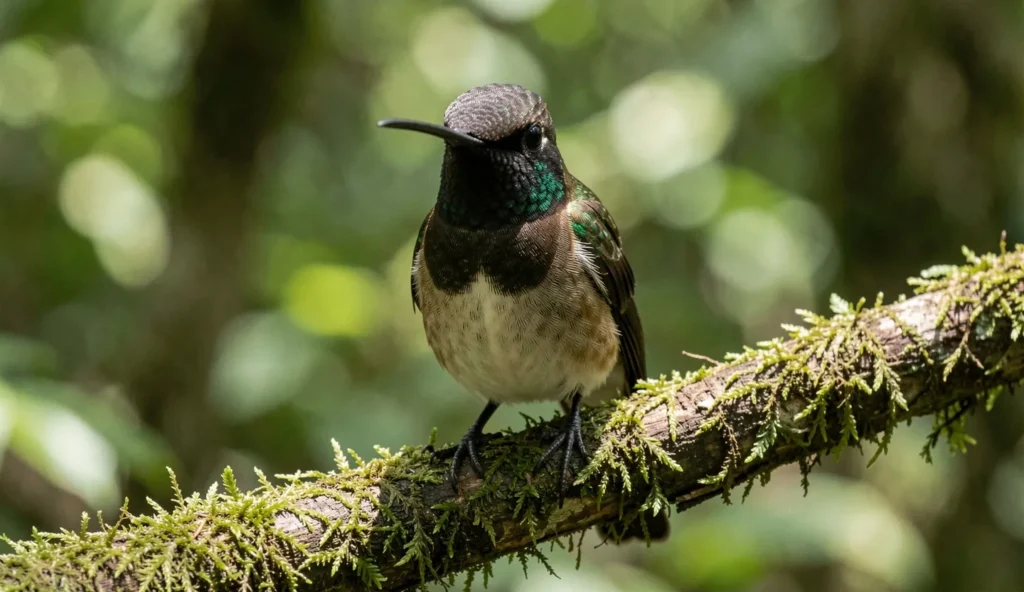
Male plumage features a purple throat that shifts with light, while the back shines greenish and the head catches a metallic gleam. In contrast, the female typically lacks the bold purple throat and shows white spots that aid in quick identification. Observers often compare the green upperparts to related species such as the Anna’s Hummingbird for context, though the Etching of color remains unique to this species.
- Male has a purple throat that changes with light
- Greenish back and metallic sheen on head and wings
- Female typically lacks the purple throat and shows white spots
Size And Body Shape
The Empress Brilliant is a small hummingbird with a slender bill and a compact body, optimized for rapid flight and hovering. Its proportions resemble other high elevation nectar specialists, which aids in maneuverability near crowded flowering trees. This size and shape support brief sips rather than long foraging bouts.
- Small hummingbird with a slender bill
- Compact body adapted for rapid flight and hovering
- Overall dimensions typical of high-elevation nectar specialists
Female vs Male Differences
In this species sexual dimorphism is pronounced, with females lacking bold purple throats and often displaying white spots. Both genders share iridescent green upperparts, which can help during mixed-species watches. The differences influence how observers identify individuals in dense montane canopy.
- Females have white spots and lack bold purple throat
- Sexual dimorphism influences plumage visibility during observation
- Both genders share iridescent green upperparts
Habitat Range And Behavior
Geographic range for the Empress Brilliant remains highly restricted to specific high elevation zones in Ecuador and Colombia. In these montane forests, individuals are often observed in small groups or as solitary foragers, with movements tied to nectar blooms. Behaviorally, the species can be light on the wing, yet fiercely territorial around productive flowering trees.
Geographic Range
Restricted to specific high-elevation zones in Ecuador and Colombia, the Empress Brilliant occupies a narrow band along the Andes. Population clustering occurs in isolated montane forests, and range fragmentation increases observation challenges. This rarity makes every encounter notable, especially for extreme birders seeking new records.
- Restricted to high-elevation zones in Ecuador and Colombia
- Concentrated populations in isolated montane forests
- Range fragmentation increases observation challenges
Preferred Habitat
Cloud forests and humid montane forests at mid to high elevations provide the best nectar resources for the Empress Brilliant. These habitats are florally rich but sensitive to disturbance, underscoring the need for careful conservation. Observers benefit from naturalist guides who know local floral cycles.
- Cloud forests and humid montane forests at mid to high elevations
- Floral-rich areas with abundant nectar sources
- Habitat sensitivity makes habitat protection critical
Flight And Feeding Habits
In flight, the Empress Brilliant hovers with quick wingbeats and can execute rapid bursts to defend favored nectar sources. It forages among flowers and foliage with deft aerial maneuvers, sometimes preferring private feeding trees. These flight traits sustain high energy needs in cooler, high-altitude air.
- Aerial hover typical during nectar feeding
- Fast wingbeats enable quick bursts and rapid pursuit of prey
- Defensive behavior around favored flowering trees
Diet And Feeding Habits
Diet revolves around high-energy nectar and a modest intake of arthropods for protein. The Empress Brilliant relies on specific nectar sources, and feeding visits are often short but repeated through the day. Seasonal changes in flowering influence daily movement patterns.
Nectar Sources
Nectar sources are plant specific, and availability drives daily routes for the Empress Brilliant. Flowering phenology directly affects sighting windows, making timing critical for observers. This species often shares nectar corridors with other high elevation hummingbirds.
- Nectar sources vary with plant species
- Nectar availability influences daily movement patterns
- Flowering phenology affects seasonality of sightings
Insect Protein
Insects supplement energy and amino acids, especially during molt and territory defense. The Empress Brilliant forages among foliage and air, catching small arthropods in flight when opportunities arise. This protein helps sustain energy during long observation sessions.
- Insects supplement energy and amino acids
- Forages among foliage and air for small arthropods
- Protein intake supports molt and territory defense
Feeding Strategies In The Wild
Typically, nectar is sipped in short visits to flowers, allowing rapid relocation to new feeding sites. The Empress Brilliant may defend productive patches from rivals when nectar payoff is high. Altitudinal movements often align with nectar blooms, resembling migration-like patterns.
- Typically sips nectar in short visits to flowers
- May defend productive feeding sites against rivals
- Migration-like altitudinal movements align with nectar blooms
Is The Empress Brilliant Hummingbird Right For You
Extreme birders and responsible travelers should weigh the species fragility before planning visits. Observing the Empress Brilliant demands patience, field skills, and readiness for high-elevation conditions. This bird remains a rare prize for dedicated observers who respect local habitats.
Are You An Experienced Birder
Experienced birders with patience and practical field skills are best suited for this species. Knowledge of high-elevation terrain and weather helps, and observing from hides or with long-range scopes is common practice. The Empress Brilliant rewards careful preparation and disciplined observation.
- Best suited for experienced birders with patience and field skills
- Requires knowledge of high-elevation terrain and weather
- Observing from hides or long-range scopes is common
Travel Requirements And Conservation
Sightings occur in protected Andean regions of Ecuador and Colombia, where guided visits support habitat preservation. Responsible travel helps local guides and communities, while permits and regulations protect core habitats. The Empress Brilliant benefits from low-impact tourism and careful planning.
- Sightings occur in protected Andean regions of Ecuador and Colombia
- Responsible travel supports habitat preservation and local guides
- Respect permits and local regulations when visiting habitats
Keeping In Mind The Species Fragility
The Empress Brilliant is very rare and highly sensitive to habitat disturbance. Observers should avoid nests and roosting sites, and minimize noise and disruption in core areas. Protecting its cloud forest homes supports ongoing sightings for future generations.
- Very rare and sensitive to habitat disturbance
- Avoid nests and roosting sites during observation
- Minimize noise and human impact in core habitats
Final Note
Interest in the Empress Brilliant should be paired with respect for its fragile range and habitats. Continued conservation and mindful travel ensure this rare gem remains part of the Andean landscape for years to come, and the emphasis remains on responsible observation of the Empress Brilliant.
FAQs: Empress Brilliant
What is the scientific name of the Empress Brilliant hummingbird?
The scientific name is Heliodoxa imperatrix.
Where is the Empress Brilliant typically found in the wild?
It is native to the Andes in Ecuador and Colombia with a very limited range.
How do you tell the female from the male Empress Brilliant?
Males have a purple throat; females lack the throat coloration and may show white spots.
Why is the Empress Brilliant considered rare among hummingbirds?
Its restricted geographic range and specialized habitat make it exceptionally uncommon.
What should observers do to watch the Empress Brilliant responsibly?
Observe from a distance, stay on marked trails, avoid nests, and support conservation efforts.
Can the Empress Brilliant be kept in captivity?
It is a wild, highly protected species and should not be kept in captivity; observation should prioritize habitat conservation.