🐑 Merino Sheep – The World’s Finest Wool Producer
🌍 Introduction to Merino Sheep
For over two centuries, the Merino sheep has been the gold standard for premium wool production, with its fleece gracing everything from high-end fashion runways to performance outdoor gear. Originally developed in Spain under strict royal protection, this breed has since spread to every continent, becoming a favorite in both fashion and farming circles. Their gentle nature and ultra-fine fleece make them ideal for everyone from hobby farmers to large-scale producers seeking a reliable, high-value fiber animal.
📜 History and Global Journey
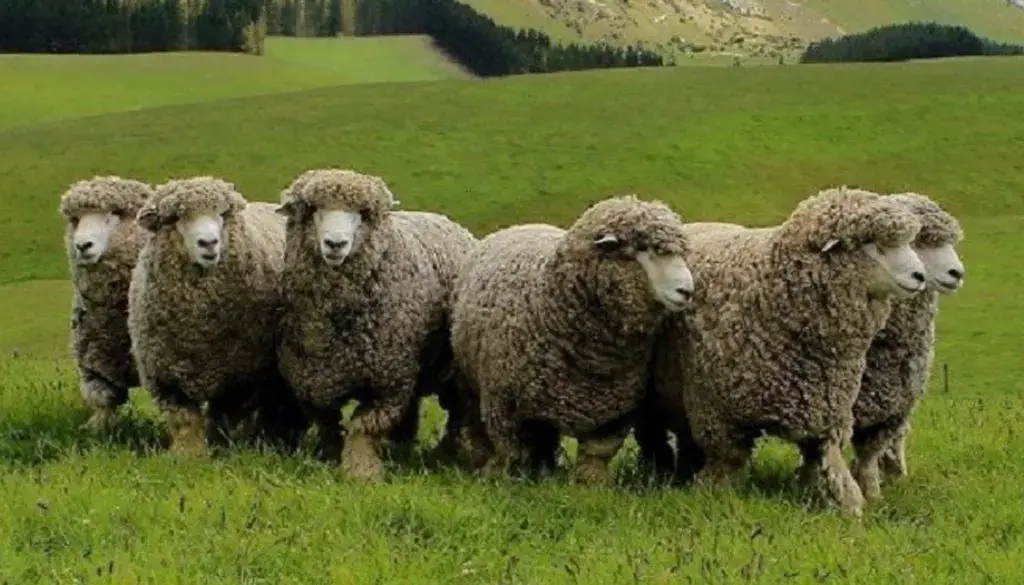
Once treasured by Spanish royalty, this wool-producing breed was so valuable that its export was strictly controlled, with penalties for smuggling reaching as high as death. Over time, countries like Australia and New Zealand became major hubs for Merino farming, with Australia now producing over 80% of the world’s Merino wool. Today, its wool is a symbol of comfort and quality, used in designer clothing and performance wear alike. For those interested in other fiber-producing breeds, the Corriedale sheep offers an excellent dual-purpose alternative for wool and meat production.
🧬 Physical Traits
Merinos are medium-sized animals with distinctive features:
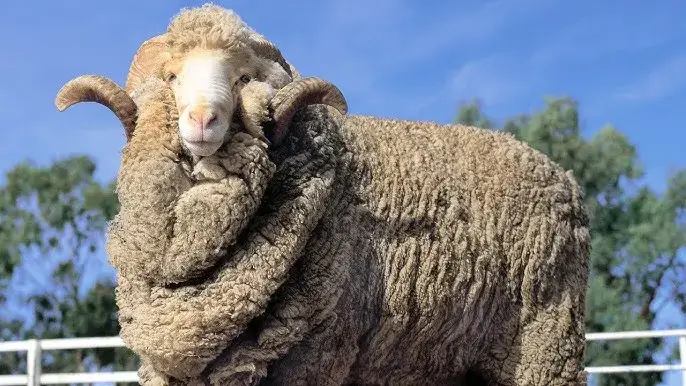
- 🎨 Fleece: Creamy-white, soft, and ultra-fine in texture, with fibers often measuring less than 20 microns in diameter
- 📏 Build: Rams weigh between 80–105 kg (176–231 lbs)
- 👂 Ears: Moderately pointed, adding to their unique look
- 🦶 Legs: Sturdy yet slim, great for moving across rough terrain
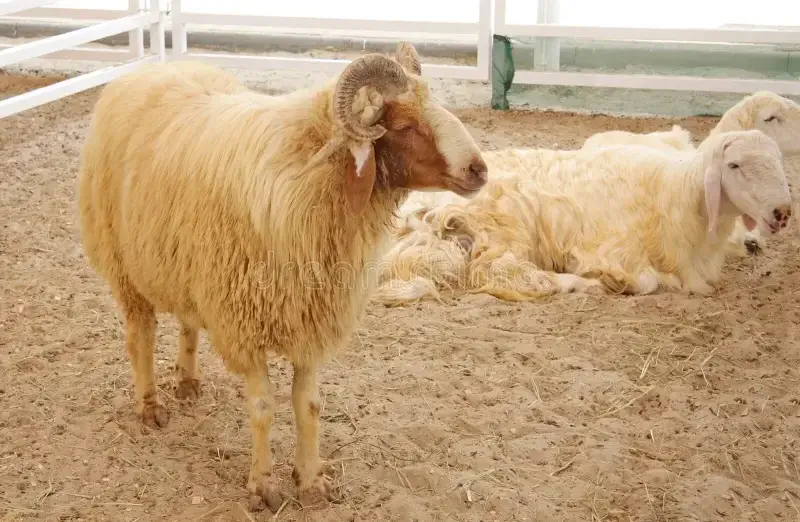
- 🐏 Horns: Some rams display spiral horns, while others are naturally polled (hornless)
🌟 Temperament and Social Behavior
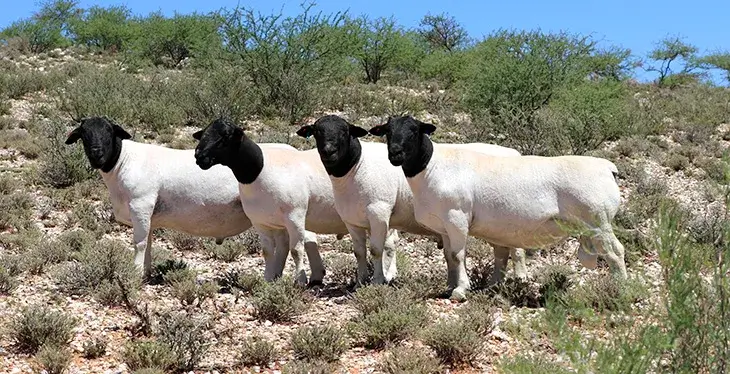
These animals are known for being calm, cooperative, and sociable. They prefer staying in groups and rarely act out, which makes handling much easier, even for beginners. Their resilience also allows them to adapt to various climates, from warm, dry areas to cooler highlands. This docile nature makes them a great starting point for new shepherds, much like the Dorper sheep, which is also known for its easygoing temperament and adaptability.
🌄 Ideal Habitat
Merinos flourish in:
- ☀️ Balanced climates — not too extreme, though they tolerate dry conditions well
- 🏞️ Open grasslands for natural grazing
- 🏠 Access to shelter during harsh weather conditions
🥗 Feeding and Nutrition
To maintain their health and superior fleece, they require:
- 🌿 Diverse pastures filled with grasses and legumes
- 🌾 Supplemental grains during colder months
- 💧 Constant access to clean drinking water
- 🧂 Mineral and salt blocks for complete nutrition
🩺 Health and Longevity
With attentive care, these sheep can live up to 10–12 years. Health management includes:
- 💉 Routine vaccinations and parasite control
- 🧼 Yearly shearing to prevent overheating and flystrike
- 🔍 Monitoring for common issues like foot rot
A practical tip from experienced breeders: regular hoof trimming every 6–8 weeks can prevent many mobility issues, especially in wetter climates where foot rot is more common.
🎯 Core Benefits
Merinos are highly valued for:
- 🧶 Wool: Lightweight, insulating, and breathable – a top choice for premium clothing
- 🥩 Meat: Though not their primary role, their lamb is tender and flavorful
- 🌱 Land Management: Natural grazers that help maintain healthy pastures
👑 Economic and Cultural Impact
This breed powers major wool industries, especially in Australia, where it fuels entire rural economies. Beyond economics, Merino farming sustains age-old agricultural traditions and encourages sustainable practices in modern textile production. For those seeking a breed focused primarily on meat production, the Suffolk sheep is a muscular and efficient alternative worth exploring.
📈 Reproduction and Breeding
These sheep reproduce efficiently:
- 👩👧 Most ewes give birth to one or two lambs annually
- 🍼 Lambs are typically weaned by 12 weeks
- 👶 Mothers are attentive and protective of their young
🎉 Fun and Fascinating Facts
- 🧥 Merino wool regulates body temperature and wicks away moisture
- 🌿 They can survive on low-nutrient forage and still grow premium fleece
- 🐏 The breed has undergone over 200 years of refinement
- 🌏 Australia produces more than 80% of the global Merino wool
❓ Frequently Asked Questions
Q1: What makes Merino wool so special?
A: It’s incredibly soft, breathable, and helps regulate temperature, making it perfect for all-season wear.
Q2: Are these sheep adaptable to all climates?
A: While they adjust well to various regions, they perform best in mild, temperate zones with ample pasture.
Q3: How often do they need shearing?
A: Typically, once a year. Skipping shearing can lead to overheating or skin issues.
Q4: Is their meat also consumed?
A: Yes, though it’s not their main purpose. Their meat is tasty and often a bonus for farmers.
Q5: What’s their average lifespan?
A: With proper care, they can live for a decade or more.
✅ Conclusion – Why Choose Merinos?
Elegant, resilient, and incredibly productive, the Merino sheep has earned its reputation worldwide. Whether you’re after luxurious wool or eco-friendly farming, this breed delivers on every front. With centuries of selective breeding, it’s a trusted partner for sustainable agriculture and high-end textiles. For those interested in exploring other fiber-focused livestock, the Angora goat produces luxurious mohair, while the Cashmere goat yields the ultra-soft undercoat used in premium cashmere garments. 🐑🌿💎