What Is a Rust Peafowl
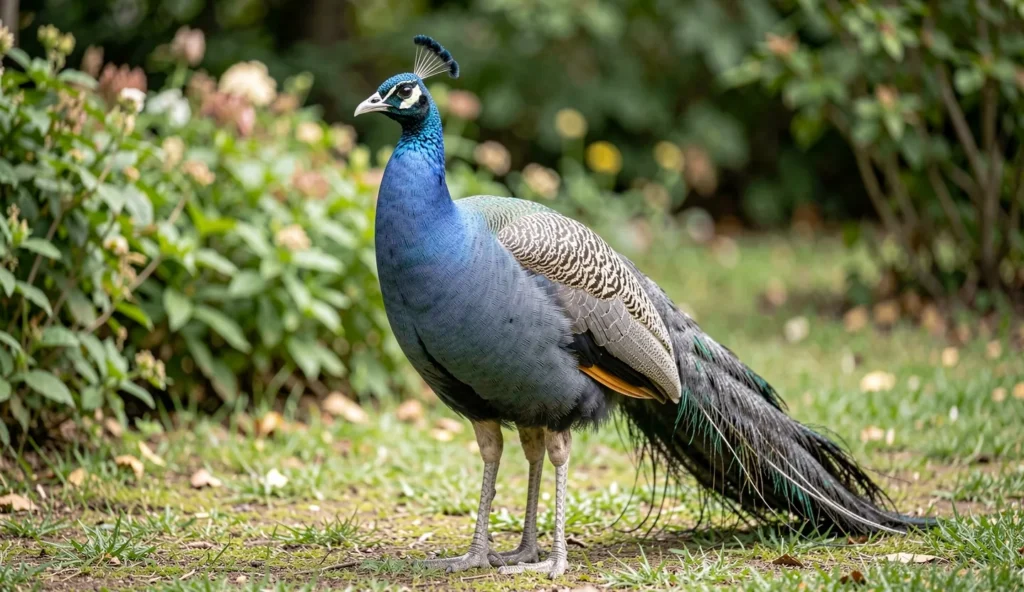
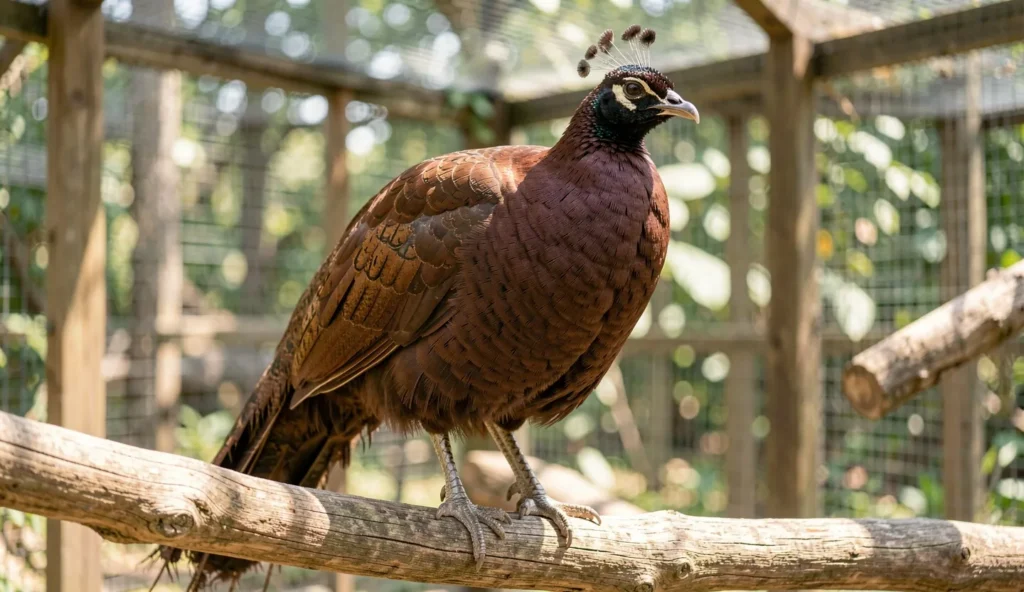
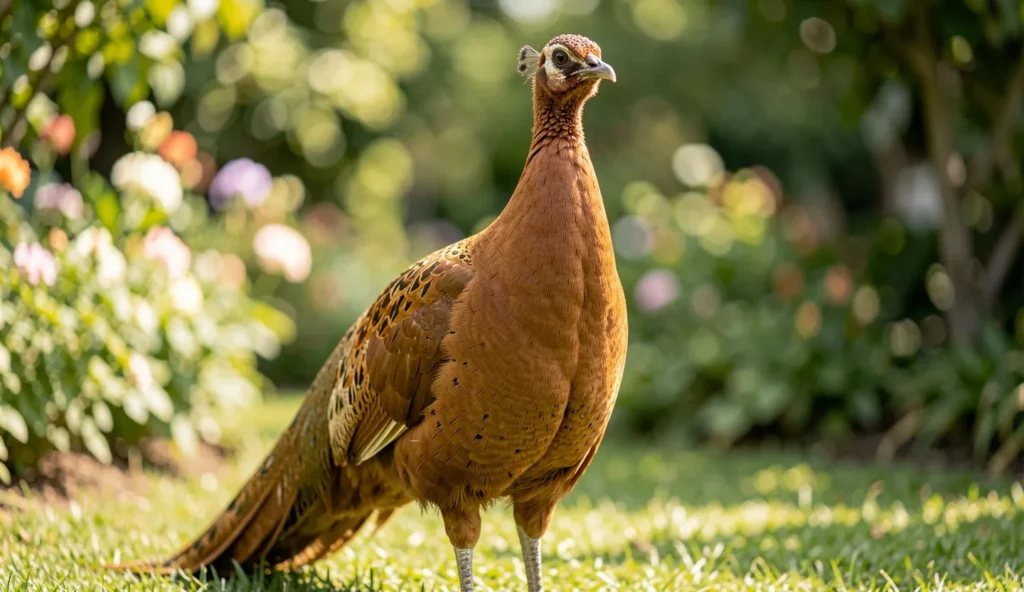
Rust Peafowl is a color mutation in peafowl with deep reddish brown plumage. The Rust Peafowl mutation arises from pigment gene variation and selective breeding, and breeders often compare it to the Indian Peafowl and other color varieties such as Indian Peafowl and Purple Peafowl to understand pigment pathways.
Defining the Rust Mutation
- Rust Peafowls exhibit deep reddish brown plumage.
- Color arises from pigment gene variation affecting feather color.
- Mutation can influence multiple body feathers and trains.
How Rust Peafowls Differ From Other Color Varieties
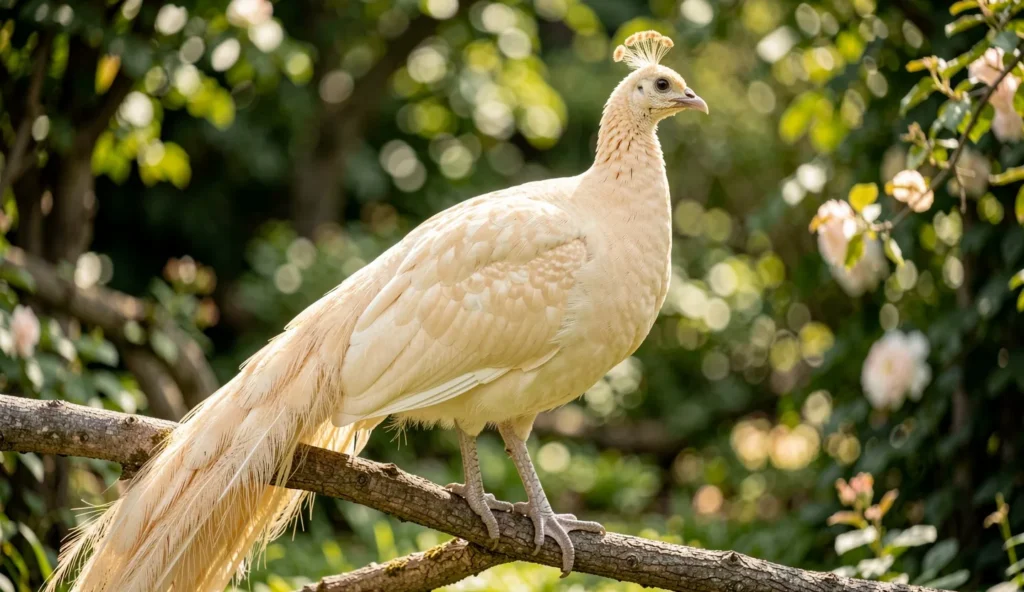
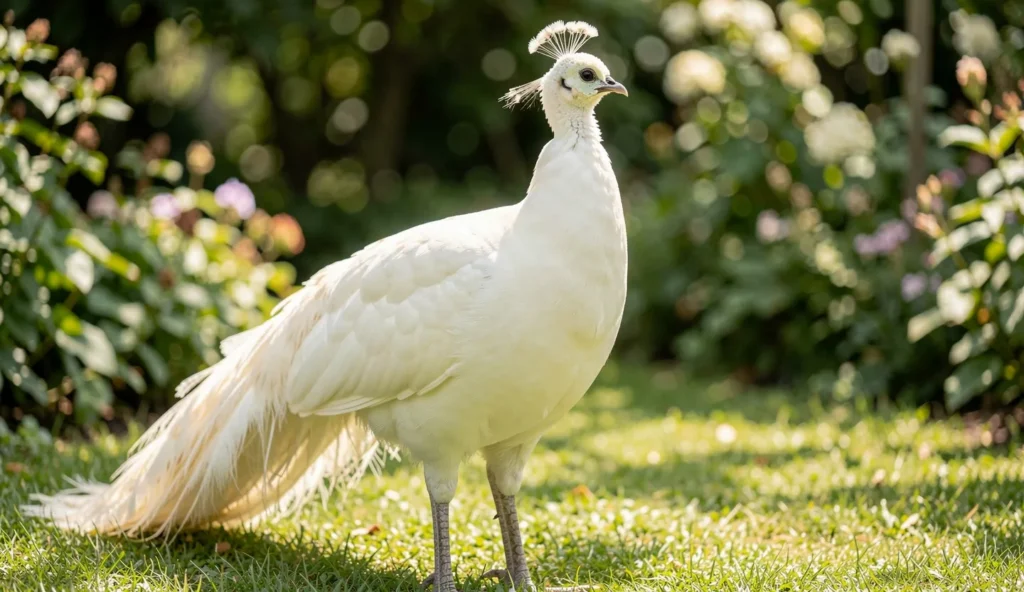
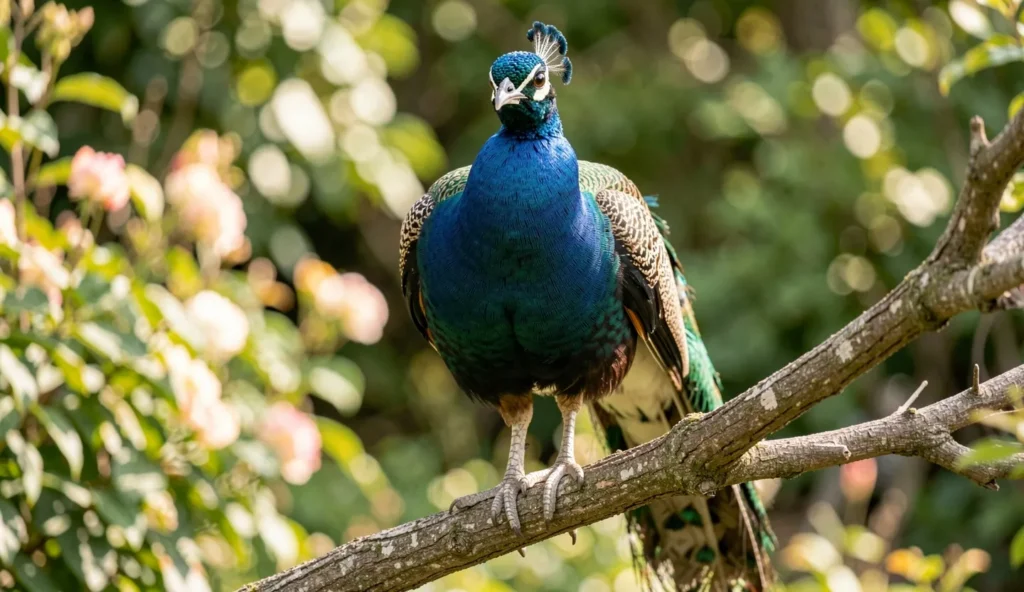
Rust hue is distinct from blue green or White Peafowl mutations, and it shows warmth that sets it apart from standard peafowl.
- Rust hue is distinct from blue green or White Peafowl mutations.
- Compared to standard peafowl, rust shows warmer red-brown tones.
- Fade or shade variation may occur among individuals.
Appearance and Color Variations
The rust coloration shows a range from brick red to dark cinnamon brown, and lighting can shift the depth of the color. Light can shift the look toward brick red, resembling some Purple Peafowl variants.
Rust Shade Details
- Shade ranges from brick red to dark cinnamon brown.
- Color depth can vary with lighting and feather molt.
- Eyes and skin tones may reflect warm undertones.
Male and Female Differences
In males, Rust Peafowl plumage tends to be more vibrant, while females show subtler rust along body feathers.
- Cock usually displays more vibrant rust in plumage.
- Hen shows subtler rust along body feathers.
- Tail train color intensity can differ between sexes.
Genetics and Breeding Considerations
Rust coloration is influenced by multiple genes and modifiers, and crosses can yield a spectrum of rust intensities. Breeders should consider Rust Peafowl genetics in crosses, and track trait expression across generations, including studies related to Green Peafowl.
Inheritance and Color Genetics
Rust coloration is influenced by multiple genes and modifiers, and crosses can yield a spectrum of rust intensities. Breeders should consider Rust Peafowl genetics in crosses.
| Cross | Possible Rust Intensity |
|---|---|
| Rust Peafowl x Rust Peafowl | Low to high rust expression |
| Rust Peafowl x Non Rust Peafowl | Often reduced rust expression |
Breeding Ethics and Best Practices
- Maintain genetic diversity to avoid inbreeding.
- Select birds for health and feather quality, not just color.
- Monitor welfare and avoid overcrowded systems.
Health Considerations for Breeders
- Screen for feather and skin conditions that affect color.
- Assess mobility and vigor in potential breeding stock.
Housing and Social Needs
Proper housing supports well-being, safer groups, and consistent color development. Outdoor space and climate appropriate housing help maintain flock health, including flocks with Rust Peafowl or related varieties such as Black-Shouldered Peafowl.
Enclosure and Space Requirements
- Outdoor aviaries with ample roosting areas support well being.
- Secure fencing protects from ground predators and escapes.
Social Structure and Group Dynamics
- Peafowls are social birds that prefer flock life.
- Keep a stable group to reduce pecking and stress.
Predator Protection and Safety
- Overhead nets or roofs deter aerial threats.
- Provide sheltered areas for shade and weather.
Diet and Nutrition for Vibrant Color
A balanced diet supports feather color and overall health. Core feeding basics pair with color supporting foods to encourage rich rust tones in the plumage.
Core Diet and Feeding Basics
- Offer a balanced mix of grains greens and protein.
- Provide fresh water at all times and clean feeders.
Color Supporting Foods
- Carotenoid rich items may help feather color development.
- Avoid excessive supplements that can disrupt health.
Feeding Schedule and Hygiene
- Feed on a consistent schedule to reduce stress.
- Clean feeding areas to prevent disease transmission.
Health and Care Essentials
Regular health checks support early detection of issues affecting color and vitality. Common issues in Rust Peafowls include feathering irregularities and skin problems, with respiratory or foot concerns also possible.
Common Health Issues in Rust Peafowls
- Monitor for feathering irregularities and skin issues.
- Be alert for respiratory or foot problems common in birds.
Preventive Care and Routine Checks
- Regular health checks help catch problems early.
- Vaccination needs vary by region and flock exposure.
When to Seek Veterinary Help
- Visit a avian vet for persistent lameness or fevers.
- Seek guidance on breeding related health concerns.
Is Rust Peafowl Right for You
Owners should assess space and climate, plus the commitment to flock management required for Rust Peafowl. With outdoor housing and steady care, hobbyists and breeders can maintain healthy birds and color consistency.
Suitability for Breeders and Hobbyists
- Requires outdoor space and climate appropriate housing.
- Entails ongoing flock management and health monitoring.
Time Space and Resource Considerations
- Budget for housing feeders and veterinary care.
- Plan for regular maintenance and record keeping.
FAQs: Rust Peafowl
What defines a Rust Peafowl and how does color inheritance work?
A Rust Peafowl is a color mutation with deep reddish brown plumage resulting from pigment gene variation.
Can Rust coloration occur in both male and female peafowl?
Yes, both sexes can display rust coloration though males often show more intense hues.
What husbandry practices best support vibrant rust feathers in captivity?
Provide balanced nutrition include carotenoid rich foods and ensure clean housing and consistent care.
Are Rust Peafowls suitable for beginner breeders?
They require outdoor space and flock management so best for hobbyists with some experience.
Final Note
Rust Peafowls add a striking palette to any flock, combining color with sturdy temperament. Proper care and responsible breeding support healthy birds and stable color expression.