What Is an Opal Peafowl
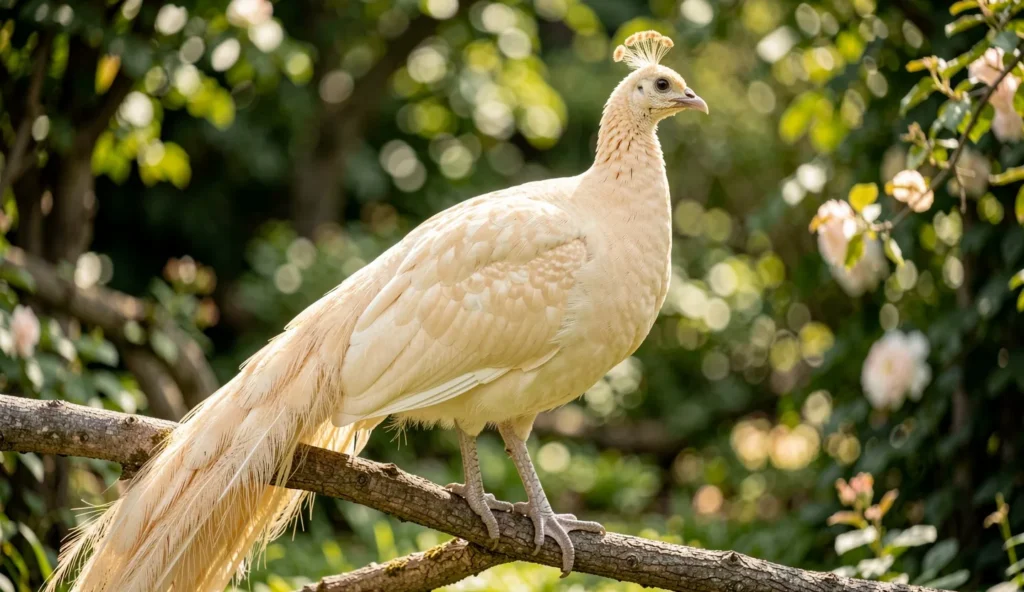
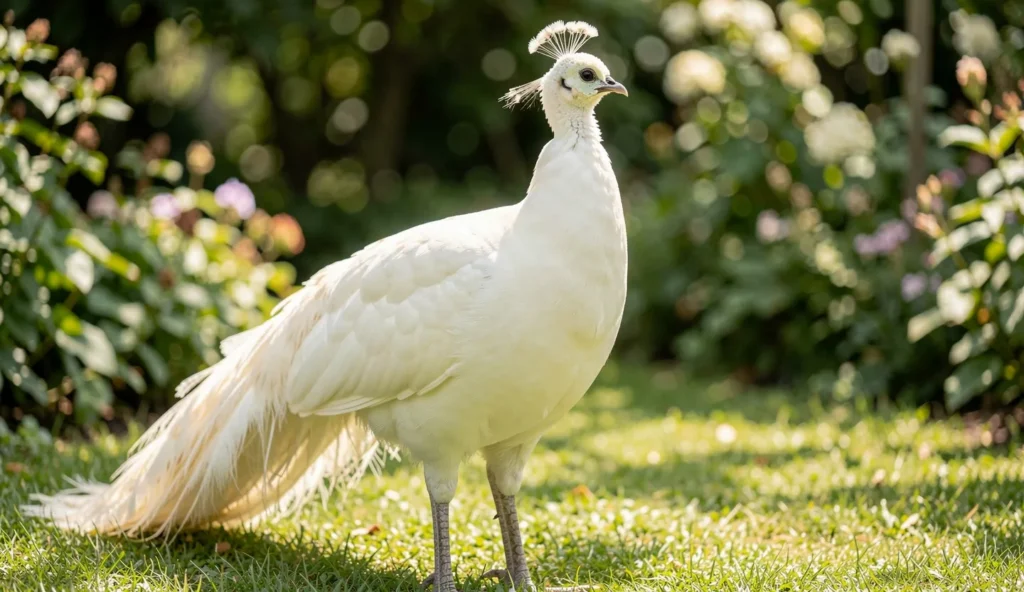
The Opal Peafowl is a color mutation of the peafowl celebrated for its pastel blue-gray plumage. This mutation adds a cooler hue to the tail and crest, enhancing its appeal to color collectors. Among rare peafowl colors, the Purple Peafowl attracts attention from dedicated breeders.
What Is an Opal Peafowl
Opal Peafowl refers to a pastel blue mutation that alters overall plumage tone. It is primarily a color variant rather than a separate species, and breeding focuses on preserving the soft blue-gray effect.
Appearance and Physical Features
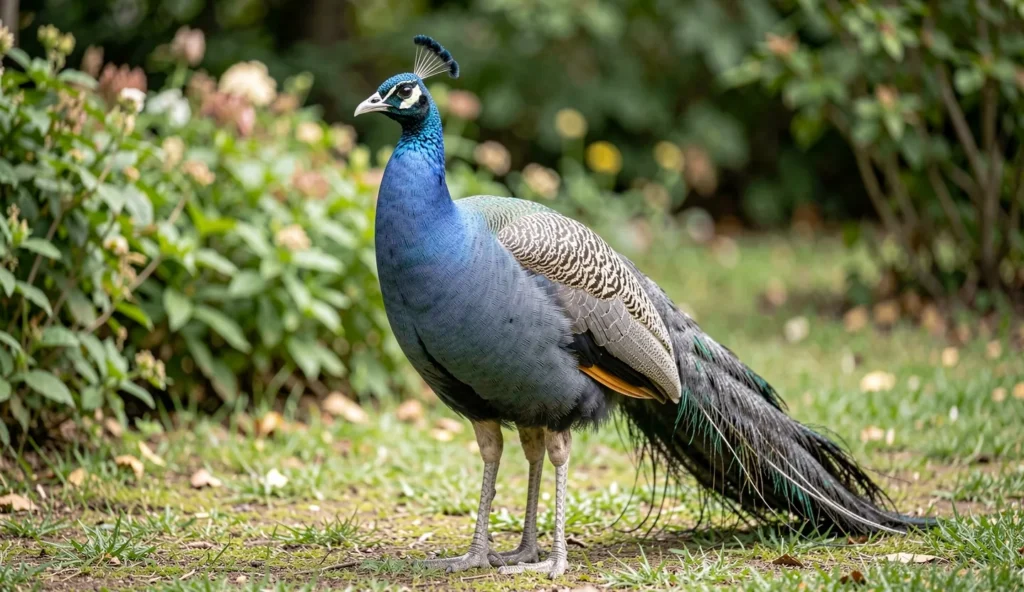
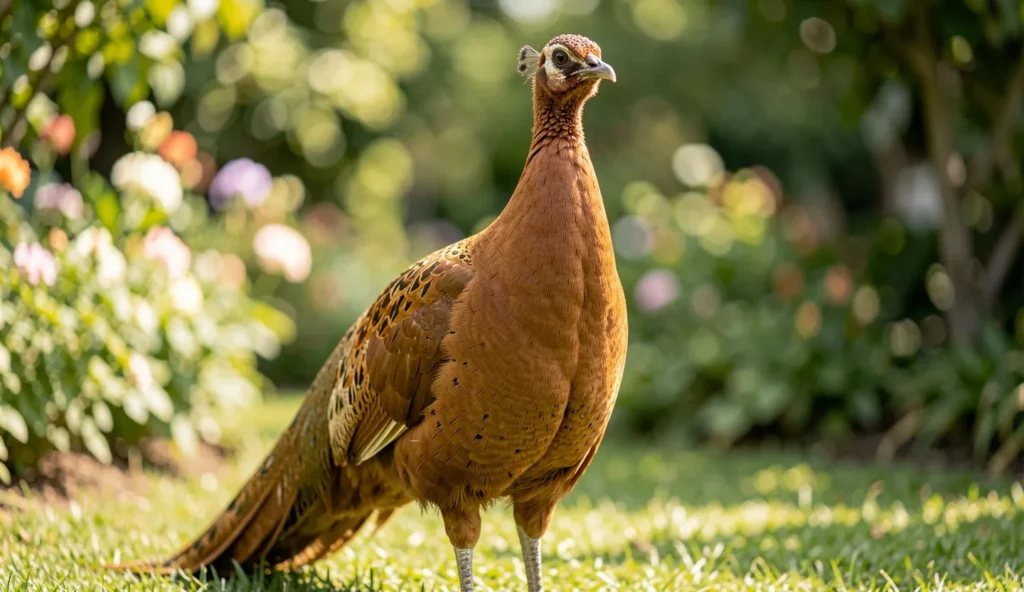
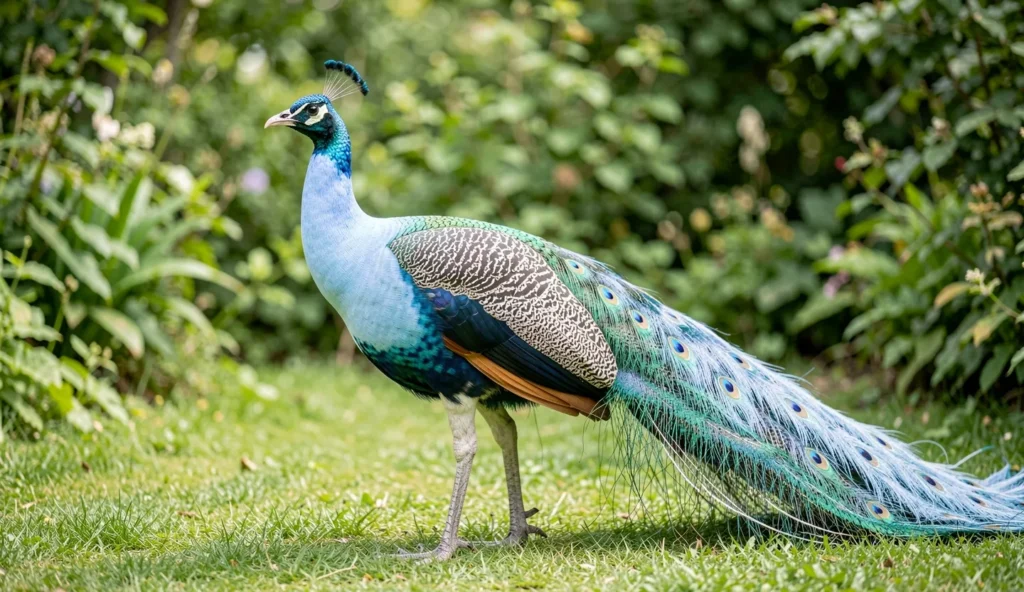
The Opal Peafowl typically displays a softened blue-gray plumage with muted browns in the train. Size mirrors standard peafowl, and males often carry a long, elegant train that reads pastel rather than metallic.
The pastel peafowl appearance results from pigment balance altered by the Opal Peafowl mutation, giving a cooler overall look. This coloration is highly prized by collectors for its understated elegance and shares lineage with the Indian Peafowl in origin.
Temperament and Personality
Opal Peafowls are social birds that thrive in small, stable groups. They respond well to calm handling and stable environments, particularly when human activity is predictable and gentle.
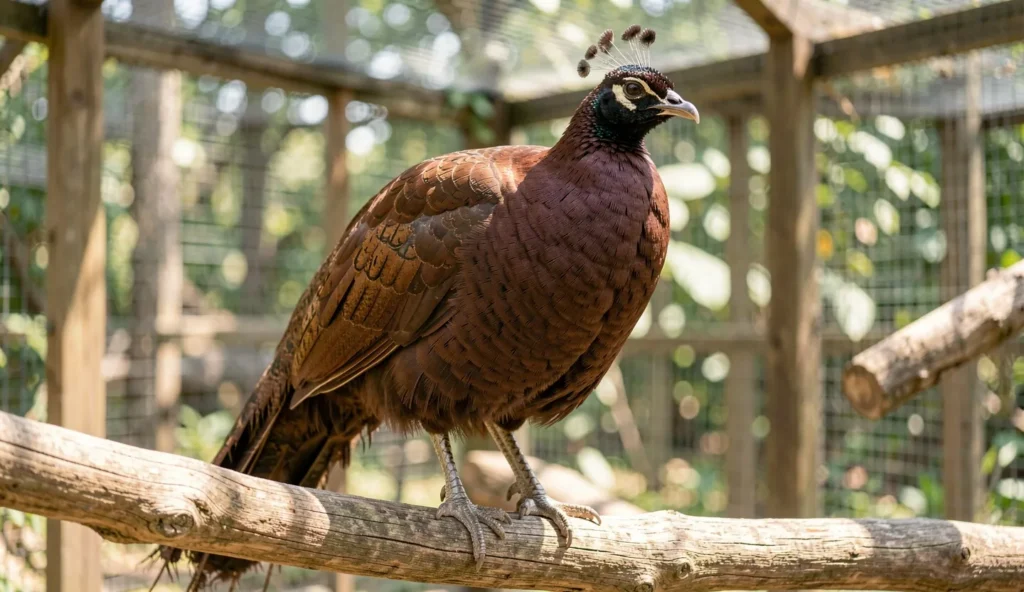
In terms of temperament, Opal Peafowl can be shy in unfamiliar settings, similar to how the Congo Peafowl adapts to larger aviaries. Gradual acclimation to humans and quiet surroundings helps reduce stress.
Care Tips for Opal Peafowl
Grooming
Regular plumage checks help monitor feather condition, and a calm routine supports molt management. Additionally, a periodic dust bath keeps feathers clean and healthy.
- Regular plumage checks for feather condition.
- Occasional dust baths to keep feathers clean.
- Trim nails when necessary to prevent injury.
- Beak maintenance during routine care.
- Monitor feathers for parasites and mites.
Diet and Nutrition
A varied diet supports pigment maintenance and overall health, and some keepers note parallels with other rare peafowl colors such as the Green Peafowl.
- Provide a varied diet including grains greens and insects.
- Ensure constant access to clean water.
- Offer calcium supplements for females laying.
- Avoid processed junk foods and excess salt.
- Schedule occasional vitamin supplements as recommended.
Housing and Enclosures
Secure predator-proof enclosure with ample space for roaming is essential, and the setup should resemble habitats used for other large, social birds such as the Congo Peafowl.
- Secure predator-proof enclosure with ample space for roaming.
- Perches at different heights to encourage climbing.
- Clean dry bedding and ventilation.
- Shelter from extreme temperatures and rain.
- Fenced run to prevent escapes.
Handling and Social Needs
Social birds keep in small stable groups if possible, and gentle handling reduces stress during routine care. Regular interaction helps prevent boredom and supports stable behavior, especially in mixed aviaries where introductions occur slowly.
- Social birds kept in small stable groups if possible.
- Gentle handling to reduce stress.
- Gradual acclimation to humans and noises.
- Provide hiding spaces to reduce stress.
- Regular interaction to prevent boredom.
Common Health Issues
Common health concerns include feather mites, parasites, and nutritional deficiencies. Regular health checks support early detection and timely care.
Common Health Issues
- Parasites like mites can affect plumage and health.
- Nutritional deficiencies can lead to weak feather growth.
- Proper housing, hygiene, and veterinary checks prevent issues.
Is Opal Peafowl Right for You
Is Opal Peafowl Right for You depends on space, time, and resources to maintain a large, social bird with specialized needs. For collectors seeking a pastel mutation, these birds offer a distinctive addition to a display flock.
Final Note
Careful planning and consistent husbandry support healthy, long-lived specimens. With proper housing and enrichment, Opal Peafowl can thrive in a dedicated collection.
Frequently Asked Questions
What makes the Opal Peafowl color mutation unique?
Opal is a pastel blue mutation that yields a cooler overall plumage tone.
How rare is the Opal mutation among peafowl?
The mutation remains rare in both wild-type and captive stocks.
What care differences do Opal Peafowls require compared to standard peacocks?
Core care is the same with extra emphasis on feather health and color maintenance.
What is the typical lifespan of Opal Peafowls in captivity?
Typically 15 to 25 years with proper care.
Are Opal Peafowls suitable as pets or show birds?
They are suitable for experienced keepers with large enclosures and show potential.
What should owners know about breeding Opal Peafowls?
Breeding requires understanding color genetics and careful pairing.