Charcoal Peafowl – The Dark Beauty & Complete Breed Guide
The Charcoal Peafowl is a melanistic plumage variant of the Indian Peafowl, known for its near black feathers and subtle iridescent sheen. This dark beauty draws interest from breeders and hobbyists seeking unique color morphs with genetic depth.
What Is a Charcoal Peafowl
Charcoal Peafowl refers to a melanistic color morph derived from the Indian Peafowl, displaying dark charcoal to near black plumage with an iridescent blue green sheen. Breeders also study related variants such as Black-Shouldered Peafowl and Purple Peafowl to understand color genetics.
Key Characteristics
- Dark charcoal to near black plumage with an iridescent blue green sheen
- Melanistic mutation results in reduced brighter feather colors
- Originates from the Indian Peafowl as a color morph
- Typically larger size and distinct feather patterns relative to standard peafowls
Appearance And Physical Features
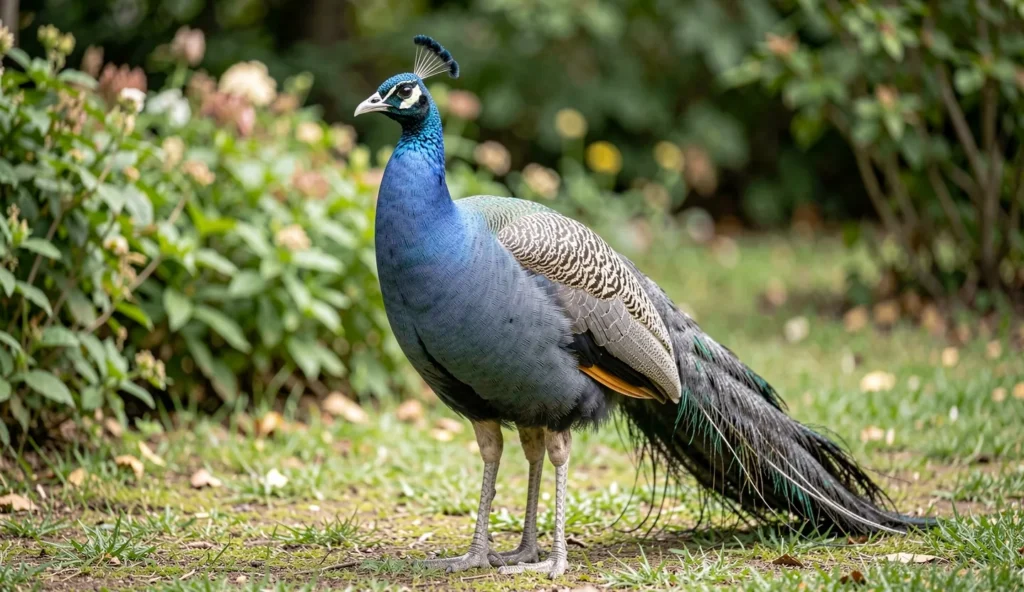
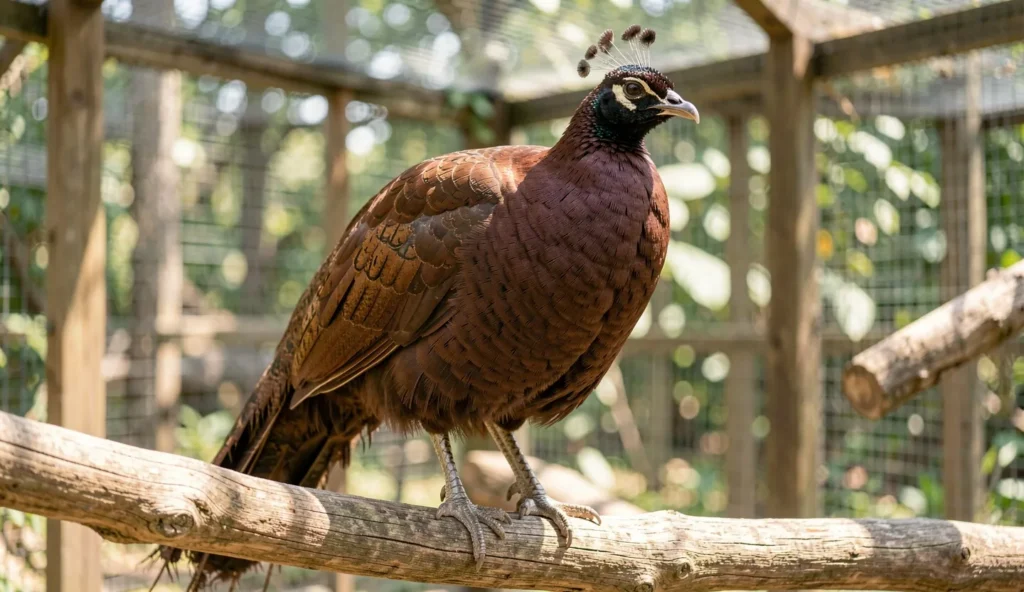
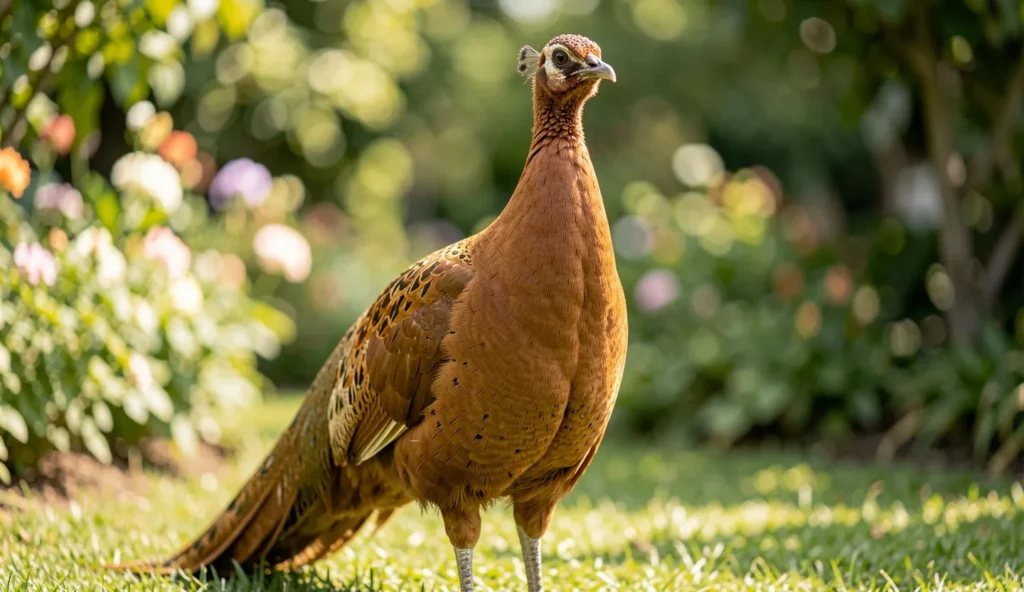
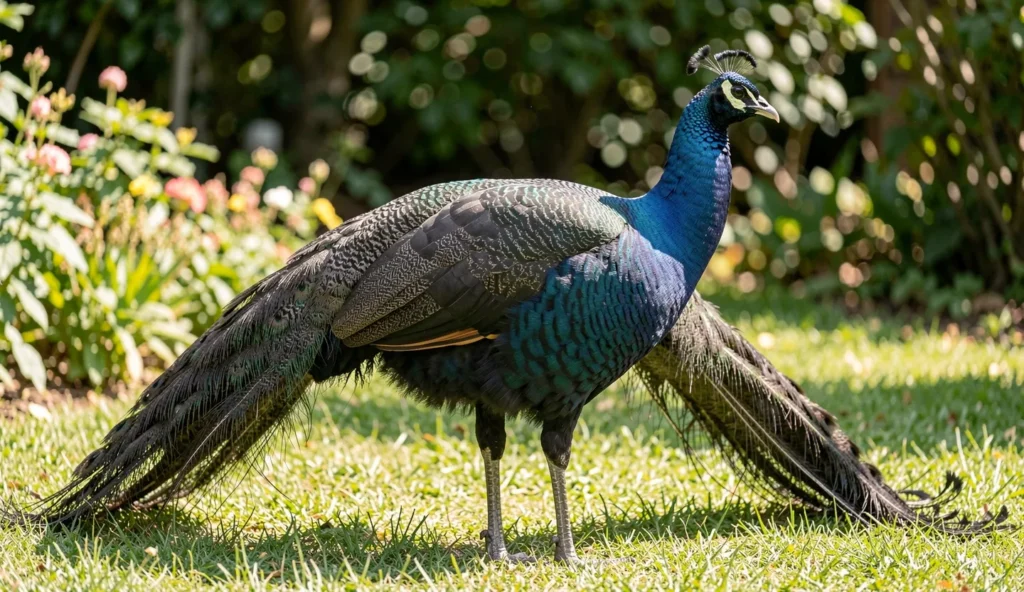
Charcoal Peafowl plumage is deep charcoal to near black with an iridescent sheen that may reveal hints of blue or green under bright light. Body size remains comparable to standard peafowl, with males often larger than females.
Plumage And Size
- Charcoal Peafowl plumage ranges from charcoal to near black
- Tail feathers may be shorter or less ornate in some lines
- Crest and eye ring may retain normal peafowl proportions
- In some lines, subtle iridescent reflections can appear on select feathers
Color Variants And Markings
- Under bright light subtle blue-green reflections may appear
- Wing and back feathers show limited metallic sheen
- Mating displays can accentuate iridescence when present
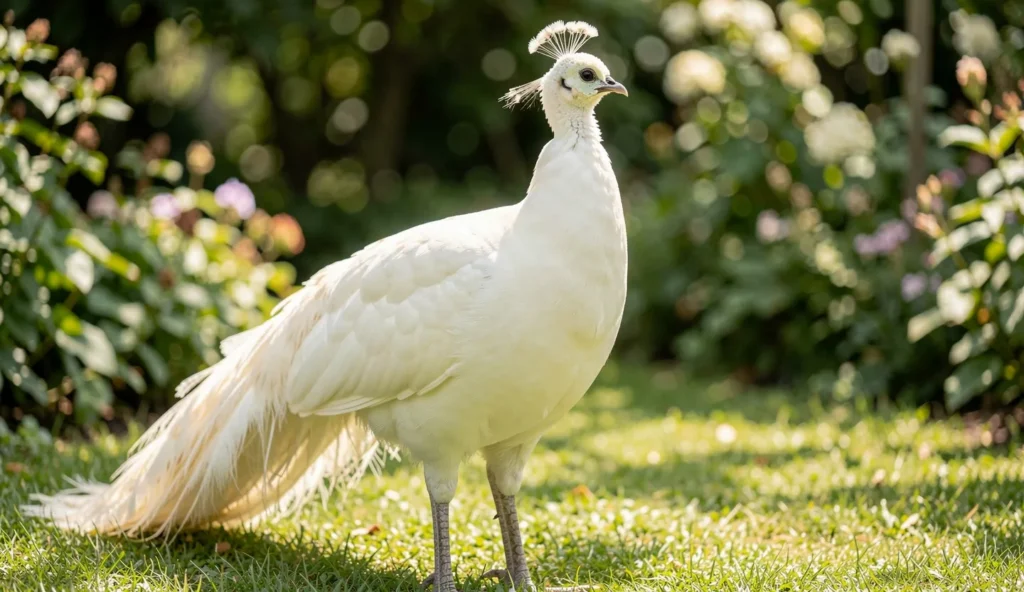
Similar color dynamics are seen in related varieties such as White Peafowl, offering contrast in markings and visibility of feather structure. These comparisons help breeders anticipate how different morphs express plumage across lighting conditions.
Temperament And Behavior
Charcoal Peafowl exhibit social tendencies typical of peafowl, preferring groups and structured territory for mating displays. Proper social arrangement reduces stress and encourages natural behavior.
Social Needs
- Generally social birds that form small flocks
- Males may display to attract mates and defend territory
- Proper space reduces stress and aggression
Handling And Interaction
- Approach slowly and minimize sudden movements
- Provide distractions and enrichment rather than frequent handling
- Young birds learn to trust a familiar keeper over time
Housing And Care Essentials
Housing for Charcoal Peafowl should mimic natural conditions with ample outdoor space and predator protection. A well designed setup supports wing and tail expansion and overall health.
Housing Requirements
- Large secure aviary or free range with predator-safe fencing
- Shade and wind protection with dry substrate
- Adequate space for wing and tail expansion
Perches And Enrichment
- Multiple perching levels at different heights
- Ground foraging spots with natural substrates
- Rotating toys and structures to encourage exploration
Safety And Environment
- Predator-proof enclosures especially from aerial threats
- Shelter from cold snaps and hot sun
- Secure doors and escape-proof gates
Breeders often borrow design principles from Green Peafowl housing to ensure ample space and environmental controls, supporting long-term welfare.
Diet And Health Considerations
A balanced diet supports plumage health and vitality in Charcoal Peafowl, with fresh water and enrichment essential for overall well-being. Routine checks help catch feather or parasite issues early.
Diet And Feeding
- Offer high quality poultry or game bird feed as base
- Provide greens, grains, and occasional fruit
- Grit and clean water available at all times
Common Health Issues
- Parasites and feather issues require routine checks
- Foot care and footpad injuries can occur in damp enclosures
- Regular veterinary care and vaccination where appropriate
Regular health management is crucial for any melanistic morph, and experienced keepers often consult specialists familiar with avian color genetics such as Congo Peafowl lineages to anticipate potential health considerations.
Is A Charcoal Peafowl Right For You
This color morph appeals to experienced keepers who value genetic diversity and long-term commitment.
Ideal Keeper Profile
- Experienced breeders or large property owners
- Interest in color morphs and genetic diversity
- Capacity for long term commitment
Breeding Considerations
- Ethical breeding with health and welfare in mind
- Record keeping for lineage and color genetics
- Compliance with local regulations and permits
Breeders exploring Charcoal Peafowl often study related color dynamics across species, including approaches used with Congo Peafowl genetics to maintain healthy populations.
FAQs: Charcoal Peafowl
What is a Charcoal Peafowl?
A melanistic plumage variant of the peafowl with dark charcoal to near black feathers.
How does charcoal mutation affect plumage?
It darkens the plumage by reducing bright iridescent greens and golds resulting in a near black appearance.
What housing do Charcoal Peafowls need?
A large secure enclosure with predator protection, shade, and space for roosting and foraging.
What should Charcoal Peafowls eat?
A balanced diet including high quality poultry or game bird feed, greens, grit, and fresh water.
Are Charcoal Peafowls easy pets for beginners?
They require experience, ample outdoor space, and careful handling due to flightiness and size.
How can breeders ethically breed Charcoal Peafowls?
Focus on health genetics, diversity, documentation, and compliance with regulations.
Final Note
Charcoal Peafowl represents a striking avenue for color genetics exploration and responsible breeding practices.