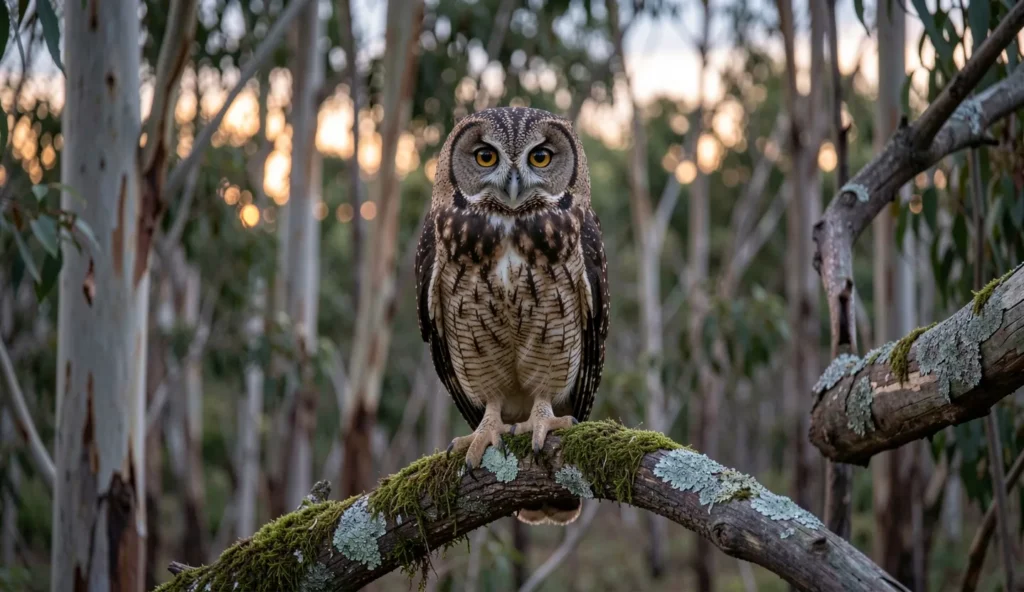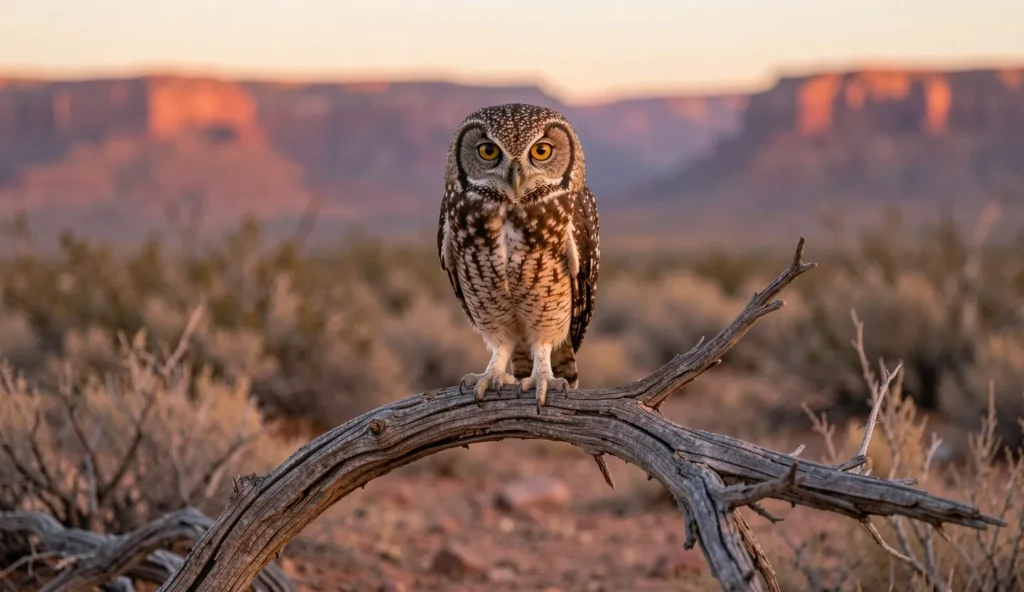
What Is a Western Screech Owl
The Western Screech Owl is a small North American owl that occupies western habitats from deserts to woodlands. This species is known for its quiet flight and camouflaged plumage, traits that help it blend into rocky and shrub environments.
Within the western landscape, the Western Screech Owl is often overlooked due to its nocturnal habits and small size. A patient watcher can reveal its presence by listening for subtle calls at dusk.
Taxonomy and Names
The scientific name is Otus kennicottii, and common regional names vary by area. The Western Screech Owl belongs to the Otus genus of small tawny owls, a group that also includes the Eastern Screech Owl.
Appearance and Physical Features
Size and Plumage
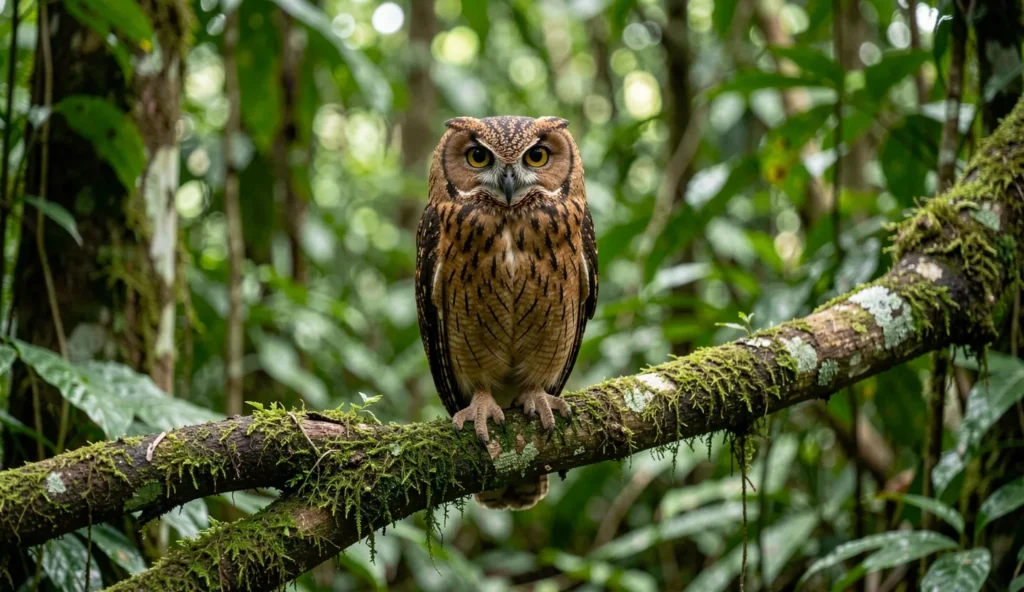
The Western Screech Owl stands about 6 to 9 inches tall with a compact body and a rounded head. It has no ear tufts, contributing to its unobtrusive silhouette.
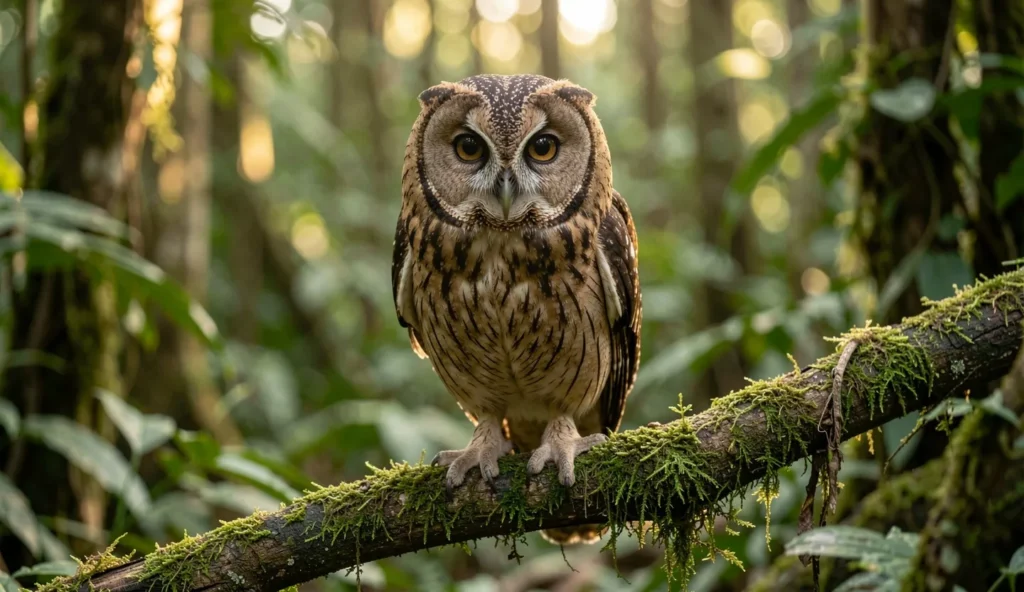
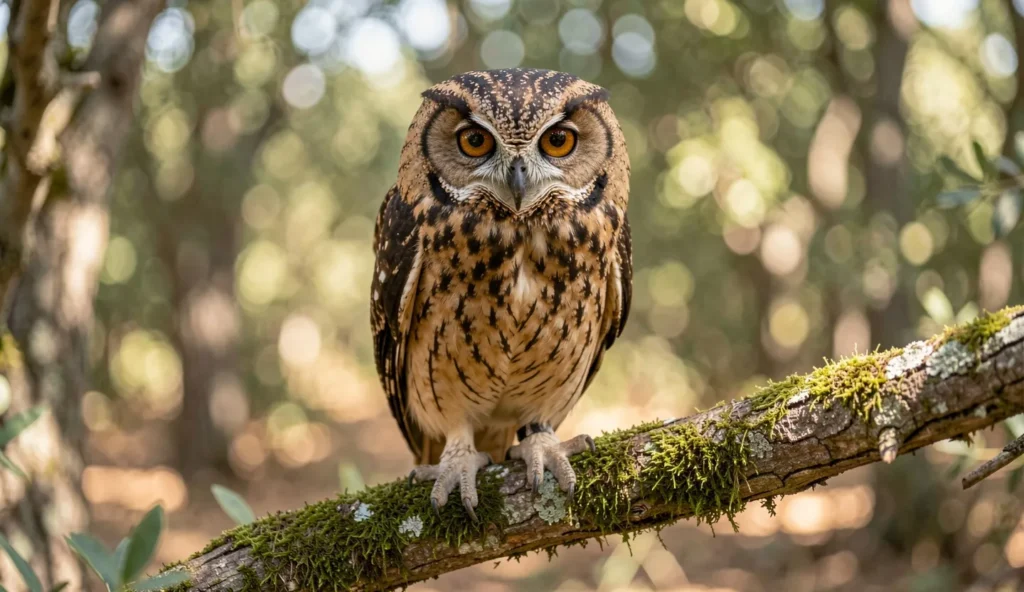
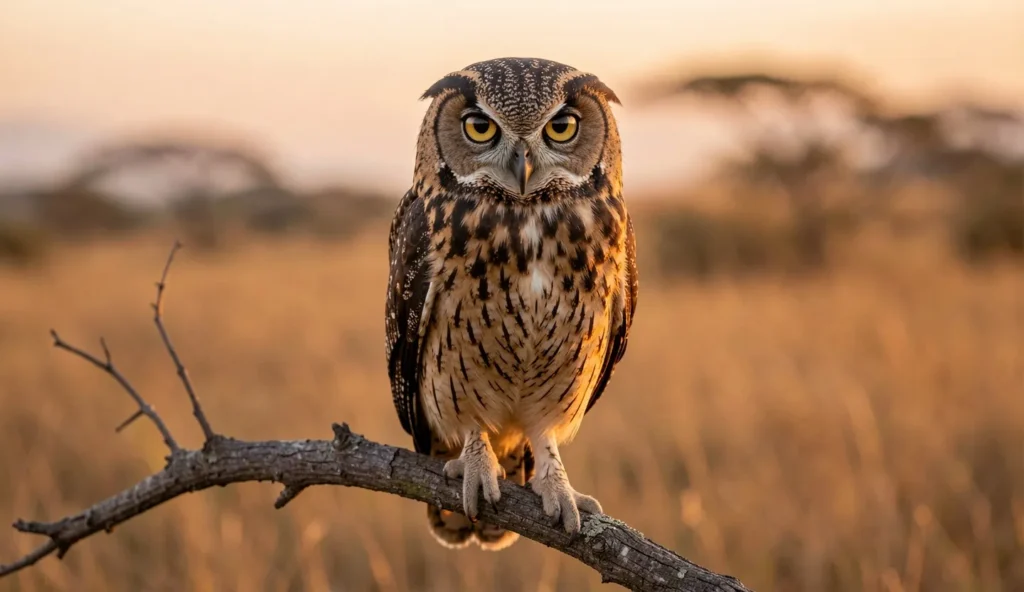
The color range runs from gray to rufous brown, helping it blend into rocky and desert environments. Some individuals resemble the Long-eared Owl in camouflage when roosting.
Color Morphs and Markings
Gray morphs blend with rocky backdrops.
Rufous morphs blend with desert shrubs.
Streaked underparts aid camouflage during roosting.
Habitat and Range
Desert and Riparian Habitats
Desert scrub and riparian zones are common haunts for the Western Screech Owl. It often uses tree cavities and even abandoned woodpecker holes for roosting.
Roosting during the day occurs in dense cover to camouflage against the backdrop of sagebrush and cottonwood stands.
Desert landscapes also host a diversity of other owls, including the Burrowing Owl in suitable edges.
Geographic Range
The Western Screech Owl is found throughout western North America from southwestern Canada to northern Mexico. Breeding occurs in forested and semi-arid regions with suitable cavities.
The range overlaps with forests and shrublands where the Barred Owl can also occur in some corridors, depending on habitat connectivity.
Diet and Foraging
Typical Prey Items
Its diet centers on small mammals such as mice and voles.
In warmer months, insects supplement the diet, and occasional small birds may be taken when available.
Hunting Tactics
The Western Screech Owl is a nocturnal hunter that chooses perches carefully before attacking.
It stalks from a concealed roost and takes prey with a short, silent plunge.
Behavior and Vocalizations
Call Types and Sounds
Calls are soft, repetitive trills or whinny-like notes that vary by sex and region.
These vocalizations help establish territory and attract a mate.
Roosting and Activity
During the day, the Western Screech Owl roosts in cavities or dense vegetation and is usually solitary outside the breeding season.
It remains a stealthy, precise flyer during hunting.
Is Western Screech Owl Right for You
Birding Experience and Local Habitat
Patience pays off for western birders in urban riparian and park settings where owls may occur near denser vegetation.
Quiet listening and occasional night-time outings increase the chances of encounter.
Viewing Tips and Ethical Watching
Use a small flashlight with red-light mode at night and avoid disturbing nesting birds.
- Keep a respectful distance from roost sites.
- Aim for a quiet approach to reduce noise.
- Mount a stable rest to minimize movement while watching.
Binoculars with a steady stance help observers track a silent hunter without causing stress.
Other owls you might encounter in similar habitats include the Barn Owl.
Final Note
Appreciate the Western Screech Owl’s role in western ecosystems and observe it with patience and minimal disruption.
Frequently Asked Questions
How does the Western Screech Owl differ from the Eastern Screech Owl?
They occupy different geographic ranges and have distinct vocalizations.
Where are Western Screech Owls most commonly found in the desert West?
They are most commonly associated with desert scrub, riparian corridors, and woodland edges.
What does the Western Screech Owl sound like during mating season?
Calls are usually a soft, repetitive trill or whinny-like notes used for territory and pair bonding.
What is the Western Screech Owl diet primarily composed of?
Primarily small mammals, with insects and occasional small birds as supplements.