Introduction
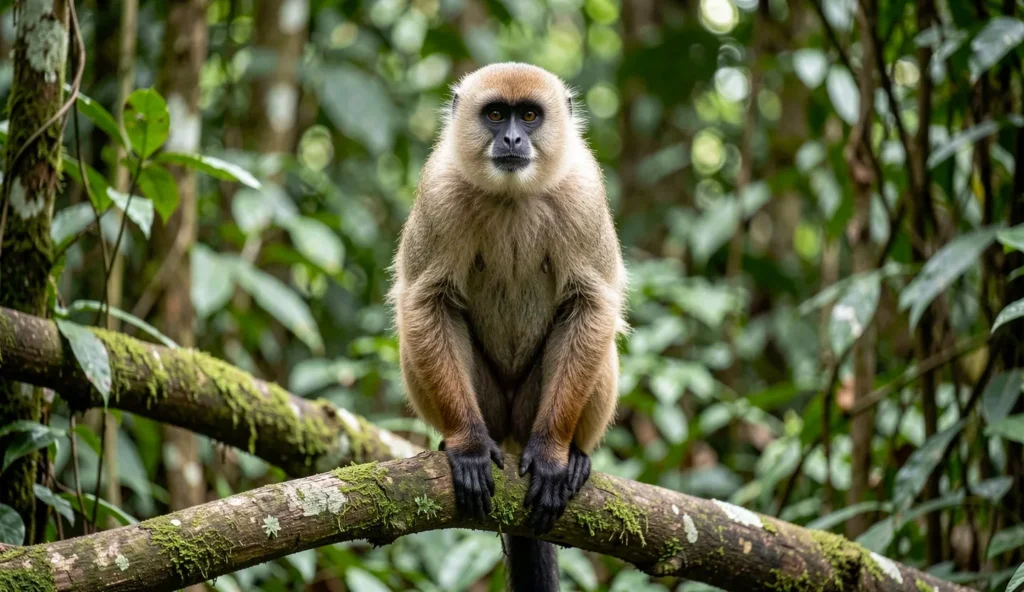
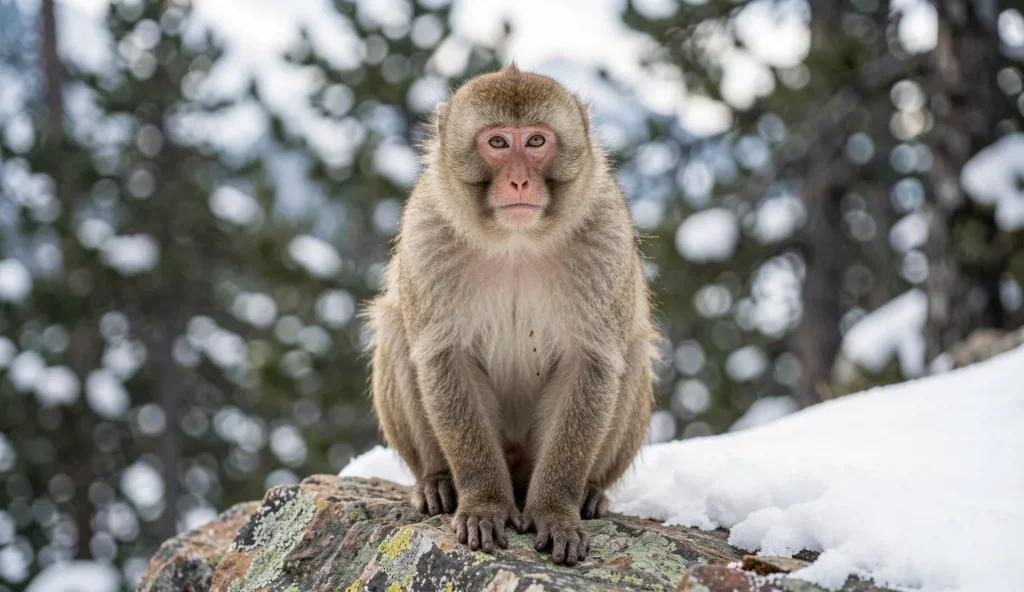
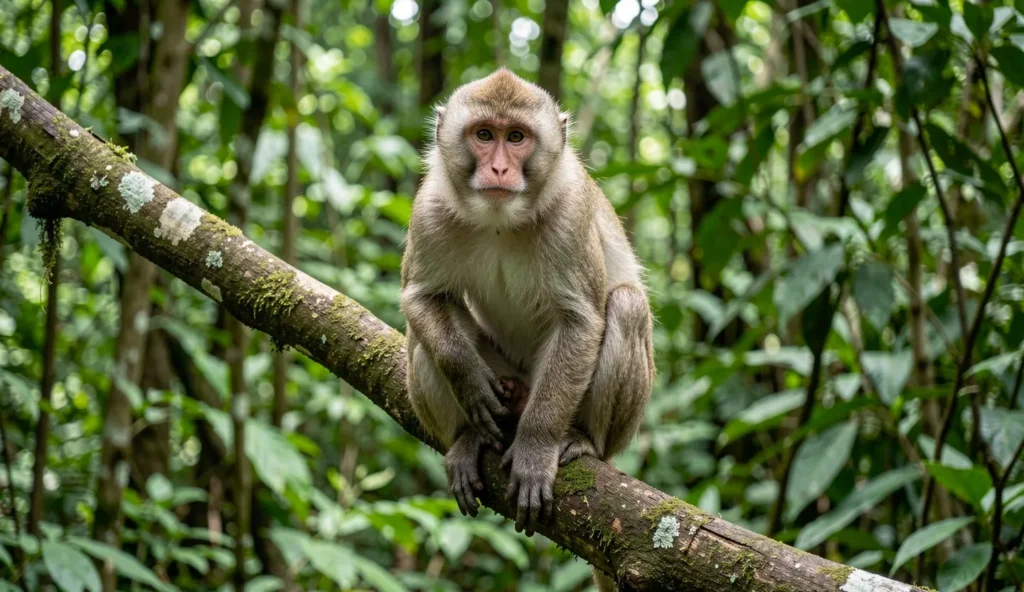
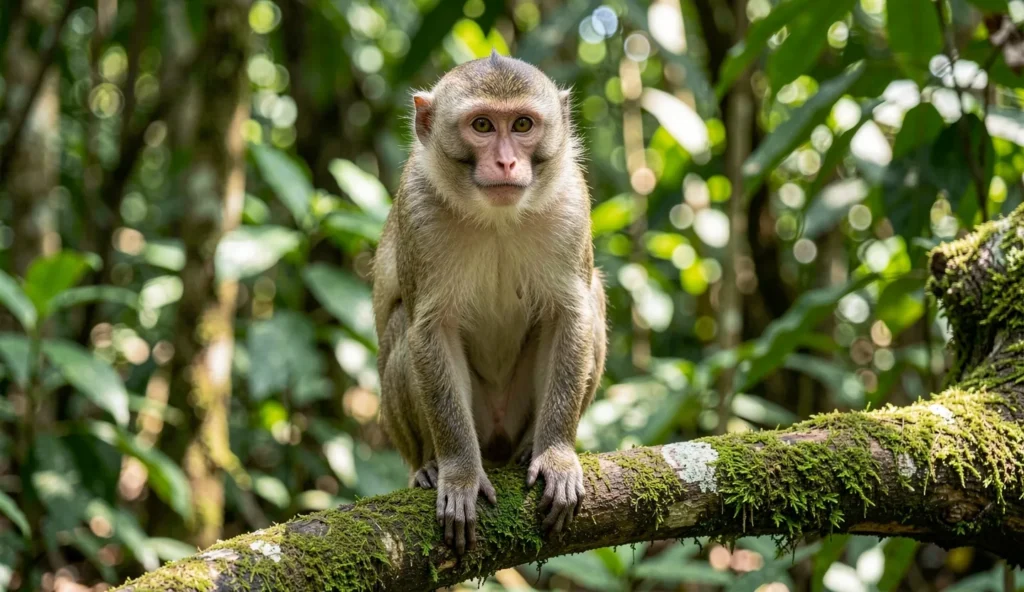
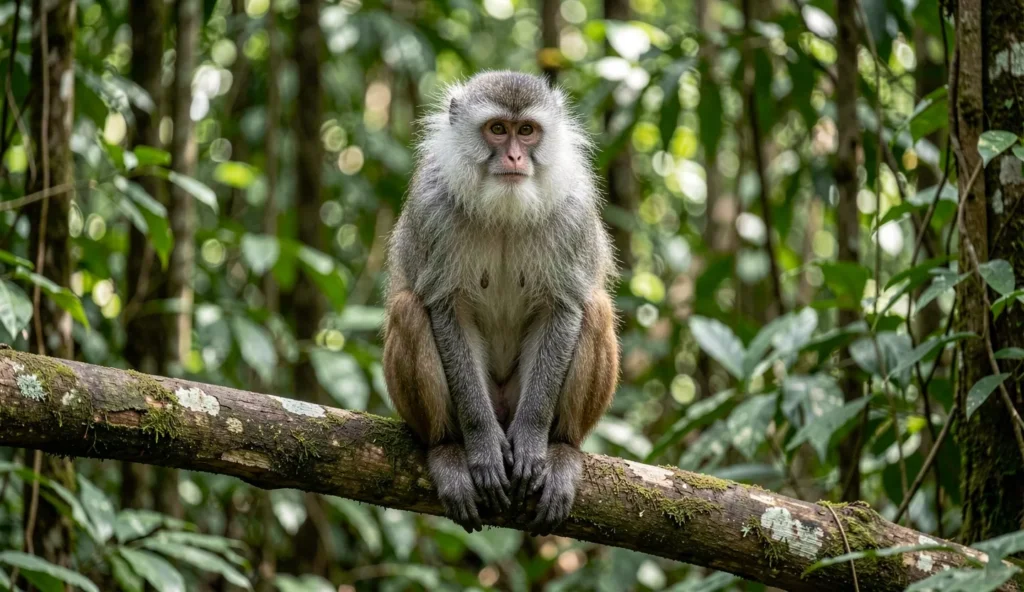
The Lion-Tailed Macaque, scientifically named Macaca silenus, is an Old World primate native to India’s Western Ghats. Known for its distinctive silver-white mane framing a dark face, the wanderoo is endangered, and readers familiar with other macaques may compare it with the Rhesus Macaque Breed.
Appearance And Physical Features
The Lion-Tailed Macaque displays a silver-white mane surrounding the face and black body fur. Adult males often show a fuller mane than females, and the species has a moderate size with a long tail.
Distinctive Mane And Coat
- Characteristic silver-white mane surrounding the face.
- Black fur on the body with robust limbs.
- Adult males often have a fuller mane than females.
- Moderate body size with a long tail and agile movements.
The mane helps researchers distinguish the Lion-Tailed Macaque from the Crab-Eating Macaque.
Temperament And Social Behavior
The Lion-Tailed Macaque lives in multi-female troops with a clear social hierarchy.
Females tend to stay in natal groups while males disperse to join other troops.
Vocalizations and facial cues coordinate group activity, and the species is generally shy around humans, a trait also noted in the Golden Lion Tamarin.
Calm handling is essential when managed in captivity or in research settings.
Enclosure And Enrichment Requirements
The enclosure should resemble a forest, with a canopy and vertical structures to match wild movement.
Forest Like Enclosure Needs
- Large, forested enclosure with multi-layer canopy is ideal.
- Vertical climbing structures, branches, and ropes for movement.
- Dense vegetation supports natural foraging and camouflage.
- Stable temperature and humidity levels appropriate to natural range.
- Social housing in compatible groups to mimic wild social dynamics.
Designing this habitat aligns with general primate care guidelines described in the Vervet Monkey Breed article.
Diet And Health Considerations
In captivity, the diet should mirror natural foraging with fruits, leaves, seeds, and occasional insects.
Dietary Needs In Captivity
- Fruits, leafy greens, vegetables, seeds.
- High-fiber foods prioritized.
- Minimize processed items.
- Calcium and vitamin supplements as advised by a vet.
Veterinary guidelines from the Japanese Macaque Care support maintaining varied, fiber rich diets and regular dental checks.
Health Monitoring
- Regular veterinary exams.
- Parasite control essential.
- Dental health monitoring due to chewing and fiber intake.
- Watch for signs of stress or social friction within troops.
Is a Lion-Tailed Macaque Right for You
The care commitments and ethics around a Lion-Tailed Macaque require experienced keepers and legal awareness.
Care Commitments And Ethics
- Requires sizable forested enclosure and experienced care.
- Legal restrictions apply in many regions; check local laws.
- Conservation considerations require avoiding private ownership as pets.
- Long-term commitment to social housing, enrichment, and veterinary care.
Final Note
Closing Reminder
The Lion-Tailed Macaque is endangered and requires expert care and adherence to laws.
Frequently Asked Questions
Is the Lion-Tailed Macaque suitable as a pet?
No, it is endangered and typically not legal or ethical to keep as a pet.
What should a Lion-Tailed Macaque eat in captivity?
A varied diet of fruits, leafy greens, vegetables, seeds, and insect snacks as advised by a veterinarian.
Why is the Lion-Tailed Macaque endangered?
Habitat loss, fragmentation and illegal wildlife trade contribute to its endangered status.
How big does a Lion-Tailed Macaque get in adulthood?
Adults are medium sized with a mane in males and body length typically around 40 to 60 cm.