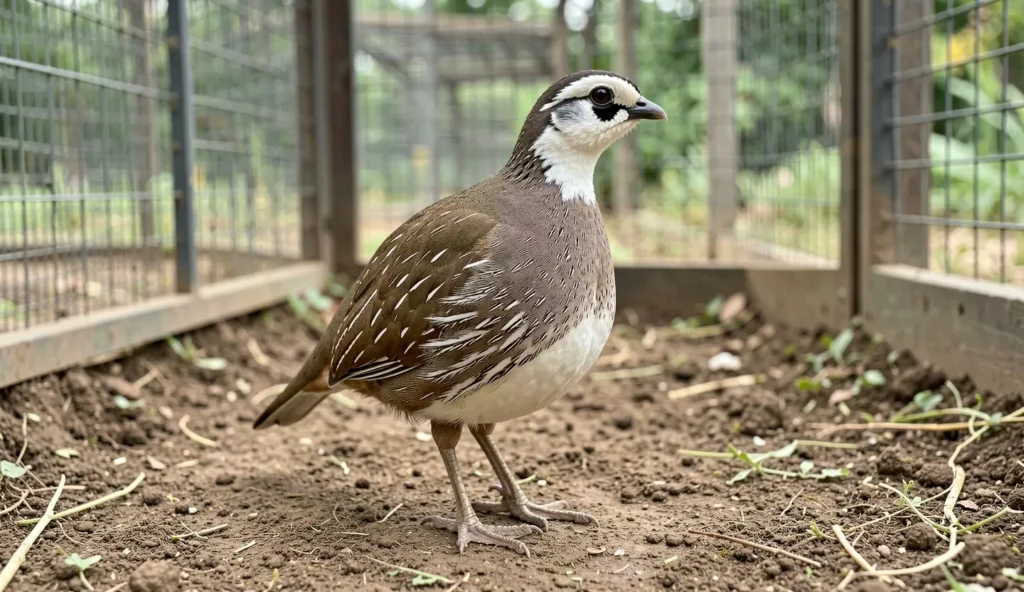
What Is a White-Throated Francolin?
The White-Throated Francolin is a small, ground-dwelling francolin type native to parts of Africa and often kept only under strict controls in some regions. Because this bird belongs to a wild species category in many legal systems, white-throated francolin legal status depends heavily on local rules.
For lawful pet owners, understanding the bird’s natural behavior and source matters as much as day-to-day husbandry. That is also why regulations may treat wild-caught birds and captive-bred birds differently.
Species Basics and Where It Comes From
White-Throated Francolins belong to the francolin group, which includes several ground-foraging birds found across different habitats. They typically spend time walking and scratching along the ground for food rather than perching like many songbirds.
In many areas, geographic origin influences how regulators classify similar species and whether import or ownership controls apply. Habitat type also affects the expectation for proper enclosure design and captive breeding documentation.
Key Traits That Affect Care and Compliance
These birds are generally alert and active on the ground, with routines that center on foraging and safe hiding. Their activity level can affect enclosure size requirements and how authorities evaluate secure housing.
Regulated ownership often requires proof that the bird remained in captivity. For that reason, documentation that shows legal acquisition is frequently part of the permitting process.
Why Laws Focus On Source and Population Status
Wildlife laws tend to focus on conservation status, trafficking risk, and population impacts. When regulators suspect pressure from collection, they usually restrict acquisition of wild-caught birds more than captive-bred birds.
Documentation requirements stay central because authorities need a clear chain of custody. Similar compliance patterns often appear across francolin species, such as rules discussed for Crested Francolin.
Are White-Throated Francolins Legal To Own In Your Area?
Legality for a White-Throated Francolin depends on local wildlife authorities, the bird’s listing status, and whether ownership requires permits. Before any purchase, checking official guidance helps avoid unintentional violations.
Also, regulations can differ by state, province, or even county. Therefore, a “legal in one place” claim does not reliably transfer to another location.
Start With Local Wildlife and Department Rules
The first step involves checking the local wildlife authority or the equivalent government agency website. Many agencies provide searchable lists of protected, regulated, or restricted species by common name or scientific name.
It is also common for rules to reference a broader francolin category, not only one exact species. Because classifications may vary by region, confirm the specific name used in local regulations.
Check Common Coverage Lists Like Protected Species and Exotic Animals
Regulatory coverage often uses labels such as protected, regulated, or restricted wildlife. Under these systems, ownership might be banned, allowed with permits, or allowed with conditions such as registration and reporting.
Some systems separate the rules for possession from the rules for sale and transport. For example, an owner might lawfully possess a bird once permitted, while sellers still need extra authorization.
Understand How Permits Work For Birds
Permits usually control acquisition, possession, and sometimes transfer to another person. In many jurisdictions, approval is required before acquisition, and the permit holder must meet housing standards.
Renewals and reporting can also apply, especially when authorities want to track numbers and locations. Similar health and compliance check patterns show up in keeper guides for Clapperton Francolin.
Permits and Regulations For White-Throated Francolin Ownership
When permits apply, regulations usually focus on proof of legal acquisition, secure containment, and traceable records. For lawful owners, the most practical goal involves building a compliance folder before any inspection request.
Because permit structures differ by country, this section outlines common elements found across many wildlife ownership rules and permit frameworks.
What Documents Are Usually Required
Owners often need proof of legal acquisition and chain of custody for the individual bird. That may include breeder paperwork, invoices, and permits that show the bird was obtained through lawful channels.
In many cases, authorities ask for documentation proving captive breeding or legal import. Keeping paper trails aligned with “captive breeding documentation” expectations can reduce delays and compliance risk.
Import and Transport Rules That Often Apply
Cross-border movement typically triggers customs review and wildlife checks. Even if a permit exists for possession, the import process may still require additional approvals.
Transport requirements sometimes include health documentation and secure shipping methods. After arrival, local rules can still require local registration, especially for newly imported birds.
CITES and Other International Protections To Verify
Some bird species fall under international trade controls that regulate commercial movement. When international protections apply, legal ownership may depend on CITES documentation or equivalent trade permissions.
To stay compliant, verify the trade listing status in official databases before any import attempt. Comparable verification steps appear in keeper documentation discussions tied to francolin origin and history such as Erckel Francolin.
Penalties and Enforcement Risks For Noncompliance
Noncompliance can lead to seizure of the bird and fines, and the consequences can extend to future permit eligibility. Authorities may also treat an unregistered bird as unlawful even when caretaking is correct.
Enforcement can start after a sale listing, an inspection, or unusual transport patterns. Because these risks are real, careful recordkeeping and adherence to regulations matter more than good intentions.
How To Buy a White-Throated Francolin Legally
A legal purchase depends on the seller’s documentation and the buyer’s verification steps. By treating the purchase as a compliance task, the chance of obtaining an unlawfully sourced bird drops substantially.
Also, the process should start with local checks rather than relying on verbal promises from any seller.
Choose Reputable Sources With Proof of Captive Origin
Start by prioritizing breeders or sellers who can provide legal documentation before payment. Request records in writing, including proof of captive origin where applicable.
When sellers cannot provide origin or permit details, treat that as a red flag. Compliance documentation for related francolin species often highlights why records matter, such as guidance connected to Red-Necked Francolin.
Before Purchase Confirm Local Permits and Species Classification
Before buying, confirm the species name and classification as used by local regulations. Some listings include synonyms, while others cover only a subset of species under a broader group.
Also check whether permits apply to possession only or to transfer and acquisition. In some cases, registration must happen within a timeframe after arrival, which can require planning.
After Purchase Keep Records Ready For Inspections
After purchase, create a dedicated file for permits, invoices, and import papers. Make the documents easy to retrieve because inspections often happen with short notice.
If authorities provide identification requirements, record the bird’s ID details exactly as written. Recordkeeping also supports routine health monitoring, which can be relevant when authorities ask for welfare proof.
Transport Only When Allowed By Your Local Rules
Transport should follow any regulatory security requirements, such as approved carriers or secure containment. Paperwork should stay accessible during transit so the bird can be verified if checked.
Avoid moving the bird until required documentation is complete. If there is uncertainty, contact the local wildlife authority first so the acquisition path stays compliant.
Housing and Husbandry Basics That Support Legal Compliance
Legal compliance usually aligns with practical husbandry, especially enclosure security and welfare standards. Secure housing prevents escape and reduces the risk that regulators question containment practices.
At the same time, correct care supports stable behavior, which makes inspections easier when they occur.
Enclosure Security and Escape Prevention
Use bird-proof housing with reliable latches and strong materials designed for ground-dwelling birds. Add features that support natural scratching and hiding while still preventing gaps that enable escape.
Good ventilation supports bird health, but drafts can still cause stress. Therefore, balance airflow and temperature control based on local weather conditions.
Diet Options That Match Francolin Needs
Provide a balanced diet that fits ground foraging behavior and the nutritional needs of a francolin type. Many keepers rely on a mix of appropriate protein sources and formulated foods suited to game birds.
Fresh water must remain available, and supplementation should follow a planned approach. Diet quality also supports consistent droppings, which helps when health checks are needed.
Health Monitoring and Record Keeping
Set a routine for observing appetite, activity, and droppings to spot problems early. If veterinary treatment becomes necessary, keep visit records in the compliance folder.
Documenting any treatment also supports welfare evidence if regulators ask questions. Health and compliance documentation for related francolin species often overlaps with keeper expectations, including observation schedules.
Starter Checklist for Lawful White-Throated Francolin Ownership
A checklist helps owners prepare for legality requirements without assuming one rule set fits everyone. Because local wildlife laws vary, each item should get checked against official guidance before the bird arrives.
Focusing on permits, records, and enclosure readiness reduces uncertainty and helps owners act responsibly.
Compliance Checklist Before Getting the Bird
- Confirm your local wildlife rules for White-Throated Francolin classification.
- Verify whether possession needs a permit or registration.
- Check if captive-bred documentation is mandatory.
- Confirm import and transport rules for birds sourced from elsewhere.
- Plan where the bird will live before approvals are issued.
Paperwork Checklist To Keep On Hand
- Store permits and approval letters in one accessible folder.
- Keep invoices and proof of legal acquisition.
- Retain import documents if the bird crossed borders.
- Maintain any breeder or seller origin certificates.
- Keep contact details for the local wildlife authority.
Is a White-Throated Francolin Right for You?
A White-Throated Francolin can be a suitable choice for owners who can meet legal and documentation duties. For lawful pet owners, readiness includes both housing compliance and recordkeeping over time.
Practical ability to maintain secure enclosures and diet planning also matters. When those needs align with permit conditions, keeping the bird can stay within wildlife ownership rules.
Legal Readiness and Ongoing Compliance Ability
- Follow permit conditions, including inspections if required.
- Maintain records and documents for the full permit period.
- Plan for renewals and any reporting duties.
Practical Readiness for Housing and Care
- Ensure enclosure security with appropriate ground space.
- Identify a qualified bird veterinarian if treatment is needed.
- Plan daily care such as water checks and diet monitoring.
When the goal stays consistent with regulations, the experience becomes more predictable. That is the real value of checking white-throated francolin legal status early and building compliance from day one.
Frequently Asked Questions
What Permit Is Needed To Own a White-Throated Francolin?
Permit requirements vary by location, so the local wildlife authority list determines what approval is required.
Can a White-Throated Francolin Be Kept Without a Permit?
Some regions prohibit ownership entirely or require permits for possession, so skipping permits can still be unlawful.
Do White-Throated Francolins Require CITES Paperwork?
CITES requirements depend on the species and its listed status for trade.
What Documents Should Be Provided With a Legally Purchased Bird?
Legal sales usually include proof of origin such as breeder documentation, permits, and invoices.
Is It Legal To Import a White-Throated Francolin Into My Country?
Import legality depends on wildlife and customs rules as well as any trade control documentation.
Final Note on Staying Compliant With White-Throated Francolin Rules
Staying compliant means verifying requirements up front and keeping documentation organized. With clear records and secure housing, lawful ownership becomes far easier to sustain under permit regulations and wildlife ownership rules.