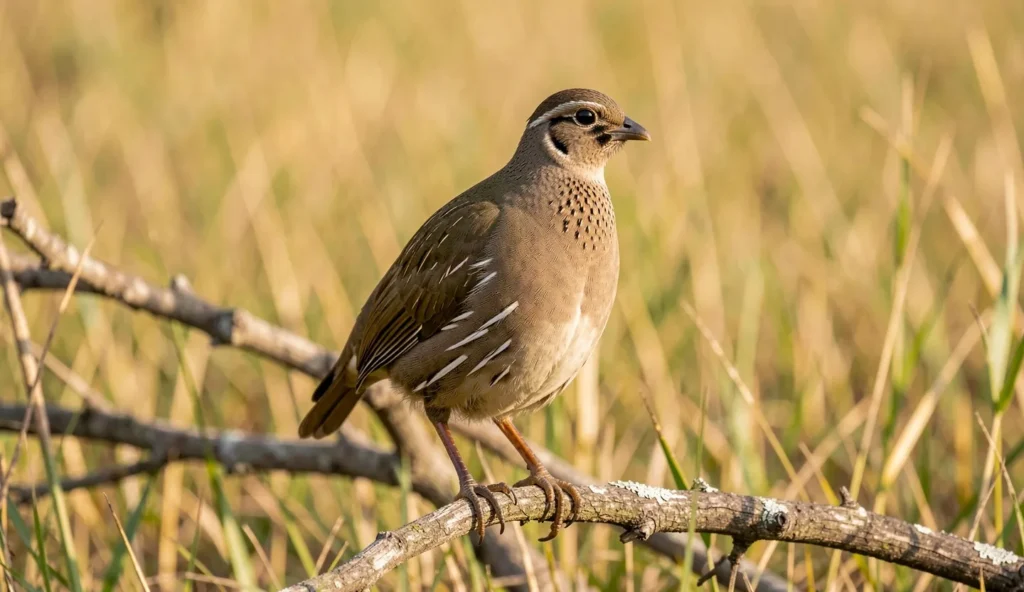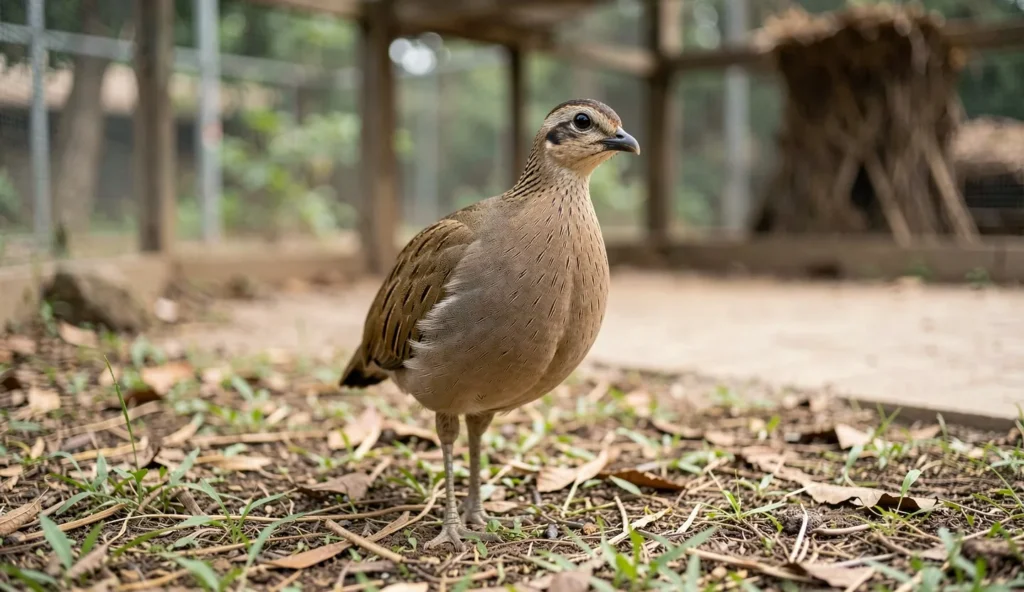
What Is Coqui Francolin?
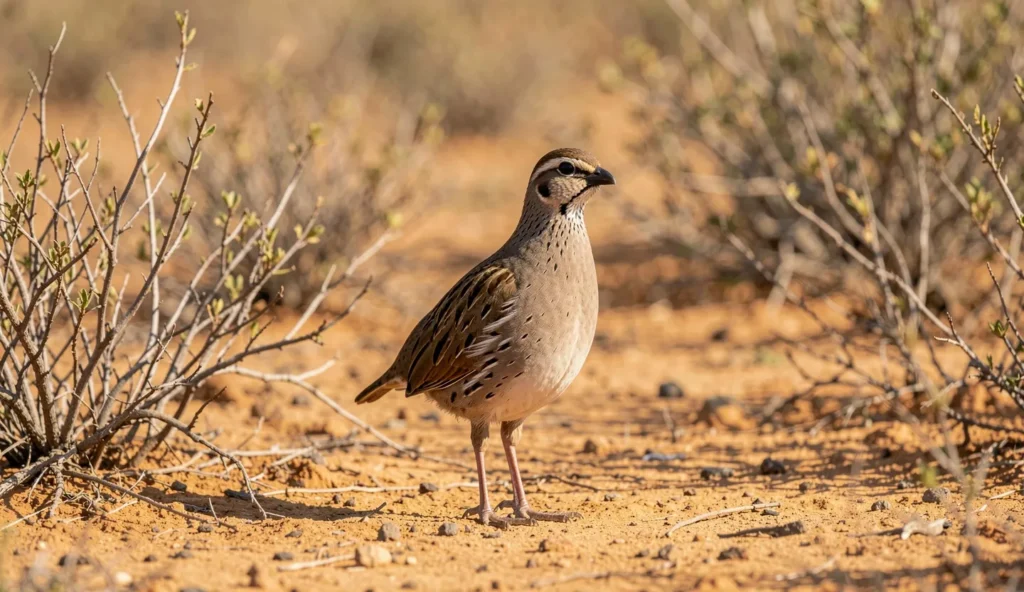
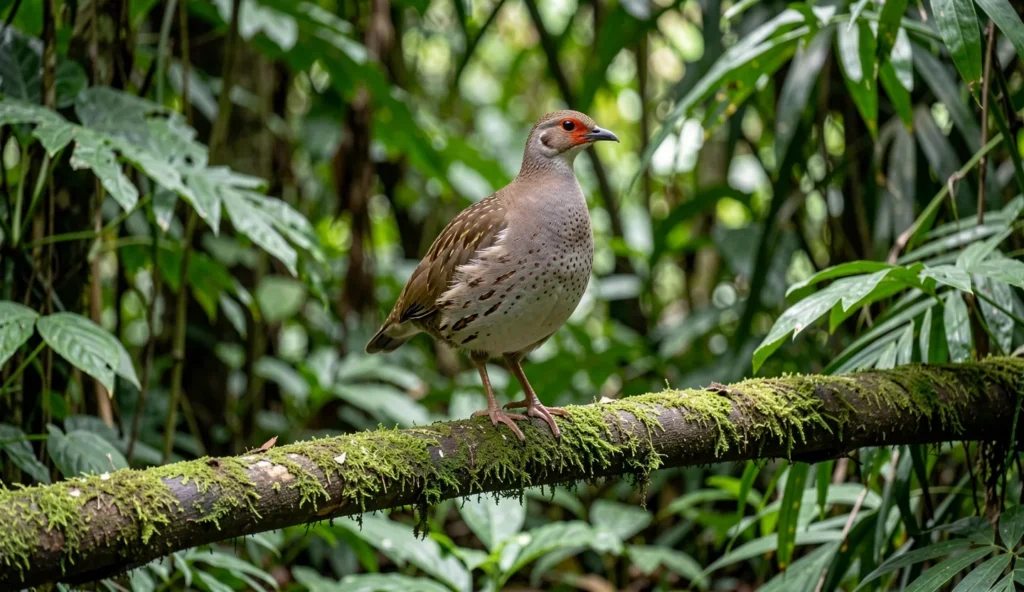
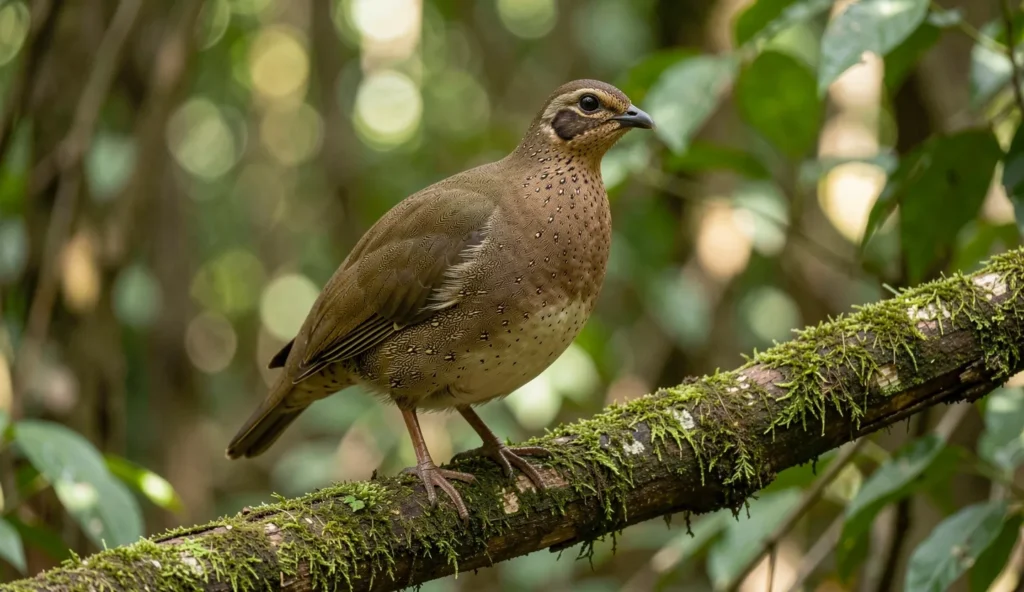
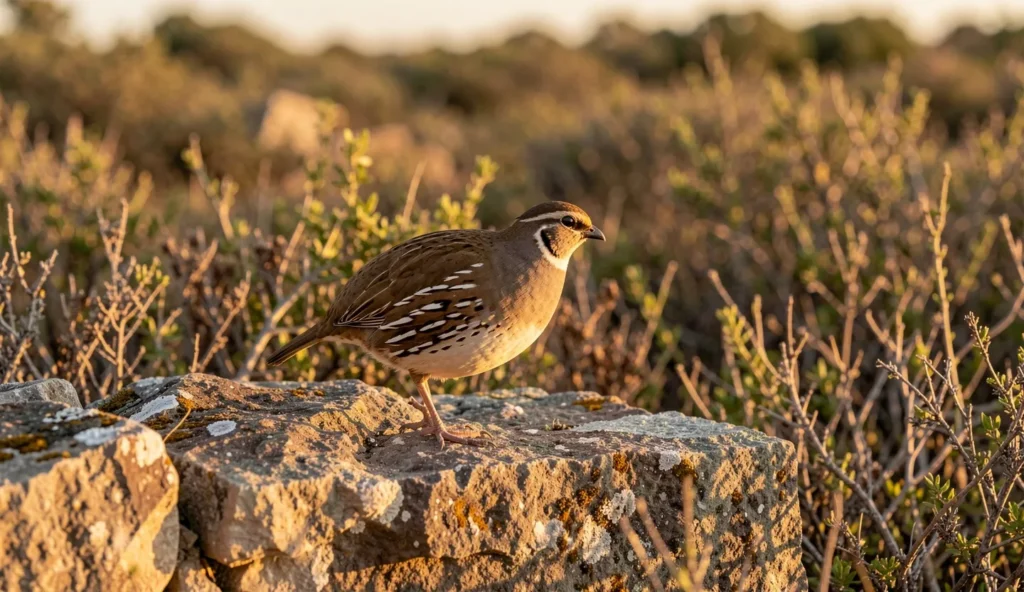
The Coqui Francolin is a ground-dwelling francolin bird kept by some owners as a unique pet. This species comes from natural habitats where cover, foraging, and safe roosting shape daily behavior.
With proper care, Coqui Francolin typically lives about 8 to 12 years. Many owners want that realistic timeline because it helps match daily care to long-term health needs.
Where Coqui Francolin Comes From
Coqui francolins occur in regions where grass, low cover, and forest edges provide shelter. In captivity, the goal becomes recreating key habitat conditions that support comfort and steady routines.
Wild conditions indirectly influence lifespan through disease exposure and predator risk. When those stressors drop in a home setting, longevity in captivity often improves when husbandry stays consistent.
Owners also benefit from learning how similar francolin species behave and eat, which can guide better expectations about daily care. For example, reading about the Crested Francolin helps compare temperament and training needs across francolin types.
How Long Do Coqui Francolins Live
Most captive birds fall within an 8 to 12 year range with reliable food, shelter, and health checks. Quality care matters most during the first years because early deficiencies can create later health issues.
Even with good care, individual variation remains normal. Genetics, stress level, and early diet all influence how long a specific bird may live.
Coqui Francolin Appearance And Traits That Affect Longevity
Physical condition and daily behavior provide early clues about whether longevity in captivity will be strong. Owners should learn what healthy aging looks like so changes get noticed early.
Because the Coqui Francolin spends time on the ground, leg strength and foot comfort deserve extra attention. When movement stays steady, overall wellness usually follows.
Physical Signs Of Healthy Aging
- Feathers look smooth with minimal visible bald patches
- Skin appears clean without persistent scaling
- Muscle tone stays present along the breast and thighs
- Legs support steady steps and balanced posture
- Body shape remains consistent without sudden weight loss
These signs reflect stable nutrition and lower chronic stress. When they appear, it usually means the bird tolerates daily housing conditions well.
Behavioral Signs That Indicate Stress Or Declining Health
Changes in routine can show up before major illness. Reduced activity, hiding more than usual, or ignoring normal foraging can all be warning signs.
Owners should also watch for reluctance to use perches or preferred areas. When balance, interest in food, or breathing quality changes, action should follow quickly.
Comparing feeding patterns with other francolin diets can help owners spot mismatches early. For example, reviewing Red-Necked Francolin diet basics can clarify how foraging supports gut function and day-to-day energy.
Housing Essentials For Longer Coqui Francolin Life
Housing choices often determine whether the Coqui Francolin can live through its full potential range. Space, clean flooring, safe shelter, and stable climate reduce stress and infection risk.
Longevity depends on daily comfort more than owners expect. If housing feels damp, drafty, or unsafe, health problems can appear sooner.
Enclosure Size And Floor Design
Provide enough space for walking, short hops, and natural movement across open and covered areas. A ground plan with safe pathways usually supports steady muscle use.
Flooring should reduce foot strain and prevent pooling water. Slippery or rough surfaces can raise the risk of injuries that later reduce mobility and increase stress.
Temperature, Humidity, And Ventilation
Maintain comfortable temperatures during day and night and avoid sudden swings. Ventilation should stay fresh and steady, while drafts remain minimal.
Damp bedding increases infection risks, especially when birds live close to the ground. If humidity stays too high, respiratory issues can become more likely over time.
Similar habitat planning matters across game birds, so owners sometimes find it helpful to review species history when deciding on climate strategy. For background on habitat context, Erckel Francolin origin and history can support better understanding of what conditions seem normal.
Bedding And Daily Cleaning Schedule
Remove wet spots promptly because they affect both odor and microbial growth. A consistent bedding change cycle reduces contamination and supports stable droppings quality.
Disinfecting should be safe for birds, with fumes allowed to clear fully. Strong chemical residue can irritate airways and worsen stress.
Safety From Injury And Predation Risk
- Use secure latches and check doors and wire openings
- Reduce sharp edges that can cut legs or wings
- Avoid slippery surfaces that increase falls and twisting injuries
- Separate incompatible birds if chasing or aggression starts
- Provide cover so the bird can retreat when startled
When injury risk drops, daily movement stays more normal. That stability supports better muscle health and longer-term comfort.
Diet And Feeding Practices That Support Coqui Francolin Longevity
Feeding practices directly affect the Coqui Francolin lifespan by shaping gut health, feather quality, and immune strength. A steady, balanced approach also reduces deficiency issues that can shorten longevity in captivity.
Diet needs vary by age and body condition, so adjustments should be slow. Sudden changes can disrupt digestion and increase stress.
Balanced Staple Diet Options
Choose a staple food formulated for gamebirds or similar needs. The diet should provide enough protein and essential nutrients to support daily activity.
Introduce any change gradually over time. When the bird accepts the new food without digestive upset, longevity in captivity becomes easier to sustain.
Some owners compare francolin feeding strategies across species to improve planning. Learning from Red-Necked Francolin diet and nutrition can help clarify typical nutrient targets and foraging patterns.
Treats, Foraging, And Portion Control
- Use treats sparingly and avoid overfeeding high-fat options
- Offer safe foraging items to support natural searching behavior
- Include grit or approved supports if recommended for the diet
- Weigh or assess body condition weekly for early correction
- Keep treats consistent to prevent sudden calorie spikes
Foraging supports mental engagement and helps reduce boredom-related stress. When stress stays low, health systems usually stay more stable.
Fresh Water, Gut Health, And Food Storage
Provide clean water daily and scrub the water container regularly. Dirty water raises the chance of gastrointestinal problems that can affect overall survival.
Store feed in a cool, dry place to prevent spoilage. Any spoiled food should be discarded quickly to protect gut health and reduce illness risk.
Handling, Enrichment, And Stress Reduction
Stress can shorten the Coqui Francolin lifespan even when diet looks correct. Safe handling and daily enrichment lower panic and help the bird maintain normal behavior.
Longevity depends on steady routines, not occasional effort. When daily care feels predictable, the bird spends more time foraging and resting.
Gentle Handling To Avoid Injury
- Limit restraint time and keep sessions calm and brief
- Support the body properly during any lift or move
- Avoid sudden grabbing that triggers intense panic
- Schedule handling when the bird expects it during routines
- Seek avian-experienced help for difficult health checks
When birds experience repeated fear, breathing may become labored during stress. Over time, that pattern can worsen health outcomes.
Enrichment For Healthy Activity
Offer cover options and safe exploration space so the bird can choose where to rest. A comfortable layout supports normal movement rather than constant retreat.
If conditions allow, shallow dust bathing can help keep feathers in better condition. Rotating safe enrichment items also reduces boredom and keeps daily activity steady.
Owners comparing temperament across game birds may find species-specific guidance useful. Reading about Painted Francolin can show how behavior changes with environment and enrichment opportunities.
Common Health Issues And How To Slow Aging Risks
Health problems can reduce francolin longevity by creating chronic inflammation or recurring infections. Early prevention and daily observation help owners respond before problems progress.
Because the Coqui Francolin lives on the ground, feet, droppings, and breathing patterns often reveal the first clues. Small changes can matter.
Preventive Care Basics Owners Can Apply
Quarantine any new birds before mixing them with existing pets. Routine veterinary checks also support consistent parasite screening and weight monitoring.
Observation habits should be simple but frequent. Noting changes in appetite, posture, and droppings helps detect issues earlier than a yearly check alone.
Some owners use cross-species comparisons to improve vigilance around common francolin problems. For additional context, Grey Francolin health and husbandry expectations can reinforce good hygiene habits.
Health Problems That Can Reduce Longevity
- Respiratory issues linked to damp bedding or poor airflow
- Foot problems from unsuitable surfaces or wet ground
- Parasitic infections from contamination and poor hygiene
- Nutritional problems from unbalanced diets or unsafe treats
- Injuries that reduce movement and increase long-term stress
These issues can stack over time, which is why prevention stays central. When one problem triggers another, recovery becomes harder during aging.
Daily Monitoring Checklist For Early Warnings
- Check appetite and water intake during the same time each day
- Watch posture and movement during foraging
- Inspect droppings for changes in color and consistency
- Check feather condition for dullness, flaking, or patchiness
- Note coughing, sneezing, or any breathing changes immediately
Consistent monitoring supports quick action. That responsiveness often determines how long the bird can stay comfortable.
For owners dealing with wet, humid, or damp-prone setups, it can help to review how other species respond to habitat moisture. Guidance around Swamp Francolin living conditions can support better planning for ventilation and bedding management.
Is A Coqui Francolin Right For You?
The Coqui Francolin lifespan typically ranges from 8 to 12 years when daily care stays steady. That timeline fits people who can manage routine cleaning, consistent feeding, and early health responses.
Longevity in captivity becomes realistic when the housing setup supports movement and keeps dampness low. Owners should also plan for ongoing monitoring as the bird ages.
Who Can Support An 8 To 12 Year Lifespan
- Owners who maintain clean, dry housing with strong ventilation
- People committed to balanced feeding and weekly body checks
- Households that can access an avian-knowledge veterinarian
- Care routines that stay predictable for stress reduction
- Space for safe movement rather than cramped setups
When these conditions exist, the bird often tolerates aging with fewer interruptions. That stability supports steady health and daily comfort.
What To Plan For During Older Age
- Schedule more frequent health checks as mobility changes
- Adjust housing for easier entry to cover and preferred areas
- Address early symptoms before they become chronic issues
- Reassess diet and portion size for body condition changes
- Increase monitoring for breathing and foot comfort
Plan ahead so care stays practical as needs shift. When adjustments happen early, the Coqui Francolin can often maintain quality days into the later years.
Frequently Asked Questions
How Long Do Coqui Francolins Live In Captivity?
With proper care, Coqui Francolins typically live about 8 to 12 years.
What Is The Coqui Francolin Lifespan At Different Ages?
Most captive birds follow a general 8 to 12 year range, with health depending on husbandry from the start.
How Can Owners Improve Longevity In Captivity For A Coqui Francolin?
Focus on clean housing, balanced feeding, stress reduction, and early veterinary intervention.
What Signs Mean A Coqui Francolin May Be Getting Older Or Unwell?
Watch for reduced activity, changes in appetite, breathing issues, or leg and feather deterioration.
Do Coqui Francolins Have Specific Health Problems That Shorten Lifespan?
Respiratory problems, foot issues, parasites, and nutrition deficiencies can all reduce longevity.
Supporting A Long Coqui Francolin Lifespan With Daily Care
Consistent housing, careful feeding, and early health checks help protect francolin longevity. When care stays stable, the Coqui Francolin can reach its typical 8 to 12 year potential.