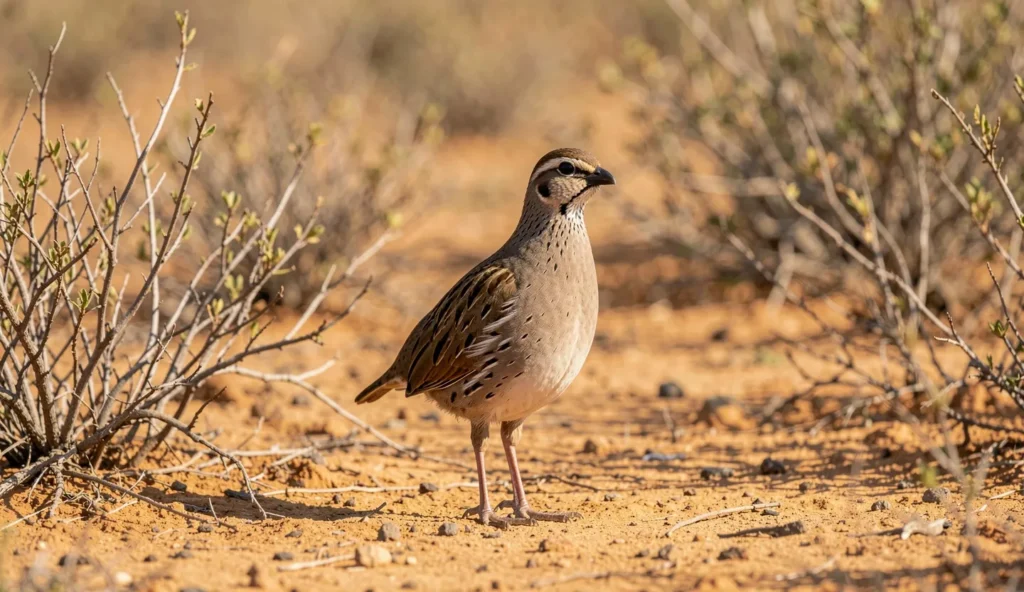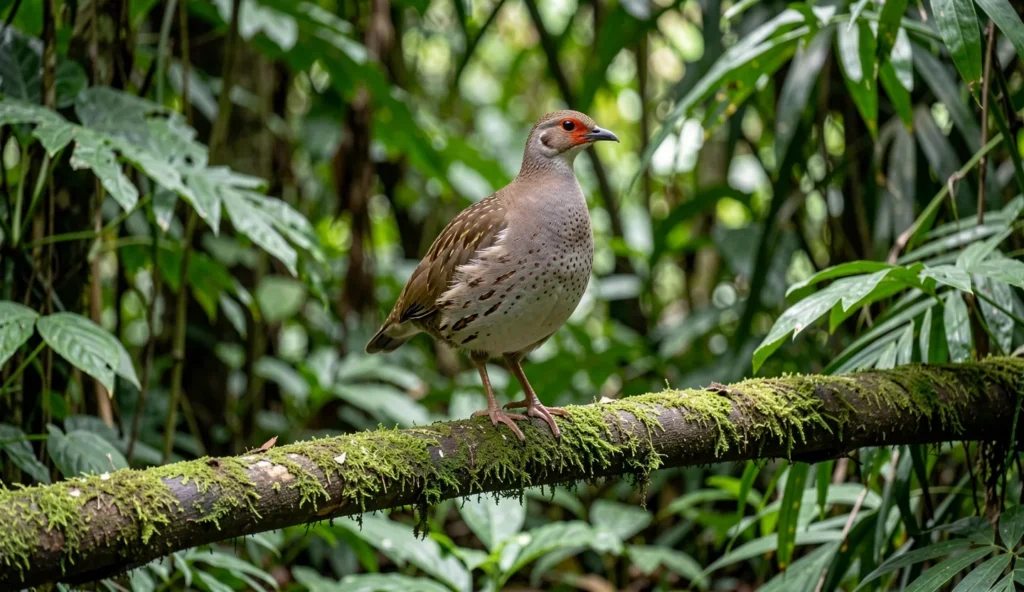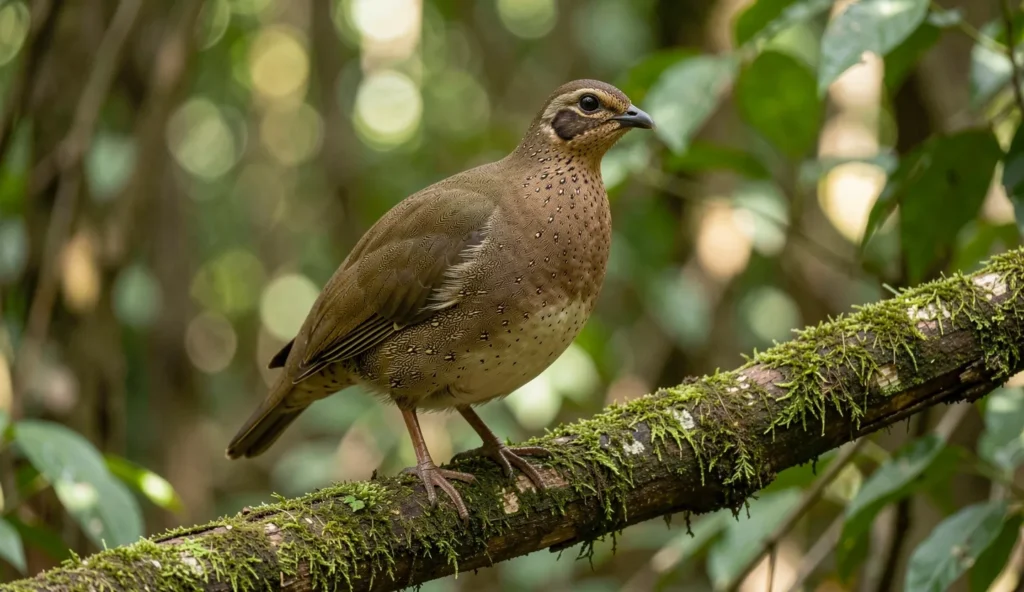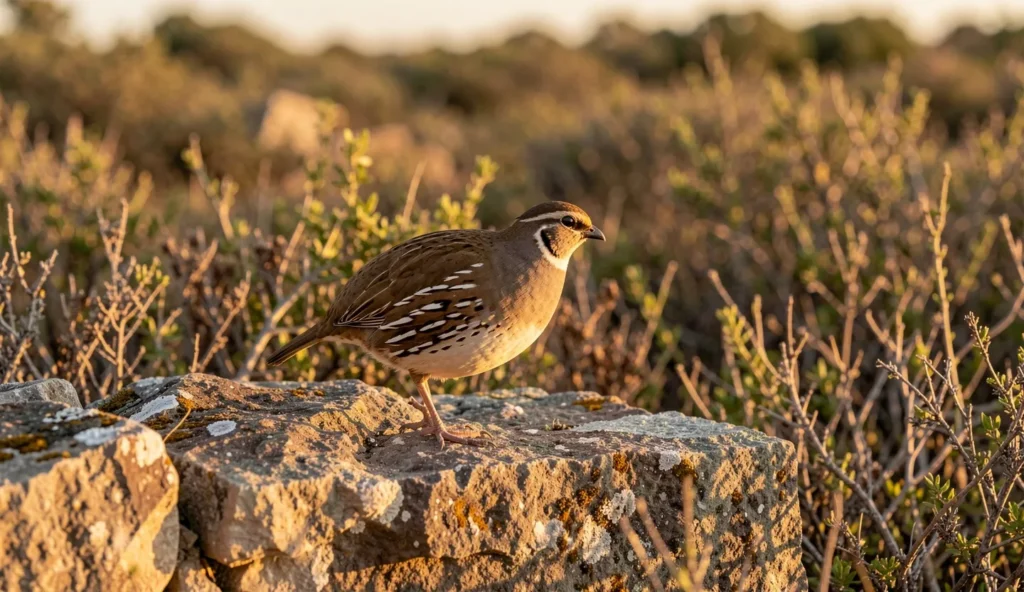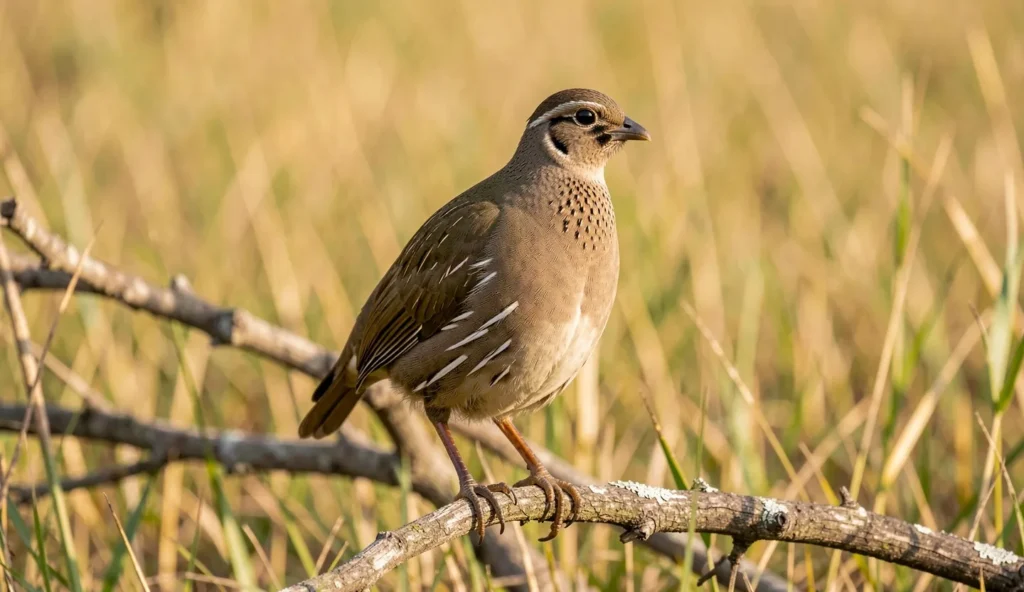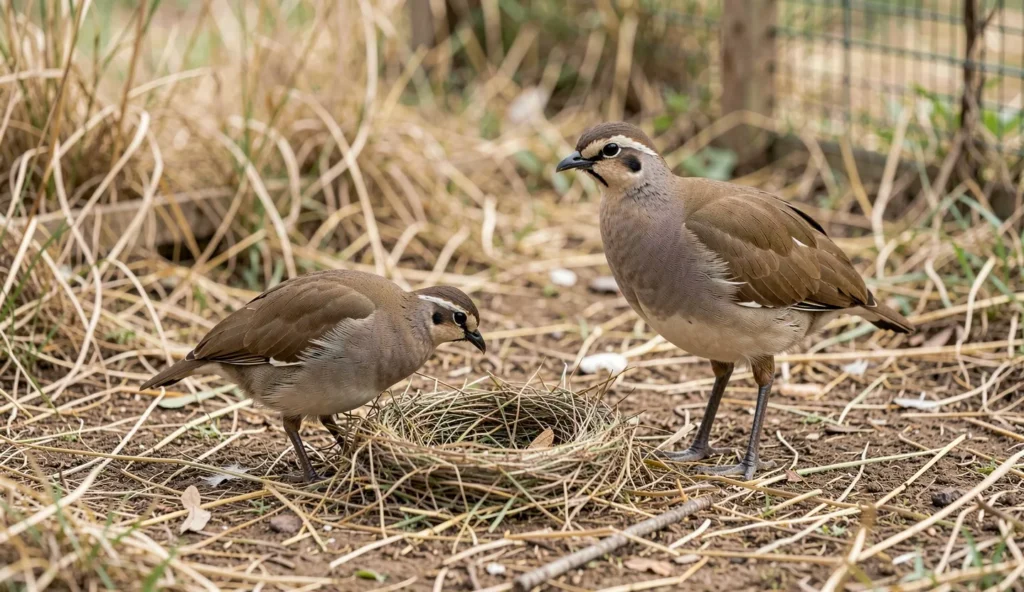
What Is The Jackson Francolin Breeding Season Timing?
The Jackson Francolin breeding season typically aligns with spring conditions in many regions, which helps pairs start courtship and settle into nesting. Breeders who plan early often see more consistent egg laying and easier incubation scheduling.
During spring, daylight increases and many enclosures naturally warm up, which supports reproductive behavior. For comparison, breeders who study other ground-nesting game birds may also review approaches in Grey Francolin care to understand how seasonal cues influence calling and pairing.
When Breeding Typically Starts In Spring
Breeding often begins in spring in regions where temperatures become steadily mild. Longer daylight can trigger stronger pair bonding and more frequent courtship behaviors.
Pairs may show early signs like mounting attempts, increased calling, and more time near likely nesting corners. Preparing the enclosure before the first eggs appear reduces delays once nesting starts.
How Temperature And Daylight Affect Courtship
Stable mild temperatures support egg formation and regular laying patterns. Sudden cold snaps can reduce activity and pause pair routines for several days.
Consistent lighting helps the pair maintain breeding momentum. Major environmental changes during the peak period often cause hesitation around nesting sites.
Signs A Pair Is Ready To Nest
Ready pairs usually become more territorial around a chosen ground area. They often spend extra time near the ground and may rearrange offered nesting materials.
Many breeders also notice a behavior shift where aggression decreases toward the selected mate. If a pair repeatedly stays near one corner, that corner often becomes the preferred nest location.
How To Prepare Breeders Before Courtship Begins
Proper pre-breeding setup supports Jackson francolin breeding outcomes before courtship begins. When stress stays low and conditions stay consistent, hens tend to transition more smoothly into egg laying.
Because spring breeding relies on timing, preparation should start ahead of the first nesting behaviors. In practice, this can be tracked alongside how quickly pairs produce fertilized eggs in similar species like Black Francolin.
Housing Setup For Pair Comfort
A dedicated enclosure for each breeding pair can reduce stress and prevent territorial conflicts. Enough space also lets the birds retreat if the hen avoids the nest area temporarily.
Clean ground substrate supports natural scratching and normal yard behavior. If aggression appears between partners, separate pairs early and reassess compatibility before the next attempt.
Selecting Healthy Breeding Stock
Healthy birds tend to maintain better fertility and more reliable incubation readiness. Strong feather condition and stable body weight help indicate overall breeding fitness.
Breeders should avoid birds with respiratory signs or digestive problems. If breeding history is known, prior fertility data also helps guide Jackson francolin breeding decisions.
Nutrition For Egg Production Support
Offer a breeding-appropriate diet that supports consistent protein and energy intake. A well-fed hen typically develops eggs more smoothly and maintains better body condition during laying.
Calcium and grit can support normal digestive function and shell development as recommended by local poultry guidance. Fresh water should remain available so feeding continues at normal rhythm during nesting.
Managing Stress And Disturbance
Limit handling during courtship and nesting since frequent interruptions can interrupt natural brooding behavior. Avoid frequent enclosure cleaning while the pair is actively building or sitting.
Noise and predator risk should stay low during the nesting window. Visual cover matters too, but it should not block the nest area from monitoring and egg collection.
Best Nesting Materials For Jackson Francolin Nests
Nesting materials strongly influence whether hens start brooding reliably once francolin eggs are laid. For ground nesters, safe bedding that stays dry and easy to arrange often performs better than decorative or wet substrates.
Since nesting materials should match how birds behave on the ground, provide options the hen can pull into place. Breeders comparing habitat choices across species may also find it useful to examine how ground coverage works in Painted Francolin nesting habits.
What Nest Materials Work Best On The Ground
Provide dry materials that birds can pull and rearrange without collapsing. Soft plant matter can help hens build a shallow nest structure on the substrate.
Bedding should hold shape while staying dry enough to reduce mold and odor. Offering materials in small bundles can limit waste and prevent extra moisture from building up.
How To Place Nest Boxes Or Nesting Corners
Provide one main nesting area per pair so the hen does not switch between corners. Corners that offer cover from direct view can make the nest feel secure.
The chosen area should remain easy to monitor for egg collection. Once building begins, avoid relocating the nest, since disruption often reduces laying consistency and brooding steadiness.
Common Nesting Mistakes That Reduce Egg Laying
Wet bedding, dusty surfaces, and moldy materials can interfere with normal nesting behavior. Too much disturbance also prevents the hen from settling into consistent sitting routines.
If cover is insufficient, the pair may spend more time alert than nesting. Removing materials too early can interrupt building, which delays the point when eggs are laid and protected.
Biosecurity For Nesting Supplies
Store nesting materials dry and keep them off the floor to reduce contamination risk. Replace bedding between breeding cycles whenever practical to limit pest carryover.
Inspect materials for pests, debris, and contamination before offering them. Feeding and water points should also be cleaned regularly so Jackson francolin breeding stays focused on egg production rather than hygiene problems.
Egg Care After Laying And Before Incubation
Egg care after laying protects fertility and supports stable incubation outcomes. During Jackson francolin breeding, careful timing and gentle handling reduce avoidable losses before incubation begins.
In many cases, the biggest risks come from chilling and shell damage. Those risks can also resemble issues seen in other ground-nesting birds, including secretive species like Swamp Francolin where nest access can be difficult.
When To Collect Eggs And How Often
Collect eggs promptly to reduce chilling and limit exposure to contamination. Nest checks should happen at consistent intervals during active laying days.
Avoid constant nest interruptions, since repeated disturbance can lower brooding willingness. If the hen is broody and accepts the nest, leaving eggs with her may improve hatch timing.
How To Store Eggs Before Incubation
Store eggs in a stable, clean environment so development begins at a planned time. Keeping temperature moderate helps slow development and supports predictable incubation starts.
Handle eggs carefully and label them by date to track planning. Eggs should be stored in a way that prevents unnecessary turning or impacts that could crack the shell.
Handling Tips To Prevent Shell Damage
Wash hands before touching eggs to reduce contamination, and use clean gloves if available. Avoid dropping eggs or performing rough rotations during collection.
Do not use strong force when moving eggs between containers. Discard eggs with cracks or heavy stains since these often fail during incubation and can contaminate trays.
Candling For Fertility And Early Losses
Candling helps breeders identify fertilized eggs and remove early non-viable francolin eggs. Once incubation starts, follow a consistent candling schedule rather than testing at random times.
Remove eggs that show no development when confirmed. Recording candling results supports adjustments to nutrition, pair selection, egg collection timing, and incubation setup for the next cycle.
Incubation Setup And Temperature Humidity Targets
Incubation setup drives the most controllable part of hatching success. Breeders improve outcomes when temperature, humidity, and turning are managed as stable variables during incubation.
Because equipment performance varies, settings should be calibrated before the first incubation run. This helps reduce uncertainty when managing incubation and supports reliable Jackson francolin breeding timelines.
Choosing Broody Hens Or An Incubator
Broody incubation depends on whether the hen stays on the nest and accepts the sitting routine. Some pairs reliably brood, while others need a controlled approach for consistency.
Incubators provide controlled conditions that help maintain timing accuracy. Select a method that matches the breeder setup and avoid switching mid-cycle unless a serious failure risk appears.
Temperature Control For Development
Maintain stable temperature throughout incubation and avoid frequent interruptions. Incubator door opening often causes temperature swings that can slow or disrupt development.
Calibrate equipment periodically and verify accuracy with trusted methods. Place the incubator away from drafts and direct heat sources to prevent fluctuations.
Humidity And Ventilation During Incubation
Control humidity to support normal egg weight loss and healthy embryo development. Adequate ventilation supports gas exchange and reduces the risk of stagnant air conditions.
Adjust humidity gradually rather than making large step changes. Monitor water trays regularly and keep them clean to prevent bacterial buildup during incubation.
Turning Schedules And Egg Placement
Use a turning schedule if using a turning-incubator system. Egg turning helps distribute development evenly unless the incubator method specifies otherwise.
Place eggs securely to prevent rolling inside trays. Stop turning when approaching the final hatching period so embryos align for the hatch window.
Troubleshooting Breeding Problems And Improving Hatch Rate
When hatch rates dip, breeders often need to treat Jackson francolin breeding as a system rather than a single variable. Fertility, egg care, and incubation conditions interact, so troubleshooting should follow a logical order.
Rather than guessing, review what changed during the lead-up to laying and during incubation. Patterns across cycles usually reveal the specific problem more reliably than random adjustments.
Low Fertility And Empty Eggs
Low fertility can reflect pair compatibility issues or stress during courtship. It can also happen when nutrition quality drops before egg formation.
Breeders should confirm egg collection timing and storage stability. Male condition and overall flock health also matter because they directly affect mating quality and fertilization.
Cracked Eggs And High Early Losses
Cracked eggs often signal handling issues or nesting substrate problems that do not cushion the egg. Softer nesting substrate and smoother egg collection reduce mechanical damage.
Minimize handling and prevent sudden temperature swings. Inspect nest areas for rough surfaces or sharp debris, and remove damaged eggs promptly from incubation trays.
Humidity Swings And Abnormal Development
Humidity swings can cause abnormal development and reduce hatch timing. Consistent water levels, clean trays, and stable incubator conditions support reliable outcomes.
Verify sensor accuracy and calibrate incubator equipment. Tracking incubation conditions across cycles helps link humidity patterns to changes in hatching success.
Hatching Difficulties Near Lockdown
Near lockdown, humidity often needs careful control to prevent excessive drying. Intervention should stay minimal, since unnecessary changes can disturb the final developmental stage.
Keep the newborn care environment stable once chicks hatch. Recording hatch timing and outcomes supports planning for incubation adjustments in the next season.
Frequently Asked Questions
When Is The Best Time To Start Jackson Francolin Breeding Preparation?
Begin spring preparations before the first courtship signs appear.
What Nesting Materials Help Jackson Francolin Build A Reliable Nest?
Offer dry, soft plant bedding that birds can pull and arrange.
How Should Jackson Francolin Eggs Be Stored Before Incubation?
Store clean eggs in a stable environment and label by date.
What Incubation Factors Most Affect Jackson Francolin Hatching Success?
Maintain stable temperature, correct humidity, and consistent turning.
Should Eggs Stay With The Hen Or Move To An Incubator?
Use broody incubation if the hen accepts reliably, otherwise use incubators for control.
How Can Low Fertility In Jackson Francolin Breeding Be Investigated?
Review pair selection, stress level, and egg collection and storage timing.
A Practical Way To Stay Consistent During The Breeding Season
Jackson Francolin breeding goes smoother when spring timing, nesting materials, egg care, and incubation targets stay consistent. With careful monitoring, the process becomes more predictable across cycles.