What Is the Orange River Francolin and Why Enclosure Space Matters
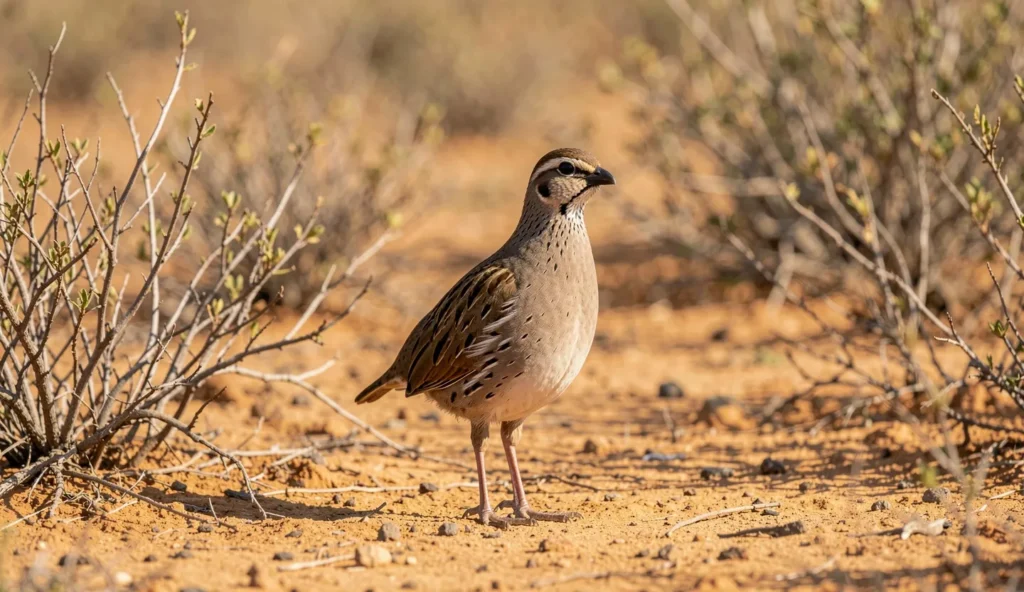
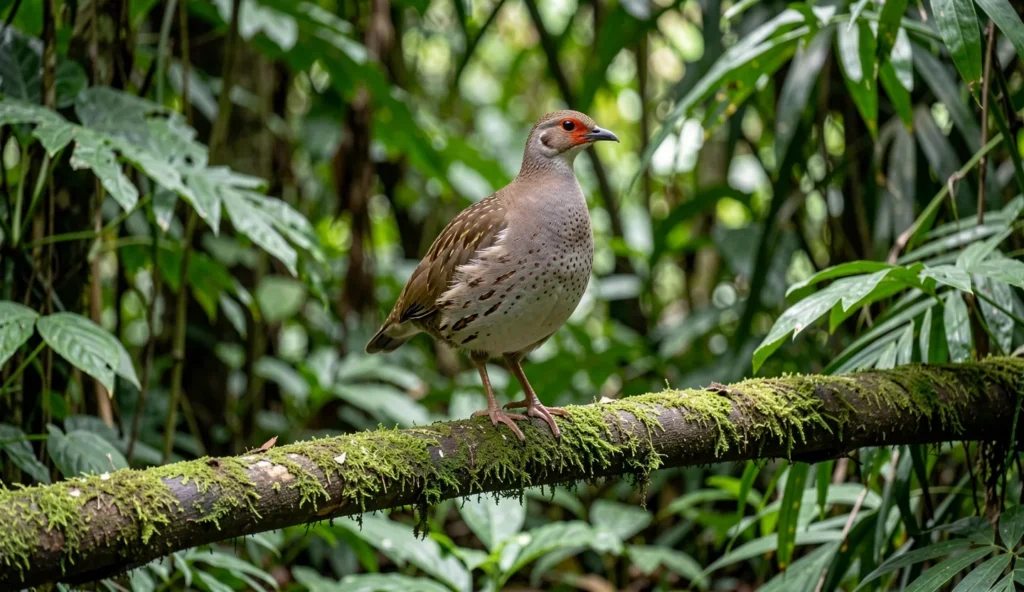
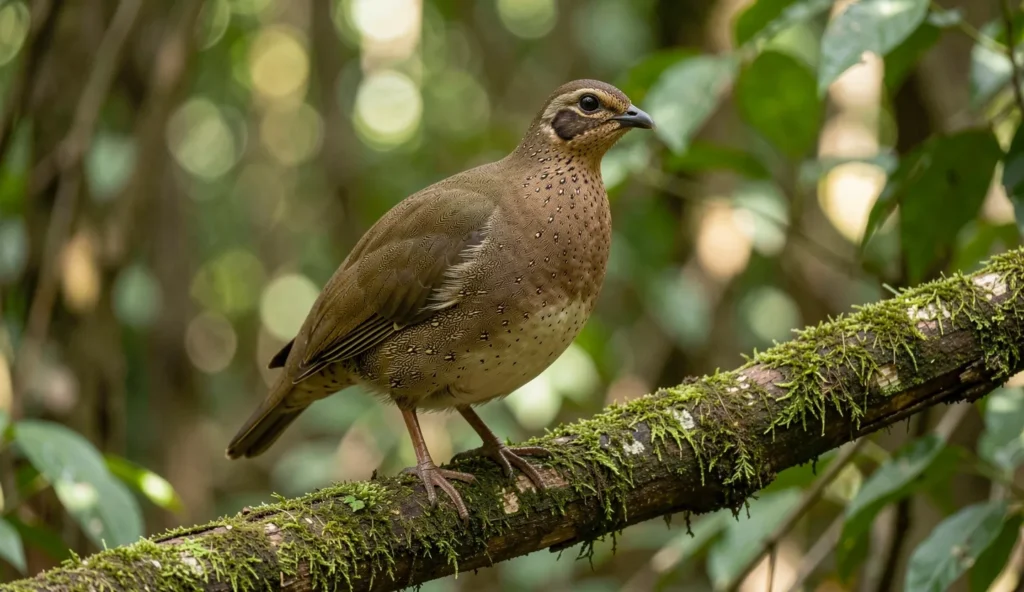
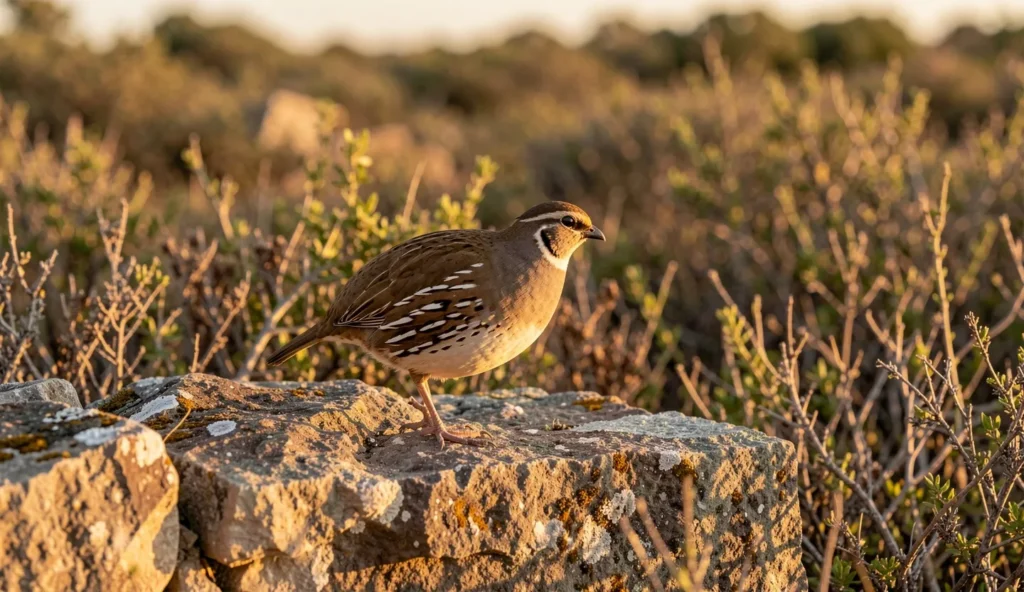
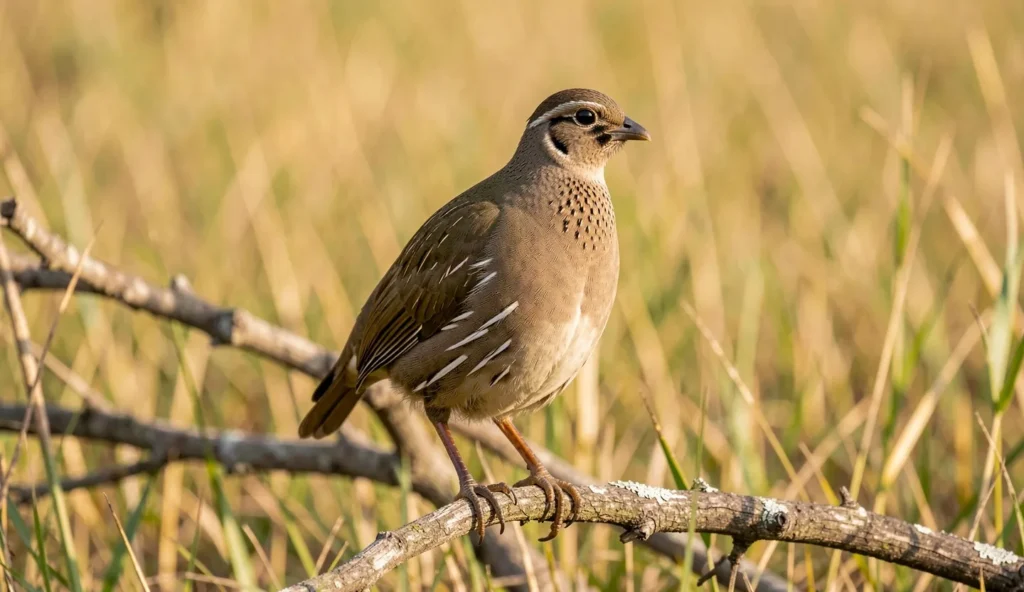
The Orange River Francolin is a ground-dwelling bird from southern Africa that relies on safe running space and natural foraging areas. Because it rarely depends on high perches, enclosure planning should prioritize ground movement, not vertical space.
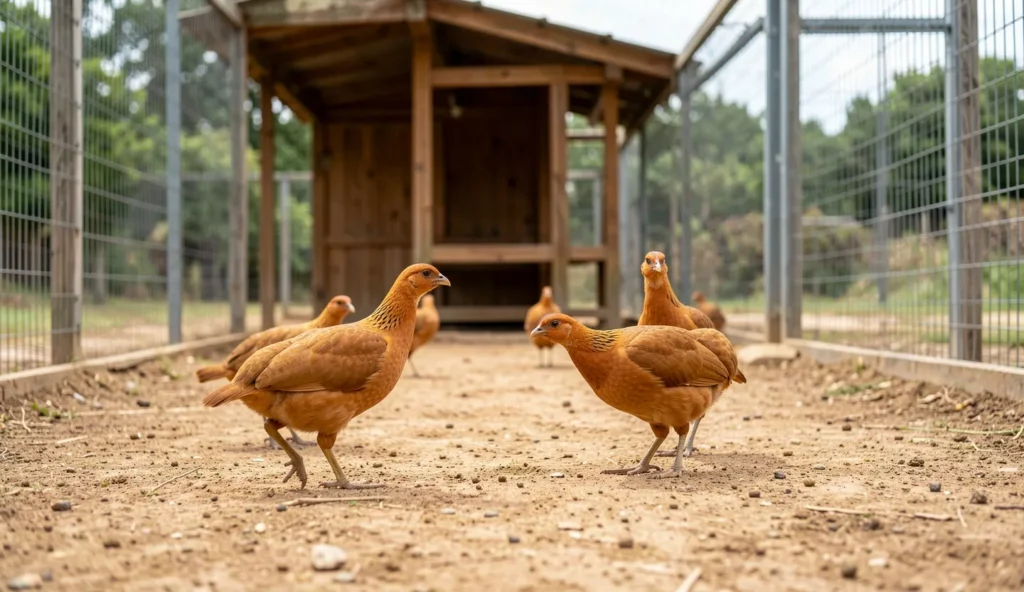
Captive systems work best when an Orange River francolin cage feels like a controlled outdoor range. With the right layout, daily monitoring becomes easier while stress stays lower.
Native Range and Natural Behavior
The Orange River Francolin originates in southern Africa and adapts to life on the ground. It uses running and quick bursts of movement rather than perching.
Foraging and walking through cover take up much of the day. When enclosure design ignores that pattern, birds often show restlessness or crowd around limited areas.
Key Trait That Shapes Housing Requirements
The main trait that shapes francolin enclosure design is a strong preference for open ground with safe shelter options. A spacious enclosure helps reduce stress by letting birds spread out naturally.
Movement-based housing also supports healthier contact points. This matters because ground use affects leg comfort, foot health, and daily activity.
Goals of a Good Enclosure Setup
A well-built enclosure should promote movement and natural foraging while limiting injury risk. It should also make cleaning and health checks practical for aviculturists managing daily husbandry.
With clear zones and safe access routes, routine tasks stay consistent. Over time, that consistency supports steadier conditions and fewer enclosure-related problems.
How To Choose the Right Size for a Spacious Enclosure
Size planning should focus on running lanes and ground footprint, not just the total volume. For an aviary setup, it helps to design around how birds move across the enclosure.
A smaller footprint often forces constant crowding and chasing. That risk increases when food and water sit too close together.
Minimum Space Planning for Group Housing
When housing a group, the layout should avoid cramped corners where birds can’t escape. Instead, the plan should provide multiple ground areas that support spacing.
Designing around running lanes reduces bottlenecks. This approach also supports calmer social behavior during feeding times.
Recommended Layout Features for Running and Foraging
Long open ground zones allow running and quick repositioning. Scattered cover points can support short retreats and reduce stress during minor disturbances.
At least one sheltered area should sit away from drafts. Shelter placement must also prevent birds from blocking access to the rest of the enclosure.
Height Targets That Match Ground-Dwelling Needs
Height usually matters less than ground footprint for Orange River francolin cage planning. If perches appear necessary, use modest perch zones that birds can reach safely.
Ventilation can still benefit from taller rooflines. Even then, the key is keeping the floor usable for walking and foraging.
Aviary Setup Essentials for Safe Flooring and Shelter
Flooring and shelter choices strongly influence comfort and long-term health. For a ground-dwelling bird aviary, safe footing and dry retreats prevent many avoidable problems.
Each element should work together so birds can move freely and return to shelter without hazards.
Flooring Options That Support Natural Ground Use
Safe flooring supports walking and allows routine cleaning. Substrates should support dusting and safe contact with the ground for daily foraging.
Slick surfaces increase slipping risk and can create leg strain. If flooring cannot stay dry, health issues often follow.
Shelter Areas and Weather Protection
A covered retreat protects birds from heat and cold and helps them avoid heavy rain. Shelter should sit so access stays open rather than funneled through a narrow entry.
Airflow inside the shelter prevents damp bedding. Dry bedding also reduces the chance of skin irritation that can form from wet contact.
Cover and Retreat Points Without Creating Traps
Vegetation or brush cover can create natural-seeming sections for rest and quick retreat. However, cover must not block escape routes or trap weaker birds.
Clear lines to water and feed stations matter for day-to-day stability. If access points become crowded, waste increases and contamination follows.
Perches and Roosting Considerations
Low, stable perches can support comfort if birds use them. High perches often encourage risky jumps that can lead to foot or wing injuries.
Perches should sit near shelter but still keep the ground usable. That balance helps birds remain active while still having a safe option for resting.
Ventilation, Lighting, and Predator Proofing for Outdoor Runs
Outdoor francolin housing requires breathable construction and secure boundaries. A properly planned run supports daily care and reduces dampness that drives respiratory problems.
Security planning also protects birds from predators that can dig or press through weak points.
Airflow Planning to Prevent Damp Conditions
Design steady airflow across the enclosure length to avoid stagnant pockets. Damp corners often develop when water sheds poorly or airflow stays blocked.
Drainage and shelter dryness work together. When rainwater can move away and bedding stays dry, health risks drop.
Lighting and Daylight Exposure
Natural daylight helps support normal routines where possible. Avoid fully enclosed areas with poor air exchange because that approach can trap moisture.
Roof coverage can reduce heat stress while still allowing airflow. That balance supports comfort during hot periods without creating damp zones.
Predator Proof Construction Details
Secure wire mesh spacing should match local risk levels and prevent entry attempts. Door latches must lock fully, and all access points should be checked before daily work.
Where local predators dig, bury fencing along the perimeter. This simple design step strengthens the entire spacious enclosure system.
Placement of Feed, Water, and Cleaning Tools in the Cage or Aviary
Feeding and watering placement affects waste, crowding, and overall hygiene. Proper planning also improves the speed of enclosure cleaning, which benefits aviculturists managing multiple tasks daily.
An enclosure should support smooth movement for birds and fast access for people.
Feeding Stations That Minimize Waste
Feeders should sit away from water splashes to prevent wet feed from sticking to the ground. Containers that resist spillage reduce contamination and lower pest attraction.
Distribute feeding points when group housing is used. That spacing reduces crowding around one area and limits chasing behavior.
For more ground-game strategies, comparing another francolin species can help refine thinking, such as Black Francolin enclosure routines. Many keepers emphasize ground access and waste control for similar foraging patterns.
Water Setup for Easy Refills and Hygiene
Waterers must stay stable so birds cannot tip them easily. Locating water where it stays shaded helps prevent algae growth and supports cleaner drinking.
Daily water checks prevent contamination from droppings and spilled feed. When water quality stays steady, many health issues become less likely.
Cleaning Flow for Daily and Weekly Maintenance
Cleaning access should allow fast spot-cleaning without entering unsafe zones. Tools work best when stored outside the active bird area to reduce disturbance.
Removable trays or sections can speed up weekly deep cleaning. This system keeps the enclosure dry and helps track changes that might signal illness early.
Some keepers also expand planning by reviewing Swamp Francolin housing concepts for humidity-sensitive setups. Although conditions differ, clean-flow thinking transfers well to keeping routines.
Common Health Issues Linked to Poor Enclosure Design and How To Prevent Them
Enclosure problems often show up as health problems, especially when ground conditions or airflow suffer. A well-built francolin enclosure design reduces stress and supports stable daily comfort.
Preventive enclosure choices can be more effective than treatment after symptoms start.
Foot and Leg Stress From Unsafe Ground Conditions
Slippery floors increase leg strain and can contribute to injuries. Wet bedding can also irritate skin, which then leads to discomfort and reduced movement.
Safe, dry ground supports better contact points and steadier activity. When birds can walk without slipping, normal foraging resumes faster.
Respiratory Problems From Damp or Poor Air Exchange
Stagnant damp areas raise respiratory risk. Shelter without ventilation can trap moisture, which increases harmful exposure for birds housed indoors or under partial cover.
Consistent airflow supports healthier breathing patterns. When dampness drops, respiratory issues often become less frequent.
Parasites and Waste Build Up
Uneven cleaning schedules allow parasite load to rise. Spilled feed attracts pests and increases contamination, which then adds more exposure through droppings and debris.
Regular cleaning combined with waste control lowers risk. With predictable routines, aviculturists can also spot early changes in appetite or droppings.
Birds with similar ground habits can offer useful parallels, including how Painted Francolin keepers often manage hygiene around feeders. The enclosure lesson stays consistent even when diets and patterns differ.
Injury Risk From Bad Layout Choices
Sharp edges and poorly secured barriers can cause cuts or bruising during bursts of running. Tight corners can also contribute to chasing-related injuries when birds feel crowded.
Smooth, secure construction reduces hazards and helps birds move with confidence. When barriers do not pinch movement, the enclosure becomes safer overall.
Is the Orange River Francolin Right for Your Setup
The Orange River Francolin fits best when a keeper can provide meaningful ground space and consistent husbandry. It works well for systems designed for walking and foraging rather than perching.
Before finalizing, the enclosure should be checked for predator security, shelter dryness, and cleaning access.
Best Fit for Aviculturists With Large Running Space
This species suits aviculturists with the capacity to build or maintain a spacious enclosure. Ground-running birds need room to spread out and avoid constant stress from crowding.
Planning must also account for daily cleaning and weather-related shelter management. When routines remain manageable, long-term keeping stays more stable.
Check Readiness Before Finalizing an Aviary Setup
Readiness depends on whether the enclosure layout supports movement, retreat, and safe water access. Shelter must protect from drafts and damp conditions to keep the floor usable.
Feeding, watering, and cleaning routines should be planned in advance so they can be done consistently. For aviculturists, steady routines often matter more than any single device.
Comparing habitat requirements can also help when planning mixed ground-game species, including Grey Francolin housing guidance. Even when specifics change, enclosure spacing logic stays useful.
Starter Checklist for an Orange River Francolin Enclosure
A pre-building checklist helps prevent common mistakes during Orange River francolin cage setup. Use this list to confirm that the enclosure design supports daily care and safe movement.
- Spacious enclosure designed for ground running and foraging
- Safe flooring that stays dry and supports walking
- Covered shelter with airflow and dry bedding
- Secure mesh spacing and predator proof door hardware
- Low, stable roosting options only if birds use them
- Feeders placed away from water splash zones
- Waterers placed to prevent tipping and contamination
- Access designed for fast spot cleaning without bottlenecks
When each item works together, the enclosure becomes more predictable and easier to maintain. That reliability supports healthier routines for the birds in captivity.
Frequently Asked Questions
How large should an Orange River francolin enclosure be for running space?
Provide a long ground footprint built for running, not just total height.
What Is the Safest Flooring for an Orange River francolin cage setup?
Use non slick flooring that supports walking and stays dry with routine cleaning.
Do Orange River francolins need shelter inside the aviary?
Yes, include a covered retreat that protects from weather and stays dry.
How can predators be kept out of an outdoor francolin enclosure?
Use properly sized mesh, secure locks, and add buried fencing where digging occurs.
Why does enclosure dampness increase health problems for francolins?
Damp, poorly ventilated areas can raise respiratory risk and skin irritation.
Final Note on Enclosure Design for Long Term Keeping
A functional aviary setup supports daily movement, stable hygiene, and weather-protected retreats. When enclosure space and safety work together, keeping stays more consistent over time.