What Is A Cornish Rex Cat?
The Cornish Rex breed is a shorthaired cat known for a curly, wavy coat and a lively personality. Originating in Cornwall, England, the breed stands out with a genetic coat mutation that changes hair texture. Many people choose a Cornish Rex to enjoy an active companion with a coat that can feel less allergenic for some households.
Because the breed tends to stay social, it often fits families that can provide daily interaction. At the same time, curly coat cat care requires gentle grooming and close attention to skin comfort. For owners comparing different breeds, the American Bobtail cat can also be a useful reference point for tail and coat expectations.
Origin And Breed Background
The Cornish Rex developed in Cornwall, England in the mid 20th century. Breeders selected cats carrying the naturally curly coat trait, then expanded the line with careful breeding programs. Over time, organizations recognized the breed as part of the curly coat cat group.
The coat comes from a genetic mutation that alters hair growth patterns. As a result, the fur looks wavier than typical short hair and feels softer to many touch preferences. Breed standards emphasize a sleek look that matches the lean body structure.
Key Traits At A Glance
- Short wavy coat with visible curls along the body
- Lean, flexible body and long legs
- High activity level and strong curiosity
- Often affectionate with people and routine based interaction
- Frequently described as a social, interactive house cat
These traits help explain why the Cornish Rex breed often attracts cat owners who want movement and engagement. They also clarify why daily play and consistent handling improve comfort. When routine matches the cat’s needs, the household usually feels more balanced.
Appearance And Physical Features
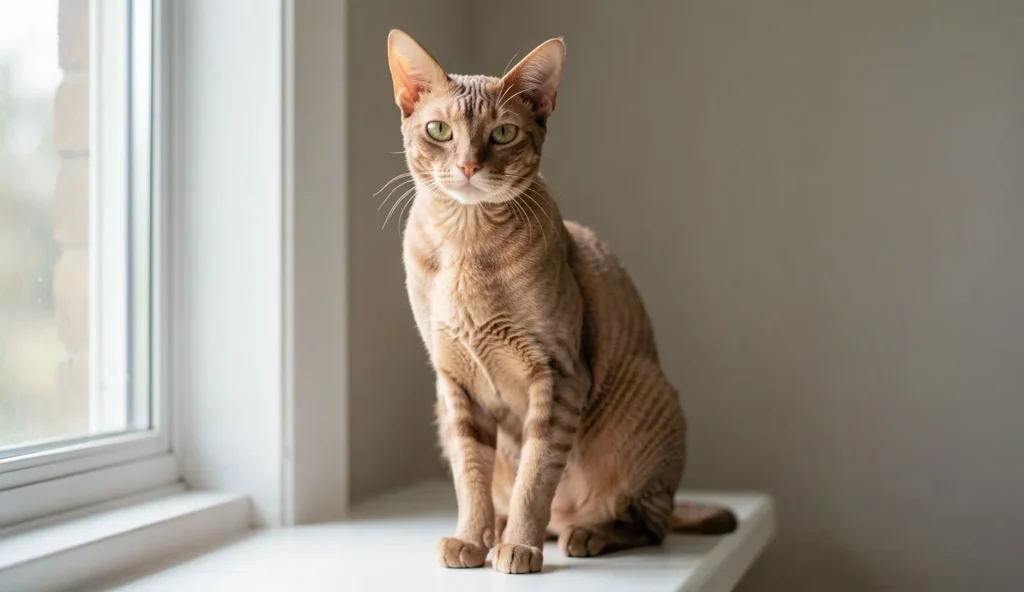
The Cornish Rex cat looks distinctive even from a distance because the coat forms consistent waves. The overall build also feels different, with a slim frame and a graceful stance. Owners who know what to look for can quickly tell this breed apart from most other shorthaired cats.
Coat texture, body proportions, and head features all work together. That combination supports both identification and care planning, especially for wavy coat grooming. It also helps owners notice early skin changes before they become severe.
Coat Type And What Makes It Wavy
The Cornish Rex coat is fine and forms waves and curls rather than standing upright. Many cats show curls along the torso, while the legs and face often look more textured than you might expect. Because the hair layers are not thick, the skin can show more than on some dense coated breeds.
Many people describe the coat feel as softer than typical short hair. Still, coat density can vary with age and genetics, so two cats can look slightly different. That variation is normal within the breed.
Body Shape, Head, And Tail
Cornish Rex cats usually have a slim, athletic body with long legs and an agile stance. The head often appears slightly wedge shaped, with large ears that sit high on the skull. This ear and head shape contributes to the alert look many owners notice first.
The tail typically tapers and matches the lean build. Because the body stays flexible, the cat often explores vertical spaces and quick surfaces. Owners can expect strong jumping ability, even in smaller rooms.
Common Color Patterns
Coat colors range across solids and tabby patterns. Spotting and shading may show through the wavy hair, especially where the coat is lighter or thinner. Color variety does not mean poor coat health.
Instead, the waves can make patterns look softer or more blended. That effect can increase the difficulty of judging coat condition at first glance. Regular observation and gentle handling help owners notice real skin issues.
Cornish Rex Temperament And Personality
Cornish Rex temperament typically includes curiosity, social engagement, and frequent interest in household activity. Many cats enjoy exploring new spaces and following routines. With consistent attention, the breed often becomes a strong companion in day to day life.
Energy also plays a big role. Because this is a high energy cat, boredom can appear as restlessness or repeated “request” behavior. Scheduled play and enrichment usually reduce those patterns.
Typical Temperament For Most Cornish Rex Cats
Most Cornish Rex cats show curiosity and a tendency to explore. Many also build affection with people who handle them regularly and keep a stable schedule. The cat may sit nearby during quiet moments and then engage again when play starts.
Some cats become especially interactive with family members who provide daily contact. Routine matters, since predictable feeding and play often reduce stress. Gentle handling also supports a calmer experience during grooming.
Energy Level And Daily Activity Needs
Energy levels tend to run higher than many household cats. The Cornish Rex breed often benefits from multiple short play sessions each day rather than a single long session. This approach helps match quick bursts of activity.
Without outlets, the cat may seek entertainment through furniture climbing, object chasing, or attention seeking. When playtime connects with predictable times, the cat usually settles more easily. That pattern also helps owners manage behavior in shared spaces.
Social Needs With Other Pets And Children
Many Cornish Rex cats adapt well with patient introductions. Slow exposure to other pets can support safer first interactions and reduce sudden stress. Supervision helps during early meetings, especially around small pets.
In households with older children, active participation can work well. The cat often responds best to calm handling and interactive play. Still, initial boundaries often make the difference when other animals live nearby.
Exercise Requirements And Enrichment
Exercise and enrichment should match the Cornish Rex’s quick, curious nature. A high energy curly coat cat generally needs both physical movement and mental tasks. When enrichment stays consistent, the cat often looks healthier and behaves more predictably.
It helps to think in short sessions. Rotating activities also prevents boredom and supports a stronger bond with the owner. Many enrichment choices work for hypoallergenic cats as well, since they focus on interaction rather than coat products.
Play Schedule That Fits Most Homes
- Use two to four short play sessions daily
- Schedule play before meals when possible
- Rotate toys every few days
- End sessions before the cat becomes overly frustrated
- Include brief recovery time between bursts
This schedule structure often supports consistent behavior. As energy burns off in planned bursts, nighttime rest usually improves. Some owners also find that a calm routine after play reduces begging or pacing.
Toys That Support Both Solo And Interactive Fun
Wand toys often work well when they support safe, supervised play. Featherless alternatives help reduce swallowing risks if a toy breaks or sheds parts. Small rolling toys can also support solo chase sessions.
Puzzle feeders add mental stimulation and slow down fast eaters. That combination can reduce boredom when the household stays quiet. For a cat that follows routines closely, timed puzzles may feel especially familiar.
Climbing And Vertical Space That Encourages Healthy Habits
Cat shelves, tall scratching posts, and secure window perches support natural climbing and scouting behaviors. Vertical space reduces frustration because the cat can choose where to rest and observe. A clear route to each perch also matters, since the Cornish Rex can move quickly.
Rotate perches occasionally to prevent routine boredom. Even small changes in placement can keep interest active. When vertical options stay available, destructive behaviors often decline.
Training Methods That Work For This Breed
Training works best for this breed because the Cornish Rex often engages quickly and learns through positive attention. The goal should stay simple and safe, focusing on litter, recall, and stress-free handling. With short sessions and consistent rewards, basic skills can become routine.
Training also supports grooming and vet visits. When the cat expects calm handling and gentle guidance, wavy coat grooming becomes easier. It can also reduce stress around new objects and changing schedules.
Litter Box Setup And Placement Tips
- Use a low entry box for easier access
- Place boxes in quiet, consistent locations
- Keep one box per cat plus one extra
- Avoid loud appliances near litter boxes
- Choose unscented litter if skin sensitivity appears
A reliable litter area reduces accidents and supports consistent elimination habits. This is especially useful for high energy cat behavior, since quick movement can increase missed box moments. Regular scooping also keeps odors from building up in smaller homes.
Basic Commands And Clicker Training
Short sessions with frequent rewards help the cat connect training to positive outcomes. Clicker training can work well when the timing stays consistent and the reward happens immediately after the correct action. Keep sessions brief to avoid overstimulation.
Teach recall first in a safe enclosed area. Once the cat responds reliably, expand training to more distractions. Consistency matters more than long sessions, because the breed can stay alert and easily distracted.
Leash Training Safety Basics
Leash training can help some Cornish Rex cats experience safe outdoor views. A properly fitted cat harness supports better control and comfort. Begin indoors first so the cat can accept the gear without outdoor stress.
When moving outside, increase time gradually and monitor body language. Watch for signs of fear such as hiding or sudden freezing. If stress appears, shorten the session and try again later.
Grooming Care Tips For A Curly Coat Cat
Grooming care for the curly coat cat focuses on gentle maintenance and skin health. The Cornish Rex coat can break or fray if brushing becomes too aggressive. Because the coat lies close to the body, skin checks should happen regularly.
Good routines also protect comfort during warm or dry seasons. Many owners who manage Cornish Rex care successfully keep grooming consistent but not excessive. Over time, the cat often tolerates grooming better with steady handling.
How To Brush Without Damaging The Wavy Coat
- Use a soft brush or appropriate grooming glove
- Brush lightly and follow the direction of the waves
- Avoid pulling on curls, especially during shedding
- Keep sessions short if the cat becomes tense
- Watch the skin for dryness or redness
Many owners find that brushing about once a week works for most coats. If the cat develops dryness or tangling, brush frequency can change slightly. Even then, gentle technique matters more than duration.
Bathing And Coat Oil Management
Most cats do not need frequent bathing. Still, some cats develop oil buildup or odor if the coat and skin retain moisture. If bathing becomes necessary, use a cat safe shampoo and lukewarm water.
Dry the cat thoroughly after washing to maintain comfort. Damp fur can feel cool and may irritate sensitive skin. A calm drying routine also reduces grooming stress later.
Skin, Ear, And Nail Routine
- Check skin for flaking, redness, or itchy patches
- Clean ears with vet approved products
- Trim nails regularly to prevent scratches and injury
- Look for ear odor or excessive wax buildup
- Seek help if skin problems return quickly
Skin monitoring supports early prevention. Since the breed can show thin coat coverage in some areas, irritation may show up sooner than on thicker coated cats. Nail maintenance protects furniture and reduces accidental scratches during play.
Diet And Nutrition For Cornish Rex Cats
Diet and nutrition support the Cornish Rex’s lean, active build and fast daily movement. Because the Cornish Rex breed often stays busy, energy needs usually remain moderate to high. A balanced diet helps maintain coat condition, muscle tone, and overall body weight.
Choosing a nutritionally complete food simplifies daily feeding decisions. Portion control also matters, since high energy does not automatically prevent weight gain. Monitoring body condition helps fine tune amounts over time.
Choosing A Complete And Balanced Food
- Select a food matched to the cat’s life stage
- Prioritize high quality protein sources
- Read labels for complete and balanced nutrition
- Introduce new foods gradually over multiple days
- Store food properly to prevent freshness loss
When protein stays consistent, muscle support and satiety often improve. Wet and dry foods can both work, as long as daily totals remain balanced. For owners comparing feeding approaches, the American Bobtail cat profile can provide ideas about life stage food planning.
Portioning For A Lean, Active Build
Portion control should start with measured amounts rather than free feeding. Body condition scoring helps track whether the cat stays lean or begins to gain. Adjusting portions based on weight trends prevents sudden changes.
Since the breed stays active, appetite can sometimes look larger than expected. Still, measured feedings keep routine predictable and reduce stomach upset. Monthly checks make it easier to spot shifts early.
Hydration And Wet Food Benefits
- Offer wet food to support hydration
- Place fresh water in more than one location
- Use clean bowls and refresh water daily
- Avoid frequent treats that displace balanced intake
- Monitor stool consistency for signs of dehydration
Hydration supports urinary health and overall comfort. Some cats prefer water sources that move, but bowls also work if they stay clean. When wet food fits the household routine, many owners find it improves water intake naturally.
Common Health Issues And What To Watch For
Cornish Rex health care should include routine observation and proactive vet support. The breed can show sensitivity related to coat genetics and skin comfort. While not every Cornish Rex cat experiences the same problems, early detection reduces complications.
Pay attention to changes in appetite, weight, skin appearance, and litter behavior. Those signs often appear before more serious illness becomes obvious. Preventive care also matters, since many issues connect to general cat health.
General Breed Sensitive Areas
- Some lines may show skin sensitivity tied to coat traits
- Dental health affects comfort and overall wellbeing
- Weight changes may reflect activity shifts
- Warmth needs can increase if the coat feels less insulating
- Stress can affect eating and litter patterns
Warmth needs often surprise new owners. Since coat coverage can look thinner, some cats benefit from comfortable indoor temperatures. That does not replace veterinary care if symptoms appear, but it supports daily comfort.
Skin And Coat Problems To Monitor
- Patchy thinning or severe flaking
- Redness, itching, or recurring irritation
- Crusting or scabs that return after fading
- Hair breakage that seems more than normal shedding
- Self grooming that leads to bald spots
If skin symptoms persist, a vet evaluation helps identify triggers such as mites, allergies, or dermatitis. Many owners try grooming changes first, but persistent signs need professional checks. Quick action often prevents chronic discomfort.
Other Common Issues In Cats That Still Matter
- Keep parasite prevention current for indoor and outdoor exposure
- Maintain vaccination and routine wellness exams
- Watch urinary signs such as straining or frequent attempts
- Track appetite changes and sudden lethargy
- Seek care for vomiting or prolonged diarrhea
Urinary issues can appear as behavioral changes, so litter box monitoring matters. Even if the cat stays active, discomfort can reduce normal movement patterns. When owners stay attentive, common problems can be treated earlier.
Breeding Basics And Genetic Considerations
Breeding decisions affect coat quality, temperament, and long term health. For the Cornish Rex breed, coat traits depend heavily on genetics. Responsible breeding also prioritizes broader wellbeing, since a curly coat should not come at the cost of health.
Health testing and documentation support stronger selection practices. When possible, buyers should request records and observe how cats behave in home like settings.
Why Responsible Breeding Matters For Coat Traits
- Coat texture depends on genetic factors
- Quality breeding selects for health and temperament
- Ask for health documentation when available
- Avoid lines with repeated skin or coat problems
- Confirm socialization practices with kittens
Since the coat lies close to the skin, problems can affect comfort quickly. Good breeding choices can reduce the risk of avoidable issues. Still, every cat can face health problems at some point, so wellness care remains essential.
When Planning A New Cornish Rex Kitten
Choosing a reputable source supports better early care and clearer feeding history. Confirm vaccination and parasite prevention records before bringing the kitten home. Ask about the kitten’s diet and how feeding amounts were managed.
Early vet checks can also reveal issues related to skin, ears, and overall growth. When the home routine matches the kitten’s starting schedule, stress usually reduces. Owners can then build consistent training and play patterns from the beginning.
Is A Cornish Rex Right For You?
The Cornish Rex breed can fit households that want an affectionate, curious cat with a high activity level. Many cats enjoy regular interactive play and often follow people from room to room. For owners seeking hypoallergenic cats, the breed can sometimes be better tolerated, but individual reactions still vary.
Cornish Rex temperament typically suits families that can provide attention. Gentle grooming and skin monitoring remain part of daily life, since the wavy coat cat profile includes close skin visibility. If the household can support that routine, the breed often settles into home life well.
People Who Match The Breed Well
- People who want an affectionate and curious cat
- Households that can commit to daily play sessions
- Owners who prefer gentle, consistent grooming routines
- Homes with stable routines for feeding and handling
- Cat lovers who enjoy learning basic training
When routines stay consistent, the cat often becomes easier to manage. Many owners also find the breed responds well to positive reinforcement. That can make litter training and handling practice more efficient.
Homes That Should Consider Extra Prep
- Quiet homes that cannot offer daily interaction
- Owners who may struggle with skin monitoring
- Households with frequent disruptions to routines
- People hoping for a completely hypoallergenic cat
- Homes with limited space for climbing and perches
High energy needs can feel intense if enrichment stays minimal. Coat care must stay gentle because the wavy coat cat style needs protective handling. Allergy sensitivity also varies by person and individual cat, so controlled exposure can help.
Frequently Asked Questions
Are Cornish Rex cats Hypoallergenic?
No cat is fully hypoallergenic. Some people tolerate the Cornish Rex better due to coat characteristics, but reactions vary widely, so short controlled exposure can help.
How Often Should A Cornish Rex Be Brushed?
Many Cornish Rex cats do well with gentle brushing about once a week. Increase only if the coat shows dryness or matting, and always use soft tools to protect the waves.
Do Cornish Rex Cats Need Baths?
Most Cornish Rex cats do not need frequent baths. Bathing may help if skin oils build up or odors appear, using cat safe shampoo and thorough drying.
What Toys Are Best For A High Energy Cornish Rex?
Wand toys and short chase games usually work well for high energy play. Rolling toys support solo chase time, and puzzle feeders add mental stimulation between sessions.
What Are Common Health Signs That Require A Vet Visit?
Seek veterinary care for persistent scratching, redness, or flaking skin. Also watch for appetite, weight, or energy changes, and urinary signs like straining or frequent attempts.
How Can Owners Help A Cornish Rex Adjust To A New Home?
Keep routines consistent during the first days and provide a quiet safe area before expanding access. Use play and treats to build positive associations while maintaining gentle handling.
A Final Note On Cornish Rex Care
With consistent play, careful curly coat grooming, and steady nutrition, many Cornish Rex cats thrive as active house companions. Ongoing observation for skin comfort and behavior changes supports healthier long term care.