What Is a Devon Rex Cat?
The Devon Rex cat is a domestic breed known for a short, curly-looking coat and an alert, mischievous expression. This breed traces back to England and became established through selective breeding. Many cat lovers choose it for an affectionate, people-focused nature that stands out in daily life.
Because the coat and facial features look different from many common house cats, the Devon Rex often gets nicknamed the elf cat breed. At the same time, the temperament usually matches the look, with curiosity and friendly interaction showing up often. For cat owners comparing coat types and body traits, a look at other rare felines can help set expectations, like the American Bobtail cat profile for tail related differences and activity style.
Breed Origin and History
The Devon Rex breed origin links to Devon, England in the early 1960s. A naturally occurring curly coat mutation became the basis for developing a distinct breed. Over time, breeders selected for the characteristic coat and build to create consistent breed traits.
As recognition increased, breeders focused on stabilizing the features that make the Devon Rex recognizable. That history also explains why the coat texture can vary slightly across individuals while still keeping the overall curly look.
What Makes This Breed Stand Out
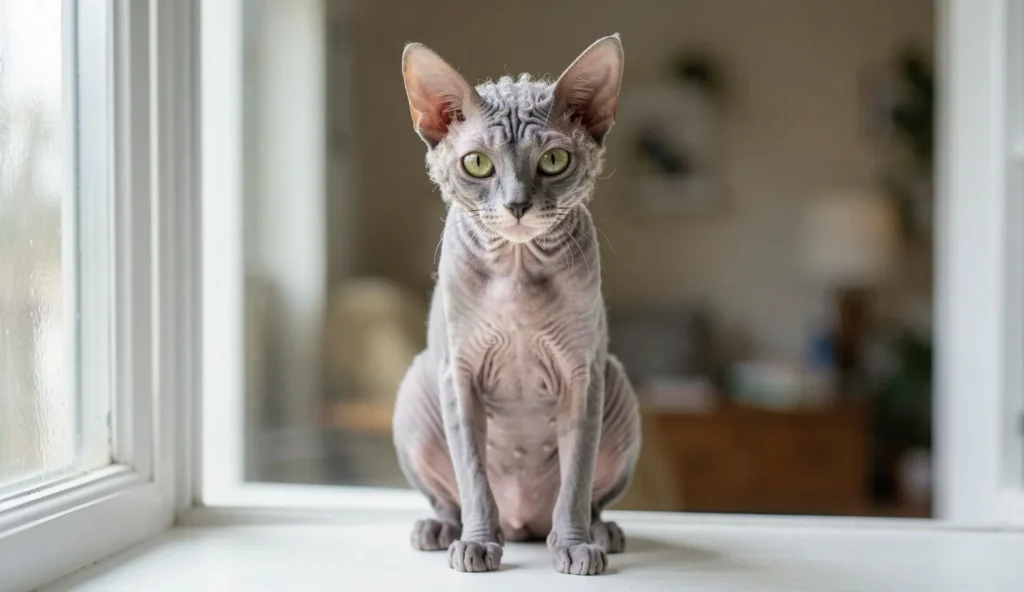
The Devon Rex cat stands out through its wide-set eyes, large ears, and a short coat that often appears curly or wavy. Many owners describe the face as expressive, with a look that seems playful even when the cat is simply watching.
Along with the physical features, the Devon Rex personality often includes active curiosity and social behavior. It commonly seeks human attention and may follow household routines from room to room.
Appearance And Physical Features
The Devon Rex cat appearance comes from a mix of a light, slim body and a dense, short coat with a unique texture. The overall look tends to be elegant rather than heavy, and the ears contribute strongly to the elf cat breed feel. These traits make visual identification easier for anyone comparing similar short-haired cats.
Even when the coat color changes, the head shape and ear placement usually remain consistent. That combination creates a recognizable silhouette, especially in natural light.
Coat Texture and Color Patterns
Devon Rex care starts with understanding the coat texture because it affects skin care and grooming frequency. The coat is short and often feels soft or plush, with wavy or curly areas that can differ by body region. Some cats show a denser curl look on the head and back, while the legs may appear slightly less textured.
Common colors include tabby patterns, solids, and bi color mixes. Coat pattern variation does not change the basic grooming routine, but it can affect how much the skin becomes visible on lighter or thinner coated areas.
Body Shape and Head Details
The body typically looks slim and lightly built, with a springy feel. The legs often appear longer than in some compact breeds, which supports the breed’s agile movement style. Because the build is not bulky, the cat may also look more alert when perched or standing.
The head features include large ears set high and wide on the skull. This ear placement boosts the curious, awake look that many owners notice right away.
Eyes and Expression
Large, expressive eyes help create the mischievous expression that defines the breed’s face. The face shape gives a slightly alert, curious appearance, even in calm moments. As mood shifts, the expression often changes, especially when a toy appears or a person enters a room.
For owners comparing ear and head traits with another naturally distinct breed, the American Curl breed guide can offer a helpful contrast in ear structure and how it affects overall appearance.
Devon Rex Personality and Temperament
The Devon Rex cat personality usually blends curiosity with affection. Many cats remain interactive throughout the day and often prefer staying close to people rather than hiding for long periods. This combination makes the breed popular with cat lovers who want a quirky, responsive companion.
At the same time, temperament varies by individual, so consistent routines matter. When enrichment and attention stay predictable, the Devon Rex often settles quickly and behaves calmly at home.
Typical Personality Traits
Many Devon Rex cats act curious, interactive, and people-focused. They often enjoy playful moments and still choose affectionate closeness during rest time. Some cats observe household activities from nearby spots and may react when familiar sounds start.
Because the breed tends to engage with its environment, boredom can show up as constant investigating. That means enrichment and routine play usually help the cat express energy in a positive way.
Mischief, Play Style, and Enrichment Needs
Devon Rex cats often enjoy climbing, chasing toys, and puzzle play that rewards curiosity. Short, consistent play sessions usually work better than long sessions with heavy endurance. Rotating toys also prevents repeat fixation on one item only.
In many homes, this breed may investigate small objects, move items off shelves, or check kitchen counter activity. Managing access and offering approved climbing and play options reduces the chance of mischief tied to limited stimulation.
Compatibility With Families and Other Pets
Devon Rex cats often adapt well in households with gentle handling and attentive interactions. With calm introductions, many cats can live comfortably around other pets. Supervision helps when a smaller pet could feel threatened by sudden play behavior.
When other animals already live in the home, gradual introductions and secure spaces support a smoother transition. This approach also helps each animal learn safe boundaries.
Exercise Requirements For a Devon Rex Cat
Exercise for a Devon Rex cat focuses on movement and mental engagement rather than long-distance running. Many cats benefit from several short play sessions across the day. Because the breed tends to stay alert, stimulation also supports better settling after active time.
Healthy play should feel engaging, not exhausting. When play stays structured, the cat gets an outlet for curiosity without becoming overtired.
Daily Activity Targets
Short play sessions several times daily usually work well for this breed. The goal should include movement plus toy interaction, not endurance activities. In addition, rotating toys can keep interest high and reduce repeat fixation.
If household schedules reduce daytime interaction, scheduling even brief evening play can still support behavior and bonding. Consistency often matters more than total time.
Best Types of Play
Wand toys usually encourage jumping and pouncing, which matches the breed’s active style. Ball tracks or soft balls can support chasing behavior, especially in safe indoor areas. Treat puzzles help add mental stimulation, which supports better engagement when the cat is curious but not focused on running.
For owners balancing training and play, short sessions combined with rewards can support both manners and enrichment at once. This style also reduces boredom linked to counter investigating.
Environmental Enrichment Ideas
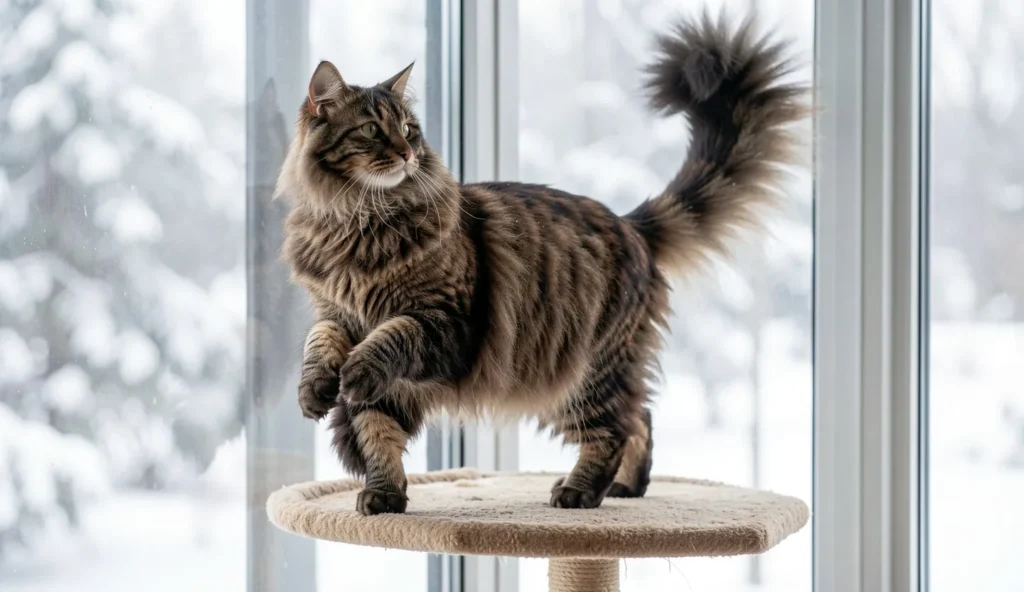
Cat trees and wall perches support vertical exploration and let the cat observe rooms comfortably. A window viewing spot provides safe outdoor watching and often becomes a daily routine. Scratching posts should appear near preferred rest areas so the cat uses approved surfaces.
It also helps to set up warm resting spaces because activity and resting cycles can overlap. When resting areas feel safe, the cat tends to choose them instead of human spaces.
Training a Devon Rex Cat
Training a Devon Rex cat usually succeeds when rewards stay immediate and sessions remain brief. Many cats respond well to positive reinforcement because their curiosity supports learning through interaction. With clear cues and consistent routines, unwanted behaviors can decline over time.
Because the breed often investigates everything, training also helps redirect that energy into appropriate behaviors. This approach supports harmony in daily life.
Use Positive Reinforcement
Reward desired behaviors quickly using small treats or gentle praise. Keep training sessions short to match attention span and avoid frustration. Consistent cues matter, since repeating the same sound or hand motion helps the cat understand expectations.
For safety, treats should stay small and measured. Treat overuse can impact weight, especially when play time stays moderate.
Litter Box and House Rules
A clean, accessible litter box location supports stable litter habits. If transitioning from another box type, change gradually to reduce stress and confusion. Redirect unwanted scratching to approved posts by placing them where scratching attempts happen most.
When litter issues arise, checking litter type, box cleanliness, and placement often solves the problem faster than punishment. Punishment can increase fear and make the behavior more persistent.
Teaching Simple Commands and Behaviors
Teaching coming when called can start with treats and a calm routine. Over time, the cat may associate a cue with a positive outcome, which supports handling during vet visits. Target training can also help with safer grooming and exam readiness.
Leash training is optional and should stay gradual and supervised. Not all cats enjoy harness sessions, so stopping early if stress appears helps keep the process positive.
Grooming and Coat Care Tips for a Devon Rex
Devon Rex grooming should focus on coat texture, skin condition, and routine checks for common irritation. The Devon Rex cat short curly-looking coat can expose skin changes more visibly than longer coats. That means quick observation and gentle care often matter.
Regular handling also supports early detection of ear and eye issues. When grooming stays calm, cats usually accept it better.
Brushing and Coat Maintenance
Use a soft brush to avoid irritation on the short curly coat. Brush gently to remove loose hairs and distribute natural oils across the skin. Shedding exists, but the amount varies by individual and may not look the same across all areas.
Some cats develop a slightly oily feel, especially in areas with less visible curl density. If oiliness increases, a careful bathing schedule might help, but guidance from a veterinarian can clarify the cause.
Skin Care and Bathing When Needed
The shorter coat can reveal skin changes quickly, so checking after brushing can help spot redness or flaky patches. Bathing is not always required, but it may help if oily buildup develops. Using a cat-safe shampoo and drying thoroughly supports comfort and reduces the risk of chilling.
When bathing happens, keep water temperature comfortable and avoid harsh rubbing. After drying, provide warmth with a soft towel and a draft-free resting spot.
Nail, Ear, and Eye Check Routine
Trim nails every few weeks based on growth speed and how much the cat uses scratching surfaces. Check ears for wax buildup, odor, or signs of irritation during regular handling. Eye corners sometimes need gentle wiping with a damp clean cloth if discharge appears.
Most issues do not become urgent overnight, but persistent problems should prompt veterinary guidance. Quick checks also reduce stress because the grooming routine becomes predictable.
Diet and Nutrition for a Healthy Devon Rex
Feeding a Devon Rex cat should support healthy skin, steady energy, and a stable weight. Many owners focus on coat appearance, but nutrition affects overall body condition too. A complete diet also supports normal digestive function and better tolerance of play sessions.
Portion control matters since some active cats may still gain weight if treats and extra foods increase daily calories. Monitoring body condition helps guide meal adjustments.
Choosing a Complete Cat Food
Select a complete and balanced cat food designed for the cat’s life stage. Options include kitten formulas for growth, adult formulas for maintenance, and senior formulas for later years. Choosing reputable brands with clear ingredient sourcing helps reduce uncertainty.
If switching foods, transition gradually over about a week to reduce stomach upset. That process usually keeps appetite stable.
How Much to Feed and How Often
Use package feeding guidelines as a starting point, then adjust based on body condition. Offering measured meals supports better control than free feeding for many homes. Treats should stay limited, since they can add up quickly in daily totals.
For owners specifically asking how much to feed a Devon Rex, the best method is to track weight trends and body shape weekly. When the ribs stop feeling easily under the fur, meal size may need to decrease.
Water, Treats, and Healthy Add-Ons
Fresh water should remain available daily, and bowl placement should stay consistent. Wet food can help with hydration for cats who do not drink much water. Avoid human foods that include salty, spiced, or sugary ingredients.
Some owners ask about add-ons like supplements, but those should match a specific need. A veterinarian can confirm whether a supplement supports the cat’s health plan.
Common Health Issues in Devon Rex Cats
Many Devon Rex cat health outcomes depend on genetics and ongoing care. Routine monitoring helps owners notice changes early, especially with skin and coat. Like all breeds, this one can face specific risks that deserve attention during wellness visits.
When new symptoms appear, prompt veterinary assessment often prevents problems from worsening. Tracking appetite, litter use, and energy creates a useful baseline for that conversation.
Skin and Coat Related Concerns
Coat genetics can affect how much hair appears and how visible the skin becomes. Owners should watch for redness, flaky skin, or unusual bald patches that do not resolve quickly. Persistent itching or discharge deserves prompt veterinary evaluation.
Some cats react to grooming tools, cleaning products, or seasonal changes, so ruling out irritants can help. Keeping grooming simple and using cat-safe products supports healthier skin.
Heart and Muscle Conditions to Know About
Some Devon Rex lines may have a higher risk of hypertrophic cardiomyopathy. Signs can include reduced stamina, altered breathing, or changes in activity tolerance. Because symptoms can be subtle early on, annual checkups help catch problems before they become serious.
If breathing changes or fainting occurs, veterinary care should not wait. Early treatment planning can improve quality of life for the cat.
Routine Vet Care and Preventive Screenings
Keep vaccinations up to date and follow parasite prevention guidance for fleas and worms. Discuss heart screening if the veterinarian recommends it for the cat’s line or age. Routine exams also allow weight checks and a review of grooming and diet habits.
Baseline tracking helps, because vets often ask about appetite and litter box consistency. Those details help narrow down possible causes when something changes.
When to Seek Veterinary Help
Seek care for labored breathing, poor appetite, or unusual lethargy. Persistent vomiting or diarrhea can lead to dehydration quickly, so assessment should happen promptly. Ear pain may show up as head shaking or head tilting, and those signs require evaluation.
Even when the cause seems minor, checking helps protect the cat’s health and comfort. That approach also reduces uncertainty for owners managing a quirky, active breed.
Breeding Basics for Devon Rex Cats
Breeding a Devon Rex cat involves more than matching appearance traits. Responsible breeding focuses on health testing, documented parent history, and stable temperament. Ethical standards reduce the chance of passing hereditary problems to kittens.
Because buyers often seek a specific look, it helps to understand how breeding decisions influence health and coat consistency.
Responsible Breeding Standards
Responsible breeders breed with health testing and documented parent information. Avoid breeding cats with known hereditary issues when possible to protect kitten outcomes. Matching based on temperament helps ensure kittens develop into stable companions rather than anxious pets.
When evaluating breeders, asking for health records supports better decision-making. Clear documentation often signals a serious breeding program.
Kitten Care Expectations
Kittens need frequent feeding and a warm, safe environment. Socialization should begin early, with gentle handling and calm exposure to daily sounds. Regular vet visits support vaccinations and basic health checks so growth starts on track.
For new owners, temperament during early weeks can influence later behavior. A calm, consistent socialization plan usually supports smoother home integration.
Starter Checklist for New Devon Rex Owners
A good setup supports successful Devon Rex care from day one. The Devon Rex cat often enjoys climbing and investigating, so the home should include safe climbing options and approved scratching locations. With the right tools, daily routines become easier for both the cat and the household.
The following checklist focuses on practical essentials that match the breed’s quirks and coat needs.
Home Setup Essentials
Start by making litter access and climbing safe and convenient, especially for kittens. Place items in predictable spots so the cat can learn quickly. Draft-free warmth matters too because the short coat can make the cat feel cooler than longer haired breeds.
- Litter box with low entry or easy access
- Second scratching post near the cat’s favorite rest spot
- Cat tree or stable climbing perch near a window
- Window viewing area with safe perching space
- Warm, draft-free bed area
Food and Grooming Supplies
Next, gather supplies for feeding accuracy and routine coat care. Measuring portions helps maintain healthy weight and supports nutrition consistency. Gentle grooming tools reduce the chance of skin irritation on the short curly coat.
- Complete cat food matched to age and body condition
- Measuring cups or a food scale for accurate portions
- Soft brush designed for sensitive cat skin
- Cat-safe shampoo for occasional bathing needs
- Small nail trimmer for routine nail maintenance
Toys and Enrichment Gear
Finally, select toys that match the breed’s active curiosity. Daily interactive play supports mental stimulation and reduces mischief from boredom. Puzzle options help the cat stay engaged even during calmer periods.
- Wand toy for jumping and pouncing sessions
- Soft ball or ball track for chasing play
- Puzzle treat feeder for mental enrichment
- Treat dispensing toy for slower, rewarding play
- Comfortable resting bed near warmth
Is a Devon Rex Cat Right for You?
The Devon Rex cat can fit well for people who want an interactive, affectionate cat that enjoys human presence. This breed often suits households that can provide daily play and attention. Devon Rex care also includes regular skin checks and gentle grooming so the cat stays comfortable.
Before choosing, consider how the household handles routine and how often the cat would receive enrichment. A consistent setup supports a calmer temperament.
Best Fit for This Personality
Many owners find the Devon Rex personality matches a social lifestyle. The cat often enjoys interactive sessions and may follow people around rather than staying distant. It also tends to respond well to predictable routines and calm handling.
For homes that already include other pets, gentle introductions and close supervision usually support early success. Over time, the cat often learns safe patterns that reduce conflict.
Potential Challenges to Consider
The breed may become more demanding if left without engagement for long stretches. Skin and coat needs can also require more attention than some short-haired breeds, especially when oiliness or visible irritation appears. Budget planning for routine veterinary care and any recommended screenings helps keep long term health stable.
When daily life includes enrichment and grooming time, the Devon Rex often looks and behaves like a confident companion. That fit can bring a lot of joy for cat lovers who enjoy a quirky, affectionate elf cat breed.
FAQs: Devon Rex Cat Care
Do Devon Rex Cats Shed A Lot?
Shedding varies by individual and coat type. Regular gentle brushing helps manage loose hairs.
How Often Should A Devon Rex Be Groomed?
A light brushing routine a few times per week is often enough. More frequent checks help catch skin issues early.
What Do Devon Rex Cats Eat?
Feed a complete and balanced cat food for the cat’s age. Adjust portions based on body condition and activity level.
Are Devon Rex Cats Good With Children And Other Pets?
Many are affectionate and social with proper introductions. Supervision is recommended around small animals or rough play.
What Health Problems Are Common In Devon Rex Cats?
Some lines may have higher risk of heart conditions. Skin or coat concerns should be assessed promptly by a vet.
Do Devon Rex Cats Need A Warm Environment?
Their short coat can make them feel cooler than long-haired cats. Provide a warm, draft-free sleeping area.
Care Choices That Help This Breed Thrive
Good Devon Rex care combines gentle grooming, structured play, and a balanced diet. When routines stay consistent, the elf cat breed often shows its best mischievous, affectionate side.