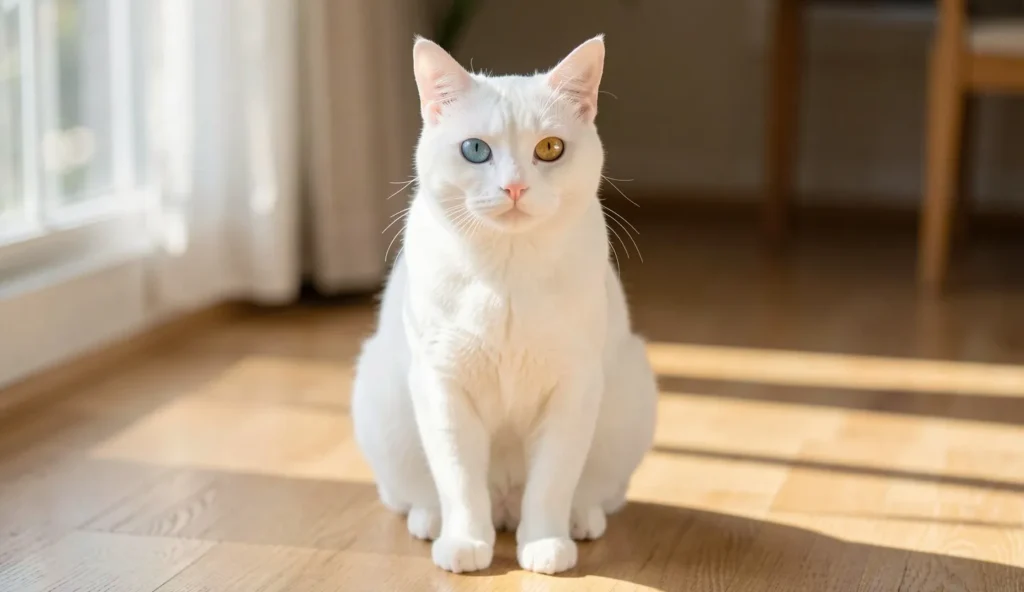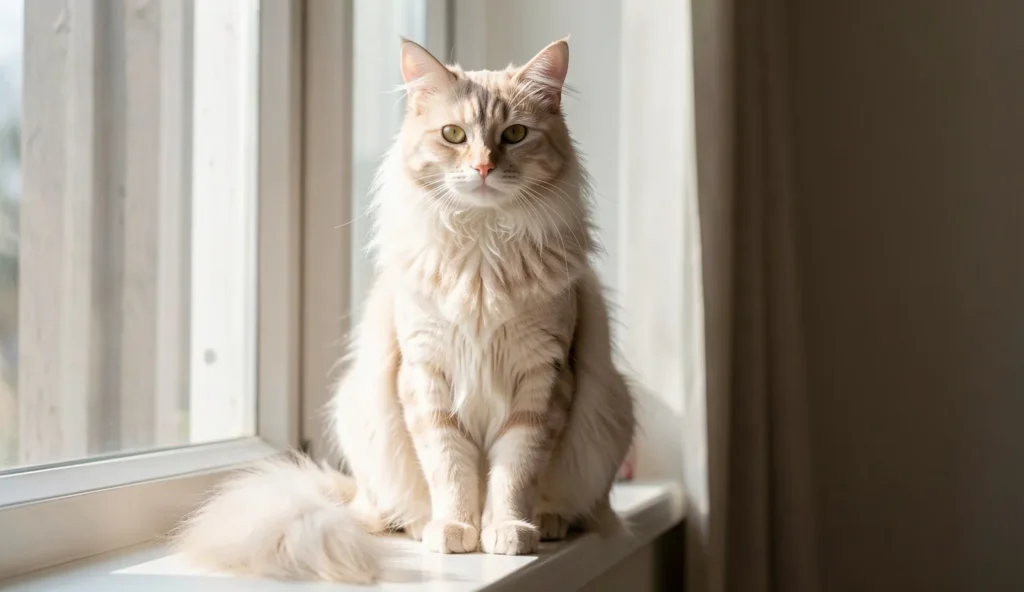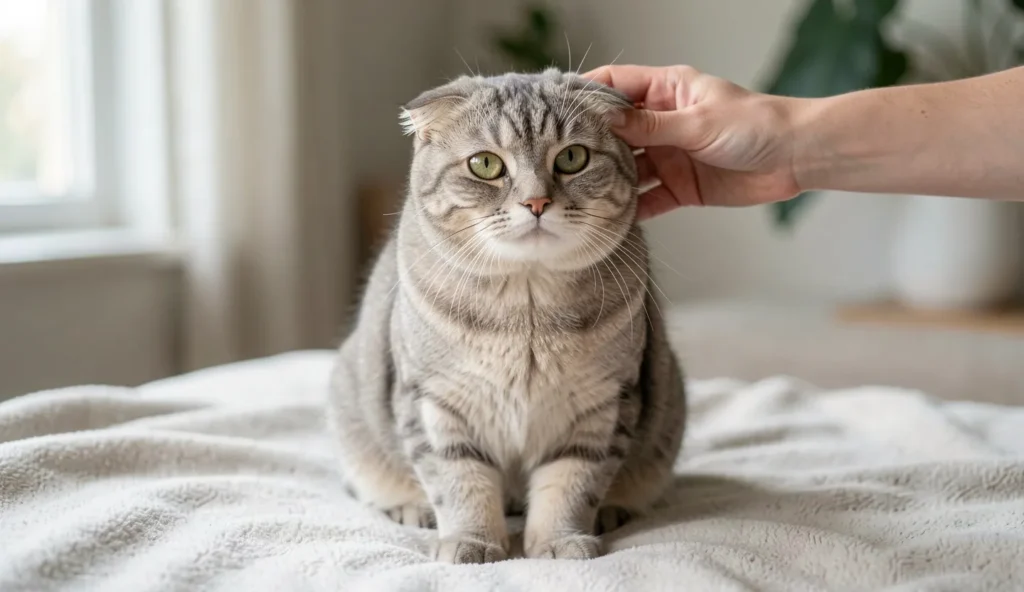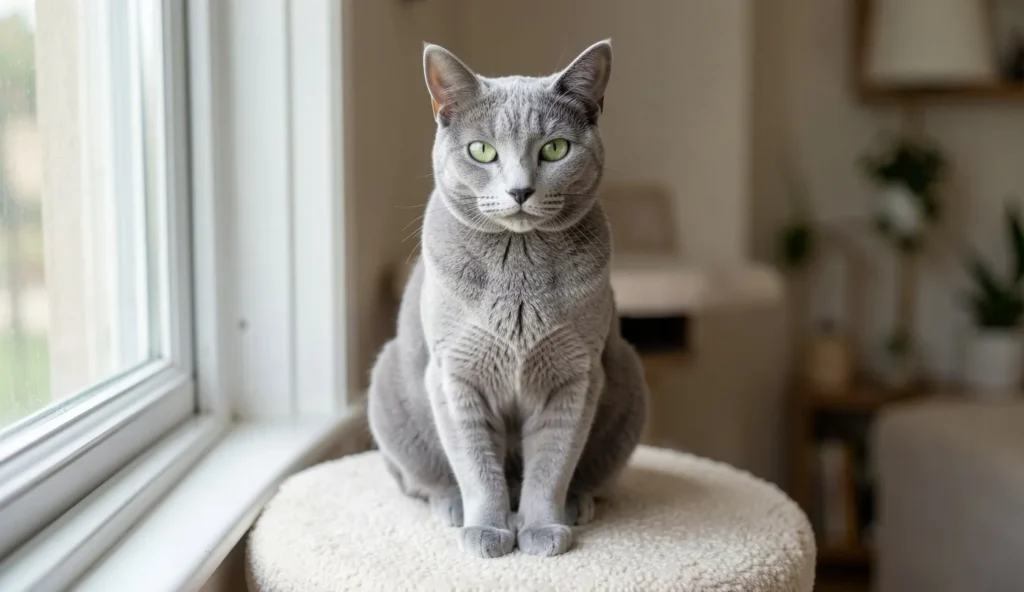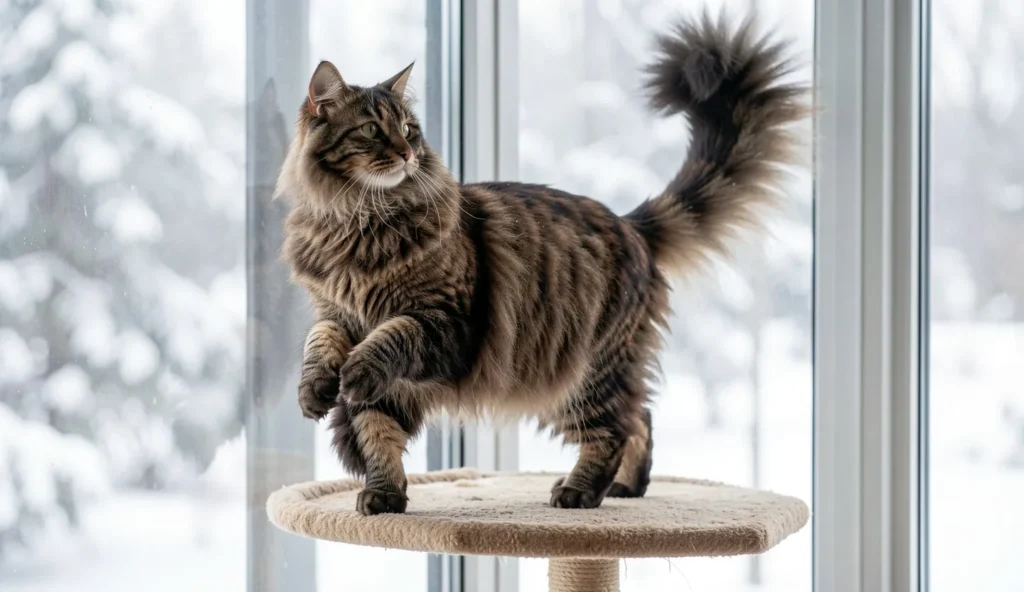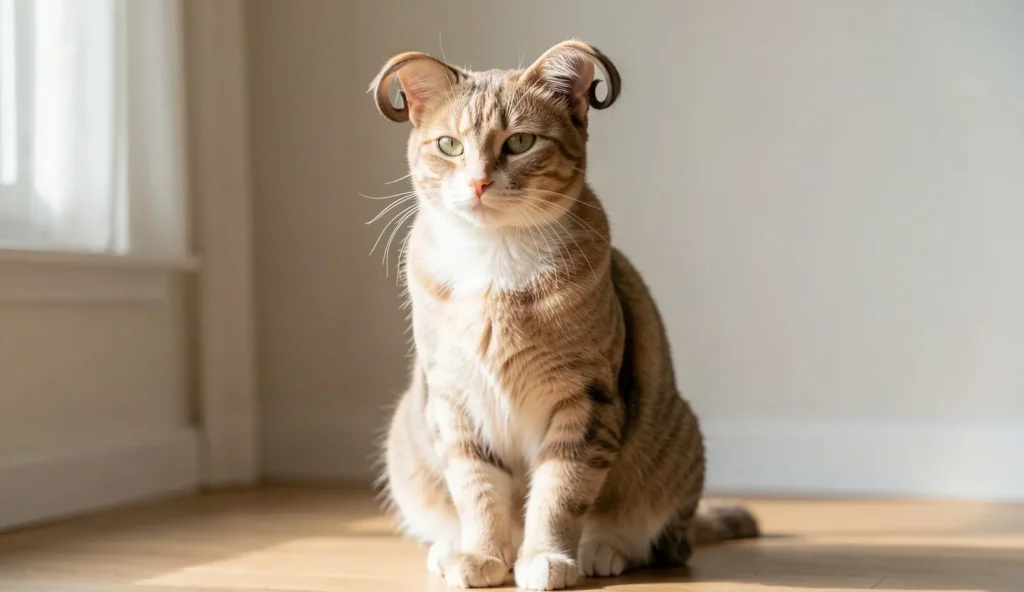
What Is An American Curl Cat?
The American Curl breed is a domestic cat line defined by naturally curled ears. This breed started from a single kitten with backward-curled ear tips, and the trait appeared through later breeding. The American Curl breed stands out for its ear shape and typically friendly, people-oriented behavior, which makes it appealing to cat lovers seeking something unique.
Breed Background In Plain Terms
American Curl cats are domestic cats with curled ear pinnae, meaning the visible ear parts curve backward. The curl is not caused by an injury or a medical problem. Instead, the trait results from a genetic feature that breeders aim to preserve. As kittens grow, the ear curl usually becomes clearer over time.
Breed recognition depends on consistent ear shape and the overall health of the cat. Ears should look flexible and natural rather than stiff or painful. Because the trait develops gradually, age matters when assessing ear curl. Many owners also notice the ears change in stages during kitten growth.
Typical Traits People Notice First
Most people first recognize the American Curl ears because the pinnae curve backward from the base toward the head. The curled look typically appears more clearly as the cat matures. In a well-formed example, both ears follow a similar curl pattern. This consistency helps distinguish a curly cat breed from cats with odd ear positioning caused by other factors.
Alongside the ears, owners often report a friendly, people-oriented American Curl temperament. Many cats stay curious and playful, especially when engaging with family routines. Their coat often appears healthy, with a soft feel and a clean look. American Curls can also come in both short and long hair varieties.
Appearance And Physical Features Of The American Curl
Beyond the ears, the American Curl cat characteristics include a balanced body build, expressive eyes, and a coat that comes in common domestic cat patterns. The goal is a natural, healthy appearance where the ear curl stands out without signs of irritation. Prospective owners should focus on ear shape, coat condition, and general physical comfort during evaluation.
American Curl Ears And Ear Curl Basics
The ear curl forms when the ears curve backward from the base. Many kittens look different early on, because the trait develops as they grow older. The curl should appear flexible and proportional rather than forced. In most healthy examples, both ears curve in a similar way.
When checking American Curl ears, focus on the overall ear structure. The curled pinnae should not show swelling, redness, or discharge. If ear handling causes clear pain, that signals a need for veterinary input. A smooth, natural ear curl is the key visual marker for this curly cat breed.
Coat Types And Colors
American Curl cats include both shorthair and longhair coat types. The coat usually looks soft, and it should not appear greasy or unusually dull. Many colors and patterns exist, ranging across typical domestic cat varieties. Importantly, coat color does not change the basic personality expectations tied to the breed.
Longhair cats often require extra grooming time to keep fur free of tangles. Shorthair cats still benefit from regular brushing, but mats typically form less often. Owners should learn which coat type a specific cat has before planning a routine. This approach keeps coat care realistic and consistent.
Body Shape And Size
American Curl cats generally have a medium-sized, balanced body. Legs usually match the torso in proportion, giving a natural, athletic stance. In profile, the head and neck often look smooth and well set, supporting an overall tidy appearance. Eyes should look alert and expressive, which usually reflects good day-to-day health.
Most cats fall within typical domestic ranges for weight and size, but individual variation exists. Health, age, and diet can influence body condition more than breed alone. When evaluating a cat, observe how it moves and how it responds to the environment. That information helps indicate whether the cat feels comfortable.
What To Look For At Adoption Or Purchase
When adopting or buying an American Curl, check ear curl consistency and the cat’s general health. Ask how old the cat is and whether the ears changed as it grew. Many caretakers can explain when the curl became more obvious and what they observed at earlier ages.
Next, examine the coat and skin for cleanliness and irritation. Look closely at the fur for mats, especially in longhair cats, and confirm the skin does not look inflamed. During the interaction, observe breathing and movement for any signs of distress. A calm, comfortable cat usually makes grooming and handling easier from the start.
American Curl Temperament And Personality Traits
The American Curl breed is often described as friendly and engaging, with behavior that suits many home settings. The American Curl temperament can vary by individual personality, but the breed tends to enjoy interaction. When owners spend time with a cat, trust usually forms faster. This trait matters because ear handling requires patience and gentle routines.
Common Temperament Traits
Many owners describe American Curl temperament as friendly and people-oriented. The cat often shows interest in daily activities and may seek attention during calm moments. Play behavior is commonly curious, and many cats engage with toys when offered regularly. Some American Curls adapt well to quieter household routines once they settle in.
Because these cats tend to connect with people, they often respond well to predictable routines. Consistent feeding and gentle handling usually reduce stress. If a cat seems withdrawn, it still may respond to patience and stable care. That said, persistent fear can also signal discomfort that needs further assessment.
Social Needs With People And Pets
Most American Curl cats benefit from regular interaction and play time. They often do best in households that maintain gentle, consistent routines. When other pets exist, introductions should happen gradually. Supervision during early visits helps the cat learn that other animals remain safe.
For multi-pet homes, careful observation supports better outcomes. Some cats might prefer low-competition spaces for resting and eating. It also helps to keep litter boxes in multiple locations when sharing the home. These steps reduce territorial stress and support calmer behavior over time.
Activity Level In Daily Life
American Curls typically stay active during play periods and may remain engaged with enrichment items. Climbing, exploring, and short bursts of play often match their natural routines. Owners can manage their energy with short, frequent sessions that also stimulate the mind. Even when calmer, these cats still need safe outlets for curiosity.
Enrichment can come from simple items like perches, scratching options, and rotated toys. Puzzle feeders can also reduce boredom by encouraging natural foraging behaviors. When stimulation fits the cat’s personality, the home usually feels easier to manage. Conversely, limited enrichment can lead to restlessness or unwanted behaviors.
How Much Exercise Does An American Curl Need?
American Curl exercise needs align with typical domestic cat activity patterns, but enrichment still matters. With a friendly American Curl temperament, many cats enjoy engaging with people and toys. The best results come from a mix of movement and mental activity. This plan helps prevent boredom and supports healthy weight goals.
Recommended Play And Enrichment
Daily play sessions help meet activity needs while strengthening the bond with the owner. Wand toys often work well for chasing and controlled movement. Scratching posts should appear in preferred locations to guide nail use. When possible, add climbing structures or safe perching areas to support exploration.
Short, consistent sessions often beat long, irregular play. For example, two brief sessions can maintain interest without overwhelming the cat. Treat-based rewards can also reinforce play if used sparingly. The key is matching the cat’s energy and comfort level.
Interactive Options That Work At Home
Several enrichment ideas support regular activity without complicated setup. Feather or lure toys can work best in short bursts that mimic natural hunting behavior. Puzzle feeders can slow eating and also provide mental engagement. Treat hunts using small hiding spots can encourage the cat to search and stay occupied.
Toy rotation helps maintain novelty and reduce boredom over time. Rotating among several toy types also prevents the cat from losing interest quickly. When the cat seems less engaged, changing the toy style often improves participation. These small adjustments can keep the routine effective.
Signs The Cat Needs More Stimulation
Some cats show frustration when enrichment does not match their needs. Restlessness or persistent begging for play often appears when stimulation drops. Destructive scratching in unwanted areas can also develop when the cat lacks proper outlets. Increased vocalizing tied to play timing can signal an unmet need for interaction.
Another sign involves low engagement with toys that previously worked well. If the cat ignores favorite items, it may respond to a change in toy type or play timing. Owners should then reassess the daily schedule and add brief activity bursts. These adjustments typically bring the cat back to normal interest levels.
Training And Behavior Guidance For American Curls
Training for the American Curl breed focuses on routine, positive reinforcement, and safe handling practices. The friendly nature of many cats supports easier learning when rewards remain consistent. Behavior tends to improve when the cat understands what to expect each day. With curled ears, training also includes learning how to manage ear checks gently.
Litter Box And Routine Training
Litter box success usually starts with consistency in placement and cleanliness. Keeping a consistent location helps the cat remember where to go. Using a suitable litter depth and cleaning regularly also reduces odors and discourages avoidance behavior.
When the cat uses the box correctly, calm praise can reinforce the habit. If accidents occur, clean thoroughly to remove odor so the cat does not repeat the same spot. For multi-cat homes, providing enough boxes helps reduce competition. This approach supports smoother litter training across household changes.
Positive Reinforcement Basics
Positive reinforcement means rewarding desired behavior promptly. Small treats work best, and sessions should stay short to keep the cat focused. Avoid punishment for mistakes because it can increase fear and make handling harder. Instead, redirect the cat and reinforce the correct action when it happens.
Gentle handling also supports trust and learning. Keeping sessions predictable helps the cat stay calm. If the cat resists, stepping back and trying later often works better than repeating attempts. Over time, many American Curl cats accept routine guidance more easily.
Handling The Ears Safely
Curl handling should never involve forcing or straightening the ears. The curled shape belongs to the breed, so it should remain natural. Instead, check ears during grooming and health checks with gentle restraint if needed. If a vet requires closer inspection, calm restraint works best to reduce stress.
Owners should stop any handling if the cat shows clear pain or strong distress. Pain signals might include flinching, rapid head shaking, or intense vocalization. When those signs appear, veterinary advice becomes necessary. This careful approach protects both the cat comfort and ear health.
Grooming And Care Tips For The American Curl
Grooming for the American Curl breed includes coat maintenance and careful ear care. The American Curl ears attract attention, but they also need gentle handling during routine checks. Coat care varies by whether the cat has short hair or long hair. With a simple weekly plan, most owners can keep the cat comfortable and looking tidy.
Daily And Weekly Grooming Steps
Brushing frequency depends on coat length and the cat’s tendency to mat. Shorthair cats usually need less frequent brushing, while longhair cats benefit from more consistent sessions. During brushing, check for mats, especially around the collar area and behind the legs. Also inspect fur and skin for irritation.
A gentle brush matched to the coat type helps reduce discomfort. If tangles appear, working slowly prevents pulling on skin. Regular grooming also gives an opportunity to check the cat’s overall condition. This routine supports both comfort and early detection of skin problems.
Ear Care For American Curl Ears
Curled ears require extra gentleness because forcing the curl can cause stress or injury. Owners should look for redness, odor, or discharge during routine checks. If any of these signs appear, veterinary care should follow quickly. Good ear health depends on consistent monitoring, not on deep probing.
Cotton swabs should not go deep into the ear canal. Instead, focus on visible parts and gentle surface cleaning only if recommended by a veterinarian. If the cat shows strong head shaking or sensitivity, stop and seek professional input. This protects the ear canal and helps identify infections early.
Nail Trimming And Basic Hygiene
Nail trimming helps prevent scratch damage and supports comfortable walking. Many owners trim nails every few weeks, depending on growth and wear. Scratching posts reduce stress by giving the cat a safe place to sharpen claws. Keeping the litter box clean also supports paw skin health.
Some cats develop mild tear staining around the eyes, especially with regular grooming changes. Wiping the area can reduce staining if needed. Owners should monitor for excessive discharge that signals a medical issue. Overall hygiene supports comfort, especially in cats that enjoy human interaction.
Diet And Nutrition For A Healthy American Curl
Diet guidance for the American Curl breed focuses on balanced nutrition, portion control, and consistent feeding times. A healthy body supports mobility, play, and calmer daily behavior. Since many American Curls show friendly engagement, food routines often become a strong daily anchor. Proper diet planning reduces weight gain and supports dental health.
Choosing A Balanced Cat Diet
Use a complete, balanced commercial cat food as the main diet. This food typically includes the right protein level and essential nutrients for normal cat health. Adjust calories to maintain a healthy body condition, especially if the cat becomes less active. Frequent diet switches without a reason can upset digestion, so changes should be planned.
Owners should read feeding instructions and adjust based on body condition and activity. Treats can support training and enrichment but should remain limited. If a diet change becomes necessary, transition gradually over time. That helps reduce the risk of stomach upset.
Feeding Schedule That Works For Most Homes
Most adult American Curl cats do well with feeding about twice daily. Fresh water should always remain available, and bowls should get cleaned regularly. Using measured portions prevents overeating when cats beg during busy household hours. Treats should remain small and used mainly for training or enrichment.
For kittens, feeding frequency often increases, and guidance from a veterinarian matters. Owners should follow the kitten diet plan and adjust as growth progresses. Consistency reduces digestive stress and helps the cat predict meal timing. When feeding stays routine, begging often decreases over time.
Common Feeding Mistakes To Avoid
Overfeeding can lead to weight gain, which then affects activity and comfort. Inconsistent feeding can increase begging behavior because the cat loses predictability. Unbalanced homemade diets can create nutrient gaps, even when ingredients look healthy. Dental health also matters because eating discomfort can reduce food intake over time.
Another mistake involves ignoring dental care until problems appear. Owners can support dental health by offering appropriate food textures and scheduling veterinary checks. If chewing changes or appetite drops, that can indicate discomfort. Prompt responses protect long-term wellbeing.
Common Health Issues In The American Curl Breed
Health care for the American Curl breed includes routine monitoring and attention to ear and skin conditions. Many issues in cats become easier to treat when detected early. Because American Curl ears stand out, owners often notice changes sooner. Regular checks support prevention and help identify problems like irritation or infection.
Health Monitoring With Ear And Skin Checks
Regularly inspect ears for odor, redness, or discharge. Also watch for scratching that looks out of character. Coat checks can reveal thinning patches, unusual dandruff, or matting that may trap moisture. Noting changes quickly helps prevent issues from worsening.
Other monitoring cues include head shaking or sensitivity when touched. If the cat reacts strongly during grooming or avoids ear contact, the cause might be discomfort. These signs should not be ignored. Instead, gentle inspection and professional guidance can resolve uncertainty early.
Genetic And Breed Related Considerations
The ear cartilage traits in this curly cat breed come with unique breeding goals. Some cats may show mild ear sensitivities, especially if their ears become irritated. Reputable breeders focus on healthy breeding lines and avoid problems that can affect comfort. Owners should ask about health screening practices when considering a kitten or cat.
Because ear traits differ between individuals, the specific pattern matters for comfort too. Some ears may appear more curled than others, and the cat’s behavior helps show whether it feels normal. If chronic ear problems appear, the situation needs veterinary evaluation. That ensures correct diagnosis rather than guessing from appearance alone.
Preventive Care That Supports Long Term Health
Preventive care supports long-term health for the American Curl breed. Keep vaccinations and parasite prevention current, and schedule routine veterinary exams. Brushing teeth if possible can support dental health and reduce future discomfort. Maintaining a healthy weight reduces strain on joints and supports active play.
Even friendly cats benefit from regular checkups, because symptoms may start subtly. A vet can also recommend tailored nutrition and grooming based on coat type. For longhair cats, preventative grooming guidance can reduce skin issues tied to tangles. For all cats, wellness visits help create a baseline for later comparison.
When To Contact A Veterinarian
Contact a veterinarian if ear discharge appears, if ears look swollen, or if head shaking continues. Lethargy, loss of appetite, or sudden behavior changes also signal a need for care. Repeated vomiting that lasts more than a day should never be treated as normal. Breathing difficulty or persistent coughing requires urgent veterinary attention.
Other red flags include refusal to eat, clear pain during handling, or ongoing scratching combined with visible irritation. Early action improves outcomes. Since the breed’s defining feature is the ears, ear-related symptoms deserve quick attention. Timely veterinary guidance protects the cat’s comfort.
Is An American Curl Right For You?
The American Curl breed often suits people who want a cat with a distinctive look and a friendly American Curl temperament. Many homes can handle the grooming basics, especially when routines match the cat’s coat type. Still, commitment matters because ear handling requires gentleness. Owners should also consider daily play time and enrichment planning for sustained happiness.
Best Fit Households
American Curl cats fit well in households that can provide regular play and interaction. They also work best with people who can perform routine grooming checks. Owners should feel comfortable handling the cat gently, especially around the curled ears. Access to veterinary care and consistent monitoring also improves long-term results.
Homes with predictable schedules often help these cats settle quickly. When daily routines remain stable, cats usually show calmer behavior. Introducing enrichment early also supports positive habit formation. These factors help match the cat to the lifestyle from the start.
Potential Challenges To Consider
Longhair American Curl cats often need more frequent brushing to prevent tangles. Health issues still require regular veterinary visits and ongoing observation. Some cats may be sensitive to ear handling, so checks must remain gentle. Busy schedules can also require extra planning for enrichment and play time.
Another challenge involves matching toy styles and energy levels. If the cat does not get suitable stimulation, restlessness may appear. Adjustments can usually solve these issues, but the owner needs to stay attentive. With consistent care, most challenges become manageable.
Adoption Or Breeder Questions That Matter
When choosing an American Curl, ask about ear development history and the cat’s age. Request health records and screening details, especially if a breeder provided them. Confirm whether the cat has a short or long coat and discuss the grooming expectations for that type. Also learn the cat’s existing routine for litter and feeding.
These questions help reduce surprises after bringing the cat home. They also help determine whether the cat’s temperament fits household routines. If ear handling has been an issue before, that information can guide better expectations. Clear details make preparation easier and support a smoother transition.
Frequently Asked Questions
Do American Curl Cats Have Curled Ears At Birth?
Kittens typically show ear curl as they grow. The curled shape usually becomes clearer over the first weeks of life.
Are American Curl Cats Friendly With People?
Many American Curl cats enjoy human interaction. Regular handling and calm routines help them feel secure.
How Often Should An American Curl Be Groomed?
Shorthair American Curl cats usually need less frequent brushing. Longhair cats often require more frequent brushing to prevent mats.
Do American Curl Cats Need Special Ear Care?
Ears should be checked gently for redness or discharge. Forcing or straightening the curled ears should never be attempted.
What Food Is Best For An American Curl Cat?
A complete, balanced commercial cat food is a solid baseline. Feed measured portions to help maintain a healthy body weight.
A Short Guide For Calm Daily Care
Consistent grooming, gentle ear checks, and measured feeding support comfort for the American Curl breed. With regular play and predictable routines, most American Curl cats settle into a stable, friendly household life.