What Is a Cinnamon Peafowl?
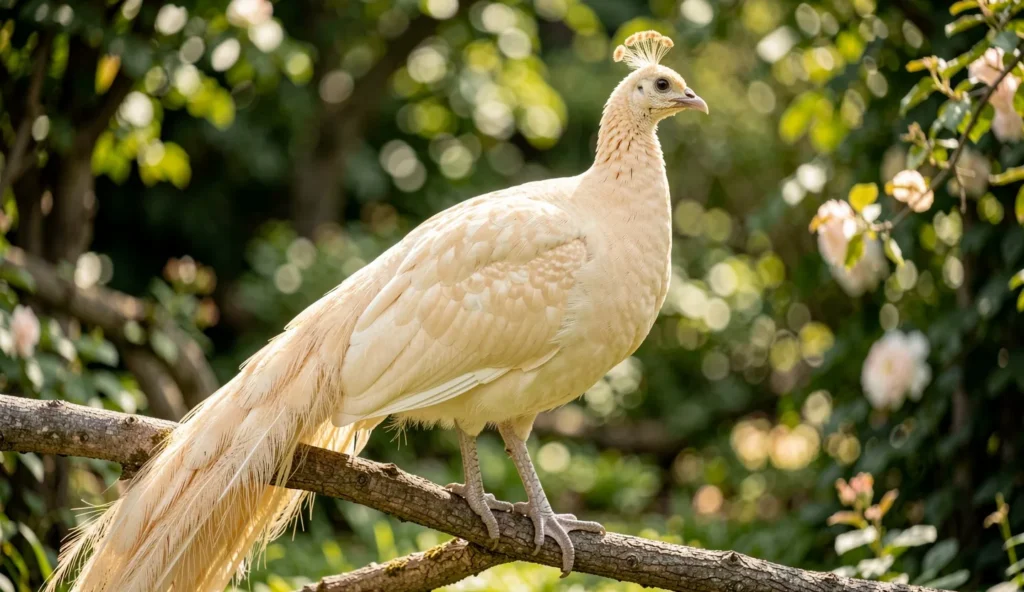
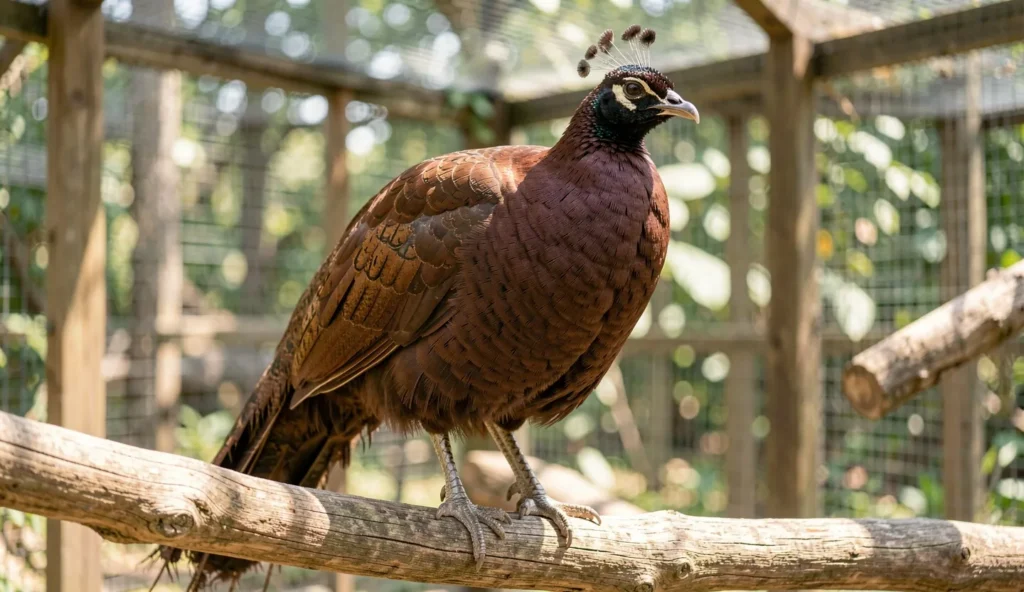
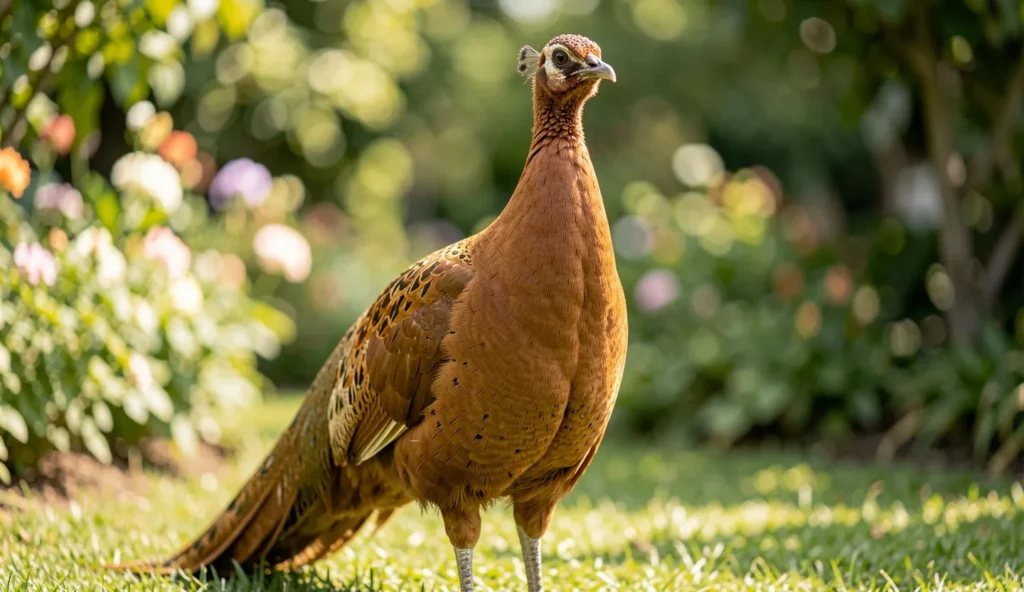
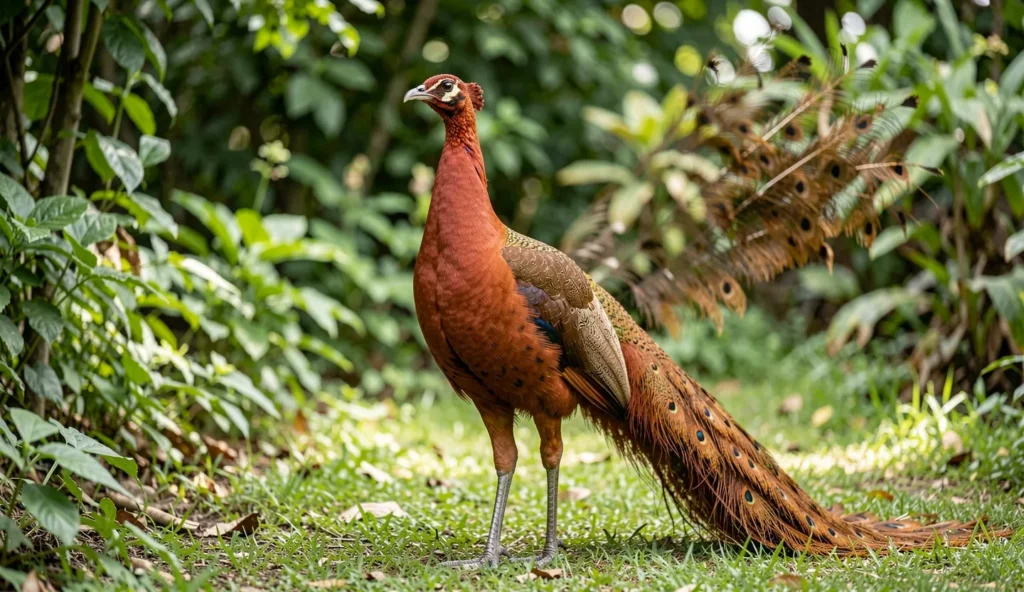
The Cinnamon Peafowl is a warm brown mutation of peafowl that originates from captive breeding lines. It stands out for its reddish copper sheen and satin-like plumage. For collectors, the Cinnamon Peafowl represents a rare warm color that complements established color lines such as the Indian Peafowl and Purple Peafowl.
Cinnamon Peafowl Basics
The Cinnamon mutation refers to a warm reddish brown base color in peafowl, distinct from the standard blue and green forms. This color shift arises through selective breeding and is sought after by breeders for its unique, satin-like appearance.
- Warm reddish brown plumage with copper undertones
- Mutation occurs in captive lines through selective pairing
- Often displays a softer sheen than metallic blue green forms
- Breeding emphasizes color stability and lineage records
Origins and Mutation History
Initial reports described Cinnamon color appearing in curated breeding programs in the late 20th century. Over time, established cinnamon lines were documented and shared among breeders to preserve the trait.
Breeders also compared with other color developments to understand how different genes interact in captivity. Such comparisons help refine selection criteria for consistent results.
Further exploration of coloration patterns has connected Cinnamon lines to efforts seen in Black-Shouldered Peafowl, informing color stability and lineage documentation.
Cinnamon Peafowl Appearance and Color Variants
Body Color and Plumage
The Cinnamon Peafowl presents a warm brown base with coppery undertones, creating a satin appearance rather than the typical blue green iridescence. This distinction makes the mutation highly desirable among color-focused breeders.
- Base color leans toward reddish brown rather than blue
- Copper undertones heighten the warm hue
- Feather edges may show subtle luster without metallic bloom
- Overall silhouette mirrors standard peafowl size and shape
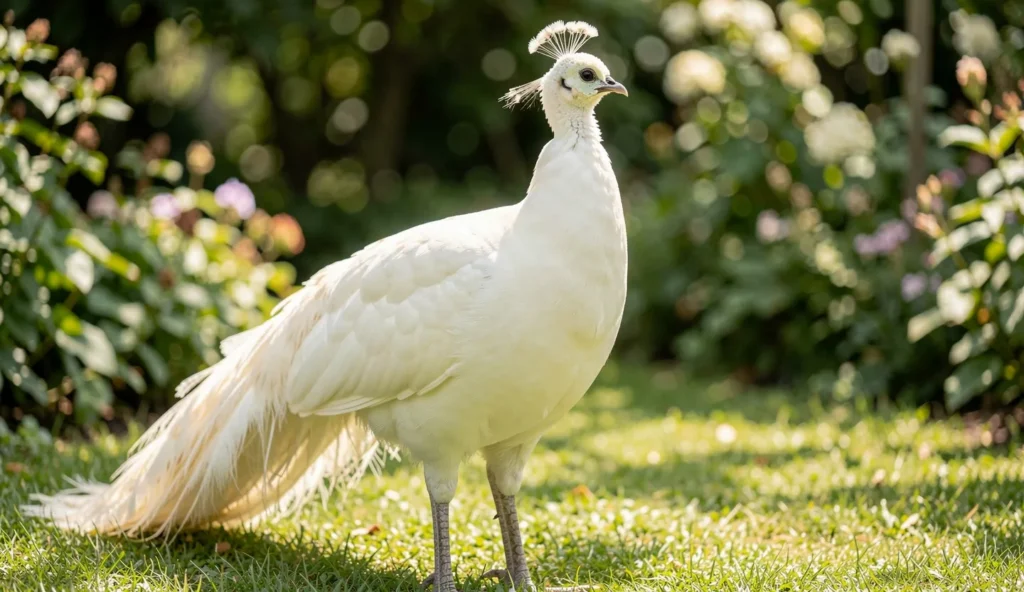
In some color studies, the Cinnamon variation is discussed alongside other palate-shaping forms such as White Peafowl, highlighting how light interacts with different mutations.
Tail Feathers and Eye Stripes
Tail feathers remain a prominent feature, but with a muted tone that aligns with the warm color palette. Eye spots show subtle color softening that can reduce stark contrast with the body plumage.
- Train length remains comparable to standard peafowl
- Eye spots may appear less saturated than in blue or green forms
- Overall train shimmer stays elegant under natural light
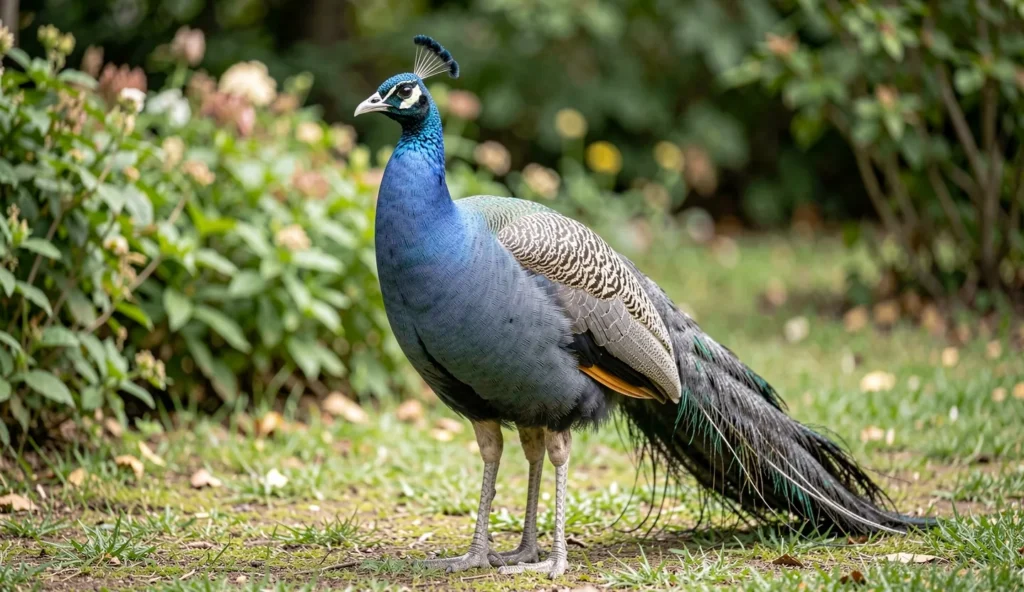
Some enthusiasts note that color transitions in Cinnamon individuals resemble patterns seen in Green Peafowl, though the Cinnamon base is distinctly warmer.
Size and Sexual Dimorphism
Cinnamon Peafowl are similar in size to standard peafowl, with males possessing the longer trains and more ornate plumage. Females are typically smaller and carry less elaborate tails, as with other peafowl varieties.
- Male trains exceed female tail lengths in most cases
- Females display more modest coloration and ornamentation
- Body proportions align with typical peafowl breeds
Temperament and Behavior
Social Structure Within Flocks
Cinnamon peafowl usually form small to medium flocks with a clear pecking order. Social dynamics influence access to resources and mating opportunities.
- Group hierarchies guide feeding and roosting positions
- Young birds learn social cues from adults
- Group size affects vigilance and defense against threats
Interaction With Humans
These birds are typically wary but curious, and gentle handling helps reduce stress. Regular, calm contact can improve ease during routine husbandry tasks.
- Consistent routines ease acclimation
- Positive reinforcement supports trust during handling
- Distance tolerance grows with gradual exposure
Noise Levels and Flight Urgency
Cinnamon peafowl produce moderate vocalizations, with higher activity during nesting. Flight attempts are common when startled or during breeding displays.
- Vocalizations are noticeable but not excessive
- Flight bursts occur mainly at dawn and dusk
- Nesting season increases overall activity
Housing and Space Needs
Outdoor Enclosure Size Per Bird
Outdoor enclosures should provide ample runway and secure fencing to accommodate their natural roaming. Minimum per-bird space supports exercise and reduces stress-related behaviors.
- Open flight areas are important for movement
- Fencing should be predator-proof and well-maintained
- Shade and sun access must be balanced
Perches and Roosting
Offer a variety of perch heights and roosting options to mimic natural habitat. Proper roosting reduces injury risk and fosters comfortable sleeping sites.
- Include low and high perches for different age groups
- Roosting structures should be smooth and stable
- Seasonal adjustments prevent water pooling and decay
Security and Predator Protection
Secure netting or fencing plus shelter from weather and predators are essential. A well-protected enclosure supports long-term health and guard against losses.
- Fully covered sections prevent above-ground threats
- Weatherproof shelters provide refuge during storms
- Routine checks maintain barrier integrity
Balanced Diet Basics
A balanced diet combines grains, greens, and protein sources, with grit and calcium as needed. Fresh forage and formulated feeds support plumage and vitality.
- High-quality grains and seeds
- Leafy greens and occasional fruit
- Protein options such as insect material in season
Water and Hydration
Provide clean, fresh water daily and ensure hydration during hot weather. Adequate water supports digestion and overall health.
- Multiple water stations reduce crowding
- Change water twice daily in high temperatures
Common Health Issues and Monitoring
Watch for feather changes and fluctuations in feed intake, as these can signal health issues. Regular health checks help catch infections early.
- Monitor feather condition for molting patterns
- Inspect for signs of respiratory or skin infections
Breeding Considerations and Ethics
Breeding should prioritize animal welfare, with attention to genetic diversity and proper line documentation. Transparent record-keeping supports responsible propagation of the Cinnamon mutation.
- Maintain lineage registries for color stability
- Avoid aggressive inbreeding to protect health
Is Cinnamon Peafowl Right for You?
Best Fit Scenarios for Collectors and Breeders
They are suited for experienced keepers with ample space and resources. Such birds are highly valued by breeders preserving color lines.
- Requires knowledgeable care and stable environments
- Ideal for color-focused programs and exhibitions
Ethical Breeding and Registration
Follow regional regulations and welfare standards, and maintain transparent lineage records. Ethical practices support sustainable color line development.
- Adhere to welfare guidelines during breeding
- Document every pairing and outcome
Getting Started with Acquisition
Seek reputable breeders who provide health guarantees and origin documents. Review origin and care history before purchase to ensure sound stock.
- Ask for health certificates and lineage papers
- Visit facilities to observe husbandry standards
Final Note
Support responsible ownership with continuous learning and careful record keeping to protect the Cinnamon mutation for future generations.
Frequently Asked Questions
What exactly is the Cinnamon mutation in peafowl?
The Cinnamon mutation refers to a warm reddish brown plumage variant that differentiates it from standard blue or green peafowl.
How does the cinnamon coloration influence breeding outcomes?
Breeding cinnamon peafowls requires careful pairing to produce the mutation while maintaining overall health.
Are Cinnamon Peafowls more common in certain regions?
Cinnamon color arises in captive breeding lines and is not typically found in wild populations.
What is the best housing setup for cinnamon peafowl?
A large outdoor enclosure with secure fencing, ample perches, shelter, and predator protection is ideal.