What Is a Northern Hawk Owl
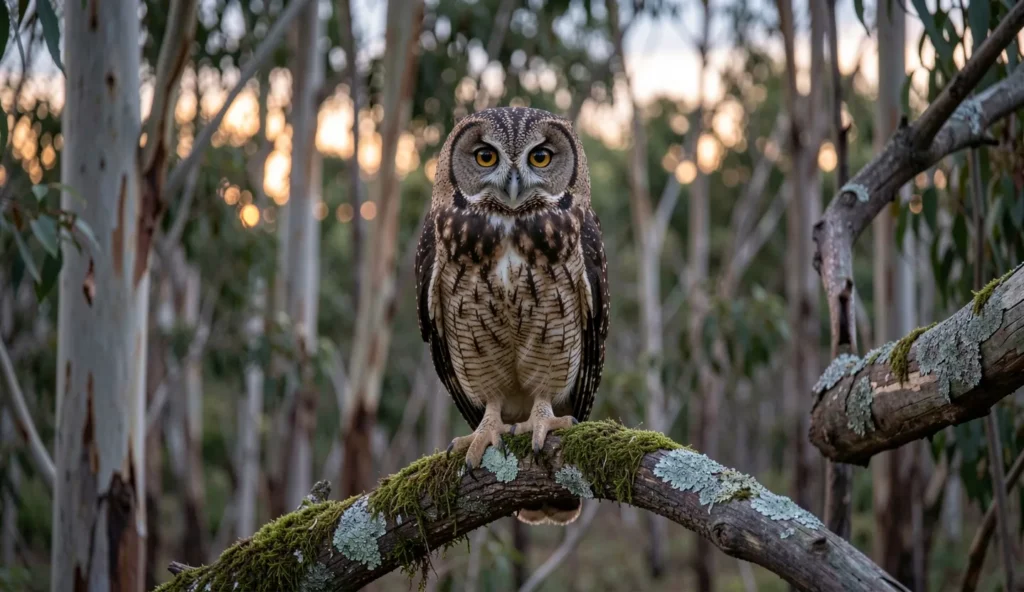
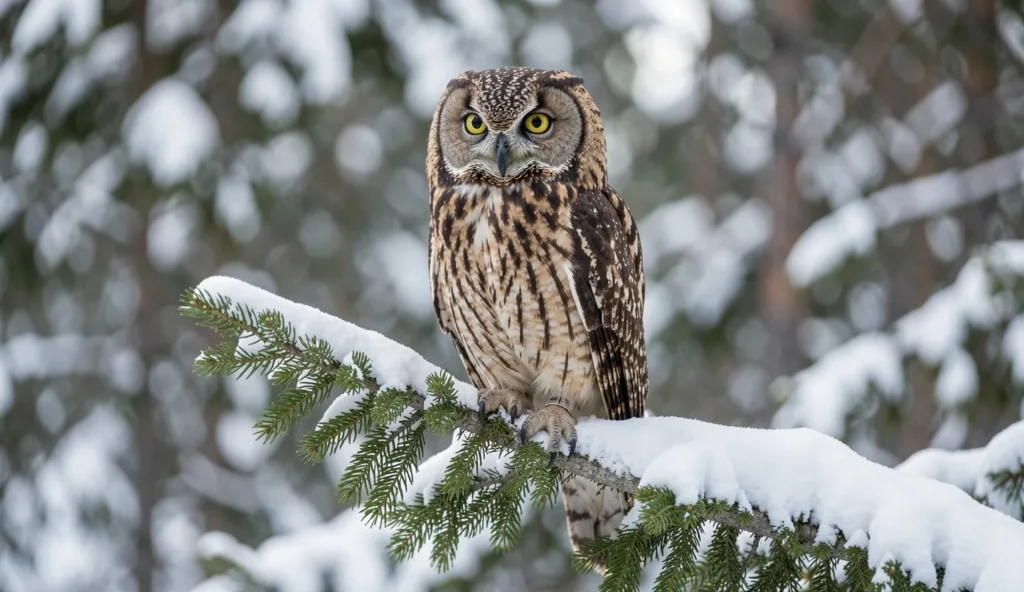
The Northern Hawk Owl is a large, day active owl native to boreal forests of the Arctic, renowned for hawk like hunting. Its daytime activity and perch hunting on treetops make it a standout among owls and a favorite sight for Arctic birding enthusiasts.
Overview Of The Species
This species occupies boreal forests across North America and Eurasia, combining owl features with hawk like grace. Its slender body, long tail, and sharp talons reflect its mixed ancestry of raptor and owl.
Appearance And Physical Features
Plumage And Body Proportions
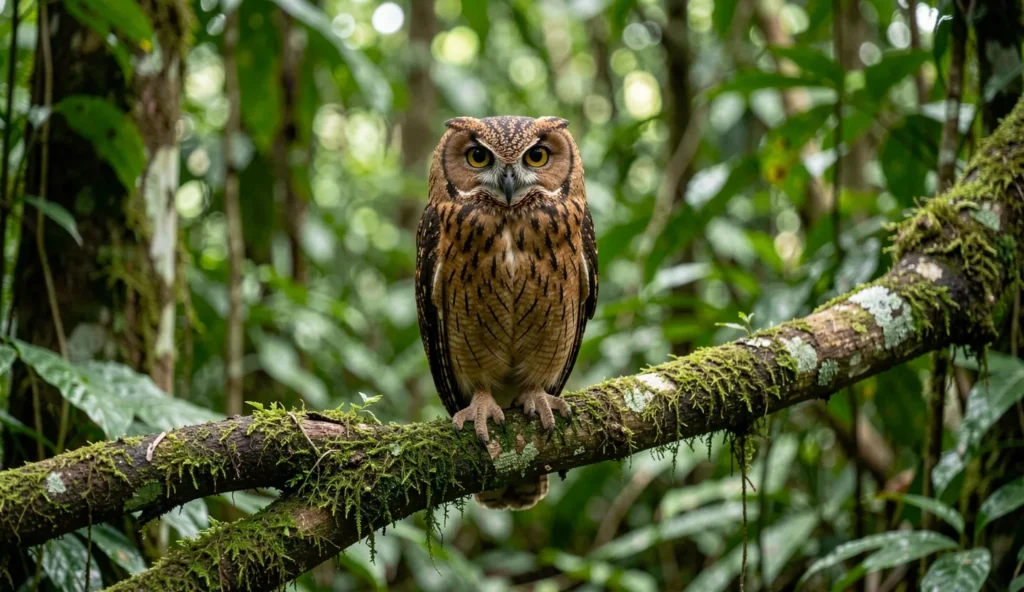
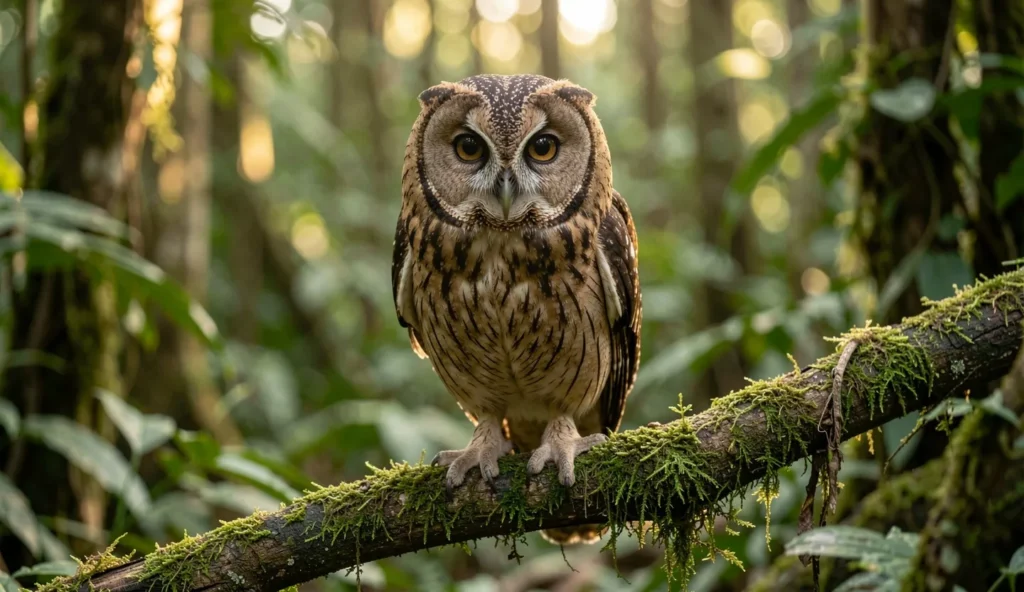
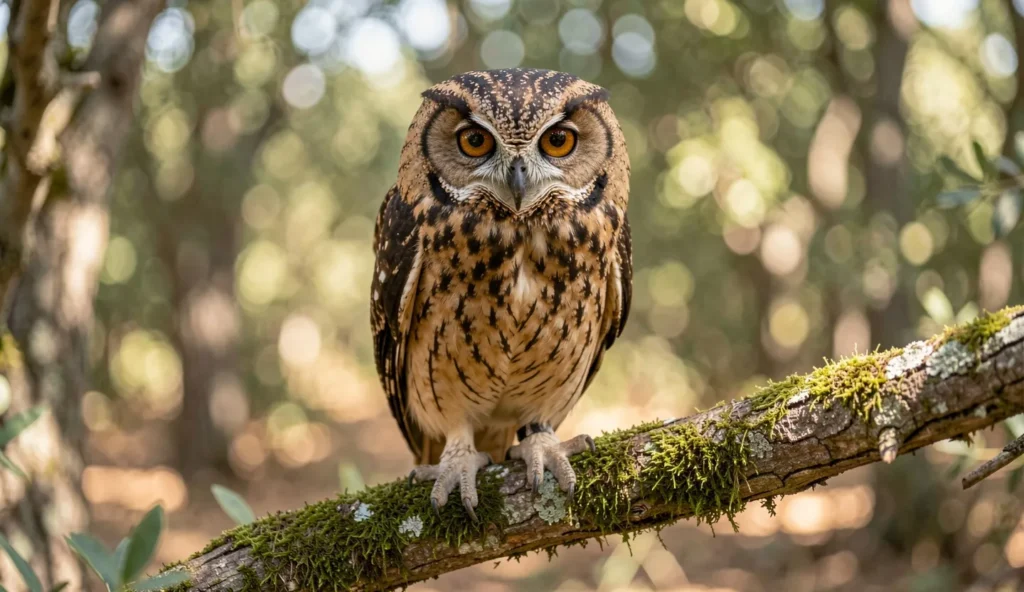
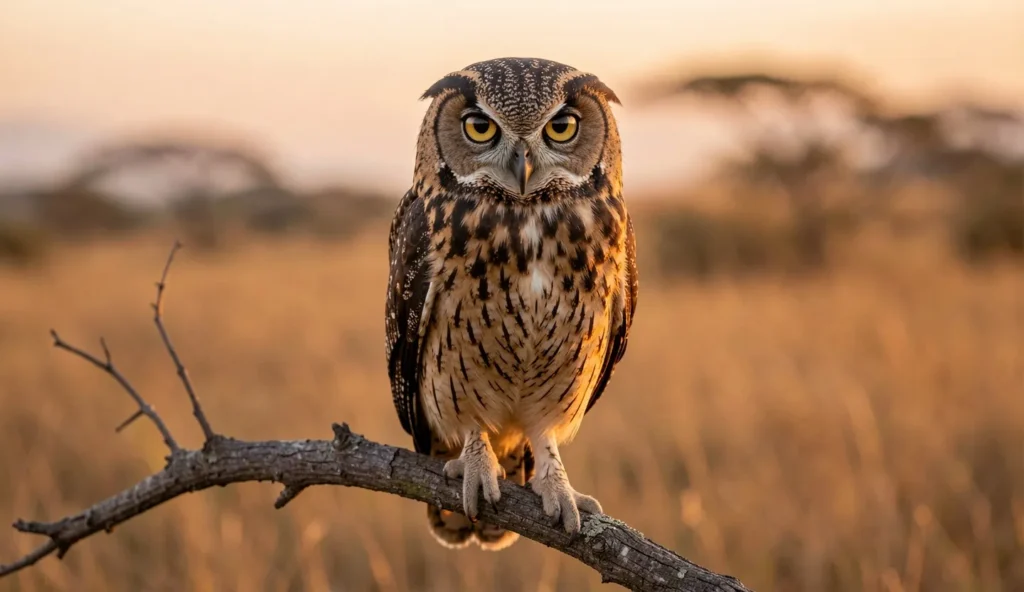
The Northern Hawk Owl displays pale brown and white plumage with a pale face and yellow eyes. It has a relatively long neck, a compact body, and broad wings suited for daytime hunting. In flight, its silhouette shows a hawk like profile, which helps it blend with treetops.
- Size: Comparable to a small to mid sized owl
- Wings: Long and broad for stable daytime glides
- Beak: Short, hooked for prey capture
- Eyes: Bright yellow and forward facing
- Tail: Long and tapered for precise maneuvering
For broader context, the Great Horned Owl and the Barn Owl offer contrasts in size and hunting styles within the owl family.
Behavior And Daytime Activity
Hunting Style And Daylight Habits
The Northern Hawk Owl often hunts during daylight, especially in high latitude summers when long days provide extended light. It perches on treetops or open branches, stooping to strike prey with swift accuracy similar to an active hawk. This diurnal tendency makes it a rewarding subject for daytime observers and Arctic birding enthusiasts alike.
Observers may notice it scanning open areas from elevated perches, then dropping onto small mammals or songbirds with precise plucks of talons. In some regions, the species mirrors the daylight activity patterns of the Snowy Owl, adding to its distinctive profile for birders who track Arctic movements.
Diet And Foraging
Food Items And Tactics
Its diet centers on small mammals and birds captured from perches or during short flights. The hunter relies on sharp vision and rapid strikes, often choosing perches that maximize line of sight over open ground. The northern hawk owl diet demonstrates its opportunistic approach, and its daytime hunting can be contrasted with nocturnal relatives like the Snowy Owl.
Seasonality influences prey selection, with lemmings and voles common in boreal zones while small passerines supplement meals when larger prey are scarce. This flexibility aids survival across variable Arctic food webs. For readers curious about other raptor inspired owl behaviors, see nearby references such as the Long-eared Owl for contrast in perch based hunting.
Habitat And Range
Distribution And Habitat Preferences
The Northern Hawk Owl is found across northern boreal forests of North America and Eurasia, from Alaska to Siberia. It favors open conifer stands and edge habitats where perches are available for scanning for prey. Its northern hawk owl range expands in areas with long daylight hours, supporting its daytime hunting lifestyle, and it shares habitat considerations with the Eurasian Eagle-Owl in broader boreal landscapes.
In addition to forest edges, some populations use mixed woodlands and tundra margins to optimize visibility and prey access. The presence of suitable perches and prey density largely shapes local abundance, making habitat protection crucial for long term persistence. For comparison in regional patterns, consider how the Snowy Owl and Barn Owl adapt to different environments within the same general arctic and near arctic zones.
Is a Northern Hawk Owl Right for You
Suitability For Observers And Conservation Minded Viewers
This species appeals to birding observers who value daytime activity and hawk like hunting. It requires intact boreal habitat and minimal human disturbance to thrive in wild spaces. Northward range shifts due to climate dynamics may affect sightings, making responsible viewing essential. For those building a regional watch list, tracking its movements alongside discussions of northern hawk owl facts can be informative.
Final Note
Closing Thoughts
The Northern Hawk Owl stands out as a daylight hunter with hawk like precision and an unmistakable Arctic presence. Ongoing monitoring of its habitat and range supports conservation and respectful birding experiences.
FAQs: Northern Hawk Owl
What Is The Northern Hawk Owl?
The Northern Hawk Owl is a large, day active owl native to boreal forests of the Arctic, known for hawk like hunting.
Where Are Northern Hawk Owls Found?
They occur across northern boreal forests of North America and Eurasia, including parts of Alaska and Siberia.
What Does A Northern Hawk Owl Eat?
Its diet includes small mammals and birds captured from perches or mid flight.
Are Northern Hawk Owls Diurnal?
Yes, they often hunt during daylight, especially in high latitude habitats.