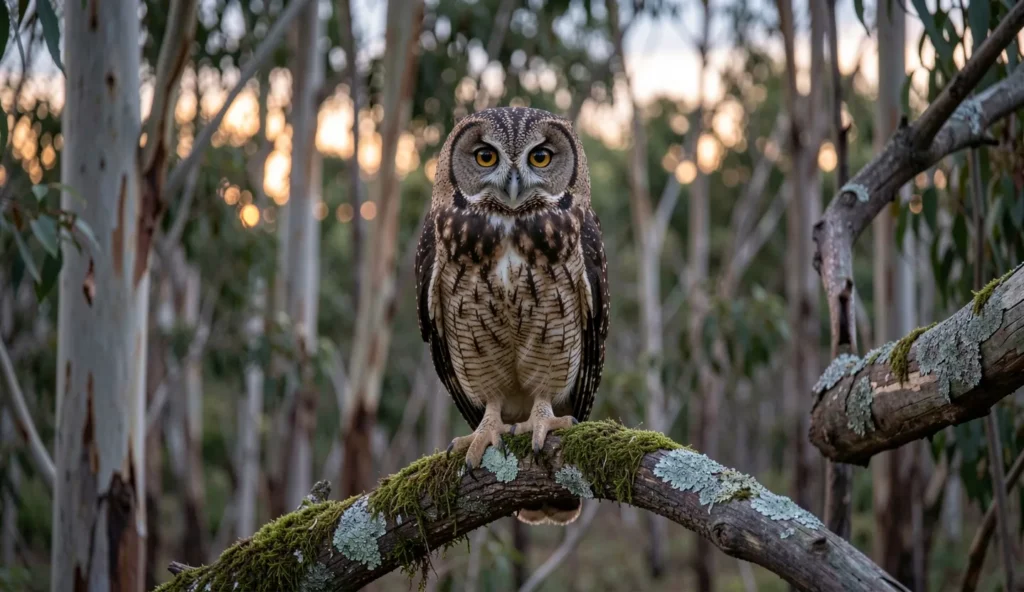
Eastern Grass Owl – The Ghost Of Wet Meadows And Complete Breed Guide
The Eastern Grass Owl is a nocturnal raptor native to wetlands across parts of Asia and Australia. This species is notable for its long legs and grassland camouflage, which aids its stealthy hunts in open meadows.
What Is The Eastern Grass Owl
Species Name And Taxonomy
The Eastern Grass Owl is a member of the Tytonidae family, closely related to other barn owl species. It is commonly referred to as the Australasian Grass Owl in regional guides and shares ancestry with the Barn Owl.
Distinctive Features At A Glance
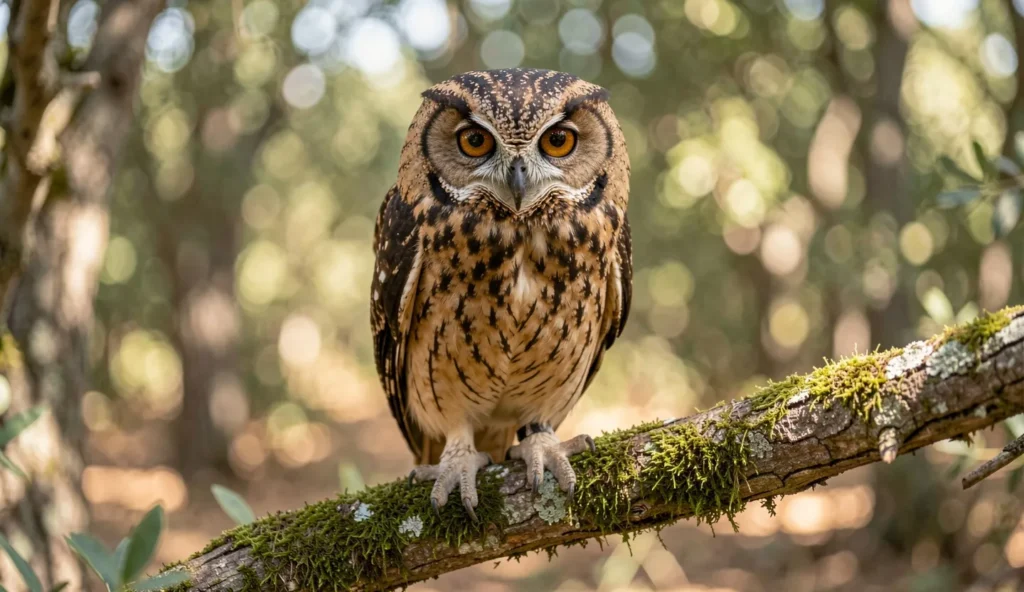
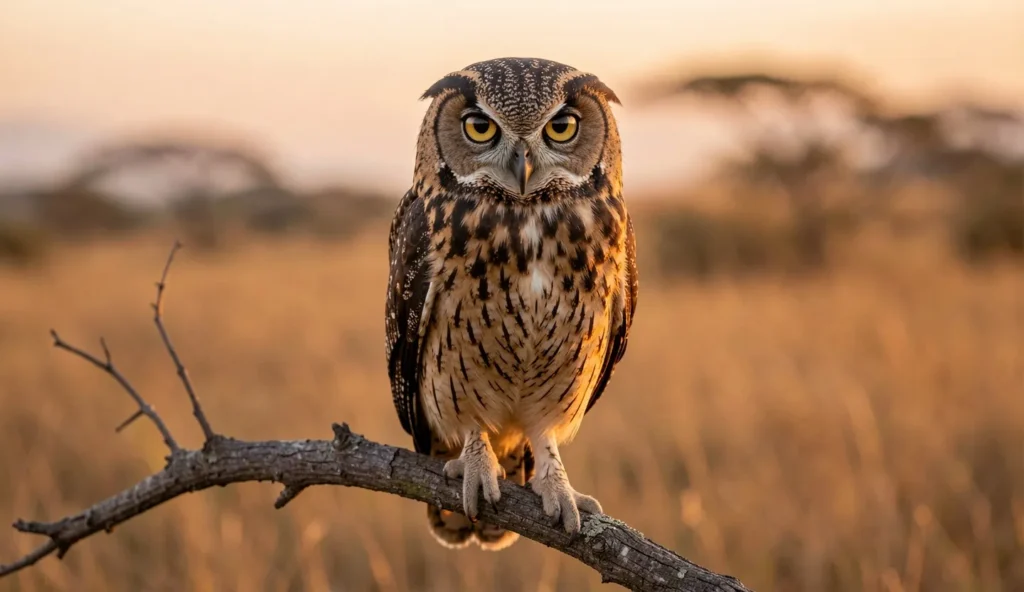
It has a medium to large size with pale buff to greyish underparts and a mottled back that camouflages in grasses. A long-legged, ground-hugging posture and a strong facial disc help it hunt on open wetlands, a trait it shares with the Long-eared Owl.
Appearance And Physical Features
Size And Plumage
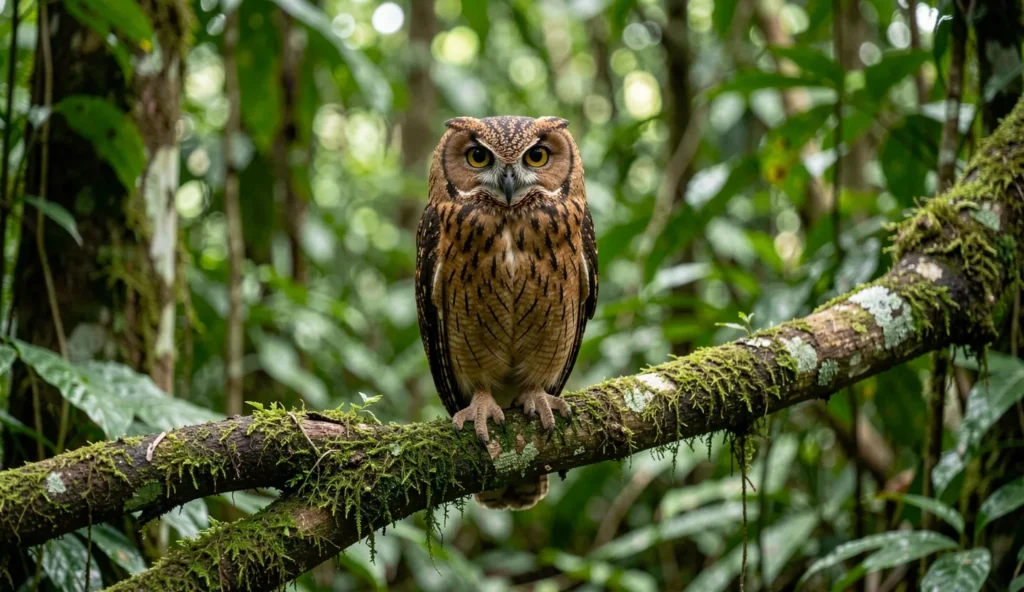
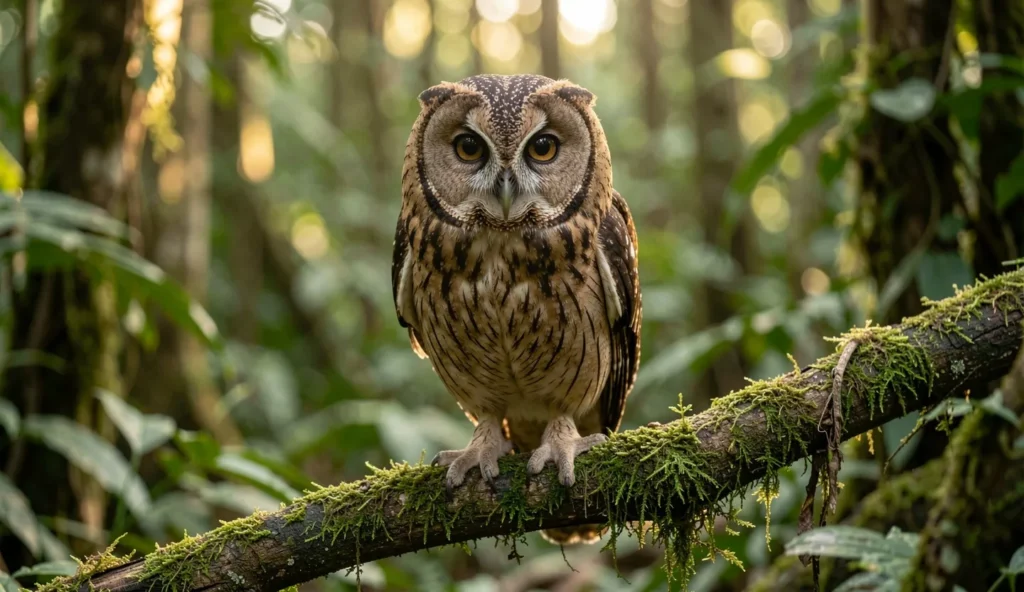
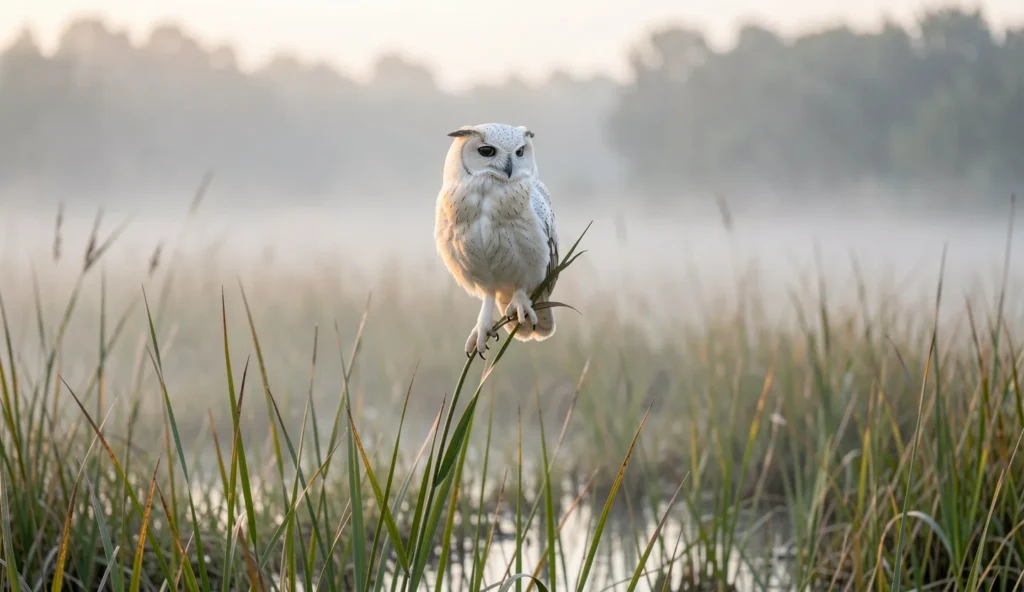
The Eastern Grass Owl is medium to large for an owl, with pale buff to greyish underparts and a mottled back. Its facial disc is well defined and the eyes appear dark against pale plumage.
Wings And Tail
Broad wings enable fairly silent flight low over grasslands, and a relatively long tail aids maneuvering. Wing markings help it blend with tall grasses during rest.
Legs And Feet
Relatively long legs help strike prey on the ground, and strong talons secure catches. Feathers extend down to the feet, providing warmth and concealment while foraging.
Habitat And Distribution
Natural Habitat Preferences
In natural settings, the Eastern Grass Owl favors grasslands and wet meadows where tall grasses provide cover. Reed beds near water also suit roosting and hunting.
- Primary habitat includes grasslands and wet meadows
- Open vegetation with nearby water sources
- Camouflage with grass and reed textures aids concealment
- Seasonal water levels influence prey availability
Geographic Range Across Asia And Australia
The Eastern Grass Owl has a broad range across Asia and Australia, and its migration patterns vary with rainfall and prey density, bringing it to coastal wetlands and inland marshes. On the ground, it shares niche features with the Eastern Screech Owl.
Breeding Range And Seasonal Movements
Breeding aligns with the wet season when prey is abundant. Nests are typically in natural cavities or ground scrapes near wetlands, and movements are influenced by rainfall patterns.
Behavior And Diet
Feeding Habits And Diet
Its diet mainly includes small mammals and rodents, with occasional insects. Prey selection adapts to local availability and seasonal shifts.
Hunting Techniques And Flight
It flies low and quietly over grasslands, using grass cover to ambush prey. Nighttime vision helps locate prey in dim light.
Vocalizations And Communication
Vocalizations include typical hoots and calls used for territory and nesting. The repertoire varies by region and context, signaling alarm or nesting behavior.
Breeding And Lifespan
Breeding Season And Nesting
Breeding coincides with resource abundance, with nests in cavities or ground scrapes near wetlands. Both parents participate in incubation and feeding.
Lifespan In The Wild And In Captivity
Longevity varies by region and predation pressure. In captivity, lifespans can be longer with careful care.
Conservation Status And Threats
Habitat loss and water management changes are major threats. Regional protections exist in many laws, and conservation efforts focus on wetland restoration and habitat protection.
Is The Eastern Grass Owl Right For You
Observer Opportunities And Skill Level
Birders can view these owls at wetlands during dawn or dusk, with a quiet approach. Patience is essential for spotting this elusive species in tall grasses.
Best Places To See Responsibly
Protected wetland reserves and grassland transects provide reliable viewing opportunities. Seasonal birding festivals or guided tours may enhance chances, and always follow local regulations and obtain permits if needed.
Conservation Actions For Birders
Support habitat protection and restoration projects that benefit wetlands. Avoid disturbance around nests and roosts, and share sightings responsibly to aid citizen science.
Final Note
The Eastern Grass Owl is a wetlands specialist that rewards careful observation and habitat preservation. A featured image depicts the owl in wet meadow habitat at dawn.
Closing Thoughts
The Eastern Grass Owl is a wetlands specialist requiring careful observation and habitat preservation.
Frequently Asked Questions
What is the Eastern Grass Owl and where is it found?
The Eastern Grass Owl is a nocturnal raptor native to wetlands across parts of Asia and Australia, known for its pale plumage and long legs.
How can you differentiate the Eastern Grass Owl from similar species?
It has longer legs, a paler buff coloration, and grassland hunting habits that distinguish it from Barn Owl.
What does the Eastern Grass Owl eat and where does it hunt?
It feeds mainly on small mammals and rodents, hunting from perches and ground cover in wetlands and grasslands.
Is the Eastern Grass Owl protected by law in its range?
Yes, it is protected under regional wildlife laws and conservation programs in many areas.
Where are good places to observe the Eastern Grass Owl in Asia and Australia?
Look for them in protected wetlands and grasslands during dawn or dusk with careful, responsible viewing.
What conservation actions can birders support for the Eastern Grass Owl?
Support habitat protection and avoid disturbing nesting sites during the breeding season.
What does the Eastern Grass Owl call sound like?
The vocalizations include hoots and calls used for territory and nesting, varying by region.