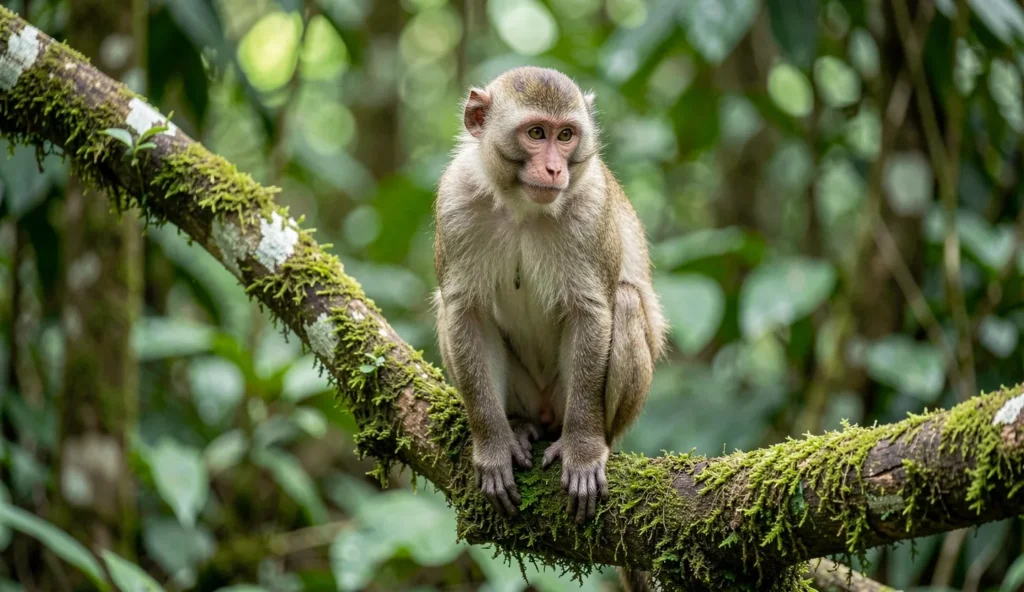
What Is a Southern Pig-Tailed Macaque
The Southern Pig-Tailed Macaque is an Old World monkey native to Southeast Asia, where it inhabits forests and riverine zones. This species is renowned for a distinctive long tail and high levels of intelligence, traits that drive research in primatology and neuroscience, similar to what is described in the Rhesus Macaque Breed profile.
Species Overview
As a medium-sized primate, it forms complex social groups and demonstrates sophisticated communication. The species plays a prominent role in studies of cognition, social learning, and behavior in captivity and the wild.
Taxonomy and Related Species
The scientific name for this macaque is Macaca nemestrina, and it belongs to the genus Macaca. The Crab-Eating Macaque is a closely related species often discussed in comparative care guides due to similar social structures and needs.
Appearance and Physical Features
Size and Build
These monkeys have a robust frame with a body length of roughly 40–65 cm and a tail that can reach up to 60 cm. Weight typically ranges from 5–14 kg, varying with age and sex.
Fur Color and Distinguishing Traits
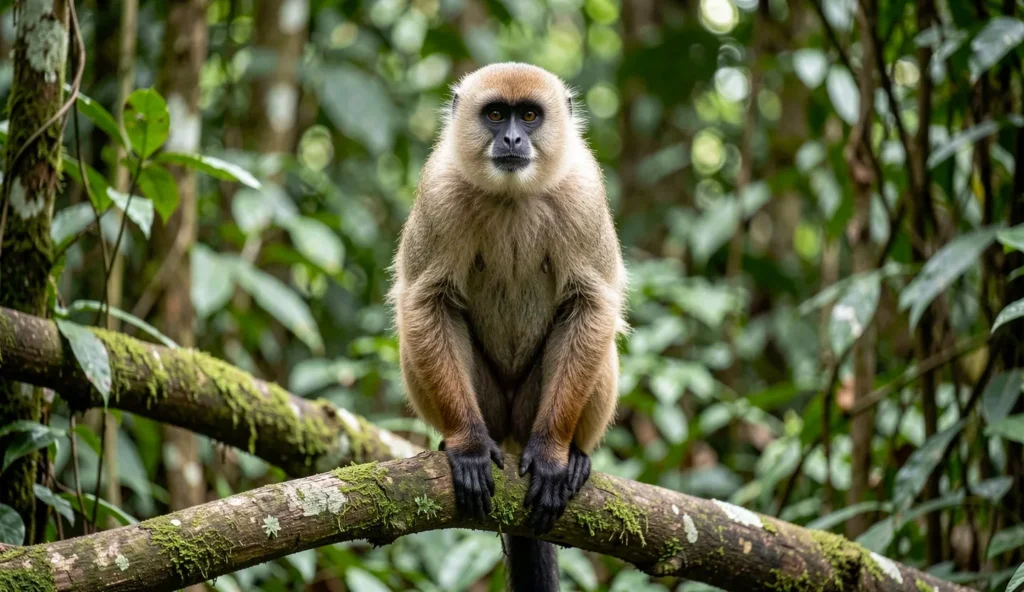
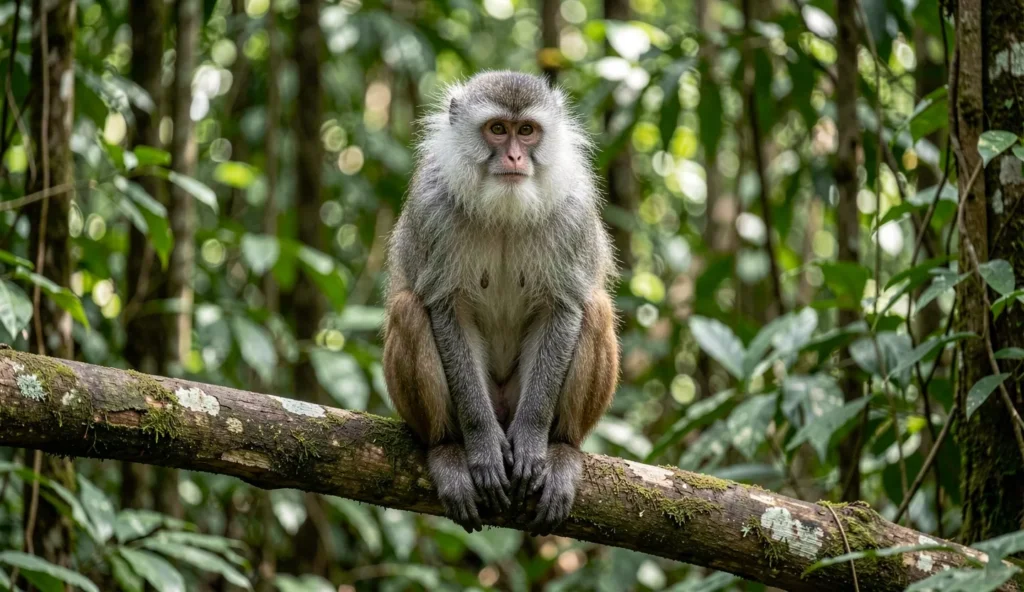
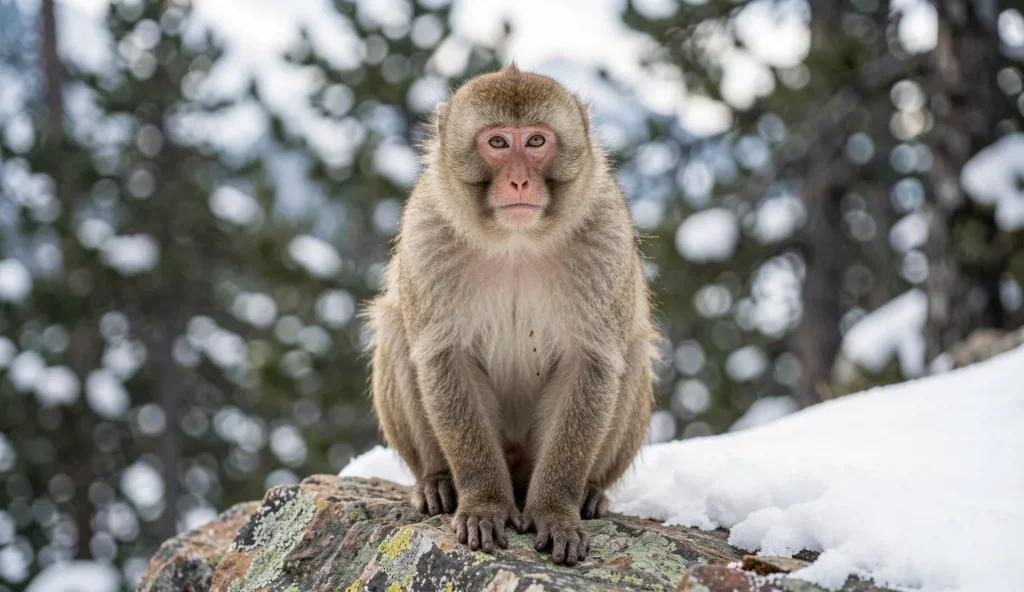
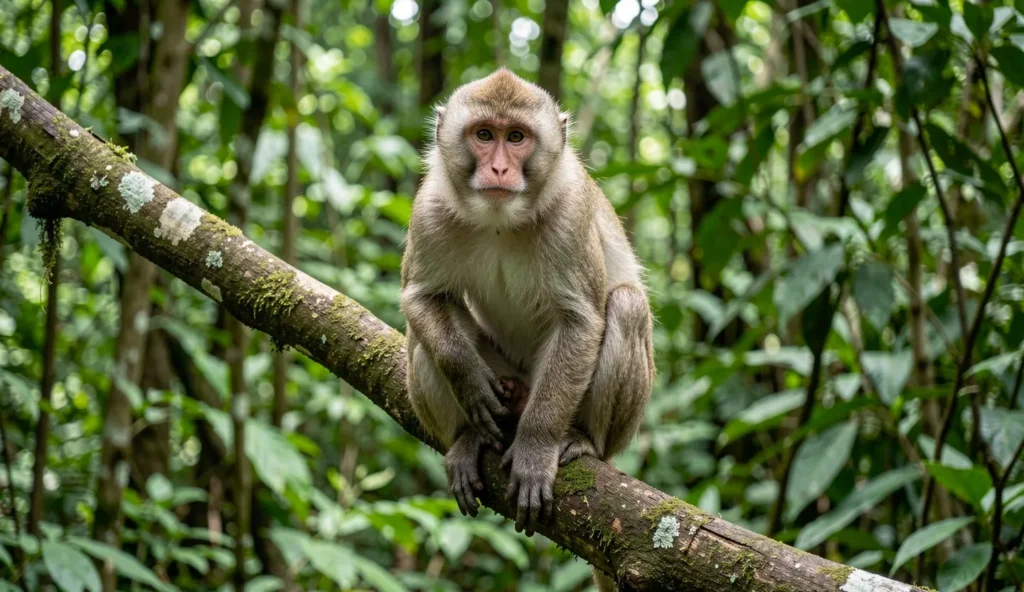
The coat color varies from gray to brown, with facial skin often lighter or contrasting in tone. Adult males may appear darker than females, and a prominent pig-like tail is a key feature for identification.
Distinctive Tail Characteristics
The tail is long and aids balance during arboreal activity, but it is not used for grasping like a prehensile tail. Hair patterns on the tail can vary by population, reflecting local adaptation.
Temperament and Social Behavior
Social Structure and Groups
Southern Pig-Tailed Macaques live in multi-male, multi-female troops with clear social hierarchies and grooming as a daily bonding activity. Group cohesion supports juvenile learning and defense against threats.
Interactions with Humans and Pets
Wild individuals are typically wary of strangers and can be unpredictable without training. They are not recommended as domestic pets due to behavior and welfare needs, and there is a risk of aggressive incidents without proper handling.
Intelligence and Problem Solving
These macaques show high cognitive abilities and social learning, requiring substantial mental stimulation in captivity. They may use tools and learn tasks when supervised by experienced caretakers.
Diet and Nutrition
Natural Diet in the Wild
Fruits, seeds, leaves, and invertebrates form the primary diet, with seasonal shifts affecting food choices. Foraging behavior provides physical energy and important enrichment.
Diet in Captivity or as Pet
In captivity, a balanced primate formulated diet plus fresh produce is essential. Avoid processed human foods and high-sugar items, and seek veterinary guidance for supplementation and minerals.
Foods to Avoid and Feeding Tips
Avoid toxic plants and unripe fruits with high acidity. Maintain consistent feeding times and secure food storage, and provide fresh water and enrichment during meals.
Health Issues and Care Considerations
Common Health Concerns
Dental issues and gum disease can arise, and parasites or gastrointestinal problems are possible. Stress-related illnesses may occur in captivity without proper enrichment.
Veterinary and Ethical Considerations
Access to exotic animal veterinarians is essential, and enclosures must meet welfare and security standards. Ethical concerns include meeting social needs and allowing natural behaviors to emerge.
Legal Status and Ownership Ethics
Ownership is often restricted or illegal without permits, and compliance with local and national laws is mandatory. Prospective owners should consider welfare commitments before pursuing ownership.
Is This Breed Right for You
Owner Experience Level Required
Extensive primate handling experience is required, and this species is not suitable for first-time exotic pet owners. Potential owners should have a documented background in advanced animal care.
Enclosure and Enrichment Needs
A large, secure space with climbing opportunities and regular enrichment is necessary to prevent boredom and aggression. Regular social interaction with compatible troop members is essential for welfare.
Legal and Compliance Checks Before Ownership
Verify permits, renewal requirements, and facility compliance. Access to accredited wildlife or primate centers may be needed for ongoing welfare support.
Final Note
Closing Reminder
This species requires expert care and strict legal compliance, and potential owners should prioritize welfare, safety, and legality above all else.
Frequently Asked Questions
What is the Southern Pig-Tailed Macaque primarily used for in research settings?
Used in primate cognition and behavioral studies to understand social learning.
Can a Southern Pig-Tailed Macaque be kept as a pet in any country or state?
Private ownership is restricted or prohibited in many jurisdictions and permits are often required where allowed.
What are the basic care requirements for this macaque in captivity?
A large, secure enclosure with vertical space and enrichment devices, plus a balanced diet and regular veterinary care.
Do Southern Pig-Tailed Macaques adapt well to human contact?
They are highly intelligent but can be unpredictable with humans, so handling requires trained professionals.
How long do Southern Pig-Tailed Macaques typically live in captivity?
Lifespan in captivity can exceed 20 years with proper diet, housing, and medical care.
Are there any legal or ethical considerations to check before pursuing ownership?
Check local wildlife laws for permits and consider long-term welfare implications before pursuing ownership.