What Is An Abaza Goat
The Abaza Goat is a less common Turkish goat breed known for mixed-purpose use, meaning it can support dairy and meat goals. Many goat owners choose this type of goat when they want one herd that may produce milk while also growing into usable meat animals. Abaza Goat traits often reflect local farm selection and management choices.
Because the Abaza Goat is not as widely documented as some popular dairy breeds, farm records and breeder history matter. Still, clear care routines can help new owners manage predictable results for both milk and growth. When owners plan properly, the Abaza Goat can fit small farms, mixed livestock operations, and family-scale goat keeping.
Origin And Typical Regions
Abaza goats are associated with Turkey and nearby regions where local farms selected animals for resilience and practical farm output. Breed popularity can vary because goat management often shifts based on climate, forage availability, and market goals. For many herds, the production focus stays flexible.
In mixed-purpose farming areas, owners may prioritize animals that can handle seasonal pasture while still supporting lactation needs. Over time, that approach helps shape Abaza goat characteristics that suit real farm conditions. Records may differ by region, so documentation can be uneven.
Mixed Purpose Uses
Abaza goats are typically used for both dairy and meat production. Some farmers manage lactating does primarily for milk, while others select breeding stock to emphasize body growth for later harvest. Even when milk is the main goal, good growth still supports healthier maturity.
Management choices help determine outcomes, including forage quality, concentrate use, and health control. With consistent routines, owners can reduce swings in milk output and weight gain. As a result, Abaza goat care often matters more than the label alone.
Abaza Goat Appearance And Physical Features
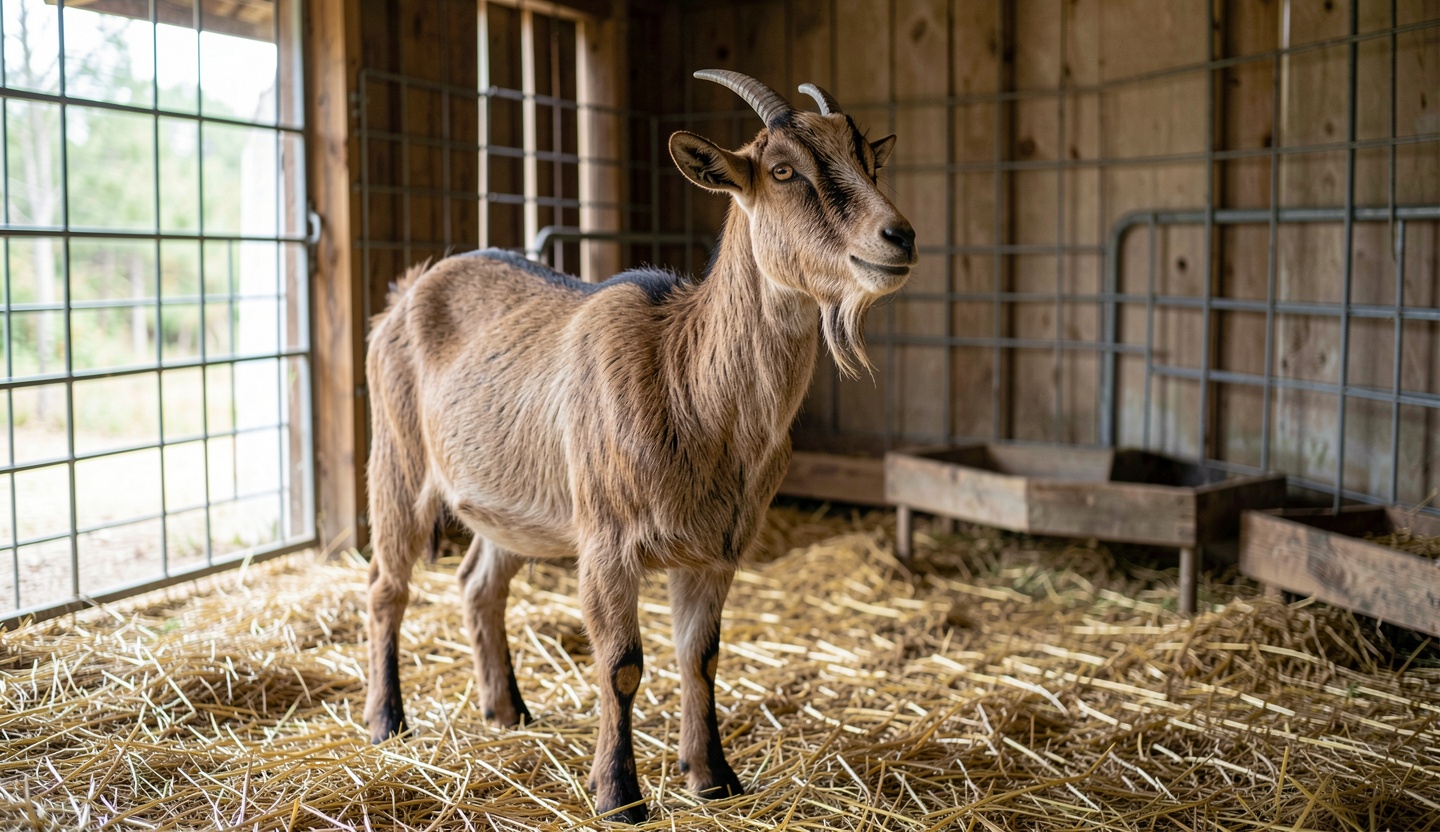
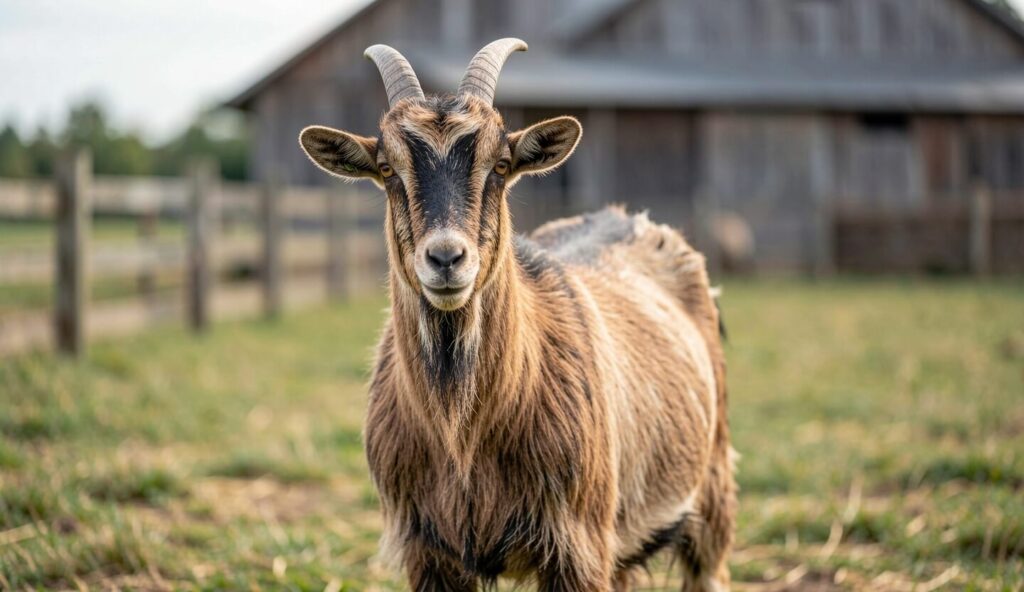
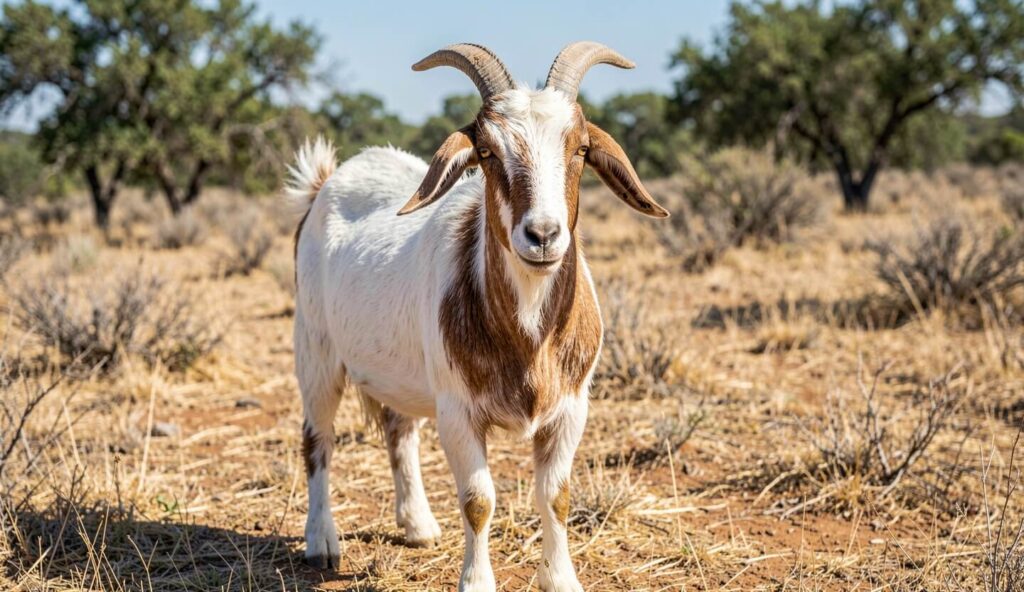
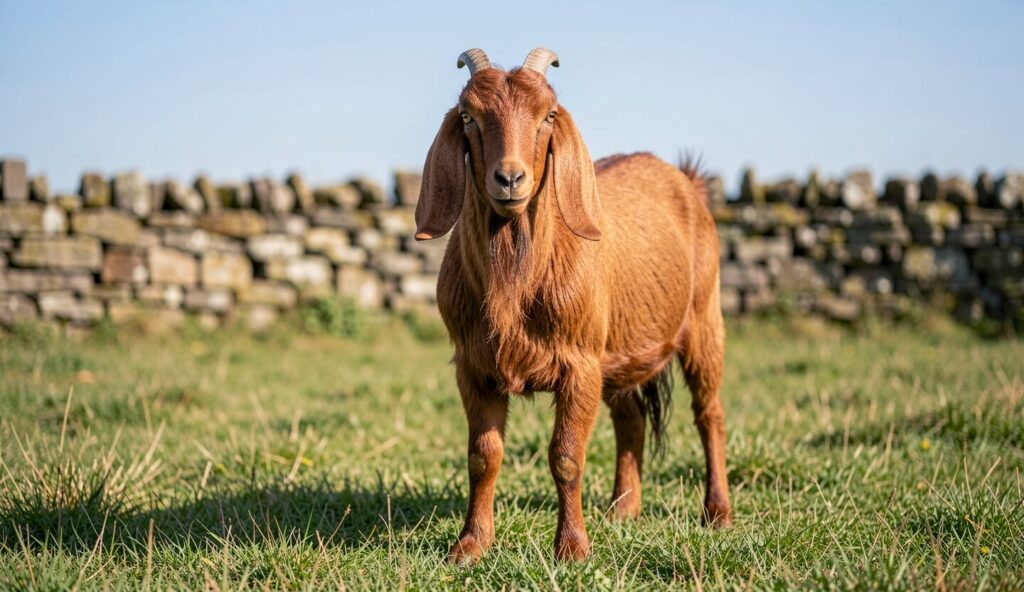
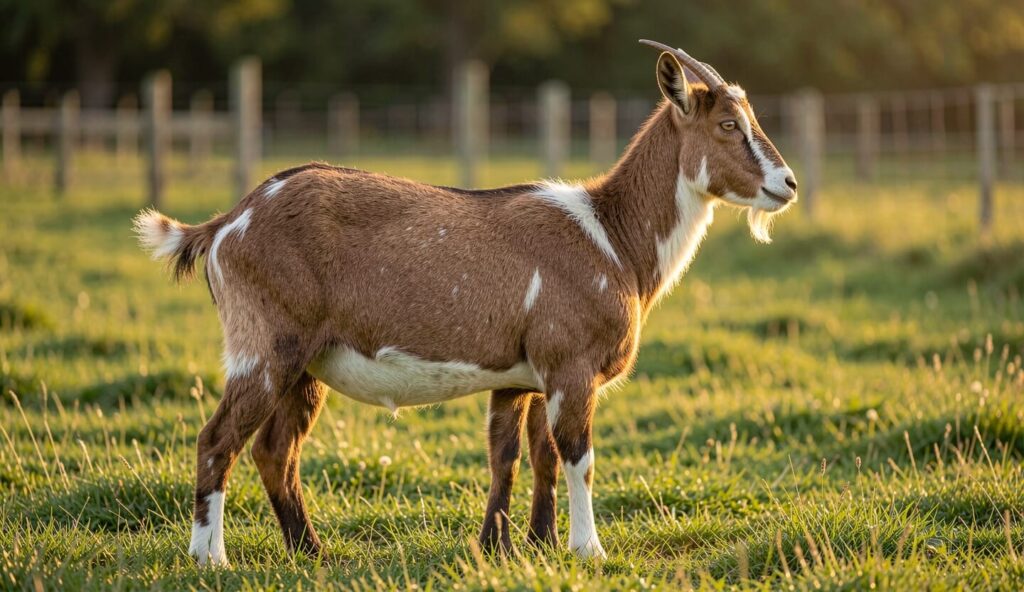
Abaza Goat appearance can vary across lines, but the overall body structure often reflects a working, adaptable animal. Common Abaza goat characteristics include a balanced build suited to grazing and practical farm handling. Coat color and pattern may differ, so physical identification often relies on general proportions plus verified breeding history.
For new owners, visual recognition helps with everyday management, but it should not replace records. Still, understanding typical features supports safer handling and better expectations for size. It also helps when comparing Turkish goat breed options for mixed-use herds.
Common Coat Colors And Markings
Coat color can vary by breeding line and local selection. Markings may include facial and body pattern differences, which can make two animals look distinct while still fitting the same general type. Color alone should not confirm pure breeding because mixed herds and cross-breeding can occur.
Instead of focusing on one shade, owners can look for overall body balance and healthy coat condition. Healthy Abaza goats usually show good hair quality and stable body condition for their stage of life. When coat quality drops, it often signals diet gaps, parasites, or housing stress.
Body Size And Weight Range
Abaza goat weight can vary with sex, age, and nutrition quality. Adult size often reflects mixed-purpose selection rather than extreme specialization. Because feeding and pasture quality change by region, typical weight targets can differ between farms.
Most owners use body condition scoring and weight checks to guide feed adjustments. This method helps keep animals in a workable range for breeding, lactation, and growth. For dairy and meat goals, consistent condition matters more than chasing one exact number.
Horns And Head Structure
Horns may be present and their shape can differ across animals. Head structure often appears proportionate to the body, which helps when goats navigate fences and handling areas. When owners plan handling, horn presence affects restraint methods and pen design.
Temperament and horn condition both matter for safety. Owners should inspect horns for cracks or overgrowth and make sure fences allow secure movement. Safe design prevents animals from getting stuck and reduces stress during routine care.
Abaza Goat Temperament And Behavior
Abaza Goat temperament is often described as manageable when goats receive regular contact and calm handling. Many animals adapt well to farm routines, especially when owners maintain predictable feeding and care schedules. Behavior can shift with unfamiliar humans, so gradual introductions still matter for pet owners.
Because goats are social animals, stress can increase when they feel isolated. When owners manage group housing and introductions well, the herd usually settles into clearer feeding order and routine patterns. That reduces pushing, chasing, and stressful barn encounters.
General Temperament
Abaza goats typically handle better when they receive consistent daily interaction. Routine handling reduces resistance during health checks and makes transport preparation easier. Over time, goats that expect calm steps often show fewer problem behaviors.
New goats may act cautiously at first, especially when placed in a new pen. Stable routines help them settle, including regular feeding times and safe shelter access. Owners can also watch for changes in appetite as a clue for stress or illness.
Herd Dynamics And Social Needs
Goats form social bonds and can show stress when separated from familiar herd mates. When adding new animals, owners should introduce them gradually to prevent disputes and injuries. Separate pens or controlled meeting sessions can lower stress during early days.
Feeding order also affects behavior, so owners can reduce pushing by providing enough space and feed access. Clear access points and distribution of minerals help reduce competition. When herd dynamics stabilize, daily tasks become easier for both pet owners and breeders.
Handling Considerations
A calm approach and predictable steps protect both goats and handlers. Owners should pay attention to individual reactions during grooming, udder checks, and hoof inspection. If an animal shows repeated agitation, the plan may need to change through better restraint design or gentler timing.
Safe restraint methods reduce injury risk during exams and treatments. Even manageable Abaza goats can resist if they feel trapped or if pain affects them. Therefore, routine handling should always include observation before movement.
Housing Essentials For Abaza Goats
Good goat housing supports health, comfort, and predictable production. For an Abaza Goat, the housing focus includes dry bedding, good ventilation, and safe fencing. These elements reduce respiratory stress and lower the risk of hoof and skin issues that often rise in damp conditions.
Housing quality also influences milk hygiene and udder health for lactating does. When barns stay clean and dry, owners typically see fewer problems related to wet bedding exposure. Over time, that routine also supports better appetite and easier daily management.
Shelter, Ventilation, And Bedding
Shelter needs to protect from wind and rain while still allowing airflow. Good ventilation prevents ammonia buildup and reduces respiratory stress. In cold months, ventilation stays important because trapped moisture can still harm lungs.
Dry bedding supports cleaner udders and improves skin comfort. Owners can use straw or other suitable dry material and replace wet bedding quickly. When bedding stays dry, hoof areas also remain less exposed to softening and infection risks.
Space And Fencing Basics
Provide enough space to reduce crowding and stress. Crowding can increase injury risk and raises competition at feed and water points. When goats can spread out, routine care also becomes safer and easier.
Fencing should prevent escapes and reduce injury risk. Secure gates, stable posts, and safe corners matter because goats test boundaries. Using secure barriers helps owners avoid collisions during pen cleaning and segregation.
Pasture And Run Options
Rotational grazing helps prevent overgrazing and can support healthier pasture regrowth. For wet seasons, a dry run area helps protect hooves and reduces mud buildup. Mud increases risks for foot rot and makes manure management harder.
Mineral and water access should spread across the pasture. When waterers and minerals are too concentrated, dominant animals can block access for others. Owners can manage this by placing multiple access points when the herd size grows.
Sanitation And Manure Management
Remove wet bedding and manure frequently to keep floors drier and reduce parasite loads. Owners can spot-clean daily and schedule deeper cleanouts as needed. Disinfect commonly touched areas based on routine farm hygiene practices.
Clean waterers support lower disease risk and help goats keep steady hydration. When waterers get dirty, feed intake often drops and stress can increase. Clean water also supports digestion, which matters for both dairy and meat goals.
Diet And Feeding For Abaza Goats
Diet drives performance for both milk production and growth, so Abaza Goat feeding should focus on consistent forage and appropriate supplements. For dairy and meat goats, fiber quality and mineral balance often decide how well animals maintain condition. Even mixed-purpose farms benefit from careful ration planning rather than random feed changes.
Owners also need to match the diet to life stage, including growth, breeding readiness, and lactation. Small adjustments can prevent digestive upset and support stable weight gain. Over time, feeding routines help owners understand each goat’s appetite and needs.
Core Ration Ingredients
A base diet should rely on high quality forage. Hay and pasture forage provide fiber that supports normal digestion in goats. Fiber also helps reduce the risk of digestive problems that can occur when concentrates replace forage.
Supplemental grains may fit depending on production goals. Lactating does and growing kids may need extra energy and protein beyond forage. For meat production, concentrates can support faster growth when forage quality stays adequate.
Feeding Schedules For Dairy Use
For dairy use, lactating does often require increased energy and protein to support milk synthesis. Many owners benefit from split meals so goats maintain steady intake and avoid gut upset. Consistent timing also supports predictable milk-related routines for milking and hygiene.
Sudden ration changes can disrupt digestion and reduce production. Therefore, owners should adjust concentrates gradually over several days. Monitoring body condition helps determine whether additional supplements are truly needed.
Feeding For Meat Production
For meat goals, growth depends on consistent forage quality and appropriate energy levels. Concentrates usually play a stronger role during growth phases, especially when pasture quality drops. Owners can introduce concentrates slowly and observe stools and appetite for early signs of digestive upset.
Regular weight checks help adjust feeding for stable growth. When weight gain slows, the ration may need energy support. When animals gain too quickly, owners can reduce concentrates to protect long-term health and body structure.
Minerals, Salt, And Water Access
Free-choice mineral and salt access supports essential nutrient needs for goats. Owners should use mineral mixes intended for goats rather than using random livestock salt blocks. Because different regions have different soil mineral profiles, a goat-specific mineral is often a better starting point.
Fresh water should always be available. Warm weather can increase water demand, and reduced intake can quickly affect digestion and production. Owners can monitor water intake patterns to identify problems early.
Foods To Avoid And Practical Cautions
Avoid moldy hay and spoiled feed because these can harm digestion and overall health. Moldy feed can also increase risk of serious illness in goats. Owners should store hay correctly and remove any suspicious feed immediately.
Limit access to toxic plants in pasture areas. When goats browse beyond fence lines, poisonous species can become a silent threat. Finally, introduce concentrates slowly so the rumen adapts without stress.
- Provide high quality hay as the main forage base
- Use split concentrate meals for lactating does
- Adjust feed gradually to prevent digestive disruption
- Offer free-choice goat mineral and constant clean water
Handling, Milking, And Care Tips
Daily care routines support milk quality for dairy use and overall health for mixed-purpose herds. For Abaza Goat management, owners should build consistent systems for health checks, udder care, grooming, and hoof monitoring. These habits reduce small problems before they become major vet issues.
Good routines also make training and handling more predictable. When goats trust daily steps, owners spend less time struggling and more time observing early changes. That improves animal welfare and supports better outcomes for breeders and pet enthusiasts.
Daily Health Checks
Check appetite, body condition, and alertness every day. Owners can also inspect coat and skin for signs of irritation or unusual discharge. If activity drops along with appetite, that combination often signals a problem worth investigating.
During routine chores, inspect hooves for injury or overgrowth. Early detection supports easier treatment and reduces long-term complications. Owners should also look for signs of pain when goats walk or stand.
Milking Preparation And Udder Care
Keep udders clean before milking to protect milk hygiene. Owners should use clean hands and clean equipment and keep milking timing consistent. Consistency supports both milk flow and comfort for the doe.
After milking, proper cleaning and handling can help reduce irritation. Abaza goat milk quality depends on hygiene and udder health, not just breed label. Owners should watch for swelling or abnormal milk changes during regular routine checks.
Grooming And Coat Care
Brush to remove dirt and reduce matting. Grooming helps owners see skin changes early and improves comfort for goats in wet seasons. Owners can focus on areas that collect moisture most easily.
After rainy periods, check for skin irritation. Wet weather increases the chance of mild problems turning into infections if attention comes late. Grooming also supports safer handling by keeping animals more relaxed.
Hoof Care And Preventing Laminitis
Trim hooves when needed based on growth and wear patterns. Owners can reduce hoof problems by keeping floors as dry as possible. When hoof surfaces stay wet, bacteria and softening can increase the chance of disease.
Treat injuries early and provide appropriate care. If limping starts, owners should inspect promptly instead of waiting. Preventing complications protects mobility, which supports eating and growth.
Training And Socialization For Pet Owners
Even when goats remain primarily for farm production, calm behavior matters for veterinary visits, milking, and everyday handling. Abaza Goat training works best with short sessions and predictable routines. Socialization reduces stress and helps goats accept equipment like halters or grooming tools.
Beginner-friendly training should prioritize safety and comfort. Owners can keep goals simple at first, then build up to stall or lead time. When stress stays low, learning improves.
Teaching Calm Handling
Use short handling sessions and calm body language. Pair handling with quiet rewards such as fresh forage when goats remain cooperative. Repetition helps goats understand what comes next.
Consistent handling steps make health checks faster. Owners can also choose a consistent location in the barn to reduce confusion. Over time, calm Abaza goats often move more willingly for routine tasks.
Training For Lead Or Stall Time
Introduce equipment gradually and stop if distress appears. It helps to practice brief, successful moments rather than forcing long sessions. For health care, stall time can make veterinary care simpler and safer.
Owners can practice stall time for grooming and exams. Keeping sessions brief helps goats associate the space with predictable routines instead of fear. Ending on a successful step builds confidence for both animals and handlers.
Minimizing Stress During Routine Tasks
Schedule tasks at the same time of day when possible. Goats often adjust better when daily routines do not change frequently. Handling one goat at a time during early training can also prevent herd pushing and collisions.
Use safe barriers to avoid accidents while moving animals. When tasks stay organized, goats experience fewer stressful interruptions. That approach supports smoother care for both dairy and meat herd needs.
Common Abaza Goat Health Issues
Abaza goat health issues often follow predictable patterns seen in many goats. Housing moisture, parasite exposure, and hygiene gaps can increase risks for respiratory illness, hoof problems, and udder problems. Owners reduce problems by combining prevention, observation, and timely veterinary support.
Because the Abaza Goat serves mixed-purpose use, owners also need to protect production health. Parasites can reduce growth and milk output, while respiratory problems can affect appetite. Health prevention therefore supports both welfare and farm goals.
Parasites And Worm Control Basics
Internal parasites can affect growth and milk production. When goats carry heavy worm burdens, body condition usually drops and animals may appear less active. Fecal testing can guide targeted treatment when possible.
Rotate grazing and manage manure to reduce exposure. Keeping bedding clean also reduces parasite carryover inside shelters. Owners can track which animals shed the most and adjust management for higher risk goats.
Respiratory Problems
Poor ventilation increases the risk of respiratory illness. Wet bedding and damp housing worsen breathing stress because moisture supports irritation. When barns stay dry with airflow, respiratory risk typically decreases.
Isolate sick animals early to reduce spread risk. If breathing changes appear, contacting a veterinarian helps determine the cause. Quick action prevents small infections from becoming severe complications.
Udder Health And Mastitis Prevention
Udder health depends on hygiene and dry bedding. Owners should keep udders clean and reduce wet bedding exposure, especially for lactating does. During milking, clean hands and clean tools matter for milk safety.
Watch for swelling, heat, pain, or abnormal milk. When changes appear, early vet advice supports better outcomes. Waiting often increases severity and can affect future lactation performance.
Foot Problems And Skin Issues
Foot rot risk increases in consistently wet conditions. Regular hoof inspection helps catch early signs before infection spreads. In wet seasons, dry runs and more frequent bedding changes can make a noticeable difference.
Skin issues also rise when animals spend long periods on damp floors. Owners can treat minor irritation early to prevent infection. Keeping grooming routines consistent supports early detection.
Vaccinations And Veterinary Care Planning
Vaccination schedules depend on local risk factors and regional veterinary guidance. A vet plan helps ensure goats receive preventive care before high-risk periods. Breeding and lactation can increase stress, so planning support before these times is useful.
Record treatments and monitor responses after veterinary visits. Owners can also record weight and body condition changes for early clues. With documentation, follow-up care becomes faster and more accurate.
Breeding Basics For Abaza Goats
Breeding takes planning because kidding affects herd management, nutrition, and health. For Abaza Goat breeding, focus on selecting healthy stock and preparing a clean kidding area. With goat breeding basics in place, owners reduce stress for both does and newborns.
Mixed-purpose goals mean breeding decisions should support both milk needs and growth targets. Selecting animals with good body condition and stable health helps overall herd performance. It also supports healthier kidding and better early survival rates.
Selecting Breeding Stock
Choose healthy animals with stable body condition. Consider production goals for milk or growth when choosing parents. Avoid breeding from animals with chronic health problems or frequent severe issues.
Owners should also consider temperament since calm animals usually manage better during handling and milking. Balanced body structure supports easier kidding and healthier recovery. When selection focuses on health first, productivity often follows.
Mating Timing And Kidding Preparation
Track heat cycles and plan controlled mating if desired. Controlled planning helps align kidding with feed availability and shelter readiness. Owners can also reduce stress by preparing a clean, warm kidding space ahead of the due date.
Have supplies ready for newborn care and cleaning. This preparation includes clean towels, monitoring tools, and safe warmth sources. When owners prepare early, they respond faster if complications appear.
Newborn Care And Early Feeding
Newborns need colostrum early, since it supports immune protection. Owners should monitor nursing and hydration during the first days. Keeping the environment warm and dry reduces stress and supports better recovery for both mother and kids.
Care also includes observing breathing and activity. If a kid does not nurse promptly, owners should seek veterinary advice. Early intervention supports survival and reduces long-term health problems.
Weaning And Growth Targets
Weaning age varies based on management and feed quality. Some farms wean earlier when forage and starter feed support growth, while others extend access depending on herd needs. Owners can use body condition and growth measurements to guide timing.
Provide starter forage and creep feed if used. Growth tracking supports diet adjustments for steady progress. For mixed-purpose goals, consistent growth helps kids reach appropriate size for future milk or meat plans.
Starter Checklist For New Abaza Goat Owners
A practical checklist helps new owners start with fewer mistakes. When setup tasks happen before goats arrive, daily care becomes smoother from day one. This is especially useful for less common breeds where local references may be limited.
The Abaza Goat can fit many farm types, but correct housing, feeding, and health planning still drive success. Owners should treat preparation as part of goat care, not a one-time task. Each week should include observation and adjustments.
Before Bringing Home The First Goat
Secure fencing with safe gates and stable posts. Confirm hay quality and plan forage storage so goats receive consistent intake. Arrange a veterinary visit for a baseline exam soon after arrival when possible.
Set up clean water access and mineral supply before the first day. Prepare a quarantine space for new arrivals to reduce disease introduction risk. This step supports herd protection and simplifies later health decisions.
Daily And Weekly Care Tasks
Check appetite, behavior, and hydration daily. Inspect hooves and bedding during routine chores because many problems start in these areas. Clean waterers and remove wet bedding regularly to keep the environment dry.
Record feed changes, weights, and symptoms so patterns become easier to spot. This documentation helps identify causes when health or production shifts occur. For dairy and meat goats, tracking supports better adjustments and fewer surprises.
Equipment And Supplies To Keep Ready
Keep milking supplies ready if does remain for milk production. Hoof trimming tools and safe restraint equipment support timely maintenance and safer care. Basic first aid supplies help manage minor issues while waiting for veterinary guidance.
Manure handling tools support sanitation maintenance. Clean areas reduce odors and reduce disease pressure over time. With supplies ready, routine tasks remain consistent instead of delayed.
- High quality hay storage with protected dry storage
- Goat-specific mineral and consistent salt options
- Clean waterers and a plan for daily cleaning
- Quarantine pen setup for new herd arrivals
- Hoof tools and safe restraint methods
Is An Abaza Goat Right For You
The Abaza Goat can work well for owners who want a mixed-purpose herd and can maintain solid basic care routines. For many farms, this breed supports both dairy and meat goats goals, but outcomes depend on management. Planning for forage, housing, and health checks makes the biggest difference.
When resources match the needs of goats, keeping Abaza goats often becomes a practical long-term setup. Owners who can monitor condition and respond quickly to issues typically see steadier results. This approach supports both pet-style handling and breeder goals.
Best Fit For Mixed Purpose Goals
Consider whether both milk and meat are part of farm plans. Housing and feeding capacity should match production goals so animals can meet nutritional needs. Planning breeding and care routines before committing reduces stress later.
For mixed purpose herds, consistent forage supports both lactation and growth. Selective breeding can emphasize one direction when that matches farm goals. Still, day-to-day care must stay consistent to protect output.
Time And Resource Requirements
Regular health checks and clean housing are required for stable performance. Consistent forage sourcing supports predictable appetite and steady weight changes. Veterinary planning reduces long-term losses by catching preventable issues early.
Time also goes into observation, especially for hoof care, udder checks, and feeding adjustments. Owners who keep routines consistent typically find troubleshooting becomes simpler. That supports welfare and helps maintain reliable production patterns.
Questions To Evaluate Before Purchase
Available space should support separation for health and breeding. A feed budget should support forage quality and any needed supplements. Local regulations also matter for goat keeping and breeding, especially if animals change in number.
It also helps to compare market and farm references for dairy and meat planning. If more documentation is available for other breeds, some owners may evaluate options alongside the Abaza Goat. For example, dairy-focused comparison may include a nubian goat reference for milk style, though herd selection decisions still depend on local availability.
Frequently Asked Questions
What Are Abaza Goat Characteristics That Help Identify The Breed?
Abaza goat characteristics can vary by line and local selection, so appearance alone may not confirm identity. Healthy body condition and balanced build are common indicators, but breeder records provide the most reliable verification.
Are Abaza Goats Better For Dairy Or For Meat?
Abaza goats are typically described as mixed-purpose goats rather than a single-focus dairy or meat breed. Management and selective breeding can emphasize milk or growth, but feeding and health largely decide results.
How Much Forage Do Abaza Goats Need Each Day?
Forage intake depends on body size and production stage, including growth or lactation. Owners should offer high quality hay or pasture as a constant option and adjust based on body condition and observed intake.
What Housing Setup Helps Prevent Common Abaza Goat Health Issues?
Provide dry bedding and good ventilation year round to support respiratory health. Avoid damp floors to reduce hoof and skin problems, and keep water clean to lower disease risk.
How Are Abaza Goats Bred And What Is Needed For Kidding?
Breeding plans typically start with heat cycle tracking and controlled mating if desired. A clean, warm kidding area should be ready in advance, and newborns need colostrum early with close monitoring.
What Are Early Signs Of Illness In Abaza Goats?
Reduced appetite and lower activity often appear early when illness begins. Owners should also watch for breathing changes, skin problems, and hoof limping, and contact a veterinarian if symptoms persist or worsen.
A Final Note On Abaza Goat Care
Consistent housing, clean feed routines, and timely health checks help Abaza Goat keepers achieve steadier milk and growth results. With planned care, this Turkish goat breed can support practical farm goals and calmer everyday handling.