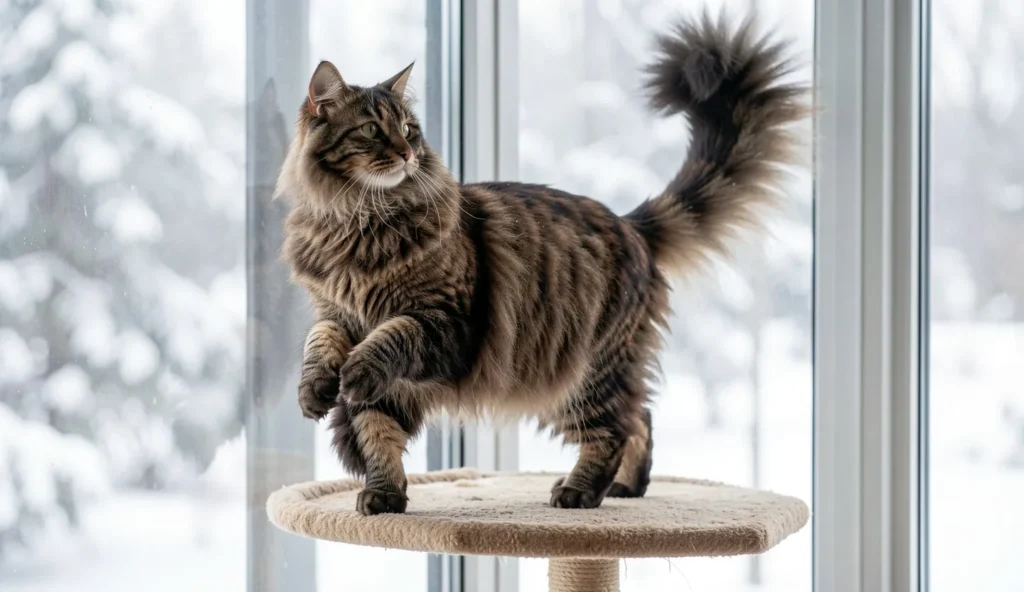
Why Do Cats Make Biscuits? The Kneading Behavior Explained
If your cat ever presses its paws into a blanket, pillow, or your lap, you have seen them “make biscuits.” That adorable kneading motion—alternating paw pushes—looks like kneading dough and has roots in instinct, comfort, and communication. This behavior is one of the most endearing quirks of feline companionship, and understanding it deepens the bond between you and your pet. This guide explains what kneading means and why cats do it, drawing on insights from cat behavior explained by experts.
What Is “Making Biscuits”?
“Making biscuits” is a casual, affectionate term for kneading. A cat uses one paw, then the other, to push into a soft surface rhythmically. Kittens learn this while nursing, and many adults keep doing it because it feels good and is calming. The motion is often accompanied by purring and a blissful expression, signaling a state of pure contentment.
A Behavior From Kittenhood
Kittens knead their mother’s belly to stimulate milk flow. That early association links kneading with warmth, safety, and nourishment—so adult cats often knead when they feel relaxed or comforted. This instinctive behavior is a throwback to the earliest days of life, and it explains why many cats knead soft surfaces like blankets, pillows, or their owner’s lap.
Comfort, Relaxation, and Bonding
Most cats knead when they are content: on your lap, on a sunny spot, or before settling down to sleep. If your cat kneads you, it is usually a sign of trust and affection—your lap is a safe, comforting place. This bonding behavior is closely tied to the soothing sound of purring, and you can learn more about that connection in our guide on why do cats purr.
Marking Territory
Cats have scent glands in their paw pads. When they knead, they deposit tiny scent marks that say, “this is mine.” It is a subtle way to make their environment familiar and secure. Combined with other behaviors like rubbing their face on furniture, kneading helps cats create a comforting, personalized space.
Nesting and Preparing a Resting Spot
Wild ancestors of domestic cats would pat down grass or leaves to make a comfortable nest. Domestic cats keep this instinct and often knead before lying down to fluff a sleeping spot or check comfort. This nesting behavior is particularly common in pregnant cats, and if you have a cat expecting kittens, you may want to read about how long are cats pregnant to prepare for the arrival.
Is Kneading Ever a Problem?
Kneading is normal and healthy. The main concern is when sharp claws cause scratches. To avoid discomfort:
- Place a soft blanket over your lap when a cat kneads you.
- Keep your cat’s nails trimmed.
- Redirect vigorous kneading onto a cushion or soft toy if needed.
If you notice excessive kneading combined with other unusual behaviors, it may be worth reviewing common cat diseases and prevention to rule out any underlying health concerns.
Quick Takeaways
- Kneading comes from kittenhood and nursing.
- It signals comfort, relaxation, and trust.
- Cats also leave scent marks while kneading.
- It is natural, but only manage if claws are uncomfortable.
Frequently Asked Questions
Why does my cat make biscuits for me?
They feel safe and affectionate. Your lap reminds them of the warmth and security of kittenhood.
Do all cats knead?
Many do, but not all cats knead. Personality and early-life experiences influence whether a cat kneads as an adult.
Why does my cat purr while kneading?
Purring and kneading together usually indicate deep contentment and relaxation.
Should I stop my cat from kneading?
Generally, no—kneading is natural. If the claws bother you, offer a blanket, trim nails, or gently move the cat to a barrier that protects your skin.
Want a thumbnail image for this article or a short social caption to go with it? I can create one for you.