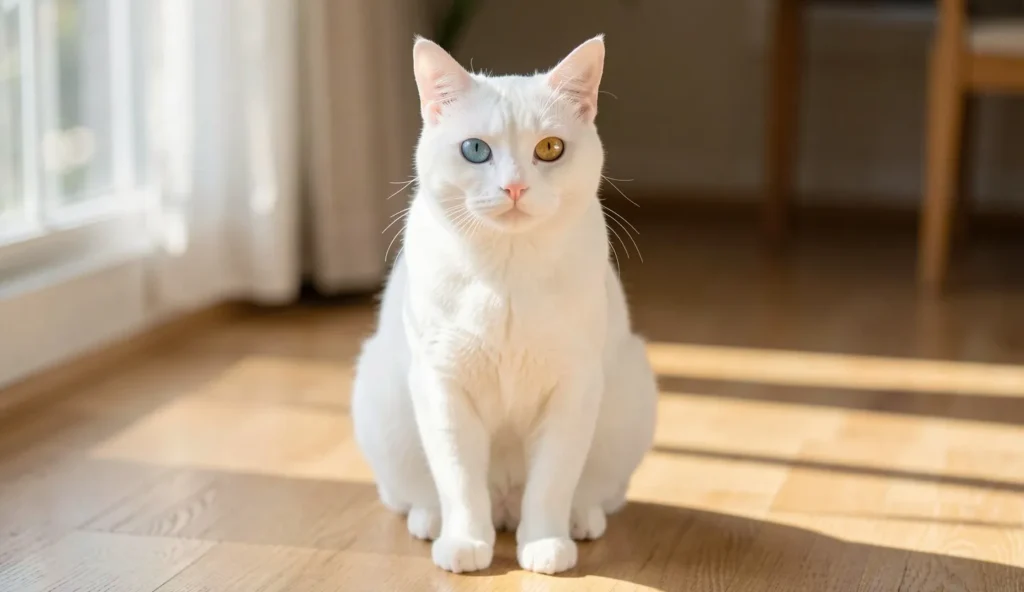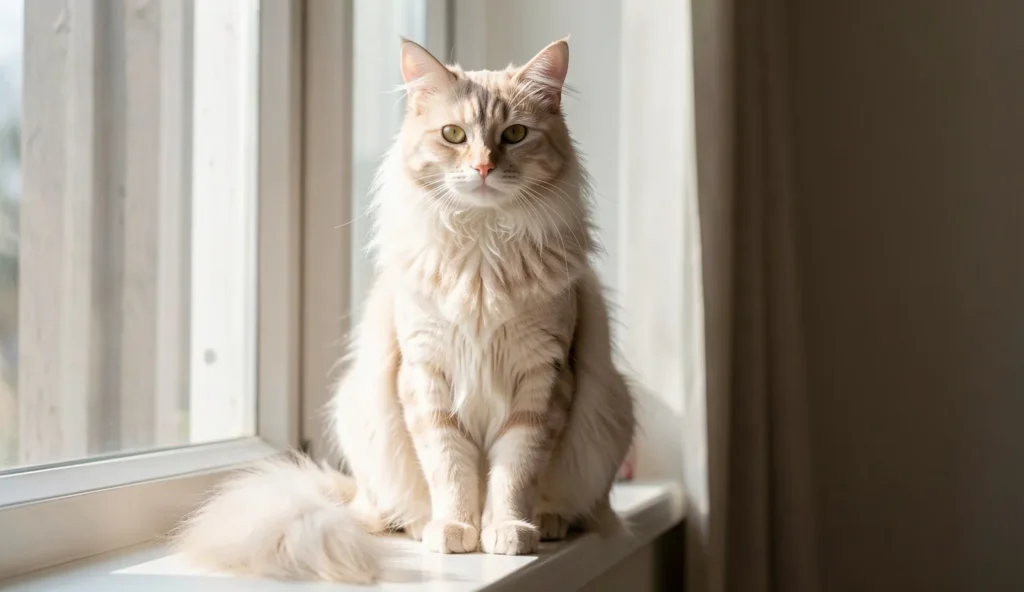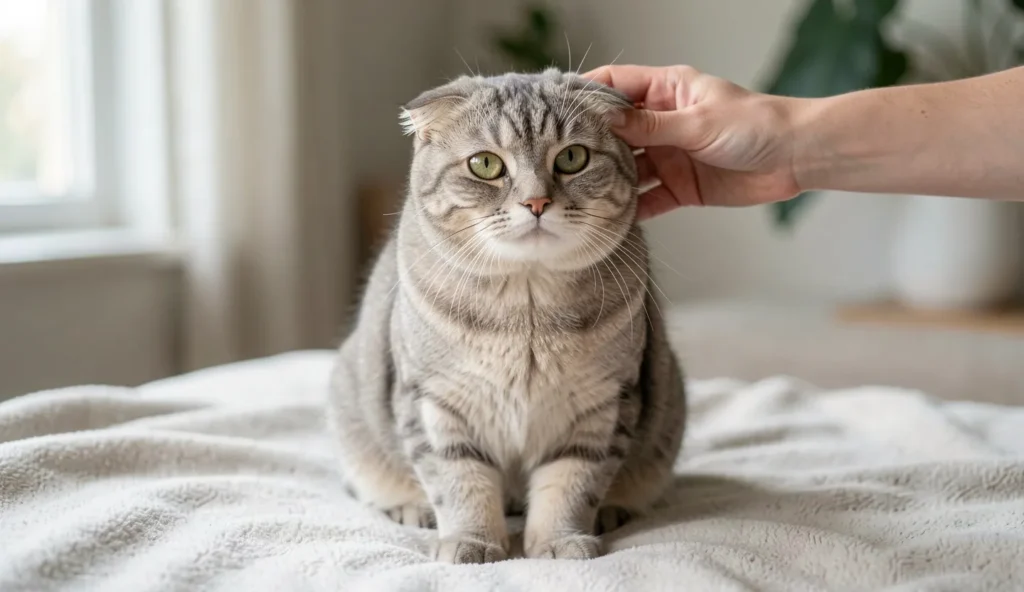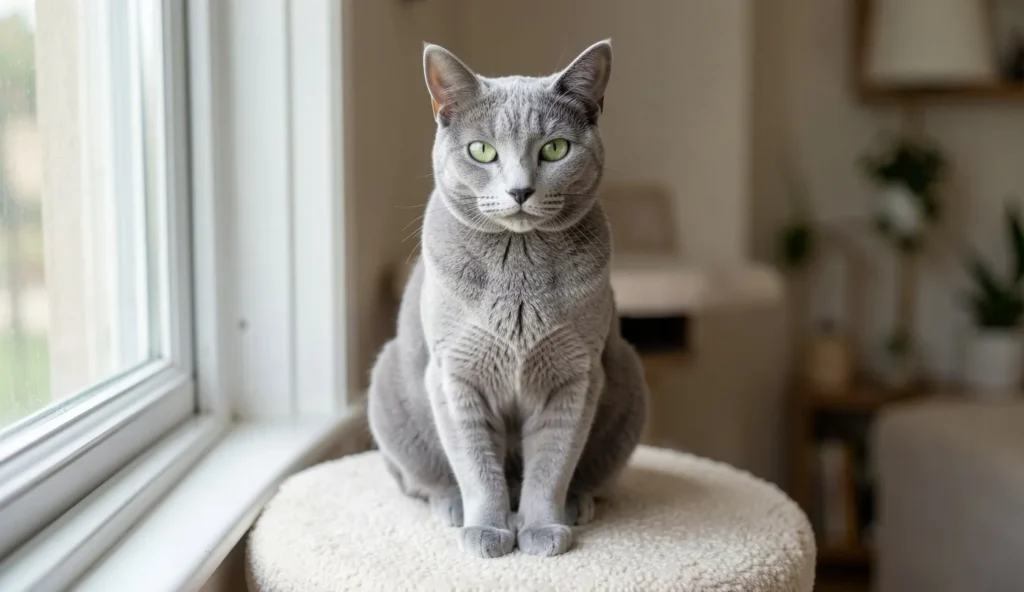
The British Shorthair is one of the most beloved cat breeds in the world, admired for its plush coat, round face, and calm demeanor. With a history dating back to ancient Rome, this breed blends timeless charm with an adaptable and affectionate personality. If you are looking for a low-maintenance feline friend, the British Shorthair is an excellent choice, especially when compared to other best indoor cat breeds for small apartments.
History and Background
Originally brought to Britain by Roman invaders, the British Shorthair evolved over centuries as a sturdy and resilient companion. The breed gained popularity for its hunting skills and has since become a staple in British homes. It was officially recognized by cat fancier associations in the late 19th century. Today, it remains one of the most popular breeds worldwide, often compared to other calm breeds like the Persian cat for its relaxed temperament.
Appearance
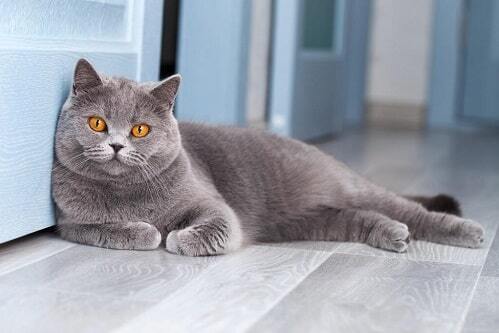
British Shorthairs are known for their dense, plush coats and rounded features – including large, round eyes, full cheeks, and a broad chest. They come in a variety of colors, but the blue-gray coat is especially iconic. These cats are medium to large, with a strong and muscular build. Their teddy bear-like appearance makes them instantly recognizable and highly sought after.
Temperament and Personality
This breed is famous for its calm, affectionate, and easygoing nature. British Shorthairs are not overly demanding and enjoy a relaxed environment. They are less vocal than breeds like the Siamese cat, making them ideal for quieter households.
They bond well with their families and often get along with respectful children and other pets. While they may not be lap cats, they love being nearby and sharing quiet companionship. Their independent streak means they are happy to entertain themselves, but they still appreciate regular attention from their humans.
Ideal Living Environment
The British Shorthair adjusts well to different homes — from apartments to larger spaces — as long as their environment is safe and engaging. Their independent nature means they are content spending time alone, but they also appreciate regular interaction and affection from their humans. For those considering a similarly easygoing companion, the Ragdoll cat offers a comparable blend of calmness and affection.
Activity and Exercise Needs
While not overly energetic, British Shorthairs do benefit from interactive play to stay fit and mentally stimulated. Puzzle toys, feather wands, and short play sessions can help keep them active and engaged without overwhelming them. A practical tip: rotate their toys weekly to maintain their interest and prevent boredom, which can lead to overeating.
Grooming and Care
Their short, dense coat requires weekly brushing to remove loose hairs and minimize shedding. Regular dental hygiene, nail trimming, and ear cleaning are also important for their well-being. They’re typically low-maintenance but thrive with consistent, gentle care. Unlike high-maintenance breeds such as the Sphynx cat, British Shorthairs require far less frequent bathing and skin care.
Diet and Health
Feed your British Shorthair a balanced diet suitable for their age, weight, and activity level. These cats can be prone to weight gain, so portion control is essential. Regular veterinary visits help monitor health and screen for common issues like heart disease or joint concerns. As of 2025, many veterinarians recommend a diet rich in high-quality protein and low in fillers to support their muscular build and prevent obesity.
British Shorthairs as Companions
They make wonderful companions for many types of households. Whether you’re a family, a couple, or an individual, British Shorthairs are known for fitting in easily. Their gentle temperament and quiet confidence make them one of the most adaptable cat breeds. For those seeking a more energetic alternative, the Bengal cat offers a playful contrast with its high activity levels.
Fun Facts About British Shorthairs
- Inspiration for the Cheshire Cat in “Alice’s Adventures in Wonderland.”
- The blue coat variety is the most iconic.
- One of the oldest natural cat breeds from the UK.
- Known for their teddy bear-like appearance.
FAQs about British Shorthair Cat
Q1: Are British Shorthairs good for first-time cat owners?
A: Yes, their calm and low-maintenance nature makes them a great choice for many households.
Q2: Do British Shorthairs like to be held?
A: They enjoy being near people but may prefer not to be carried or held for long.
Q3: How long do British Shorthairs live?
A: On average, they live between 12–20 years with proper care.
Q4: Do they get along with other pets?
A: Yes, especially when introduced gradually and respectfully.
Final Thoughts
The British Shorthair is a loving, calm, and dignified breed that brings warmth and companionship to any home. With its plush coat and charming personality, this cat is not only a delight to live with but also a joy to watch and care for. Whether you are a first-time owner or a seasoned cat enthusiast, this breed’s adaptability and gentle nature make it a timeless favorite.