What Is a Mint Peafowl
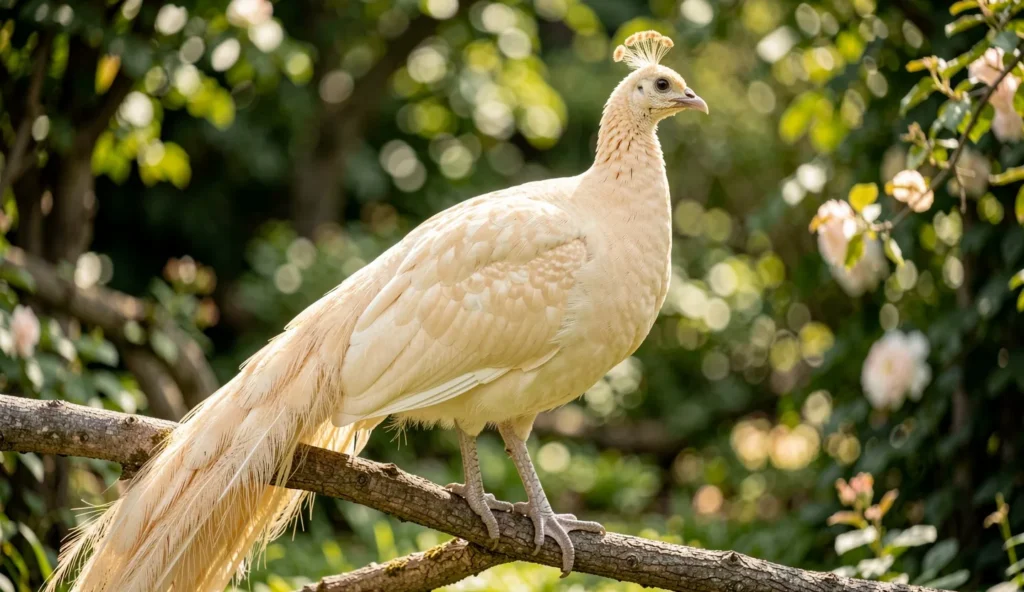
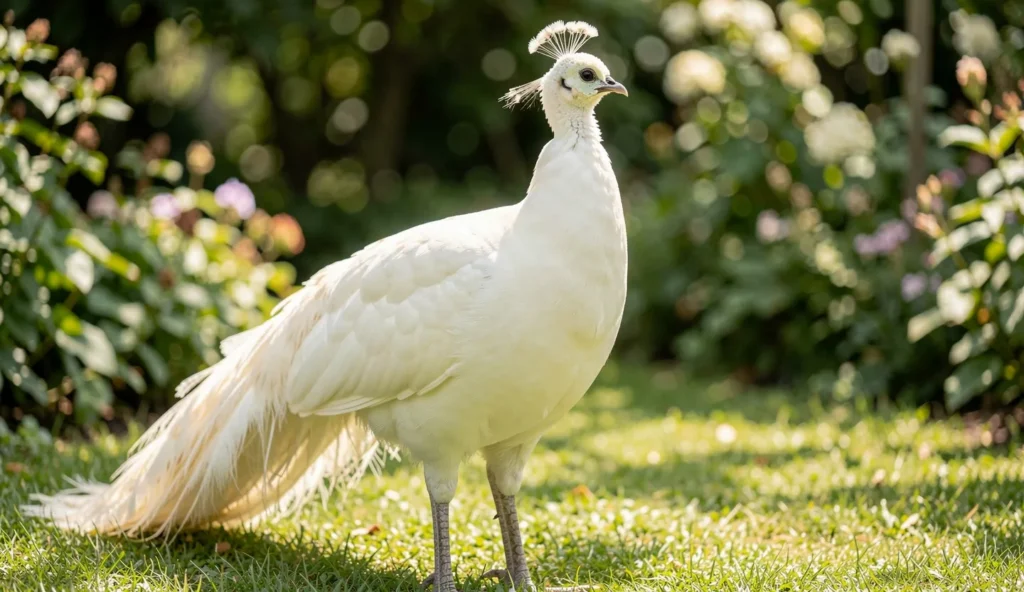
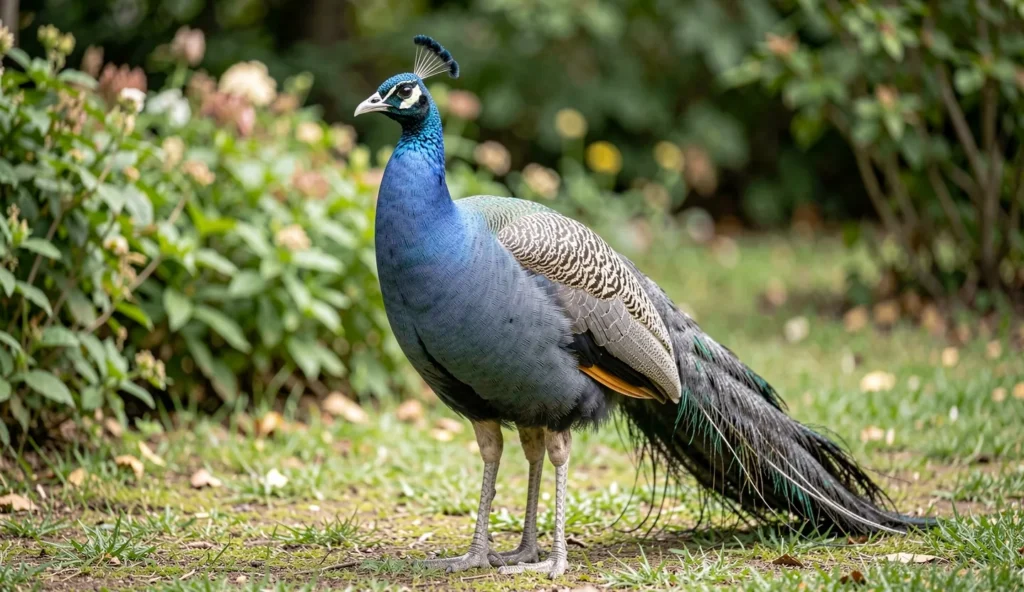
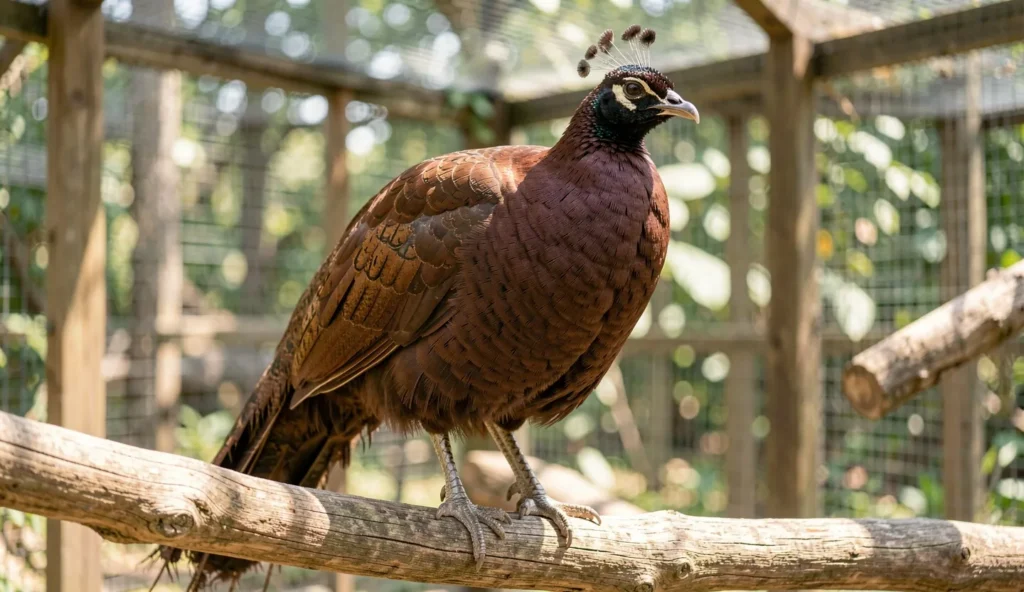
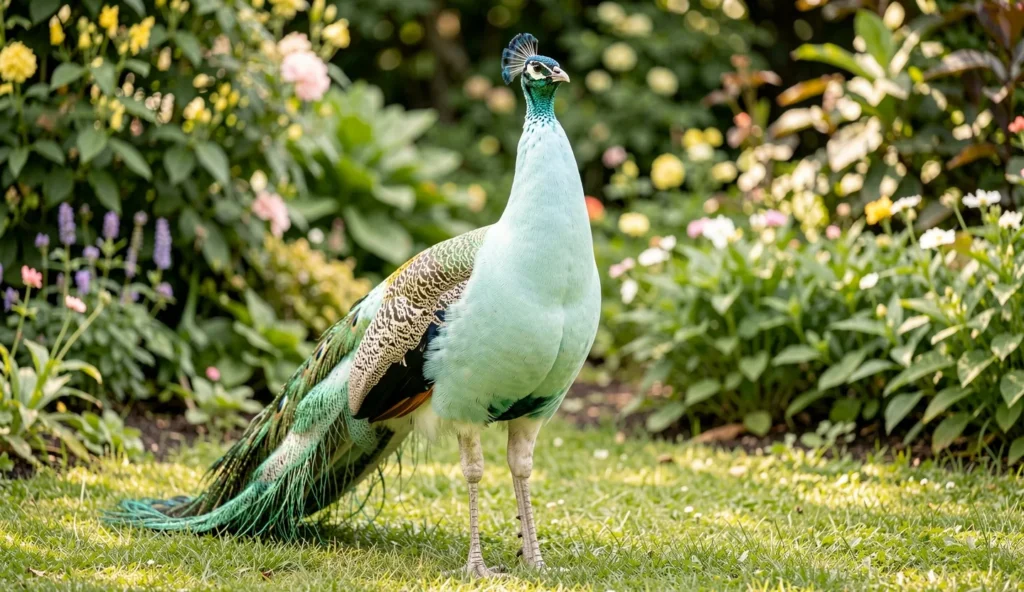
Mint Peafowl refers to a blue green phenotype with minty hues in plumage. Breeding origins trace to color mutations in Indian Peafowl, and the variety is commonly found in ornamental fowl collections and breeding programs. Collectors also compare Mint Peafowl to other rare colors such as Purple Peafowl, reflecting its distinctive aesthetic.
Definition and Origin
Mint Peafowl represents a pastel green blue plumage phenotype that emerges from specific pigment and structural changes. Breeders pursue stable lines to preserve the minty hue while maintaining typical peafowl temperament.
Why the Mint Color Stands Out
The mint shade enhances the iridescent sheen, especially in sunlight, yielding a soft, sophisticated display. In breeding circles, the color is prized for its rarity and potential to diversify color pedigrees, though genetic stability varies by line.
Appearance and Physical Features
Size and Build
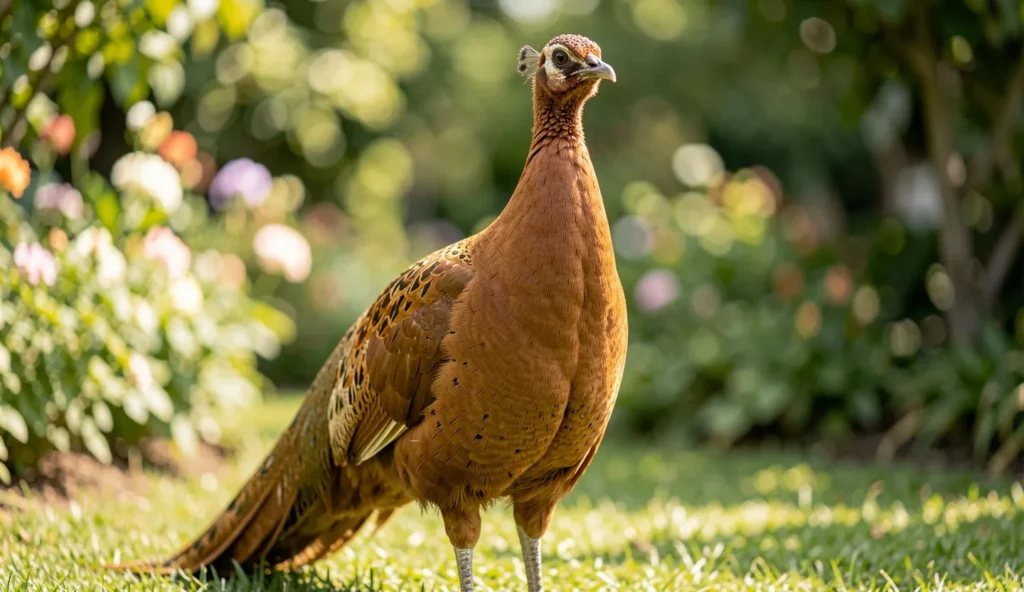
Male Mint Peafowls are typically larger with a pronounced train. Female variations may be smaller with a lighter train, and overall body conformation supports display and mobility in aviaries.
Feather Texture and Detailing
Feathers exhibit a smooth contour with elongated tail plumes, and iridescence shifts with lighting. The crest remains a facial hallmark and can vary slightly by line.
Color Spectrum in Mint Peafowls
Mint plumage ranges from pale sage to soft aqua, and body feathers show subtle green to blue transitions. Tail and wing feathers contribute to the pastel overall appearance, with light green blue peafowl impressions in bright light.
Color Variants and Mint Mutation
Genetics Behind Mint Color
Mint results from specific pigment and structural changes, and inheritance can be dominant or co dominant depending on the stock. Multiple mutations may combine to influence shade intensity, making careful lineage tracking essential.
Mint Versus Other Color Mutations
Compared to lavender or pied mutations, mint affects overall hue rather than only pattern. Inheritance and stability differ by breeder stock, and crossing mint with non mint can dilute or intensify minting.
Typical Markings and Variation
Mint birds often show uniform pastel tones across body, though slight banding or shading differences exist. Eyes and beak remain standard, with color influence primarily on plumage.
Temperament and Behavior
General Temperament
Peafowls are alert and visually expressive, and Mint variants are not inherently more aggressive or timid. Social dynamics rely on proper flock composition and regular enrichment.
Interaction with Humans and Other Birds
Calm handling benefits display quality and reduces stress, while proper introductions lessen territorial disputes. Quiet environments support long term health and color retention.
Preferred Environments
Open flight space with safe perching options is ideal, along with a moderate climate and protection from extremes. Visual barriers can reduce stress during display periods.
Care and Housing Essentials
Enclosure Size and Layout
Large outdoor aviaries enable natural behaviors and reduce stress. Adequate spacing between perches prevents crowding and promotes safe movement.
Perches Enrichment and Substrate
Multiple perch heights and varied substrates support exploration and foot health. Soft ground cover helps prevent injuries and encourages foraging behaviors.
Social Housing and Breeding Considerations
Keep compatible groups to minimize stress and aggression. Breeding plans should account for color lineage and genetic diversity, with quarantine for new birds to protect existing stock.
Seasonal and Health Maintenance
Seasonal feather growth can affect show quality, so regular health checks are essential. Vaccinations where advised and diet adjustments support plumage health.
Health Considerations
Common Health Issues in Mint Peafowls
Watch for respiratory infections and parasites, and monitor for foot problems or feather disorders. Early signs include lethargy, appetite changes, or posture shifts.
Preventive Care and Vet Visits
Routine exams and parasite control are important, along with vaccinations where recommended by avian vets. Breeders should maintain detailed color lineage and health histories for reference.
Final Note
Key Takeaway For Breeders
Mint peafowls offer a unique color without sacrificing temperament, making them appealing for serious collections. Proper management ensures color stability and bird welfare across generations.
Closing Thought
Consistent care and careful genetic planning help preserve the mint mutation for a thriving pastel green bird registry.
Frequently Asked Questions
What defines a mint peafowl color and how is it inherited?
Mint color arises from pigment and structural changes, and inheritance can be dominant or co dominant depending on the line.
How does mint mutation affect the feather pattern compared to standard blue peafowl?
Mint mutations typically produce uniform pastel tones across plumage, with iridescence still present but hue shifted toward softer greens and blues.
What enclosure and climate are best for mint peafowls in captivity?
A large outdoor aviary with shelter and predator protection is ideal, combined with moderate temperatures and good ventilation.
Are mint peafowls more challenging to breed than normal peafowl varieties?
Breeding challenges relate to maintaining color genetics and diversity, so careful pairing and genetic tracking are essential.