What Is a Dun Peafowl
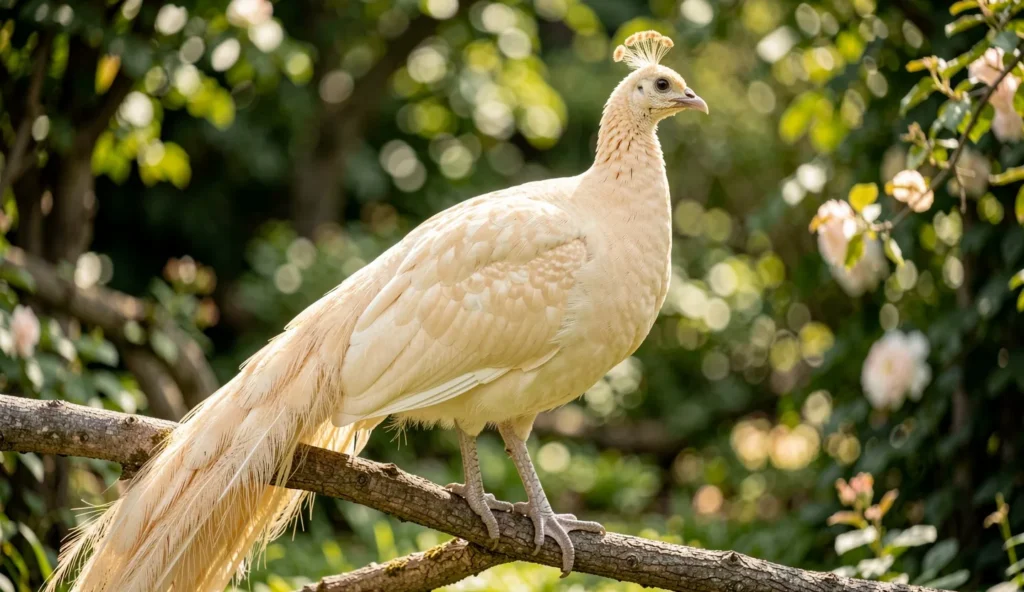
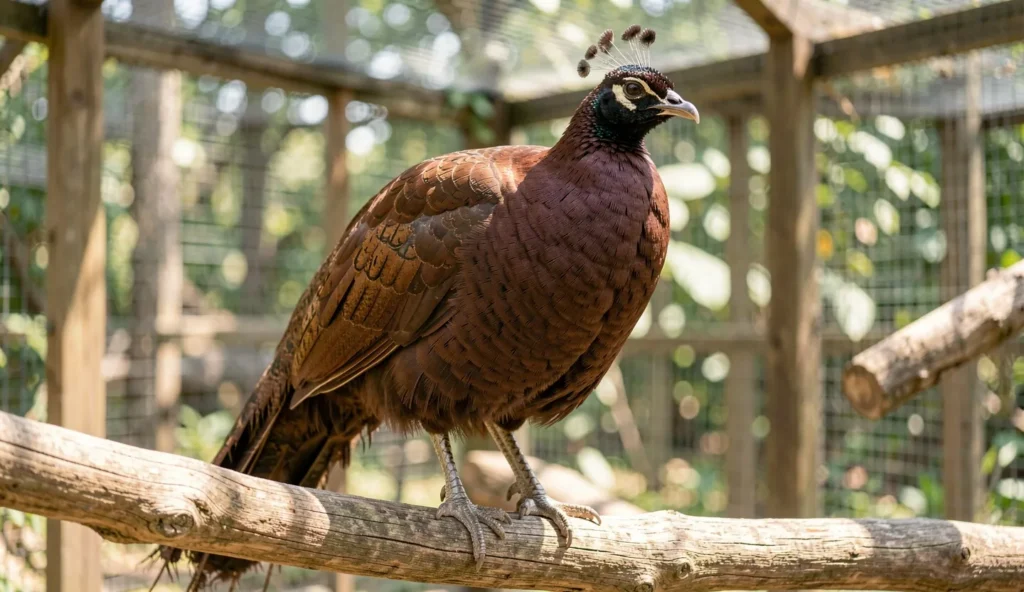
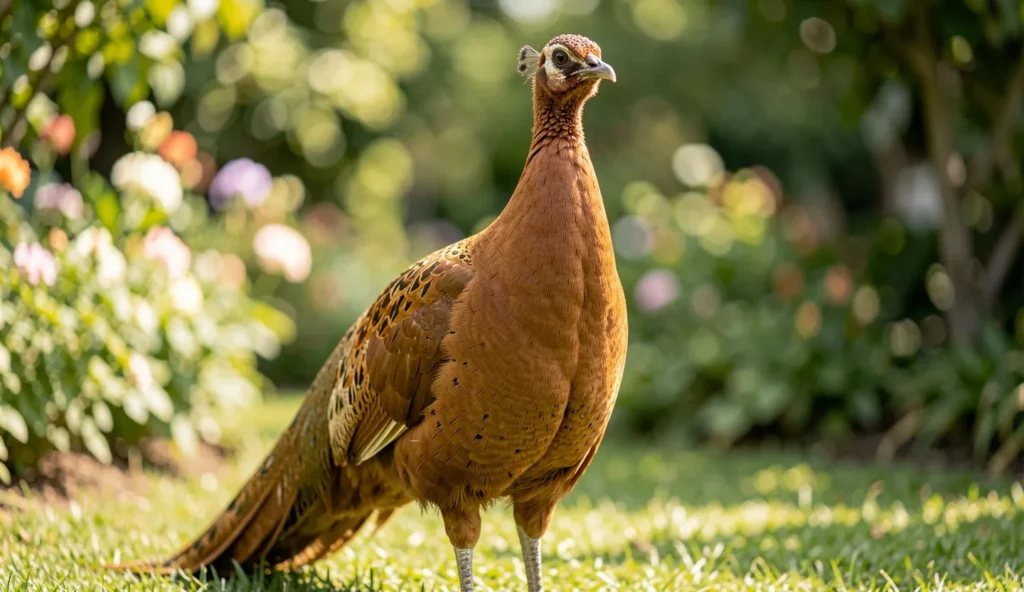
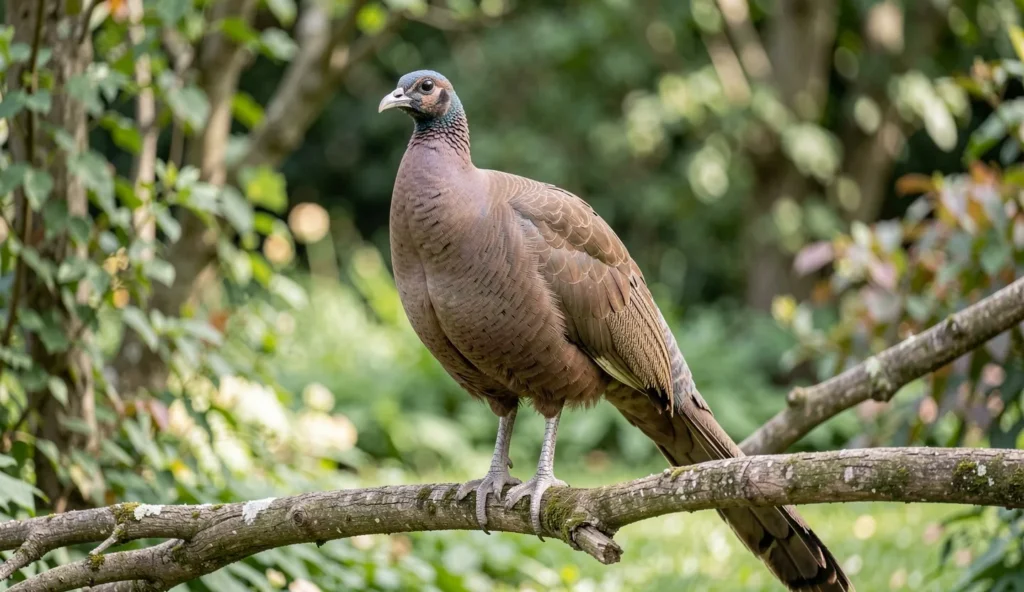
The Dun Peafowl is a natural color mutation of the peafowl, characterized by earthy brown tones across the body rather than the wings or tail. This mutation lightens pigment in a subtle way, leaving anatomy unchanged and creating a muted look that appeals to serious collectors.
Definition of the Dun Mutation
Dun is a natural color mutation that lightens plumage without changing anatomy, producing earthy brown tones across body feathers rather than the wings and tail. This mutation preserves normal body structure while altering pigment distribution to achieve a muted, cohesive brown palette, a trait breeders often compare to the allure of the Purple Peafowl.
Origins and Rarity
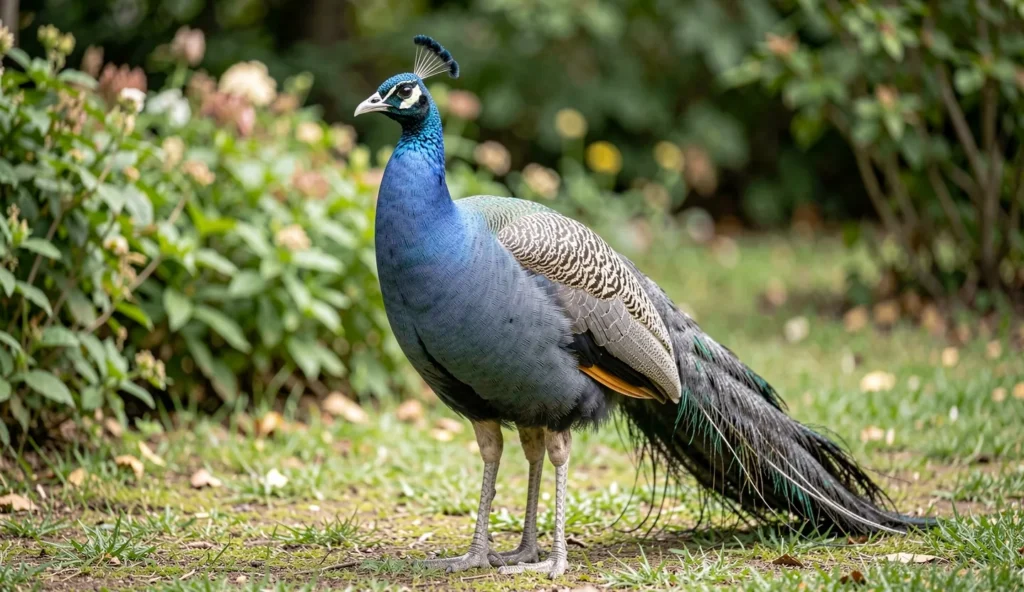
Dun mutations occur in both captive lineages and occasional wild lineages, appearing sporadically. Breeders prize the mutation for its unique look and rarity, which adds interest to any curated collection, much like the Indian Peafowl.
Appearance and Coloration
The Dun peafowl presents a cohesive earthy palette, with body plumage showing muted brown tones across the torso and upper wings. Eye color and facial features remain typical for the species, preserving its familiar expression even as the plumage softens, a look that echoes brownish color variants like the Green Peafowl.
Distinctive Features Of The Dun Color
- Body plumage shows muted brown tones across the torso and upper wings.
- Eye color and facial features remain typical for the species.
- Tail and wing feathers may show lighter or darker variations but overall muted hue.
Compared with other color mutations, the Dun tends to form a uniform earthy palette, which contrasts with more irregular pied or metallic forms seen in other variants.
How The Dun Color Differs From Other Variants
- Dun is usually a uniform earthy tone unlike pied or metallic mutations.
- Iridescence is subtler on Dun peafowl.
Temperament And Behavior
In captivity, the Dun Peafowl tends to be alert and curious, though not aggressively dominant, and it responds to calm, consistent handling. These birds tolerate human presence with steady, respectful interaction, which supports safe husbandry for a thoughtful keeper.
General Temperament In Captivity
Typically, Dun Peafowl show curiosity without excessive skittishness, making them manageable for experienced keepers when space and routines are clear.
Social Structure And Interaction
They are generally compatible with other peafowl when space is sufficient, though large displays can draw attention from nearby birds and require adequate enclosure to minimize stress.
Housing And Enrichment Needs
Dun Peafowl require a secure aviary with space for movement and display, along with shelter and predator protection, which aligns with common practices for large ornamental birds. Adequate enclosure design supports natural behavior and helps maintain plumage health.
Enclosure Requirements
A secure aviary with ample space for movement and display, coupled with shelter and predator protection, is essential for Dun Peafowl health and welfare.
- Spacious flight area to encourage natural movement.
- Solid predator protection and secure fencing.
- Easy access for routine health checks and cleaning.
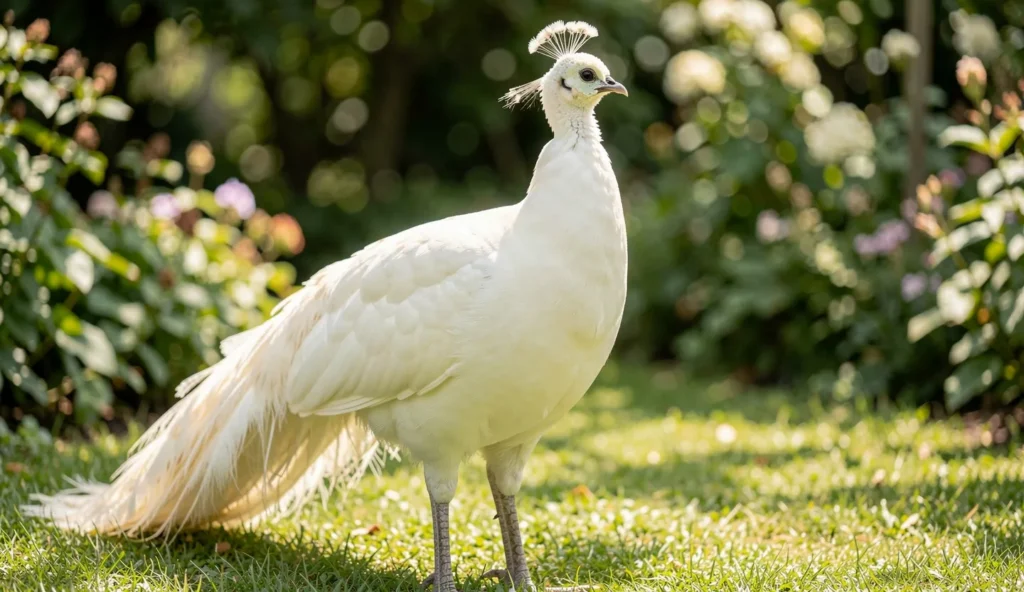
Like the setup preferred for White Peafowl, the environment should balance openness with shelter to reduce stress.
Perches Roosts And Enrichment
Multiple perches at varying heights promote exercise and balance, while ground cover and foraging opportunities improve welfare.
- Multiple perches at different heights encourage climbing and stretching.
- Soft ground cover supports comfortable roosting and digging behavior.
- Foraging devices and slow-food enrichment stimulate natural foraging instincts.
Climate And Lighting Considerations
Moderate climate is preferred, with protection from extreme heat or cold, and a natural or well-simulated light cycle to support breeding and wellbeing.
- Temperature stability supports feather condition.
- Regular daylight or artificial cycles aid health and cycle rhythms.
Health Considerations And Common Issues
Health planning for Dun Peafowl includes monitoring feather condition, as the mutation can influence plume appearance, along with routine parasite checks and balanced nutrition. Regular veterinary guidance helps sustain long-term vitality and color stability.
Common Health Issues In Dun Peafowl
Monitor feather condition as the mutation may influence plume appearance, and conduct regular parasite checks alongside a balanced diet to maintain overall health.
Breeding And Genetic Health
Avoid inbreeding to protect color trait stability and work with reputable breeders to maintain genetic diversity.
Is A Dun Peafowl Right For Your Collection
Ideal for collectors pursuing rare natural color mutations, the Dun Peafowl requires dedicated space, a long term commitment, and careful sourcing.
Final Note
The Dun Peafowl represents a distinctive addition to any serious collection, demanding thoughtful housing and ongoing care.
FAQs: Dun Peafowl
What is the Dun Peafowl and how does its color occur?
The Dun Peafowl is a color mutation that produces earthy brown tones while preserving normal anatomy.
How rare is the dun mutation in peafowl?
The dun mutation is considered rare in both wild and captive populations.
Do dun peafowls require special care due to their coloration?
Care requirements are similar to other peafowl with emphasis on housing genetics and nutrition.
Are dun peafowls suitable for beginners in bird collecting?
They are better suited for experienced keepers who can provide space and long term commitment.