What Is a Buff Peafowl
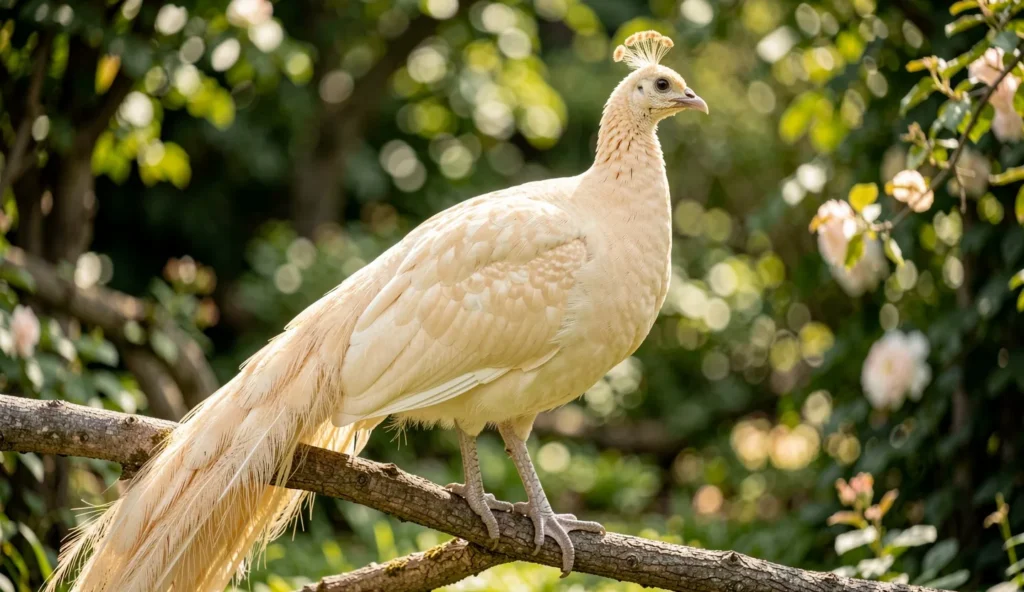
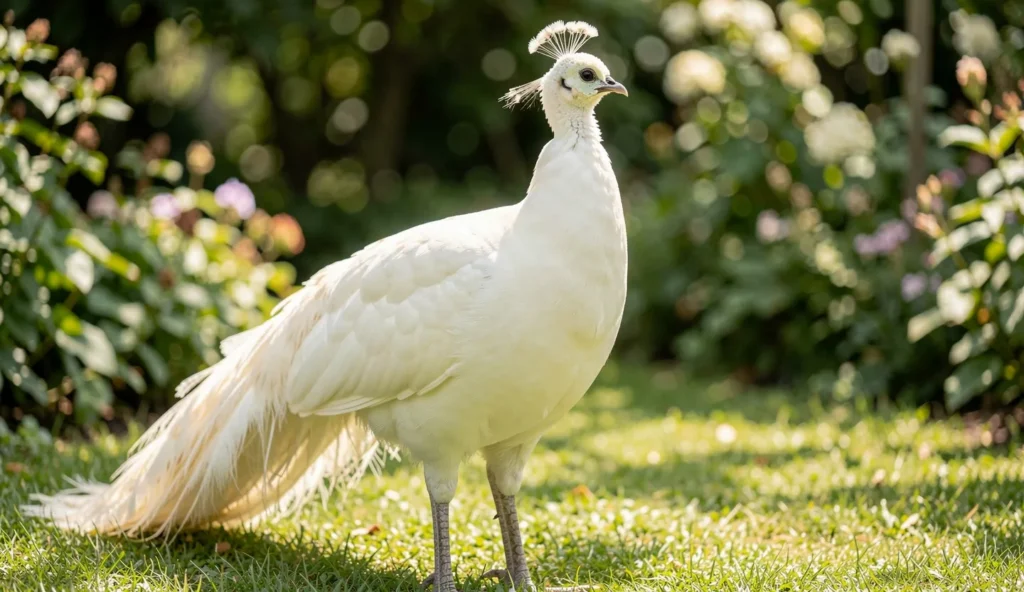
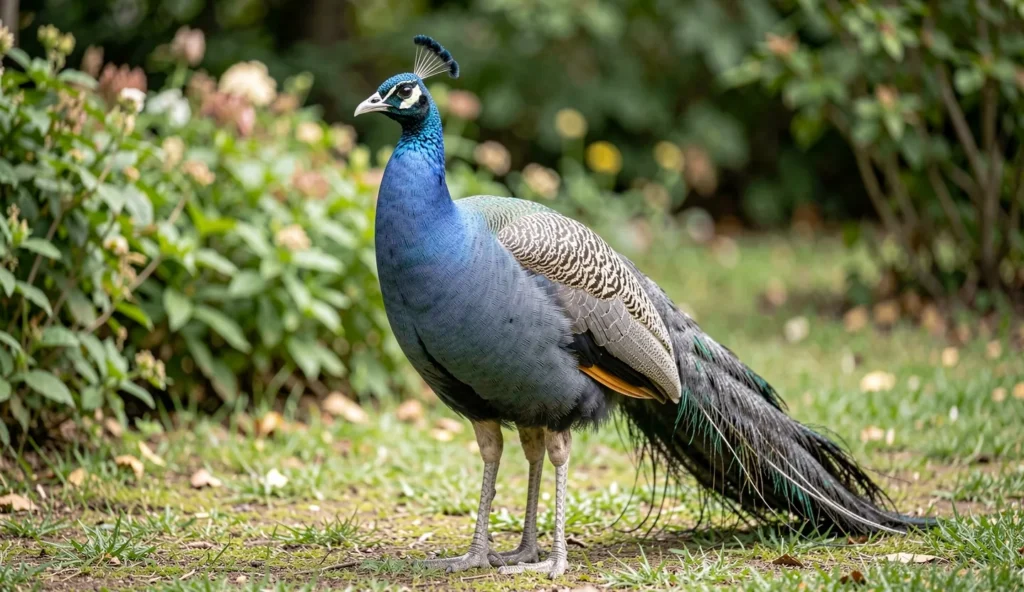
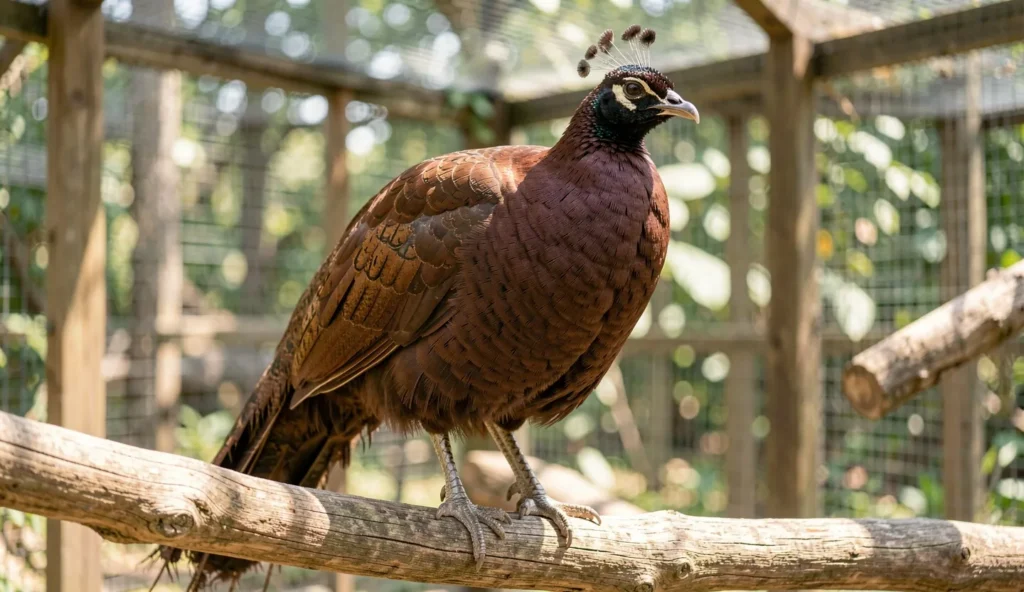
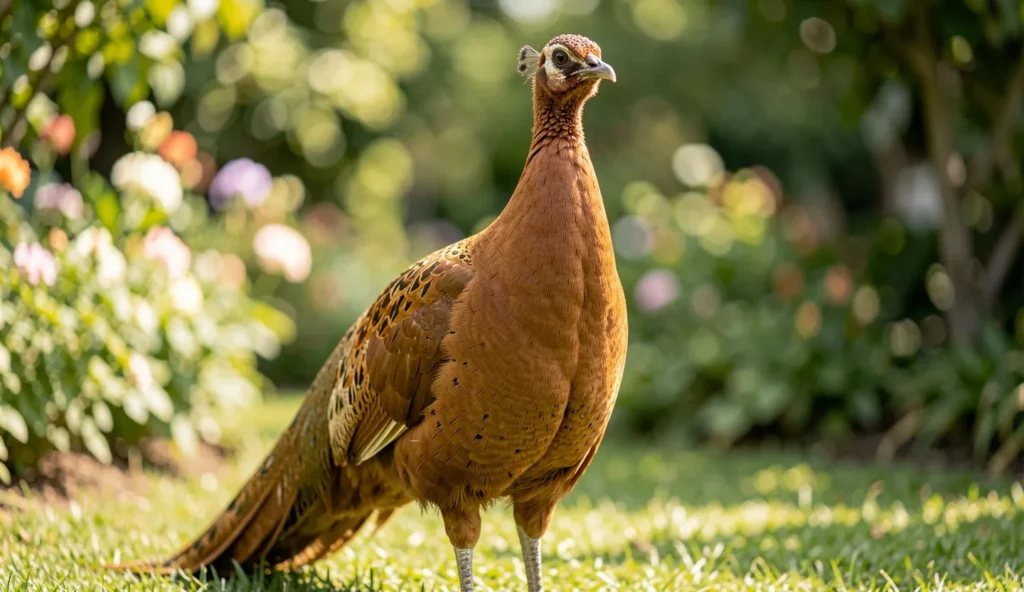
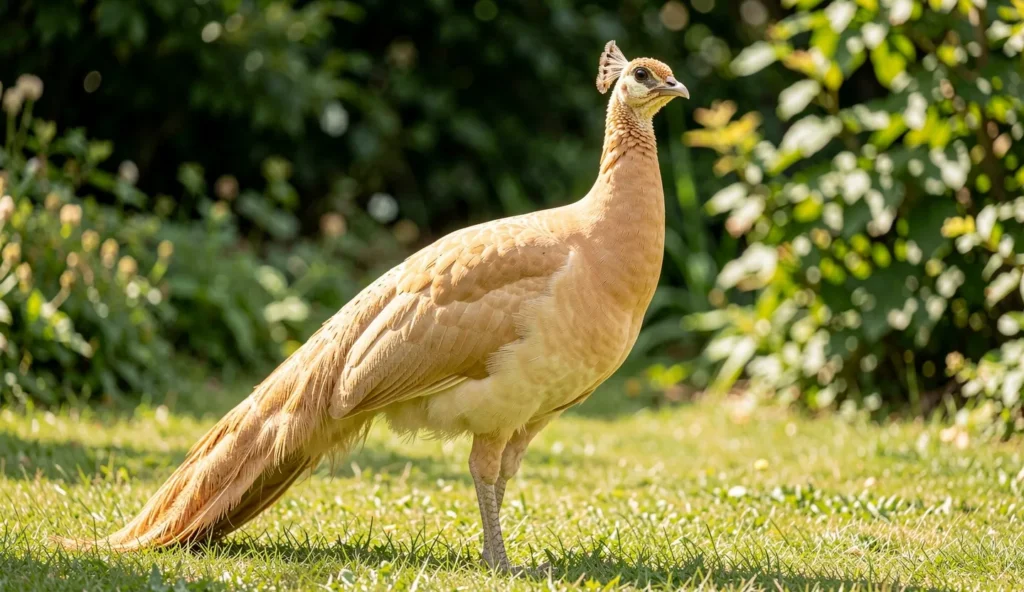
Buff Peafowl are a light tan color variant of the Indian Peafowl. The buff mutation shifts pigment expression toward warmer tan tones, offering breeders and hobbyists a distinct color option; compared with the vivid Purple Peafowl and the ethereal White Peafowl, Buff Peafowl display warmer hues.
Color Genetics and Definition
Buff coloration is inherited through specific gene combinations and can appear in both sexes.
Origin and Rarity
Buff coloration is relatively uncommon and sought after by color-focused breeders. Breeding for buff requires careful pairing to avoid undesirable color or pattern outcomes, and understanding lineage helps maintain consistency in the buff appearance.
Key Traits At a Glance
Males may still show typical peafowl features like a crest and train while retaining buff tint. Genetic stability is important to preserve the mutation across generations.
Appearance And Physical Features
Feather Color Variations
Buff shading can range from pale beige to deeper warm tan. Intensity may vary with feather age and sunlight exposure, and genetic background influences how evenly the buff color is expressed, especially when compared with Green Peafowl.
Body Size And Structure
Buff peafowls share the same large body size typical of Pavo cristatus. Male peafowls carry a long train while females have a shorter tail, both carrying buff tones.
Eyes Beak And Legs
Beaks are pale to horn-colored; legs gray to slate. Eye color tends toward dark brown with a clear iris in good lighting.
Temperament And Personality
Social Behavior
Buff peafowls are generally social and form flocks with other peafowls. They can be curious and may explore new enclosures with caution.
Display And Courtship
Sexual displays are common in breeding contexts and may involve tail fanning. Color mutation does not typically prevent natural courtship behaviors.
Handling And Human Interaction
Approach slowly to minimize stress during handling or relocation. Gentle, consistent handling helps reduce timidity in flocks.
Space And Exercise Considerations
Outdoor Space Needs
Provide secure, predator-proof outdoor areas with shade. Ample room supports natural foraging and patrol behavior.
Free Range Vs Enclosed Runs
A mix of covered runs and supervised free-range time is ideal. Ensure fences are high enough to discourage escaping.
Care Tips For Buff Peafowl
Grooming And Maintenance
Regular feather inspection helps catch mites or damage early. Dust baths support feather and skin health in dry climates.
Diet And Nutrition
Provide a balanced poultry diet with grains, greens and calcium. Offer free-choice grit to aid digestion in birds with hard seeds, and ensure constant access to clean water.
Housing And Enclosure
Shelter against rain and sun reduces stress and feather wear. Perches should be elevated with non-slip surfaces, and fencing should be secure and escape-proof with adequate ground space.
Social Needs And Handling
Keep buff peafowls in compatible groups to minimize aggression. Introducing buff birds gradually to minimize social tension.
Common Health Issues
Color Mutation Related Health Concerns
Buff mutations are not inherently unhealthy but inbreeding can increase risk. Monitor for skin or feather abnormalities that differ from standard coloration, and breeders may study Spalding Peafowl for lineage examples.
Vaccination And Vet Checks
Schedule regular avian health checks with a qualified veterinarian. Follow vaccination and parasite control recommendations appropriate to the region.
Is Buff Peafowl Right For You
Flock Requirements And Breeding Goals
Assess space, climate and management capacity before pursuing Buff Peafowl line breeding. Defined goals help breeders maintain Buff Peafowl genetics without excessive inbreeding.
Compatibility With Existing Flock
Evaluate temperament and potential bullying in mixed-age groups. Introducing Buff Peafowl gradually helps minimize social tension.
Final Note
Closing Thought
Buff Peafowl offer a distinctive warm tan color with proper care and space.
Frequently Asked Questions
How do buff peafowls differ from standard blue peafowls?
Buff peafowls display a warm tan coloration rather than the typical blue-green plumage.
What genetic factors contribute to the buff color mutation?
The buff mutation involves pigment expression changes that can be passed through lineages with careful pairings.
What are the essential care steps to maintain buff coloration?
Provide balanced nutrition, clean housing, and ample space to reduce stress and feather wear.
Are buff peafowls suitable for small backyard flocks?
Yes if there is adequate space, predator protection and proper social management.