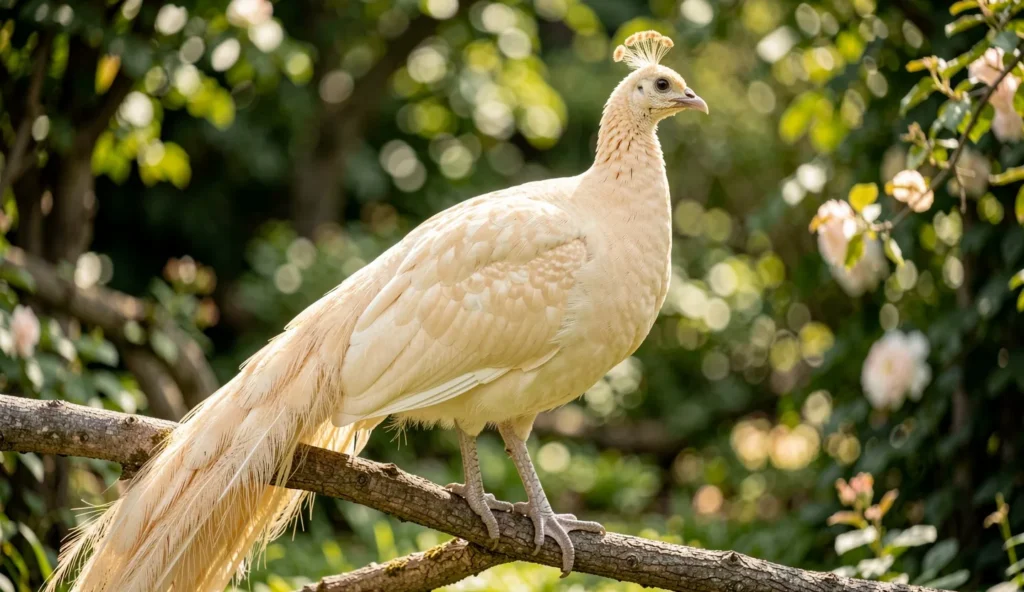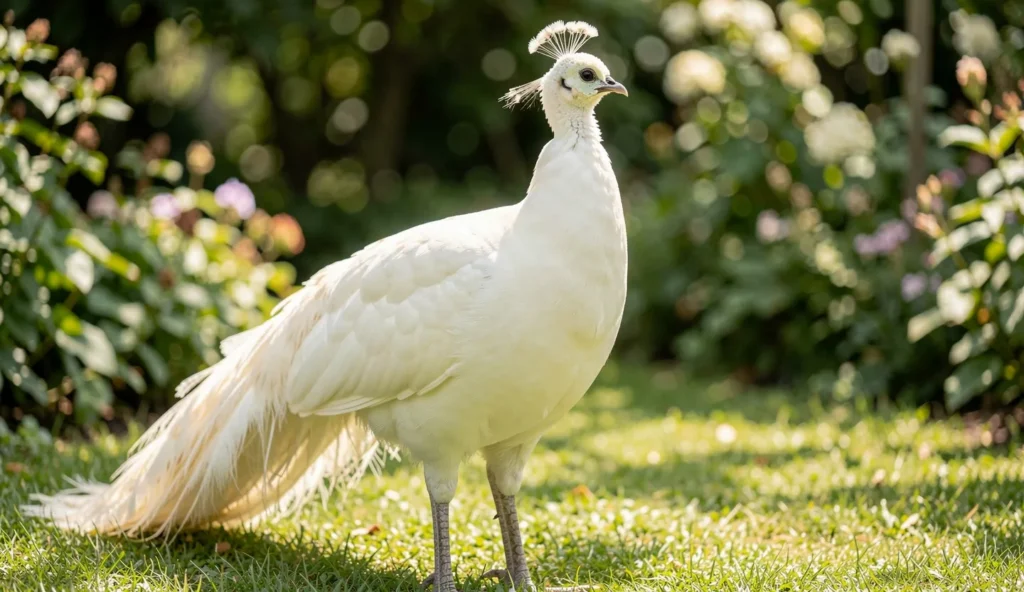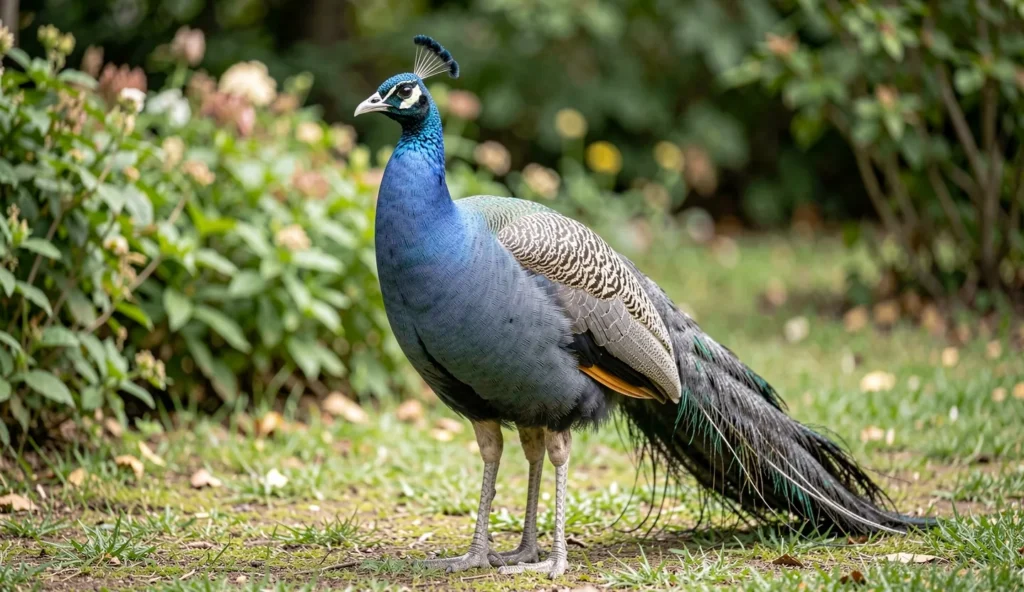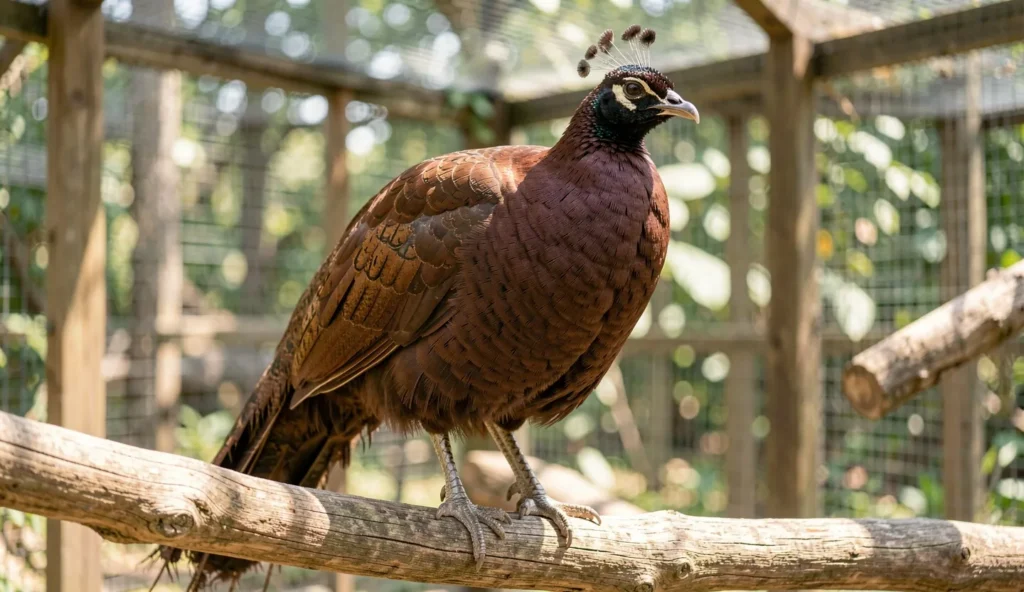
What Is a Bronze Peafowl
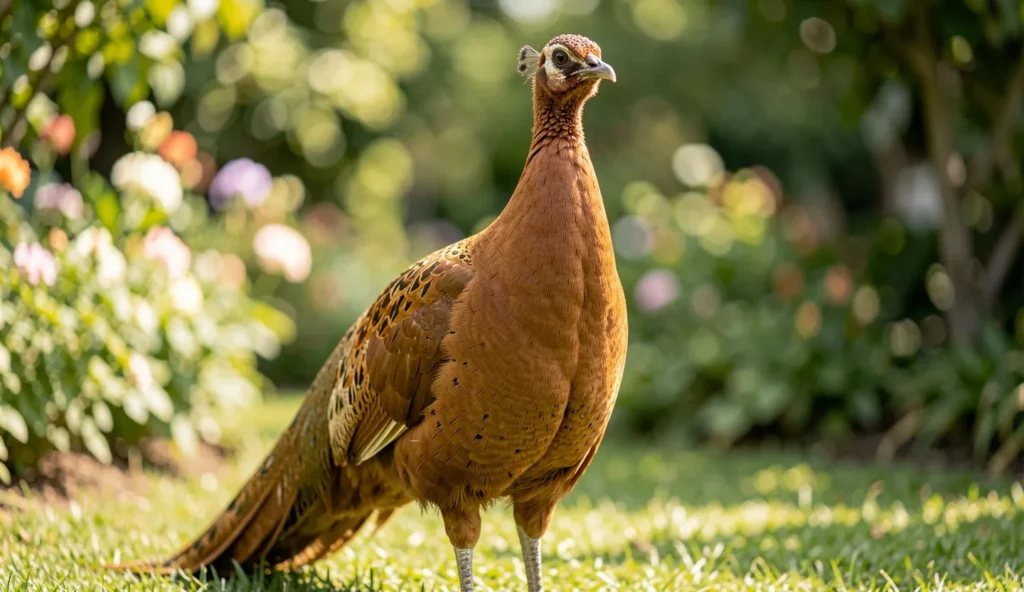
The Bronze Peafowl is a striking color variant of the peafowl, notable for its bronze sheen on plumage. This recessive mutation appears when both parents carry the gene, resulting in coppery tones across feathers. For breeders and keepers, understanding this variant helps in caring for the birds and predicting plumage outcomes. Additionally, breeders may compare it with other color forms such as the Indian Peafowl to gauge lineage and color expression. The Bronze Peafowl stands out as a rare breed in many collections.
What Makes Bronze Peafowls Unique
Bronze sheen marks their plumage, creating a coppery glow under sunlight. Mutation is recessive and appears in offspring when both parents carry it, making careful pairing essential for predictable outcomes. In practice, breeders track lineage to avoid unexpected results in a mixed flock.
Bronze Peafowl Physical Appearance
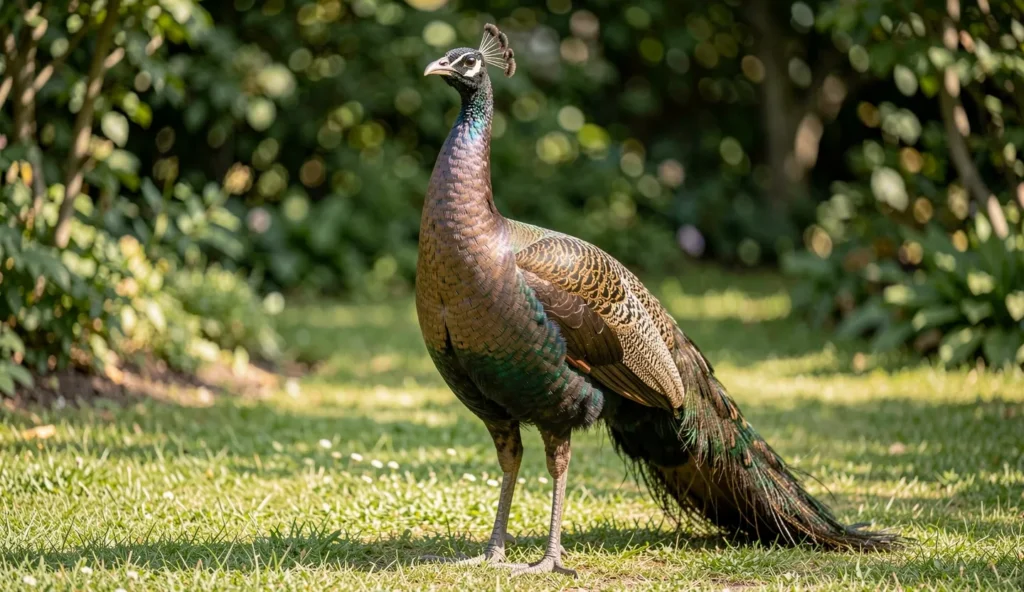
Physical traits center on plumage color, feather length, and overall size, with males showing the most dramatic displays. The bronze hue often shifts through iridescent greens and blues as light changes, signaling the presence of the mutation. Understanding these cues helps in proper identification among other color variants such as the Green Peafowl and related forms.
Feather Color and Bronze Sheen
Bronze to copper-tinged plumage dominates the body, while iridescent greens and blues shimmer with different angles. The bronze sheen is most noticeable on neck and back feathers, and it becomes more pronounced in bright light. This coloration is a recessive mutation that can be observed across generations.
Size and Proportions
Bronze Peafowls are typically similar in size to other peafowls, with males displaying a longer train and more vibrant tail feathers. The overall silhouette remains regal, with strong legs and a tall stance. Size comparisons are useful when differentiating from related color varieties such as the Black-Shouldered Peafowl.
Distinctive Markings and Features
Bronze sheen is visible on neck and back feathers, while wing coverts may reveal emerald hints in sunlight. The contrast between bronze tones and green-blue iridescence helps breeders confirm the mutation. For broader context, observe how copper tones appear in other copper related forms like the copper peafowl.
Bronze Peafowl Temperament and Behavior
In general, these birds are calm, curious, and alert, preferring stable social groups. They may be wary of strangers at first, then settle once they recognize routine and familiar faces. Vocalizations rise during mating season and relate to social dynamics within the flock.
Personality Traits
Bronze Peafowls tend to be exploratory and observant, alert to new surroundings. They respond well to predictable daily care and patient handling, which reduces stress. This temperament supports confident breeding when paired with knowledgeable management.
Social and Vocal Behavior
They are social with other peafowls once settled, forming orderly pecking hierarchies. Loud vocalizations help announce presence during the breeding season and when alarms occur. Regular interaction helps maintain tame behavior without provoking stress.
How Much Exercise Do Bronze Peafowl Need
Outdoor space is essential for foraging and movement, and a secure enclosure minimizes escape risk. Daily activity supports feather health, muscle tone, and overall well being. Supervised flights provide exercise while protecting birds from hazards.
Daily Exercise and Space Needs
Provide a substantial outdoor area for roaming, scratching, and foraging, ideally with shade and shelter. A well designed run reduces boredom and supports natural behaviors. Rotate perches and feeders to encourage exploration.
Flight Safety
Allow space for short, supervised flights within a predator protected enclosure. Fenced areas help keep birds safe from cars, domestic animals, and predators. Regular checks of fencing are advised after weather events or high winds.
Caring for Bronze Peafowl Essentials
Housing should include secure shelter, roosts, and shade, plus adequate outdoor space with predator protection. Gentle handling during routine care reduces stress and builds trust over time. Regular feather inspections and parasite checks support feather quality and molt health.
Housing and Space Needs
Provide a secure shelter with stable roosts and protective shade, plus an outdoor area that defends against predators. Ensure drainage and dry resting spots to prevent foot problems. Indoor housing should be weather appropriate and well ventilated.
Handling and Socialization
Gentle handling during routine care minimizes stress, and gradual exposure builds trust with humans. Maintain calm, quiet routines to support fast adaptation in new environments. Socialize birds with consistent companionship to reduce isolation stress.
Grooming and Cleanliness
Regular feather inspections and parasite checks keep plumage in top condition. Dust baths support feather health and molt cycles, while clean water reduces disease risk. Seasonal feather care should be part of a routine health plan.
Bronze Peafowl Diet and Nutrition
A balanced diet supports bronze plumage health and overall vitality. Use a complete poultry or gamebird diet, and limit high fat snacks to prevent obesity. Always offer fresh water and adjust portions to activity level and age.
Balancing Diet for Bronze Plumage Health
Choose a complete feed formulated for gamebirds or poultry, with appropriate protein and mineral balance. Supplement with greens and occasional treats that do not disrupt calcium to phosphorus ratios. Avoid excessive fatty foods that can dull feather sheen.
Water and Supplements
Always provide clean, fresh water, refreshed daily. Use minerals and vitamins as advised by a breeder or vet to support health and feather quality. Avoid over supplementation that may cause imbalances.
Common Health Issues in Bronze Peafowl
Parasites and respiratory infections are common concerns, along with heat stress in hot climates. Regular health checks help catch issues early and guide treatment decisions. Vaccination and parasite control should follow a breeder’s protocol.
Common Conditions to Watch For
Watch for signs of parasites, coughing, wheezing, and reduced appetite. Early detection enables faster recovery and reduces spread within the flock. Environmental control and sanitation help minimize risks.
Preventive Care and Routine Checkups
Regular health checks catch issues early and support long term health. Parasite control and vaccination should align with veterinary guidance. Maintaining records assists tracking care history and lineage.
Is a Bronze Peafowl Right for You
Experienced breeders or serious hobbyists benefit most from this color variant, which requires daily care and outdoor space. Potential owners should assess time commitments, space, and flock management ability. A secure home for bronze plumage and social needs is essential.
Ideal Owners and Scenarios
Experienced breeders or dedicated hobbyists gain the most from maintaining Bronze Peafowls. They thrive with regular handling, clean enclosures, and consistent feeding routines. Prospective keepers should evaluate their flock plans before acquiring birds.
Space and Time Considerations
These birds need space, time, and consistent attention, both indoors and outdoors. Adequate housing, predator protection, and routine care are mandatory for healthy birds. Planning ahead reduces management stress during breeding cycles.
Final Note
Maintaining Bronze Peafowls requires steady practice, good housing, and attentive nutrition. With proper care, this rare breed can be a rewarding part of a well managed collection.
Frequently Asked Questions
What exactly is a Bronze Peafowl and how does the bronze mutation occur?
The Bronze Peafowl shows a bronze sheen on its plumage due to a recessive color mutation.
How can breeders identify Bronze Peafowl plumage in a flock?
Look for bronze copper tones across the feathers and iridescent color shifts in light.
Are Bronze Peafowls suitable as pets or are they mainly for breeding and exhibitions?
They can be kept as pets by experienced owners with ample space and care.
What housing is recommended for Bronze Peafowl in a home setting?
A secure, predator proof coop with outdoor enclosure and shaded roosts is recommended.