Cotton-Top Tamarin – Breed Overview & Complete Care Guide
The Cotton-Top Tamarin is a small New World primate native to the western Amazon basin. Known for its distinctive white crest, this monkey breed is highly social and active, appealing to exotic pet enthusiasts prepared for its care demands.
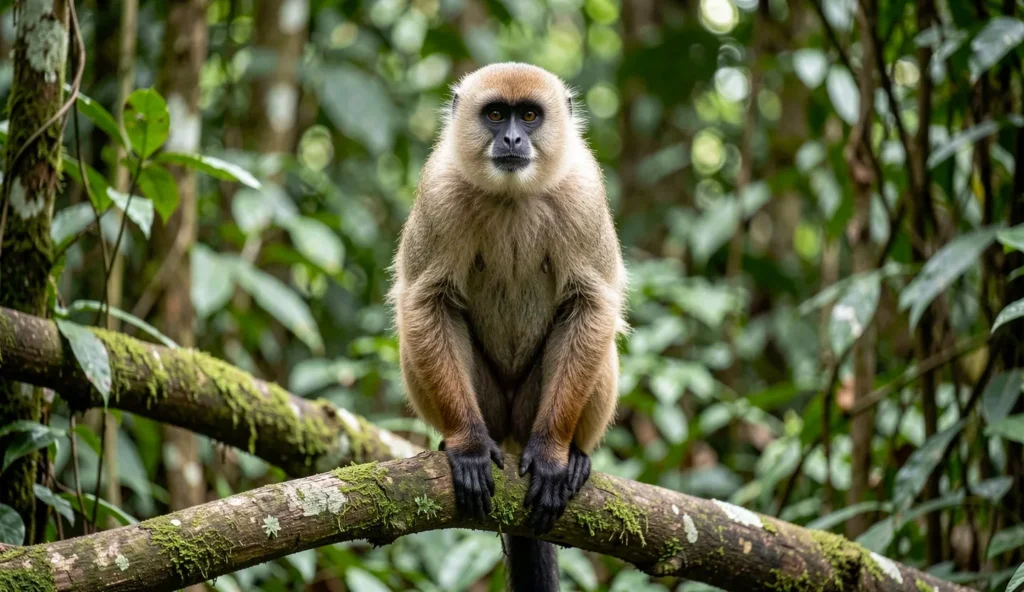
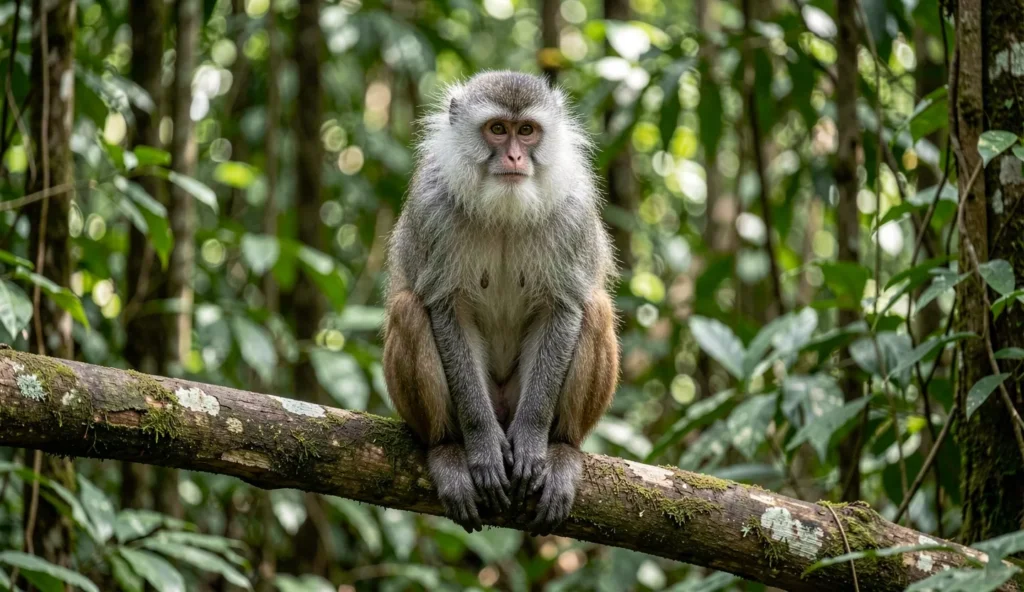
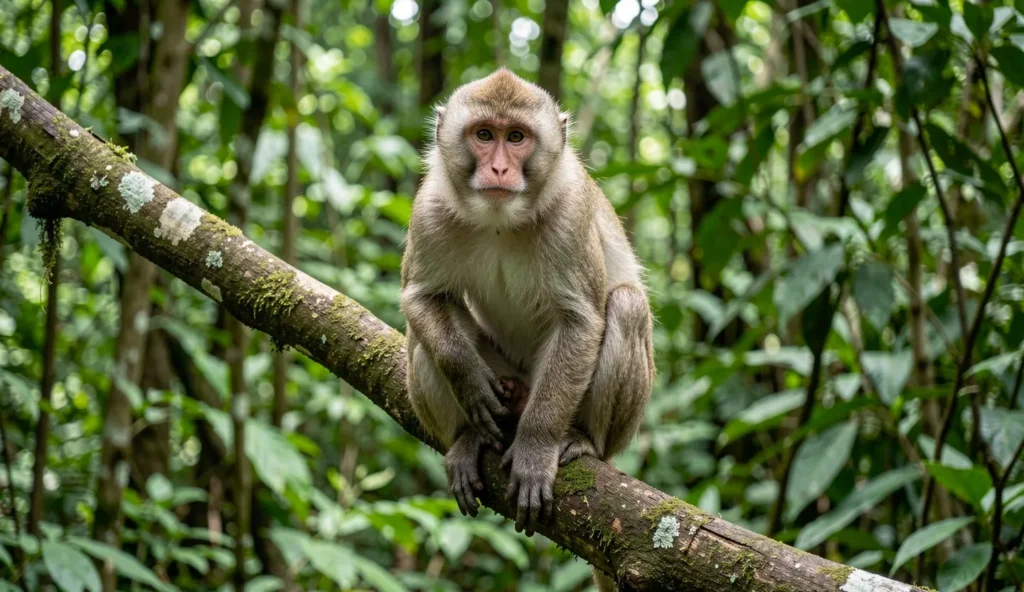
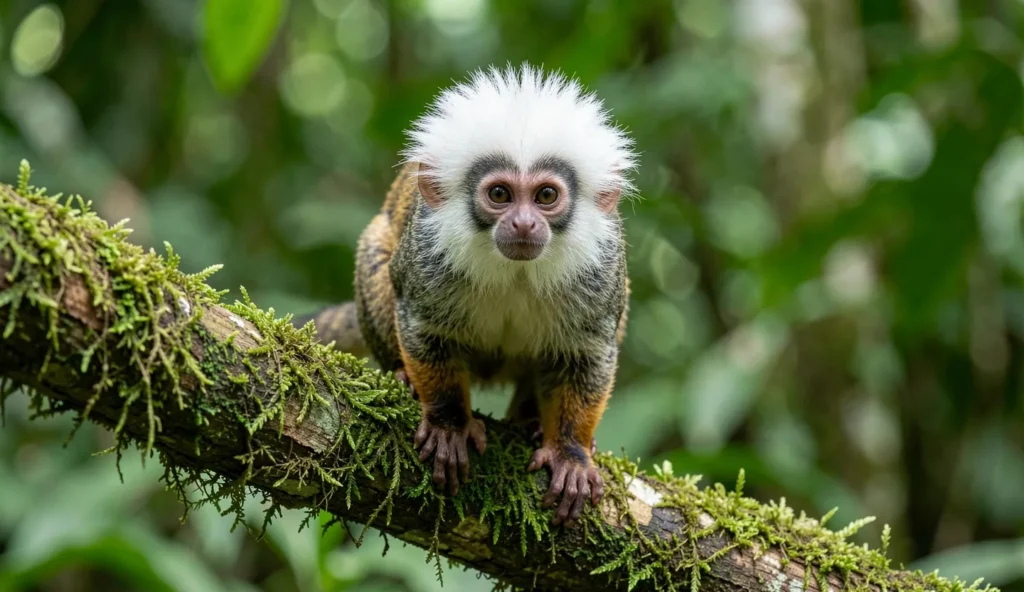
Image placeholder: cotton-top-tamarin.jpeg — Eye level close-up of a Cotton-Top Tamarin in a rainforest setting.
What Is a Cotton-Top Tamarin
Taxonomy and Native Range
- Scientific name: Saguinus oedipus
- Native to the western Amazon basin
- Related to tamarins and marmosets
In comparative primatology, the Cotton-Top Tamarin shares traits with other New World monkeys such as the Squirrel Monkey.
Conservation Status and Protection
- Critically Endangered due to habitat loss and the pet trade
- Protected areas and wildlife protection efforts
- Conservation programs in place to protect wild populations
Appearance and Physical Features
The Cotton-Top Tamarin presents a compact frame with a striking facial crest, aiding identification in dense canopy habitats.
Crest and Fur Color
- Prominent white crest around the face
- Typically dark body with lighter limbs and facial fur
Size and Body Proportions
- Body length about 6 to 9 inches
- Tail length similar to body for balance
Distinguishing Traits
- Long tail for arboreal balance
- Acute eyesight and agile limbs
Diet and Nutrition
The natural diet centers on insects, fruit, sap and nectar, with gums occasionally consumed in the wild.
Natural Diet in the Wild
- Primarily insects, small fruits, tree sap and nectar
- Gums and other plant exudates sometimes consumed
In captivity, diets follow practices seen in other primates such as the Capuchin Monkey, emphasizing protein and fresh produce.
Diet for Captive Cotton-Top Tamarin
- Insect protein should be a major component
- Fresh fruit and leafy greens for vitamins
- Avoid processed human foods
Hydration and Supplements
- Fresh water available at all times
- Veterinary guidance may be needed for vitamins and minerals
Housing and Environmental Needs
A humid, rainforest-like environment supports natural activity and health.
Humidity and Temperature
- High humidity is essential to mimic rainforest conditions
- Temperature range roughly 72–78°F (22–26°C)
Social experiences and enrichment mirror natural living, much like the Spider Monkey.
Enclosure Design and Enrichment
- Vertical climbing space with branches
- Safe foliage and enrichment items
Social housing matters, as this is a highly social species that benefits from group living such as the Spider Monkey.
Social Housing and Handling
- Social species requiring group housing
- Gentle handling and reduced stress environments
Legal and ethical considerations vary by country and region, and permits are often required.
Legal and Ethical Considerations
- Exotic pet laws vary by country and region
- Permits and welfare considerations are essential
Is Cotton-Top Tamarin Right for You
Owning this species involves thoughtful planning and a clear understanding of its needs.
Pros and Cons of Ownership
- Compact size and high intelligence
- High care demands and ethical concerns
Veterinary care requires specialists, and lifespan typically ranges from 15 to 20 years in captivity.
Veterinary Care and Lifespan
- Requires specialized primate veterinarians
- Lifespan often 15–20 years in captivity
Preparation includes securing compliant housing and planning for diet, enrichment, social needs, and legal permissions before acquisition.
Preparation Checklist
- Secure compliant housing
- Plan for diet, enrichment, and social needs
- Confirm legal permissions before acquisition
Final Note
With careful preparation and ongoing welfare monitoring, the Cotton-Top Tamarin can be a rewarding but demanding exotic pet option.
FAQs: Cotton-Top Tamarin
What exactly is a Cotton-Top Tamarin and where does it come from?
It is a small New World monkey, scientifically known as Saguinus oedipus, native to the western Amazon basin.
Why is the Cotton-Top Tamarin listed as critically endangered in the wild?
Habitat loss and capture for the pet trade have drastically reduced wild populations.
What kind of enclosure is needed to keep a Cotton-Top Tamarin safely?
A large, tall enclosure with vertical climbing space, high humidity, and enrichment is essential.
What should be included in a Cotton-Top Tamarin diet in captivity?
A diet rich in live insects, fruits, leafy greens, and water; avoid processed foods.
Is it legal to own a Cotton-Top Tamarin as a pet in most places?
Legal status varies by country and requires permits and ethics review.