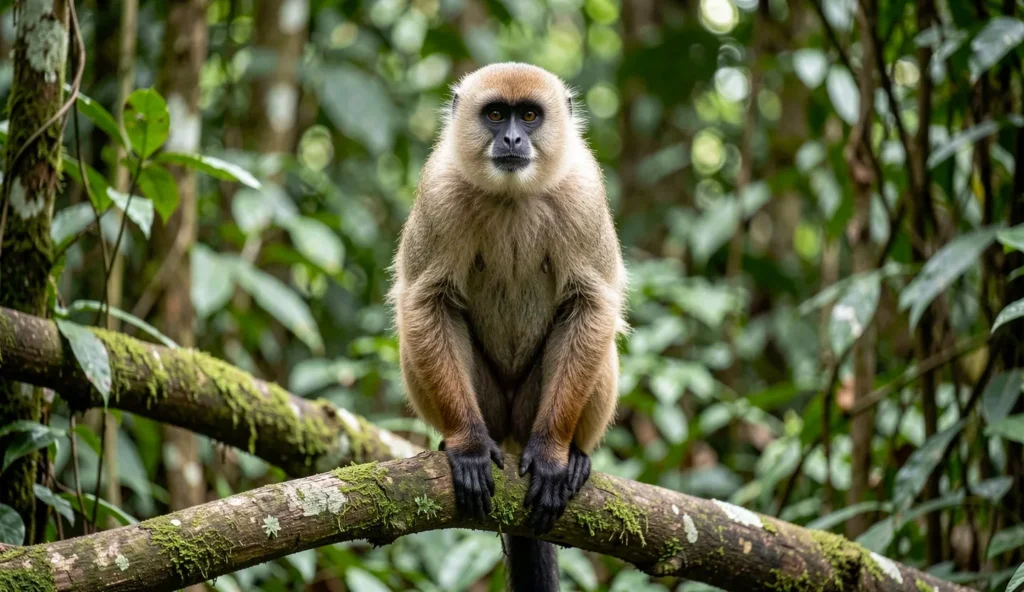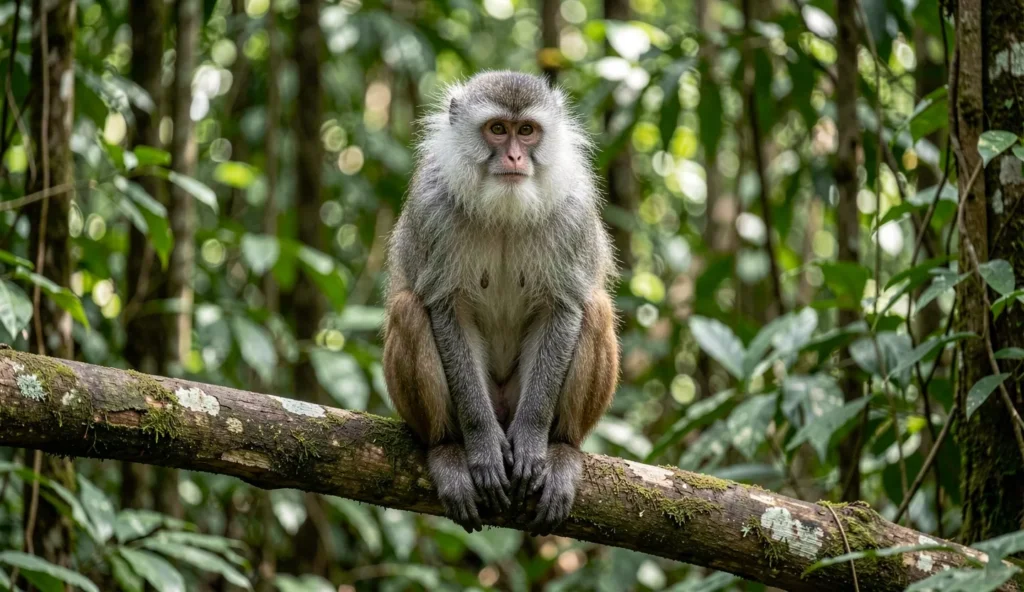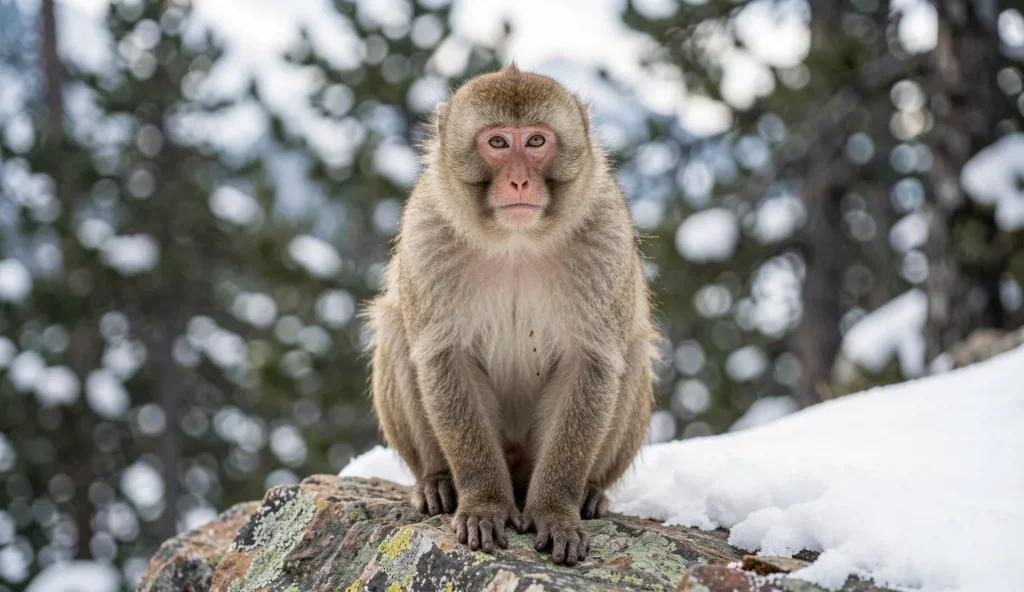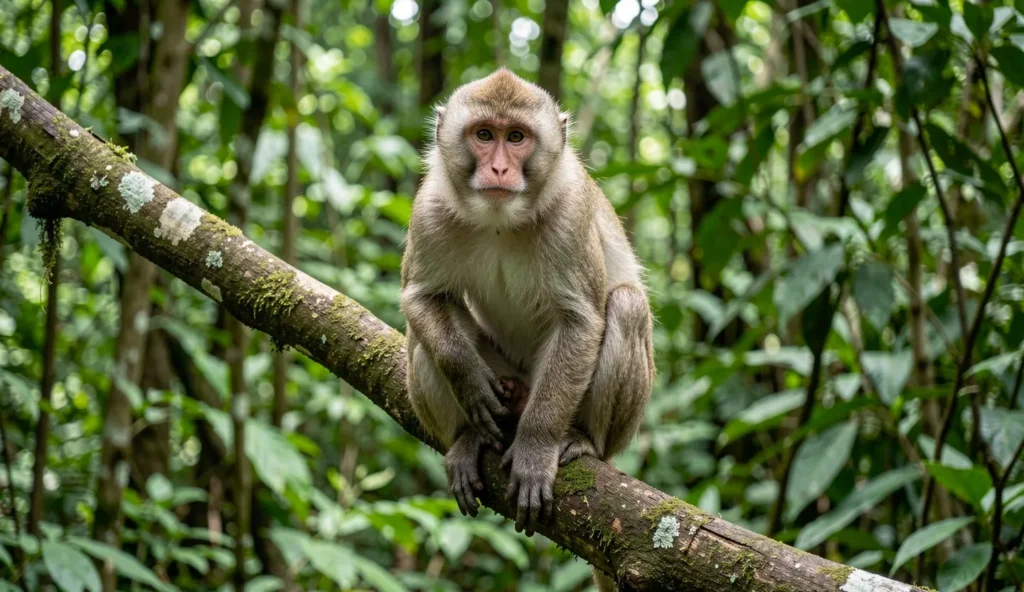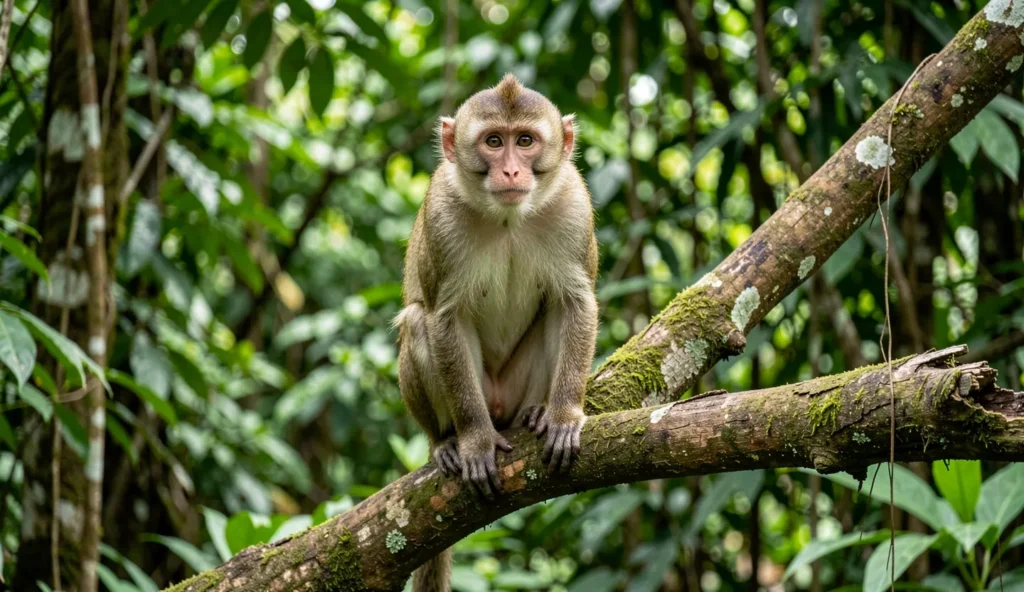
What Is a Crab-Eating Macaque
The Crab-Eating Macaque is a common primate native to Southeast Asia. It occupies forests, mangroves, riverine zones, and coastal habitats, reflecting its adaptability and wide range.
Origins and Natural Habitat
Crab-Eating Macaque is native to Southeast Asia, thriving in forests, mangroves, and riverine zones.
It is widely distributed across Indonesia, Malaysia, Thailand, and Cambodia, often occupying coastal areas as well, a distribution pattern that can be compared to other species like Capuchin Monkey.
Common Names and Taxonomy
The scientific name is Macaca fascicularis, and the species is commonly called the long-tailed macaque or crab-eating macaque. It belongs to the genus Macaca within the Old World monkey group.
Appearance and Physical Features
The Crab-Eating Macaque has a moderate size and a sturdy build, suited for both forest and riverine habitats. Males are generally larger than females, reflecting sexual dimorphism common in macaques, with a tail that often exceeds body length to aid balance.
Size and Build
The Crab-Eating Macaque possesses a robust frame, enabling agile movement on variable terrain.
Males are typically larger than females, highlighting sexual dimorphism that is characteristic of this species, and its size can be contrasted with the Squirrel Monkey in terms of proportion and social dynamics.
Coat Color and Distinctive Marks
Coat color ranges from brown to gray with a paler face and expressive muzzle. Facial markings can vary slightly by region, contributing to subtle regional distinctions among groups.
Temperament and Social Behavior
The Crab-Eating Macaque forms complex multi-male, multi-female groups with social hierarchies that influence grooming and access to resources. It is highly curious and capable of social learning, which supports foraging and territory navigation.
Social Structure and Interactions
Within troops, interactions include vocalizations, body signals, and occasional play, all of which help maintain group cohesion. Grooming serves as a key bonding activity and a mechanism for status within the troop.
Intelligence and Problem Solving
The species shows notable problem solving and occasional tool-use in some contexts, reflecting high cognitive abilities. Its adaptability stems from curiosity and social learning that aid foraging success.
Exercise and Enrichment Needs
Active physical activities are essential, with large enclosures providing climbing opportunities and elevated perches. Periodic supervised outdoor time helps simulate natural foraging and movement patterns.
Active Physical Activities
Provide ropes, platforms, and tree-like structures to support mobility and exploration.
A secure, weather-protected space is necessary to maintain safety and prevent escape.
Mental Stimulation and Enrichment
Puzzle feeders and foraging challenges promote cognition, while varied toys keep the environment engaging. Rotating stimuli and structured social interactions reduce boredom and support healthy behavior.
Care Tips for Crab-Eating Macaque
Careful husbandry is required to maintain health and well-being, with routine grooming and enclosure management forming the backbone of daily care. Each facility should provide enrichment that mirrors natural foraging and social opportunities.
Grooming Requirements
Regular nail checks and fur brushing help prevent skin issues. Bathing is rarely necessary unless the animal is stressed or dirty.
Housing and Enclosure
A large, secure enclosure with enrichment is essential for the Crab-Eating Macaque. Enclosures should protect from weather and allow access to ropes, shelves, and shelter.
Diet and Feeding
Provide a balanced diet of fruits, vegetables, leafy greens, and formulated primate chow. Fresh water should be available at all times, and sugary items should be limited; incorporate foraging activities to mimic natural feeding.
Handling and Social Needs
Handled by experienced keepers to reduce stress, the macaque group housing is typical; solitary confinement is harmful. Regular social interactions within compatible groups are beneficial for behavior.
Health Monitoring and Veterinary Care
Routine veterinary checks and vaccinations should be followed as advised by professionals. Watch for dental, respiratory, or gastrointestinal issues and ensure emergency care is available for bite injuries or stress-related conditions.
Is This Species Right for You
Time and space requirements for the Crab-Eating Macaque are substantial, making it unsuitable for first-time exotic pet owners. Prospective keepers should review legal and ethical considerations and understand ongoing welfare obligations before acquiring one.
Time and Space Requirements
This species demands substantial daily attention and a large living area, not a low-maintenance option for beginners. Ensure adequate enrichment and social opportunities are planned from the outset.
Legal and Ethical Considerations
Legal restrictions vary by region and may require permits, while ethical concerns center on welfare in captivity and potential impacts on wild populations. Compliance with local laws is essential for responsible ownership.
Final Note
Crab-Eating Macaque care requires commitment, space, and ongoing enrichment to support well-being. Proper preparation helps ensure safe and ethical interactions with this species.
FAQs: Crab-Eating Macaque
Are crab eating macaques legal to own as pets in most places?
Legal status varies by country and region and may require permits.
How much space does a crab eating macaque need in captivity?
A large, secure enclosure with climbing structures is essential.
What should a crab eating macaque diet include?
A balanced mix of fruits, vegetables, greens, and primate chow with fresh water.
Are crab eating macaques suitable for families with children?
They are intelligent and social but can be unpredictable and challenging for households.
What are the main risks of keeping a crab eating macaque as an exotic pet?
Aggression risks, high space and enrichment needs, and legal/ethical considerations.