What Is A Turkish Angora Cat?
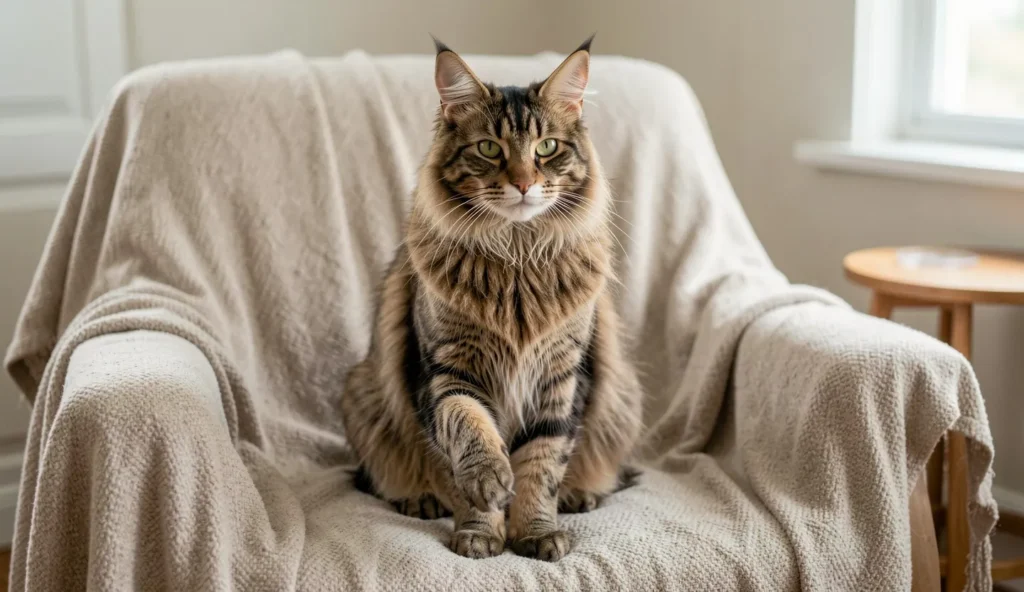
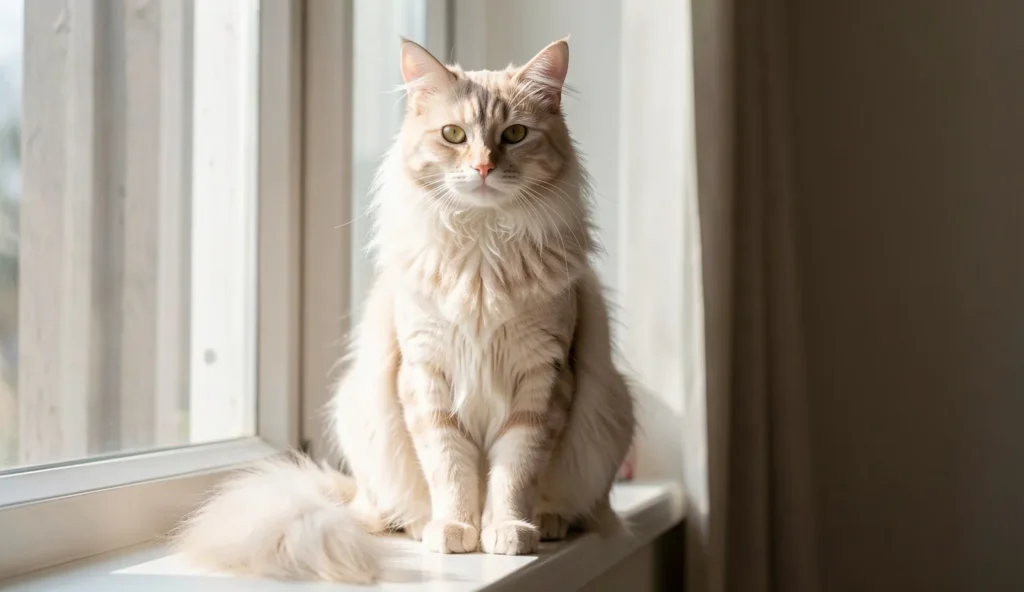
The Turkish Angora breed is a longhaired domestic cat known for a silky coat and a lively, curious personality. Originating from Turkey, its history is closely tied to Ankara, where the type became valued for its elegant look. Many people choose this longhaired breed because it combines grace with daily play. A Turkish Angora cat also tends to form strong routines around people, which can suit a playful household.
Breed Overview And Where It Comes From
The Turkish Angora cat is a traditional longhaired breed that developed in Turkey over many generations. Ankara became a key connection for the breed’s early recognition and cultural presence. Over time, Turkish Angoras became known as active, alert, and intelligent companions. The coat stands out as silky and fine, not thick and woolly.
Coat Type And Why It Matters
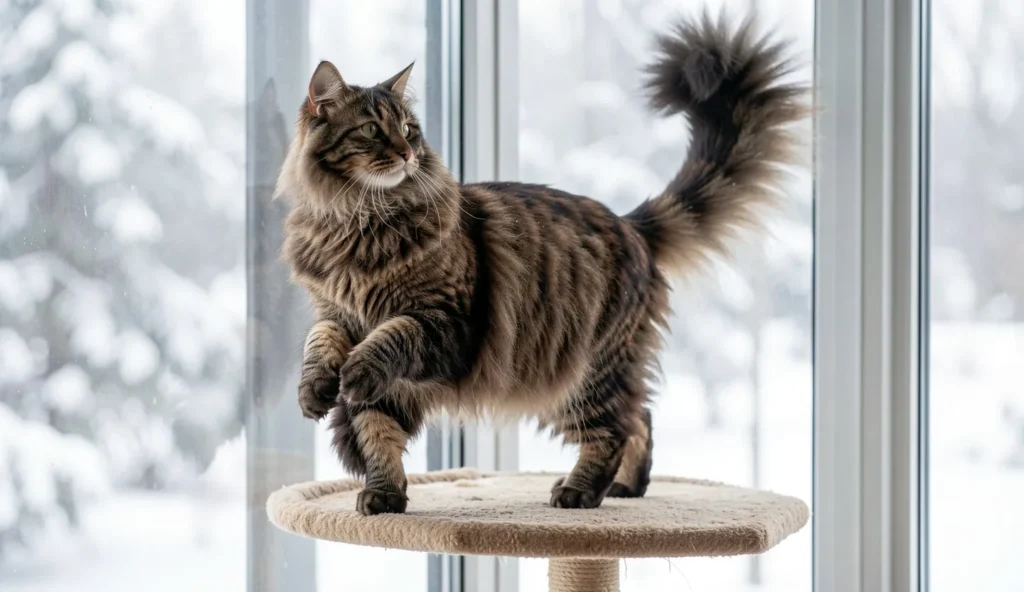
Turkish Angora care often starts with understanding the fur structure. The coat usually looks long and flowing, with a light, smooth feel that catches light as the cat moves. Feathering on the tail and legs is common and can tangle if grooming is inconsistent. Because the coat can collect loose hair, regular brushing helps reduce matting buildup.
Appearance And Physical Features
Turkish Angora kittens and adults can look delicate, but the body is built for movement. The overall impression stays graceful, with slender lines and strong balance. Healthy individuals usually show clean skin under the fur and an alert posture. For buyers comparing breeds, the longhaired breed look is a key trait, especially around the tail and neck area.
Body Shape And Head Details
A Turkish Angora typically has a medium-sized body with a slender, elegant build. The head often appears wedge-shaped, with an alert expression that matches the cat’s curiosity. Ears usually sit high on the head, and tufts of fur may show along the ear edges. The tail remains long and usually looks fuller, with soft fur coverage.
Eye Color And Common Coat Colors
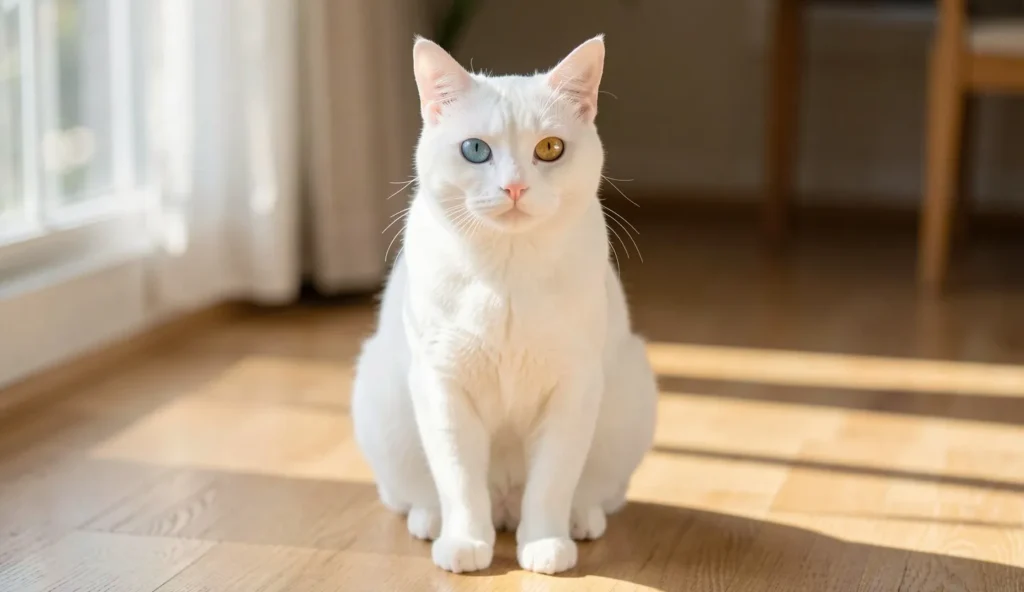
Turkish Angora eye colors can include blue, amber, and odd-eyed combinations. Coat colors vary widely, but white is one of the most recognized variations. Many solid and patterned cats also exist within the breed. Because genetics guide both coat and eye color, two siblings can show different combinations.
Coat Length And Shedding Level
This breed counts as a longhaired breed with a silky texture rather than a heavy wool coat. Shedding happens year-round and often increases during seasonal changes. When loose hair is brushed out, it usually reduces hairballs and keeps fur from tangling. Mats form more easily in high-friction areas like behind the legs and around the collar.
Turkish Angora Temperament And Personality
Turkish Angora temperament usually includes high curiosity and strong engagement with daily life. Many cats enjoy play that requires thinking, not only chasing. People-oriented behavior is common, but individual variation does occur. With consistent care and predictable routines, this playful and intelligent style often becomes easier to manage.
Playfulness And Intelligence
Turkish Angoras often stay active and curious, especially during morning or evening hours. Many learn household routines quickly, and they respond best to consistent signals. Interactive play can include puzzle feeders and wand-style games that require short bursts of attention. Over time, enrichment supports a stable mood and reduces boredom behaviors.
Social Style With People And Other Pets
Many Turkish Angora cats bond closely with their families and may follow from room to room. Some cats show more independence, so social needs can differ by individual personality. When other pets are present, supervised introductions help reduce stress for everyone. Quiet households can work if enrichment happens often and the cat has time to explore safely.
Common Behavior Patterns To Expect
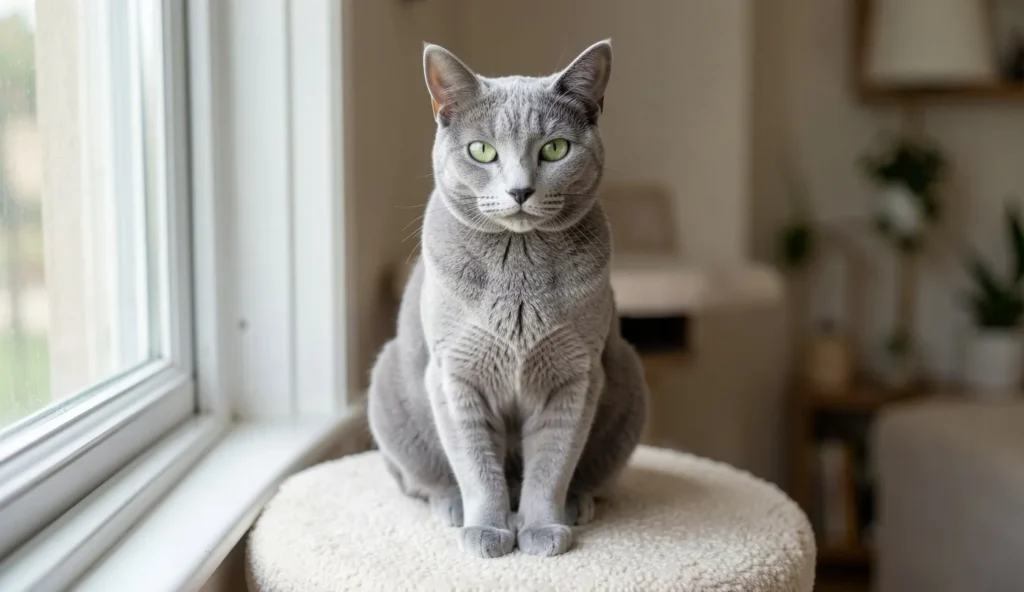
Many Turkish Angoras use vertical spaces like cat trees and tall perches. Some enjoy observing household activities from a window or a high shelf. Interactive play usually lowers the chance of unwanted behaviors caused by boredom. Responses to handling can vary, so gentle, short sessions tend to work best at first.
Exercise Requirements For A Turkish Angora
Exercise requirements for the Turkish Angora breed center on curiosity and frequent movement. Without regular play and mental tasks, the cat may search for entertainment through climbing or investigating hazards. Daily activity can be simple, as long as it happens in short, engaging sessions. This approach helps match the cat’s natural energy and keeps behavior more predictable.
Daily Activity Targets
Short play sessions often work better than one long session. Multiple rounds of chasing and stalking-style play can match the cat’s instinctive rhythms. Toys can rotate every few days so the cat keeps interest without tiring quickly. Sessions should end before overstimulation, so the cat stays willing to play again later.
Best Types Of Toys And Enrichment
Feather wands and wand-style games commonly encourage natural hunting behavior. Puzzle feeders add a mental challenge and help slow eating for some cats. Climbing and perching options near windows support safe observation and routine enrichment. Scratching posts also matter because they channel clawing into a preferred surface. For a longhaired breed with regular grooming needs, interactive play also supports coat health by keeping stress lower.
Space And Household Setup Tips
A Turkish Angora usually benefits from a safe setup with stable platforms and clear routes. Hiding spots help the cat rest calmly without feeling exposed. Window seating can provide enrichment, but it should be secured so the cat cannot tip over. Hazards near ledges should be removed, and tall furniture should remain stable. If indoor-only living is used, it should still include enough vertical access to satisfy climbing instincts.
Because intelligence often drives problem-solving, some owners also plan enrichment around routines rather than random sessions. A well-paced schedule can reduce stress, which matters for grooming consistency during Turkish Angora care. When other longhaired cats are considered, comparing activity needs helps too, such as in an overview like the Devon Rex cat guide for contrasting energy patterns.
Training A Turkish Angora Cat
Training a Turkish Angora cat should focus on positive reinforcement, consistency, and low-stress handling. This breed often learns quickly when the cat receives clear cues and rewards. Punishment usually creates avoidance, which can make grooming and litter routine harder. With gentle repetition, training can become a practical part of Turkish Angora care.
Litter Box And Routine Training
Routine training works best with a consistent litter box location. A clean, unscented box usually reduces refusal, especially for cats sensitive to changes. Rewarding digging behavior only helps when it matches normal litter use rather than random pawing. Feeding times should also remain predictable, since stable schedules often support predictable bathroom habits.
Teaching Basic Behaviors
Basic behaviors start with simple cues, like target touch using a hand cue. Coming when called can be practiced using treats and short sessions to maintain interest. Leash walking can happen later, but only after trust and safe gear are in place. Avoiding punishment keeps cooperation higher and reduces stress during training days.
Managing Scratching And Jumping
Scratching management usually succeeds with stable scratching surfaces placed at preferred heights. If the cat tries to scratch furniture, redirection works better than repeated scolding. Redirecting to a preferred scratching material with consistent placement helps the cat learn. Jumping issues often improve when perches and vertical escape routes exist, since the cat seeks safe vantage points.
For owners comparing training style across breeds, cat behavior differences can show up quickly. Some people interested in flexible behavior may also look at the Balinese cat breed characteristics when planning enrichment intensity. Such comparisons help set expectations for temperament and daily routines.
Turkish Angora Grooming And Coat Care
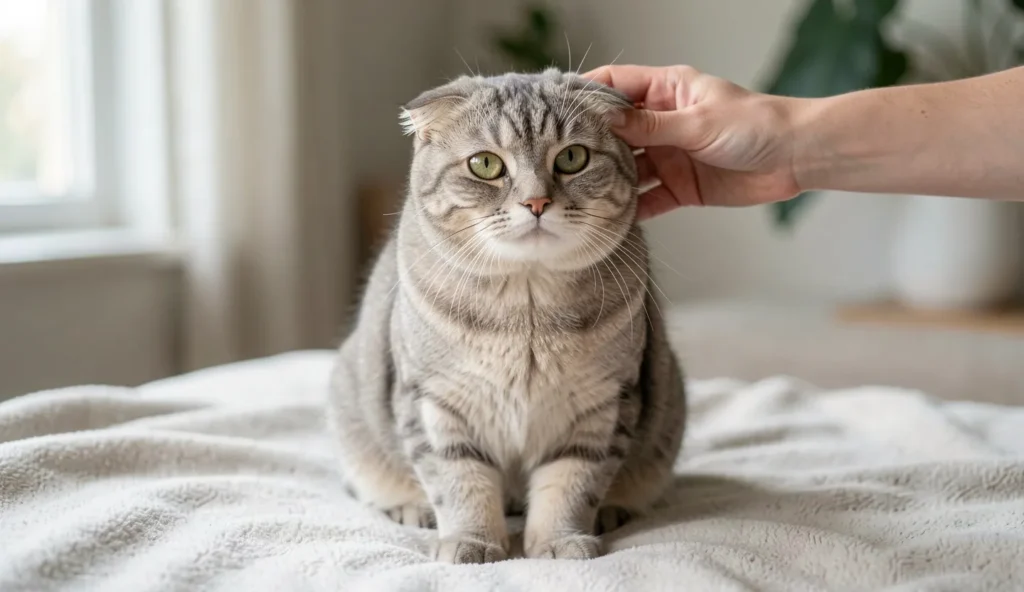
Turkish Angora grooming matters because the silky long coat tangles more easily than short fur. A consistent routine also keeps the cat comfortable and supports skin health. Grooming is not only about looks, since it can reduce swallowed loose hair and hairball episodes. With the right tools and a calm pace, Turkish Angora care becomes manageable even for beginners.
Brushing Routine For A Silky Longhaired Coat
Brushing several times per week helps prevent knots and reduces seasonal shedding buildup. During shedding season, increasing frequency usually makes a noticeable difference. A comb or brush designed for long fur works best for working through strands gently. Tangles should be handled patiently without pulling, since pulling can cause pain and future avoidance.
- Brush several times per week for knot prevention
- Increase frequency during seasonal shedding changes
- Use a comb or brush made for long fur
- Work through tangles gently without pulling
- Check behind ears and around the collar area
- Focus on friction zones like behind legs
Bathing And Drying Guidelines
Bathing usually stays occasional unless the coat becomes soiled. Cat-safe shampoo helps keep skin irritation low, and thorough rinsing prevents residue. Drying should start with a towel, then warm low heat only if the cat tolerates it. Stress should be minimized during wet handling because it can make the cat resist grooming later.
If a specific hair issue appears, spot-cleaning often works better than full bathing. This approach also fits well with routine grooming schedules and keeps brushing more effective. For comparisons with other coat textures, a guide like the Cornish Rex breed overview can clarify how grooming needs shift with coat type.
Ear, Eye, And Nail Care
Ear checks help catch buildup or odor early, and weekly checks usually work for many owners. Eye corners can be wiped with a clean damp cloth if small discharge appears. Nail trims typically happen every 2 to 4 weeks, depending on how quickly claws wear down. Scratching options should stay available so nails do not overgrow and snag.
- Check ears weekly for buildup or odor
- Wipe eye corners with a clean damp cloth if needed
- Trim nails every 2 to 4 weeks
- Keep scratch posts available near rest areas
Hairball Prevention Through Grooming And Diet
Regular brushing removes loose hair that the cat might swallow during grooming sessions. Some owners also use fiber supports, but those should match a veterinarian’s advice. Monitoring vomiting frequency and stool changes helps catch problems early. Hairball prevention should be treated as part of overall coat care rather than an emergency solution.
Because shedding can feel more intense with long coats, grooming habits often decide how comfortable the cat stays. If brushing schedules slip, mats can form and increase hair ingestion. For first-time owners managing long hair, practical routines in other breed guides can also help. The European Shorthair cat care overview shows how grooming demands differ when the coat is shorter.
Diet And Nutrition For Turkish Angora Cats
Turkish Angora diet should focus on complete nutrition and stable feeding routines. This breed needs animal-based protein, essential fats, and balanced vitamins and minerals to support coat quality. Fresh water also matters because dehydration can worsen skin dryness. With measured portions and consistent timing, feeding supports a healthier weight and smoother daily energy.
Best Food Types And Nutrient Priorities
Complete and balanced cat food fits most Turkish Angora households. Protein supports muscle, and essential fats support skin and coat texture. Food should match the life stage, such as kitten, adult, or senior. Fresh water should remain available at all times, especially for cats that eat mostly dry food.
Feeding Frequency And Portion Control
Adult cats usually eat 1 to 2 times per day, depending on lifestyle and appetite. Portions should match body condition instead of only the feeding chart on the bag. Measuring food helps prevent gradual weight gain, which can reduce climbing comfort. Treats should stay limited and should work for training, since overuse can disrupt balanced meals.
Common Diet Adjustments
Kittens often need higher-energy diets and more frequent meals. Senior cats may require fewer calories and support for joint comfort. Cats with sensitive digestion often do better with gradual diet changes rather than sudden swaps. If a medical diet is considered, discussing options with a veterinarian helps keep feeding safe and effective.
Owners who also explore other longhaired types might want to compare how nutrition ties into grooming. Coat changes often track with diet quality, so starting with balanced food matters early. Some cat families also consider different breed options, such as the American Curl breed when comparing lifestyle fit and routine needs.
Common Health Issues In Turkish Angora Cats
Common health issues in the Turkish Angora breed are usually manageable when owners monitor routine signals. The most discussed concern involves white coats and blue eyes, which can correlate with higher deafness risk. Other concerns can include dental changes over time and skin dryness if grooming stays inconsistent. Preventive care keeps many issues from becoming severe.
Genetic And Coat Related Considerations
White cat breed traits sometimes overlap with blue-eyed genetics, and that combination can increase the risk of deafness. Not every white or blue-eyed Turkish Angora has hearing loss. Still, it helps to ask about health screening and lineage when choosing a cat. Observation at home matters too, since startle reactions and responses to sound can show early clues.
Typical Age Related Problems To Watch
Dental issues can develop as cats age, so routine dental checks can help. Weight changes can affect mobility and how comfortably the cat climbs or jumps. Skin dryness can worsen if brushing becomes irregular and loose hair stays trapped. Hairball episodes may increase during heavier shedding periods, so grooming frequency should adjust as seasons change.
Veterinary Checkup And Preventive Care
Wellness exams should follow local recommendations and the cat’s health history. Vaccinations should remain up to date to reduce preventable diseases. Parasite prevention for fleas and worms can protect comfort and reduce health risk. Veterinary care should be sought for persistent vomiting, breathing issues, or poor appetite that lasts beyond normal behavior.
What A Healthy Coat Looks Like
A healthy Turkish Angora coat usually appears silky with minimal heavy matting. Fur distribution should look even, and the skin underneath should not show redness or irritation. Scratching should remain occasional, not constant, and flaky buildup should not persist. Eyes and ears should stay clean without visible inflammation.
When health screening matters, comparing breed-specific guidance can reduce uncertainty. Owners exploring other rare coat genetics may find it useful to review the Egyptian Mau breed history and health considerations as an example of how breeders discuss line-based risk. This kind of comparison can support better questions during adoption or purchase.
Is The Turkish Angora Breed Right For You?
The Turkish Angora breed fits best when daily enrichment and grooming time align with household routines. This cat often stays playful, intelligent, and engaged with people. Longhaired breed care can take steady effort, especially during shedding periods. For owners seeking a cat that actively participates in family life, the Turkish Angora can make a rewarding match.
Good Fit Scenarios
Homes that can provide daily interactive play often suit this breed well. Owners willing to brush regularly usually find coat care easier over time. Families who want a curious, people-oriented cat often appreciate the bond this breed can form. Cat lovers who enjoy setting enrichment routines can reduce stress and keep behavior steady.
Potential Challenges To Plan For
Long fur needs consistent grooming time, so missed brush sessions can lead to tangles. Energy levels may be higher than calm breeds, which means the household must offer regular play. Shedding can be noticeable during seasonal changes, even with frequent brushing. Some cats may also be sensitive to handling, so gentle introductions and patient training help.
Care Checklist Before Bringing One Home
A practical checklist reduces surprises and supports a smooth start. Having the right supplies ready also helps match grooming and enrichment to the cat’s preferences. Since this breed can be active and investigative, safe setup choices matter on day one. The checklist below covers essentials that support Turkish Angora care from the start.
- Long-fur brush and comb for coat checks
- Cat tree or vertical perches
- Interactive toys and puzzle feeders
- Quality balanced food and measured portions
- Scratching posts placed in preferred locations
- Vet plan for vaccines and routine exams
If a household also considers another longhaired cat option, matching care schedules helps. Some owners compare temperament between breeds, such as the way a American Bobtail cat may interact differently in a home. Such comparisons can support better planning around grooming, playtime, and training.
FAQs: Turkish Angora Cat Care
How Often Should A Turkish Angora Be Brushed?
Brush several times per week to prevent tangles. Increase brushing during seasonal shedding so loose hair does not build up.
Are Turkish Angoras Good For First Time Cat Owners?
They can be a good fit because many are playful and responsive to consistent routines. Regular grooming and daily enrichment still require planning.
Do Turkish Angoras Shed A Lot?
They shed year-round, with heavier shedding during seasonal transitions. Frequent brushing helps reduce loose hair in the home.
What Should A Turkish Angora Eat?
Feed a complete and balanced cat food matched to the life stage. Use measured portions and limit treats to maintain a healthy weight.
Are White Turkish Angora Cats More Likely To Have Health Issues?
Some white cats with blue eyes have an increased risk of deafness. Not all white cats are affected, and screening can help set expectations.
A Final Note On Turkish Angora Care
With steady grooming, daily play, and routine health checks, Turkish Angora care can feel consistent and manageable. A well-matched home helps this silky longhaired breed thrive and stay engaged with people.