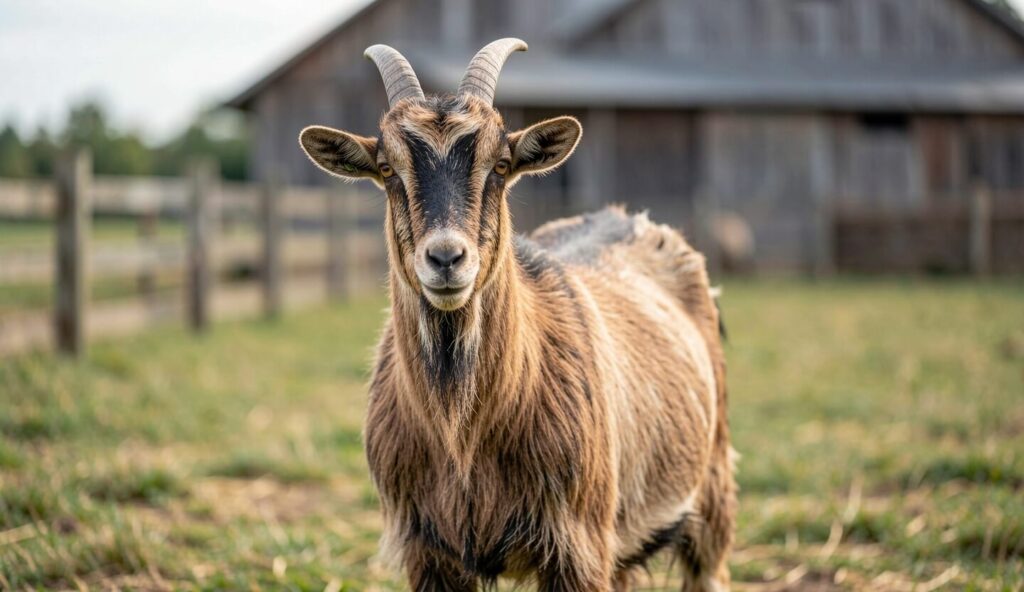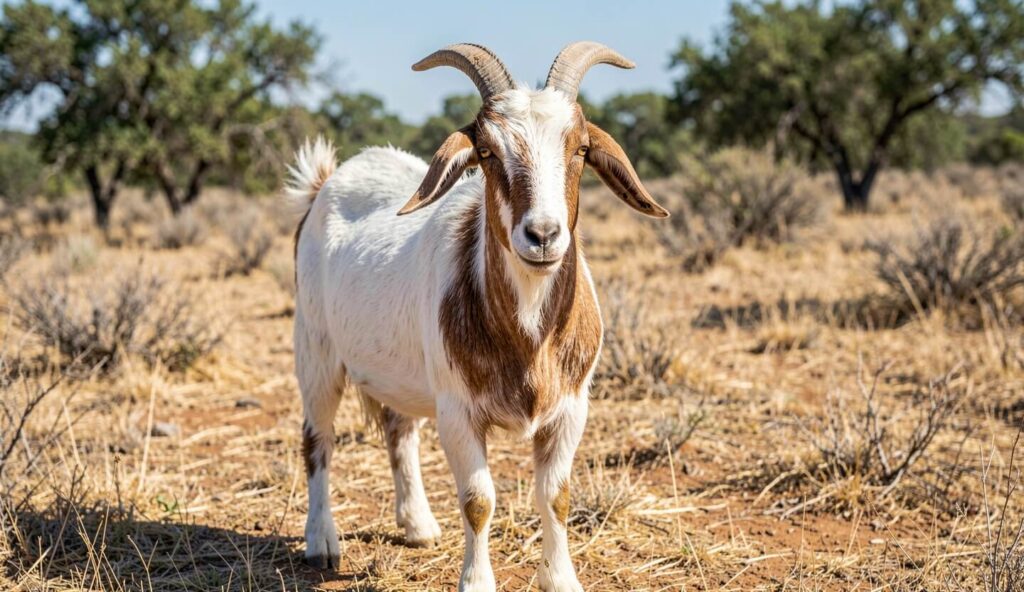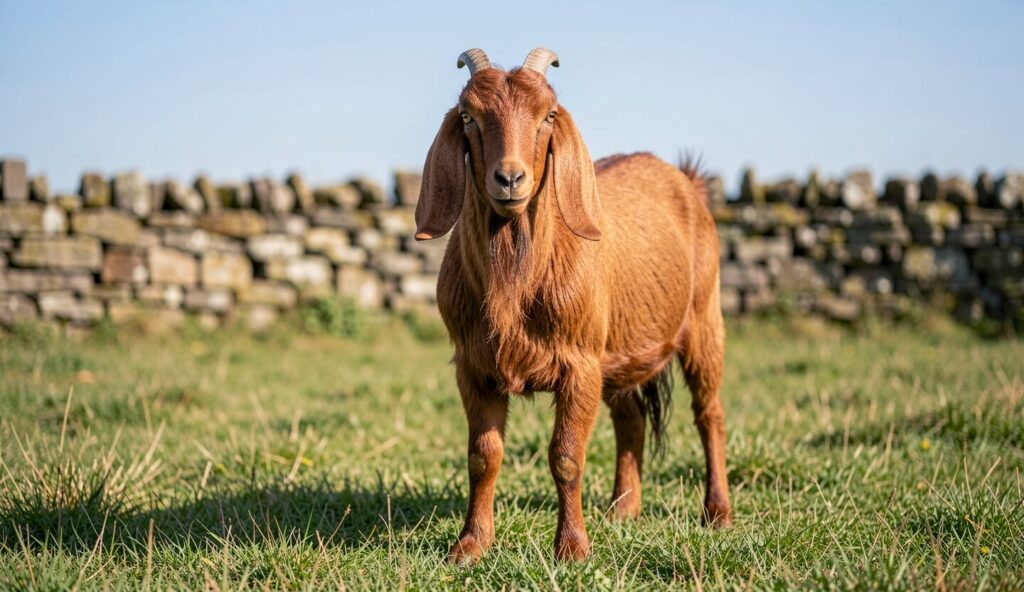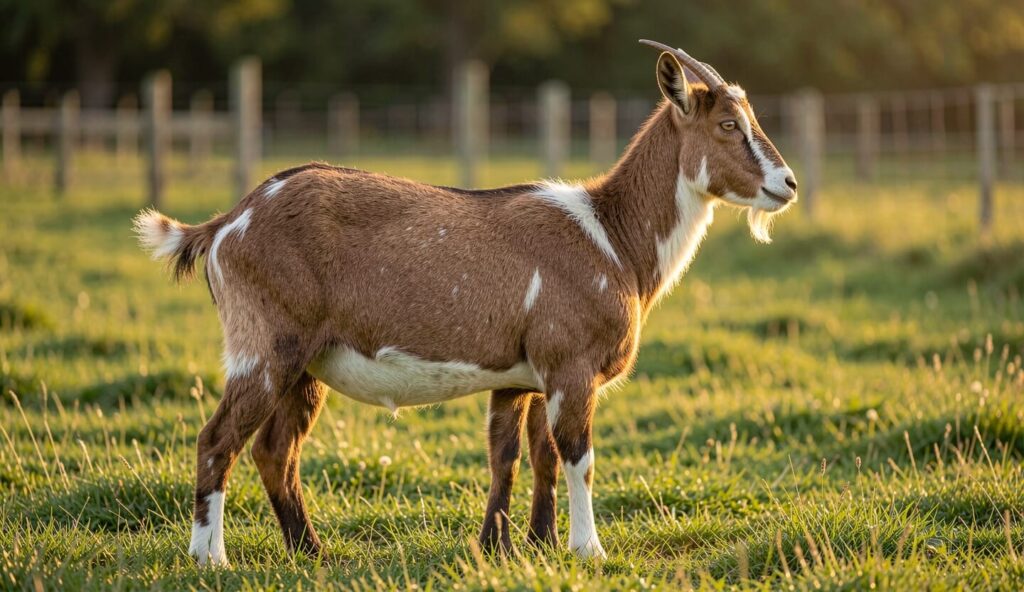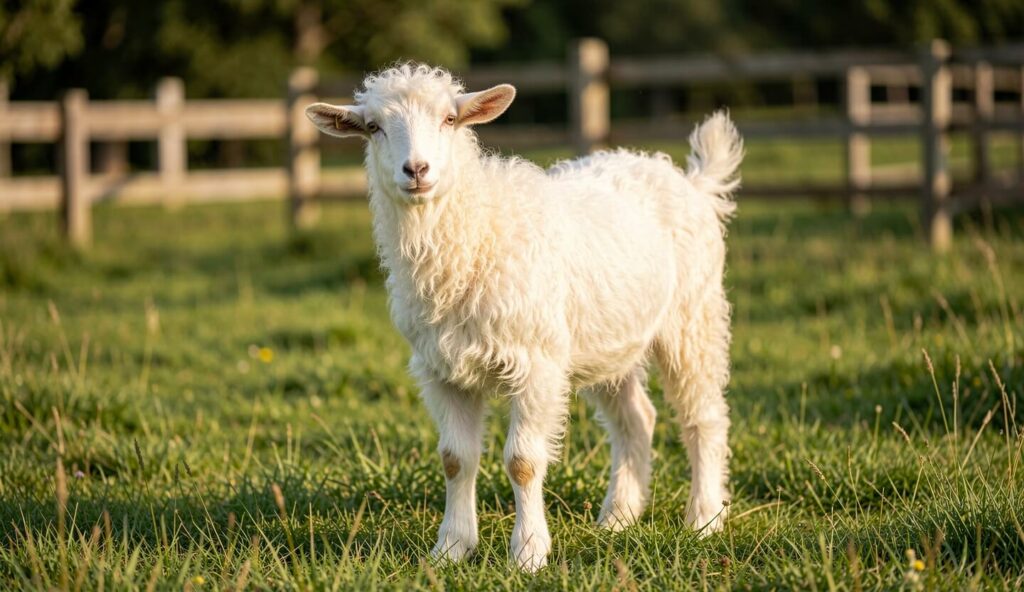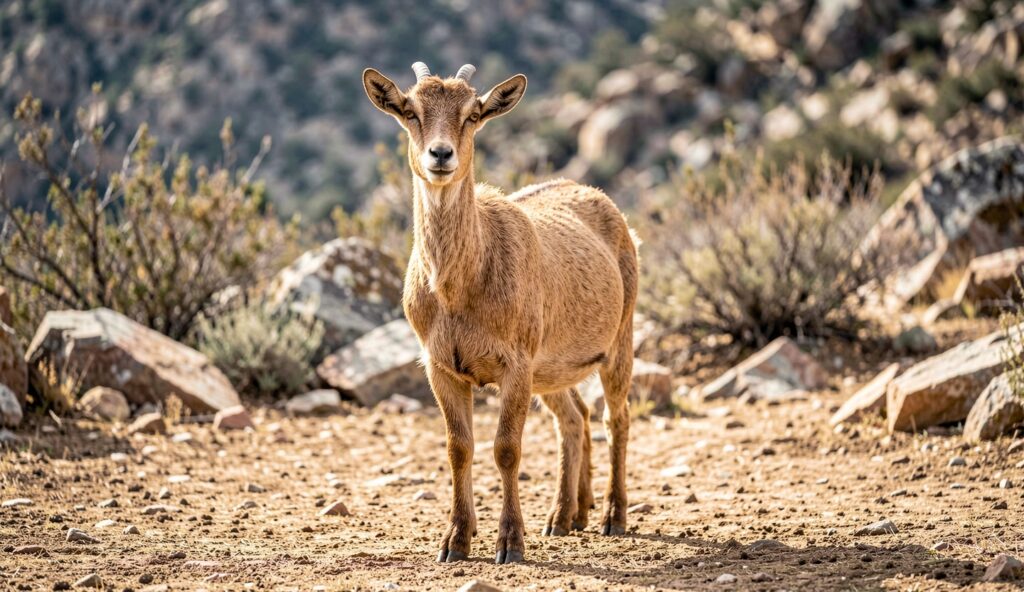
The Aljabal Goat is a hardy mountain goat breed connected to the Aljabal Alakhdar mountain area and local Oman livestock traditions. This Oman goat breed often stands out for its rugged, foraging-friendly build and ability to handle dry, uneven conditions. With the right shelter, forage planning, and routine health checks, keepers can maintain a stable herd and comfortable daily care.
What Is the Aljabal Goat?
The Aljabal Goat is an Oman mountain goat breed linked with rugged terrain and seasonal changes in its home region. Many keepers describe it as resilient and practical for foraging, especially when pasture variety changes over time. Interest in the Aljabal Alakhdar goat also grows because it fits unusual breed goals, rather than focusing on common dairy or meat types.
Origin and Where It Is Common
The breed connects to the Aljabal Alakhdar mountain area, where goats traditionally use hillside movement to reach shrubs and browse. Adaptation to rugged terrain and seasonal conditions supports its reputation as a mountain goat breed. Because the breed remains tied to local livestock practices, it is often discussed alongside other Oman goat types rather than appearing widely as a mainstream breed.
Key Breed Traits At A Glance
Several practical traits help explain why the Aljabal Goat suits keepers who manage forage and environmental limits. Its mountain-adapted body type supports browsing and secure footing on uneven ground. Keepers also value its resilience and foraging ability, particularly in dry climates where forage planning matters.
- Mountain-adapted body type for browsing and secure footing
- Often hardy and suited to dry climates
- Foraging ability supports varied browse and shrubs
- Typically fits herd routines when space and shelter match needs
Appearance and Physical Features
Appearance helps first-time keepers recognize the Aljabal Goat at a glance and plan for realistic housing. The overall look usually supports active movement and daily browsing. Individual variation exists, but several features tend to repeat across the breed type.
Typical Size, Body Type, and Build
The Aljabal Goat generally shows a compact, agile build that supports steep ground travel. A rugged frame supports active movement, while leg and hoof structure helps the goat move across uneven surfaces. For keepers, that means fencing and flooring still matter, even if the goat appears naturally sure-footed.
- Compact body that supports quick, stable movement
- Rugged frame for active daily foraging
- Leg and hoof structure supports uneven footing
Coat Colors and Hair Characteristics
Coat color varies across individuals, so visual identification should focus on overall body type and hair condition. Hair length and density tend to suit outdoor conditions, which can include hotter days and cooler periods. Seasonal coat changes may occur in mountain areas, so grooming plans should include shedding periods.
- Coat color varies among individuals
- Outdoor-suited hair helps comfort across changing weather
- Seasonal shedding can increase during temperature shifts
Horns and Face Features
Horns may appear depending on the individual and sex, so keepers should assume horn presence until confirmed. The face profile often supports a browsing posture, which can include reaching and searching among shrubs. Ear shape can also help with heat management, which supports comfort in warm outdoor conditions.
- Horns may be present depending on sex and individual traits
- Face profile supports browsing posture
- Ears can support heat comfort during warm weather
Temperament and Personality
Temperament shapes daily care and determines how easily the Aljabal Goat fits a routine. Most keepers expect stable behavior when consistent handling and feeding schedules support trust. As with any goat, individual personality exists, but predictable routines usually improve calm responses.
Behavior Around People and Other Goats
The Aljabal Goat often stays calm when handled consistently and fed at predictable times. It can also show alertness and responsive behavior during routine checks, which supports observation. When adequate space exists, herd dynamics usually remain stable, because goats can spread out rather than crowding.
Foraging and Browsing Tendencies
Browsing tendencies often guide feeding choices, especially when traditional goat feeding includes shrubs and leaves beyond hay. The Aljabal Alakhdar goat may prefer varied forage instead of relying on only one feed type. Enrichment through controlled grazing management helps behavior, reduces boredom, and supports natural browsing habits.
- Likely to browse leaves and shrubs as a daily routine
- May prefer varied forage over only hay
- Enrichment through grazing management improves behavior
Exercise and Activity Needs
Exercise supports muscle health, steady digestion, and normal behavior in a mountain goat breed. Even though the Aljabal Goat appears built for rugged conditions, movement still needs safe boundaries. With good space planning and secure fencing, activity becomes easier to manage.
Daily Movement and Space Requirements
Active foraging benefits from room to move, and the goat typically uses space to browse and explore. Fencing must prevent escapes and reduce injury risks, especially where rocky surfaces exist. When feasible, rotating grazing areas helps reduce overuse and supports healthier forage growth.
- Provide enough space for daily foraging and movement
- Use fencing that prevents escape and reduces injury risk
- Rotate grazing when possible to reduce overuse
Safe Climbing and Terrain Considerations
Safe climbing requires thoughtful pen design, not only good instincts. Use non-slip surfaces in shaded areas and check footing for sharp rocks that could cause cuts. Extra caution matters for very young kids, since falls can still happen even when adult goats manage uneven ground well.
- Use non-slip surfaces in shaded areas
- Check pen footing for sharp rocks and uneven hazards
- Avoid steep risks for very young kids
Training and Handling Basics
Training for the Aljabal Goat focuses on handling safety and routine cooperation. Beginner keepers benefit from calm, repeated sessions that connect people with feeding times and gentle checks. With a clear plan, basic behaviors form quickly and daily goat housing for hot climates becomes easier to manage.
Teaching Routine Behaviors
Start with short, frequent handling sessions so the goat does not feel trapped or rushed. Consistent feeding times build trust and reduce stress during health checks. The best results come from a slow, predictable approach that avoids sudden movements around the pen gate.
- Use short handling sessions to build calm familiarity
- Keep feeding times consistent to encourage trust
- Approach slowly and predictably during routine checks
Safe Restraint and Grooming Access
Work calmly to reduce stress, and plan gentle contact areas like the neck and back first. Hoof handling usually requires training, so keepers should support the goat safely and avoid forcing movement. When grooming access becomes routine, health checks become more reliable because the goat tolerates closer inspection.
- Stay calm and steady during any restraint
- Start contact with neck and back for easier cooperation
- Handle hooves only when trained and supported
Housing Essentials for Mountain Like Conditions
Housing affects health, comfort, and parasite pressure in an Oman goat breed. The main goals include dry bedding, good airflow, and shelter from heavy rain and wind. Since the Aljabal Alakhdar goat type comes from rugged, changing conditions, shelter should support both hot and cooler periods.
Shelter, Ventilation, and Weather Protection
Provide dry, draft-free airflow so goats get fresh air without chills at night. Shelter should protect from heavy rain and wind, since wet conditions raise stress and foot problems. Shade also matters during hot periods, especially when goat housing for hot climates limits how long goats spend outdoors.
- Provide dry, draft-free ventilation
- Protect from heavy rain and strong wind
- Add shade options during hot periods
Bedding and Flooring Choices
Absorbent bedding helps manage moisture and keeps lying areas comfortable. Flooring should remain non-slip and easy to clean, especially where urine and water collect. Wet bedding should get removed promptly to reduce foot damage and reduce parasite-friendly damp areas.
- Use absorbent bedding to manage moisture
- Keep floors non-slip and easy to clean
- Remove wet bedding quickly
Sanitation and Parasite Control
Clean housing lowers parasite risk and supports overall herd health. Remove manure regularly and avoid standing water in and around housing, since damp areas can increase worm and bacterial pressure. Managed grazing also reduces worm burden by reducing how often goats feed on the same contaminated patches.
- Remove manure regularly to reduce buildup
- Control standing water around pens and shelter
- Use managed grazing to reduce worm burden
Diet and Nutrition for Aljabal Goats
Diet forms the foundation of successful Aljabal Goat care, especially when forage options vary. Traditional goat feeding often emphasizes forage first, with grains and concentrates used only when needed. For best results, keep forage clean, reduce mold exposure, and build rations around browsing tendencies.
Core Forage Requirements
Hay or pasture forage usually makes up the base of the diet. Offer forage that matches browsing tendencies, since the Aljabal Alakhdar goat may prefer leaves and shrubs when available. Always keep forage clean and free of mold, since moldy feed can cause serious digestive and health issues.
- Forage forms the base of daily nutrition
- Match forage style to browsing tendencies
- Keep forage clean and mold-free
Minerals, Salt, and Water Needs
Provide mineral blocks or a loose mineral mix so nutritional gaps do not develop. Fresh clean water should be available daily, and water intake should get monitored during heat. Even hardy goats can reduce feed intake if water access becomes inconsistent, which can affect body condition.
- Offer mineral blocks or loose mineral mix
- Provide fresh clean water every day
- Monitor water intake during hot periods
Concentrates and Treat Feeding Guidelines
Use concentrates only when needed, such as during cold weather or when goats require extra body condition. Any feed changes should happen gradually to prevent digestive upset. Avoid overfeeding rich grain, because too much concentrate can disrupt rumen function and lead to digestive problems.
- Use concentrates only when needed
- Introduce feed changes gradually
- Avoid overfeeding rich grain
Feeding Schedule and Portion Planning
Split feeding into consistent daily portions so goats receive predictable amounts. Remove uneaten fresh forage quickly to keep feed quality high and prevent spoilage. Portion planning should adjust based on body condition and activity level, not only on age.
- Split feeding into consistent daily portions
- Remove uneaten fresh forage promptly
- Adjust portions using body condition score
Grooming and Basic Care Tips
Grooming supports comfort and also makes health monitoring easier. Regular checks help detect skin irritation, early hoof issues, and early signs of reduced appetite. With consistent care, the Aljabal Goat often stays comfortable even when mountain-like conditions shift through the year.
Coat Care and Seasonal Shedding
Brush during shedding to reduce matting and keep skin comfortable. Watch the skin for dryness, irritation, or unusual patches, since these can reflect diet issues or external stress. During extreme weather, comfort checks matter because temperature swings can change how goats rest and move.
- Brush during shedding to reduce matting
- Watch skin for dryness or irritation
- Provide comfort during extreme weather changes
Hoof Care and Foot Health
Check hooves regularly for overgrowth and early signs of damage. Keep surfaces clean so moisture and debris do not build up where hooves touch the ground. If lameness appears, seek professional help quickly, since early action usually supports a faster recovery.
- Check hooves regularly for overgrowth
- Keep floors clean to limit damage
- Get professional help if lameness shows up
Health Check Routine for Beginners
A simple health check builds routine confidence and helps detect changes early. Inspect eyes, nose, and coat condition, and monitor appetite and chewing behavior. Also check for swelling around joints and legs, because those signs can indicate injuries or illness.
- Inspect eyes, nose, and coat condition
- Monitor appetite and chewing behavior daily
- Look for swelling around joints and legs
Common Health Issues and Prevention
Several health risks appear in mountain goat breed care, especially when housing gets damp or feeding changes too fast. Prevention focuses on consistent sanitation, parasite control habits, and careful ration planning. When keepers watch for early signs, they can often address problems before they worsen.
Parasites and Worm Management
Worm risk tends to rise with poor pasture rotation and consistently muddy or wet pens. Use fecal checks or follow local veterinary guidance for a schedule that matches the area. Keeping pens dry and reducing mud lowers the chance that goats pick up parasite eggs during browsing.
- Worm risk increases with poor pasture rotation
- Use fecal checks or local veterinary guidance
- Keep pens dry and reduce mud
Digestive Problems From Diet Changes
Overfeeding rich feed can lead to digestive issues, even in hardy goats. Any ration change should happen gradually over time, since sudden shifts can upset rumen function. For digestive stability, provide enough forage to support normal chewing and rumen activity.
- Overfeeding rich feed can cause digestive issues
- Change rations gradually to protect rumen function
- Provide enough forage for steady digestion
Foot Problems and Lameness Signs
Lameness often connects to wet, dirty floors and poor hoof surface conditions. Keepers should check for warmth, swelling, or open wounds and respond early to avoid worsening injuries. If a goat seems uncomfortable, isolate it for assessment so the rest of the herd does not distract it during rest.
- Lameness may follow wet, dirty floors
- Check for warmth, swelling, or open wounds
- Isolate affected goats for assessment
Heat Stress and Dehydration Risks
Heat stress becomes more likely when shade and water access are inconsistent. Increase ventilation in warm months and watch for slowed movement or reduced appetite, since those show early stress. Quick response supports recovery and reduces the risk of dehydration-related complications.
- Provide shade and frequent water access
- Increase ventilation in warm months
- Watch for reduced appetite or slowed movement
Vaccination and Veterinary Planning
Vaccination needs depend on local disease risk, so follow recommendations from a veterinarian familiar with the region. Plan a schedule early and keep basic records for each goat. Quarantine new animals before joining the herd to reduce the chance of introducing illness into existing groups.
- Follow local disease risk vaccination guidance
- Plan a schedule with a veterinarian
- Quarantine new animals before herd introduction
For keepers comparing goat types and care routines, a breed like Abaza Goat can offer a useful reference point for pasture and dual-purpose management habits. While the breeds are not the same, planning for forage, space, and health checks follows similar logic.
Is the Aljabal Goat Right for You?
The Aljabal Goat can fit unusual goat breed goals when the caretaker can manage daily forage planning and basic health routines. The most successful matches typically include keepers who understand sanitation, parasite control habits, and the need for consistent feeding. If these routines align with available time and space, the Aljabal Alakhdar goat can become a manageable long-term herd member.
Good Fit for Beginner Keepers
Beginner keepers often do best when they can provide stable forage quality and reliable daily care. The goat usually benefits from consistent handling, predictable feeding, and clean housing. Routine coat and hoof checks also support early problem detection.
- Works well with consistent forage quality management
- Benefits from stable feeding and gentle, repeated handling
- Improves with clean housing and regular basic health checks
Situations Where Extra Planning Is Needed
Extra planning becomes necessary when parasite control habits are inconsistent or when shade and dry bedding are limited. Limited forage options can also require careful ration design to keep rumen function stable. In those cases, it helps to adjust routines early rather than waiting for health problems to appear.
- Needs strong parasite control habits from the start
- Requires shade and dry bedding to lower heat and foot risks
- May need careful ration design with limited forage options
Keeping an Aljabal Goat Successfully Long Term
Long-term success with the Aljabal Goat usually depends on consistency in feeding and health routines. Stable forage quality supports digestion, while clean housing reduces parasite pressure and foot problems. Regular checks help catch issues early, making daily care more predictable for any keeper managing this Oman goat breed.
Frequently Asked Questions
What kind of climate does the Aljabal Alakhdar goat handle best?
The Aljabal Alakhdar goat adapts well to rugged mountain like conditions and often performs best in dry climates when shade and steady water exist.
What should an Aljabal Goat eat day to day?
Forage forms the base of the diet, with clean hay or pasture forage matching the goat’s browsing tendencies. Fresh water and minerals should be available daily.
How much space does a mountain goat like the Aljabal Goat need?
More space supports movement and reduces stress, especially for daily browsing behavior. Safe fencing and non-slip footing also matter to prevent injuries.
How can worm risk be reduced in an Aljabal Goat herd?
Worm risk can drop with pasture rotation and by keeping pens dry and less muddy. Local veterinary guidance and fecal checks help set an appropriate parasite control plan.
Do Aljabal Goats require special grooming?
Routine coat brushing during shedding keeps the coat comfortable and reduces matting. Regular hoof checks help prevent lameness and catch issues early.
Are Aljabal Goats good for people wanting an unusual goat breed?
They can be a good choice for unusual breed goals, but sourcing planning may be necessary because they are not widely available. A strong match typically requires good forage management and consistent health routines.
Final Note
With practical shelter, thoughtful feeding, and regular checks, the Aljabal Goat can thrive as a steady, manageable addition to a small herd. Consistency in daily care helps the Oman goat breed stay healthy through changing conditions.