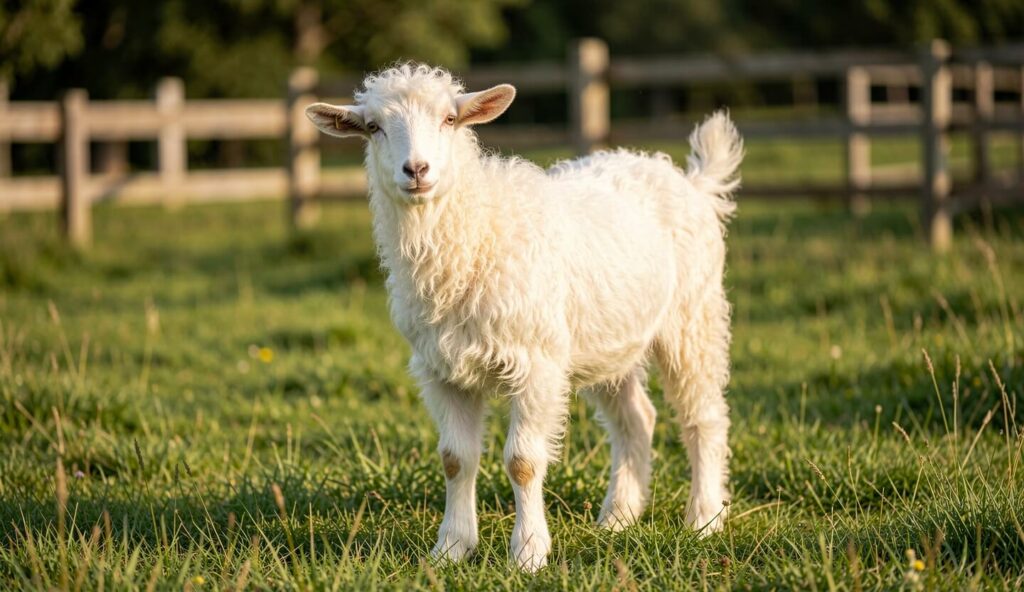
What Is An Algarvia Goat?
The Algarvia Goat is a Portuguese goat breed associated with the Algarve region, where local farms selected animals that handled heat and pasture conditions. This breed profile focuses on practical farm use, including day-to-day care and long-term herd management. Algarvia goats often stand out for their functional build and ability to fit grazing-based systems.
For breeders and farm enthusiasts, the value of the Algarvia Goat comes from predictable management needs when shelter, forage, and health routines stay consistent. Many keepers treat this Portuguese goat breed as part of a broader grazing strategy, using herds for production and herd vitality. Understanding the breed origin and typical goals helps set realistic expectations early.
Breed Origin And Regional Background
Algarvia goats developed in Portugal and became closely linked to regional farming needs in and around the Algarve. Over time, animals adapted to local pasture patterns and variable weather, supporting functional foraging and herd stability. This background matters because it influences how farms plan shelter, water access, and grazing rotations.
Many herds remain managed in small to medium farm settings, where routine observation plays a central role. When keepers maintain consistent practices, the Algarvia Goat generally responds well to pasture-based management. That makes it easier for owners to match daily schedules to herd behavior.
Typical Farm Uses And Herd Goals
In many areas, this Portuguese goat breed supports meat and farm production goals, with herd management often centered on pasture and forage. Herding style can align with rotational grazing, since consistent movement supports natural gut function. Breeding goals commonly focus on hardiness, productive condition, and animals that tolerate routine handling.
Because each farm faces different market and land constraints, a complete Algarvia Goat breed profile also considers management style. Some breeders emphasize growth and body condition, while others prioritize fertility and long-term survivability. Planning goals alongside housing and feeding reduces frustration later.
Appearance And Physical Features
Appearance helps identify the Algarvia Goat and also supports practical care decisions like feed allocation and monitoring body condition. While individuals can vary by line and farm selection, many Algarvia goats show traits suited for grazing and outdoor living. Observing physical features can also help select stock that matches a farm’s management approach.
When evaluating goats, the key is to link what is seen to what is needed. A sturdy body supports mobility on pasture, while coat density can reflect expected seasonal comfort. That connection helps owners maintain appropriate housing and nutrition rather than guessing.
Coat Color And Common Markings
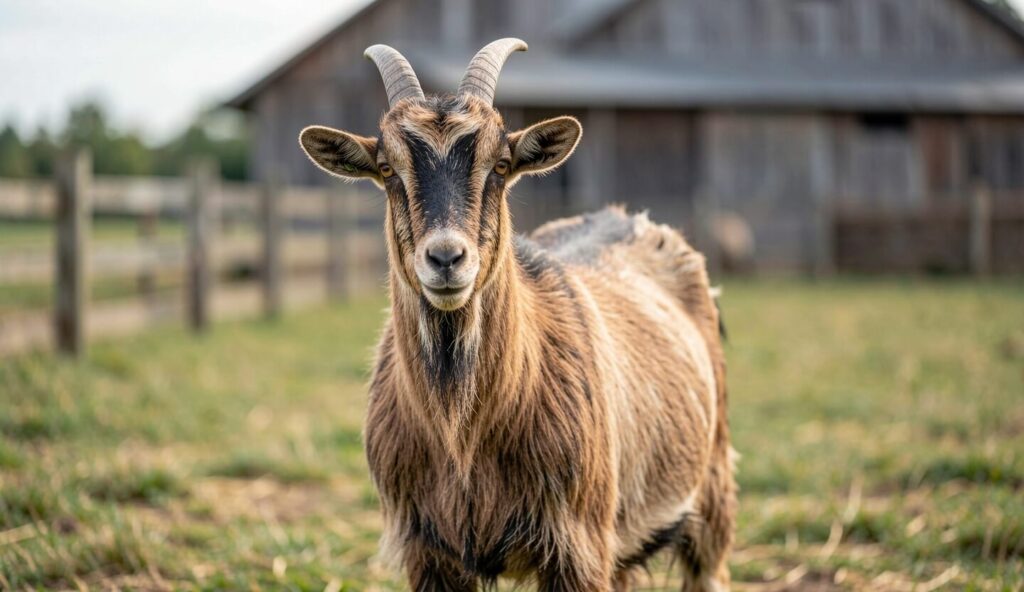
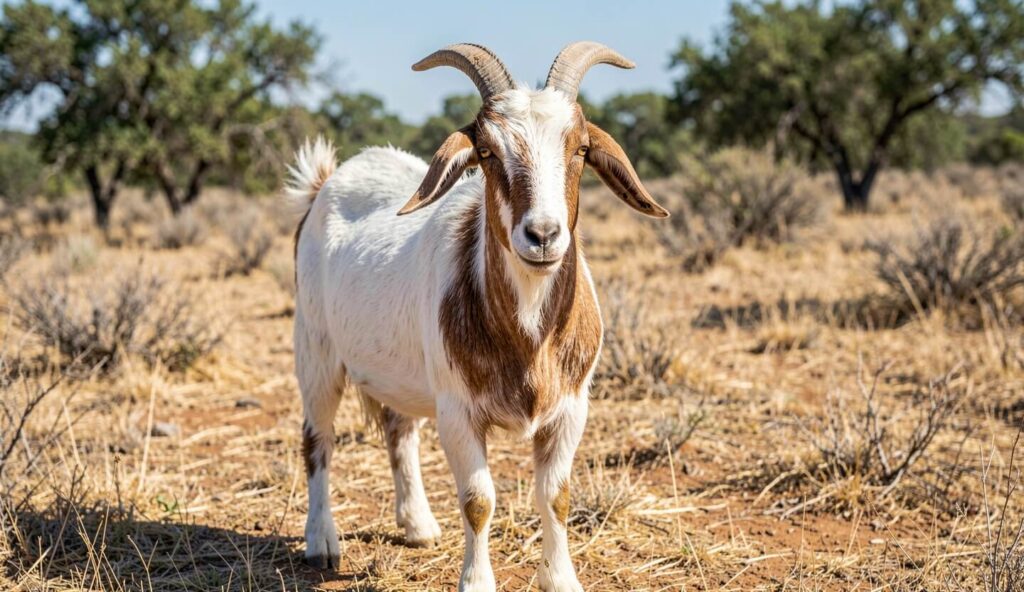
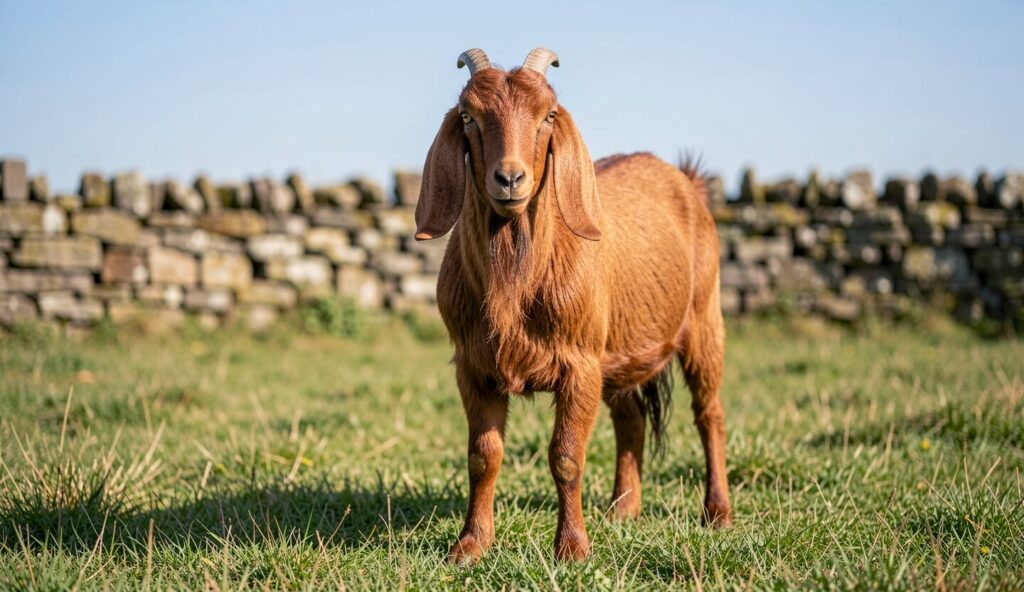
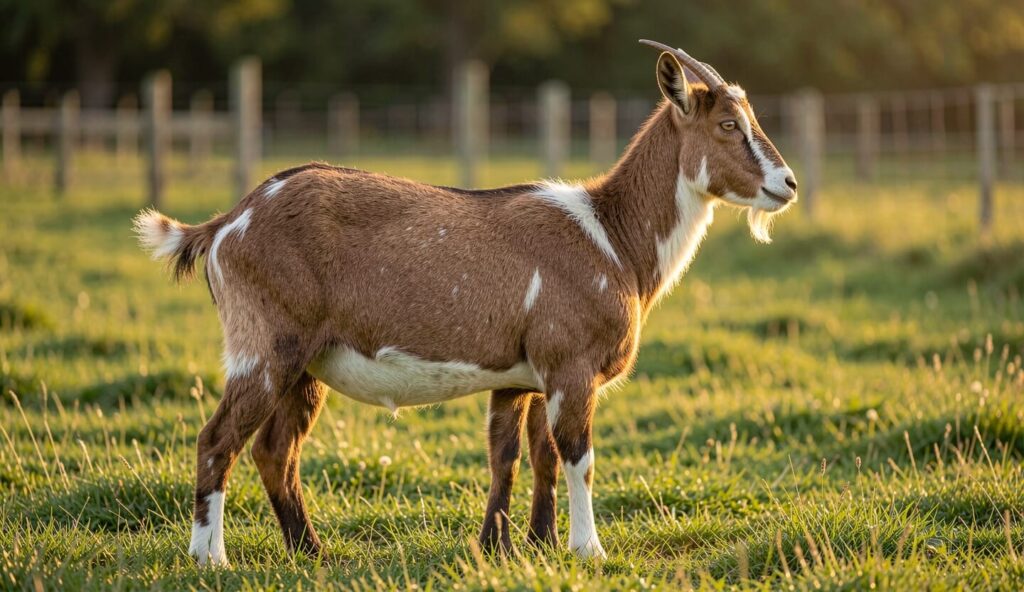
Algarvia goat characteristics can include different coat colors depending on breeding lines. Some animals show darker patches or more patterned areas, while others look more uniform. Coat density often appears sufficient for outdoor conditions, though weather still affects how much shelter is needed.
Farmers usually evaluate coat condition in relation to skin and hygiene, not only color. A coat that stays clean and lies well often reflects stable health and decent nutrition. When coat quality drops, it can signal parasite load, poor forage quality, or housing moisture issues.
Body Shape And Size Range
Many Algarvia goats show a sturdy build suited to grazing, with proportions that support balance and movement across uneven pasture. Size can vary between males and females and can also shift with genetics and feeding strategy. Owners should treat the breed as adaptable but still expect animals to respond to nutrition and forage quality.
Body condition scoring helps owners avoid both underfeeding and overconditioning. When the herd maintains steady condition, breeding performance and overall health usually stay more stable. This links directly to the broader Portuguese goat breed management approach used in many farm systems.
Horns And Face Features
Horns and facial profiles may vary among individual Algarvia goats, so selection should consider how that affects handling and housing safety. Ear shape and head carriage often help distinguish animals when comparing stock. Recording these traits can support more accurate matching of herd lines over time.
Even with visible differences, the main goal remains the same: choose animals that thrive under farm routines. A clear view of face features and horn structure helps owners plan safe pen space and minimize injuries during feed competition.
Algarvia Goat Temperament And Behavior
Temperament shapes routine care, and the Algarvia Goat typically performs best when daily management stays predictable. In most farms, calm handling and consistent feeding times help the herd remain easier to check. A stable behavior pattern also supports safer health exams and reduces stress during enclosure changes.
For breeders, understanding temperament supports pairing choices and herd structure. For new owners, it supports practical planning like staffing for routine checks. This section explains common behavior expectations in the breed profile context.
Social Nature In A Herd
Algarvia goats usually thrive with a consistent herd structure, since social routines reduce stress. When goats move as a group and remain together, they tend to settle faster in new areas. Group management also supports easier feeding and health monitoring.
New introductions require gradual routines, especially when animals join an established group. Owners should plan calm transitions and avoid sudden changes in feeding locations or water access. With stable schedules, the Algarvia Goat generally fits pasture systems well.
Handling And Human Interaction
Many goats adapt to routine handling when people approach calmly and consistently. Short daily interactions can make it easier to perform checks on coat, teeth, and hooves. During health exams, sudden restraint can raise stress and make the process harder.
Owners often improve results by using a routine pathway for handling. For example, feeding time can support calmer movement into a pen or chute. That approach helps keep veterinary checks more efficient, while also improving animal comfort.
Training And Management Behaviors
Training in farm terms usually means predictable management rather than formal commands. Stable feeding times help reinforce routine behavior, which supports smoother herd handling. For fence training, the quality of enclosure design usually matters more than repeated attempts to correct escapes.
Owners should also provide safe mineral access to reduce crowding at feeders. When mineral placement supports easy access, timid animals spend less time competing. This management detail supports better herd stability and aligns with practical Portuguese goat farming systems.
Exercise And Pasture Requirements
Exercise comes naturally through grazing, and the Algarvia Goat typically benefits from regular movement across pasture. Grazing supports natural gut function and helps animals express normal behavior. However, pasture planning matters because overgrazed paddocks can reduce forage quality and increase parasite risk.
Owners can support healthy activity by pairing pasture access with shade, water, and good enclosure design. When the environment supports comfort, the herd spends more time foraging and less time seeking stress responses. This section covers rotation basics and enclosure considerations.
Daily Movement Needs
Grazing supports natural movement and helps maintain normal rumen activity for most goats. Access to shade and water prevents overheating during hot parts of the day. Even in stall periods, animals need enough space to stand and move comfortably.
Owners should also plan for weather extremes. After heavy rain, wet ground can increase hoof wear and reduce safe walking areas. Planning clean pathways supports hoof comfort and reduces daily friction in wet conditions.
Rotational Grazing And Recovery Time
Rotating paddocks can reduce overgrazing and help pasture regrow. Rest periods give plants time to rebuild, which improves forage quality for the next grazing cycle. Tracking forage uptake helps owners adjust paddock size and reduce waste.
Parasite management often connects to rotation, because reducing grazing pressure can lower exposure risk. While exact timelines depend on local climate, consistent rotation generally supports better long-term pasture health. For a complete Algarvia Goat breed profile, forage strategy plays a central role.
Enclosure And Fencing Considerations
Secure fencing limits escapes and protects goats from predator risk. Owners should check gates, corners, and under-fence gaps regularly, since these are common problem points. A clear path to water and minerals helps reduce crowding and frantic movement near the fence line.
When fencing supports calmer movement, herd behavior usually stays steadier. That stability makes health checks easier and reduces injury risk. Owners should treat enclosure checks as routine, not only seasonal repairs.
Housing Essentials For Algarvia Goats
Housing supports health by protecting goats from wind, rain, and damp bedding, especially during wet seasons. The Algarvia Goat can live outdoors with adequate shelter, but dry, well ventilated conditions remain essential. When ventilation works well, respiratory risk often drops.
This Algarvia goat care section focuses on practical housing planning rather than complex designs. The main goals include space management, clean floors, and weather preparedness that fits local conditions. Owners can use these basics to build a barn that supports daily herd stability.
Shelter, Ventilation, And Space Per Animal
Shelter should protect from wind and rain without sealing animals into stagnant air. Good ventilation helps move moisture out of the space and supports healthier breathing. Enough space per animal also helps reduce fighting and injuries around feeders and bedding areas.
Owners should avoid overcrowding, since it increases stress and makes manure management harder. In multi-goat areas, stable grouping can help prevent repeated pushing. With the right setup, the Portuguese goat breed typically handles pasture and barn transitions more smoothly.
Bedding, Flooring, And Cleanliness
Dry bedding supports hoof and skin health, which matters for goats that spend time both indoors and outside. Non-slip flooring helps reduce stress during feeding and routine movement. Daily spot cleaning helps keep wet areas from spreading, while deep cleaning should occur on a reliable schedule.
Where possible, owners should separate feeding zones from sleeping zones to reduce dampness. Water trough leaks and spilled feed often create wet patches, so managing those points improves long-term cleanliness. Cleanliness also supports fewer odor issues, which can indirectly reduce parasite and hoof problems.
Weather Preparedness For Hot And Wet Periods
Hot periods require shade and airflow, and wet periods require careful drainage and moisture control. After heavy rains, owners should control standing water and keep walking areas as dry as feasible. Feed storage must stay dry to prevent spoilage and reduce mold exposure risk.
During transitional seasons, housing adjustments help goats cope with humidity changes. Small changes like improving airflow or repositioning bedding can significantly improve comfort. These habits support consistent performance in the Algarvia Goat.
Diet And Nutrition For Algarvia Goat Health
Diet planning drives body condition, growth, and breeding success, so the Algarvia Goat needs a forage-first approach for most farms. Forage remains the main diet, and fresh water must stay available every day. When owners manage forage quality and monitor intake, goats usually maintain more stable digestion.
Supplementation supports balance, but overfeeding concentrates can cause digestive problems. Owners should use concentrates only when growth, production, or specific farm goals require it. This section explains forage, minerals, and feeding schedules in a practical way.
Forage Based Feeding And Water Needs
Forage-based feeding works best when goats have consistent access to quality hay, pasture, or both. Fresh water should remain available daily, including during colder weather when water sources can freeze. Intake can change after weather shifts, so monitoring intake after rain or drought supports better planning.
Owners should also pay attention to forage structure, not only quantity. A mix of pasture and hay can help maintain steady rumen function. When forage quality drops, body condition scoring helps identify the need for adjustments.
Minerals And Salt Options
Algarvia goat characteristics include being able to thrive on farm forage, but minerals still matter for bone health and reproduction. Mineral blocks or mineral mixes support balanced nutrition and reduce cravings. Owners should choose mineral types that match local soil patterns, since deficiencies can vary by region.
Salt access helps encourage consistent intake and supports fluid balance. Some farms use separate salt and mineral sources, while others offer combined products. Consistent availability typically improves results more than frequent product changes.
Grain Or Concentrate When Needed
Concentrates can support growth or production, but they should not replace forage. When concentrates enter the diet, owners should introduce changes gradually to protect rumen stability. Overfeeding can trigger digestive issues, so portion monitoring remains necessary.
During breeding or early lactation periods, concentrates may help meet higher energy needs. Even then, owners should maintain forage access and avoid sudden increases in grain. This approach supports stable digestion across the herd.
Feeding Schedule And Portion Monitoring
Consistent feeding times support predictable behavior and reduce competition at feed areas. Owners should track body condition changes over weeks, since rapid changes can indicate an unbalanced diet. If competition appears, separate timid animals temporarily to ensure fair access.
Routine notes also help identify patterns, such as reduced intake after pasture changes. When diet decisions rely on observed body condition and manure quality, the herd usually stays healthier. For a strong breed profile, feeding must match both goats and farm realities.
Grooming And Routine Care Tips
Routine care prevents small issues from turning into serious problems, and grooming helps owners spot changes early. For Algarvia goats, the most useful tasks focus on hooves, coat condition, and daily health observation. This practical approach supports the long-term wellbeing expected from a reliable Algarvia Goat care routine.
Grooming does not need to be complex, but it must be consistent. When owners combine grooming with routine health checks, they often catch problems before they spread through the herd. The steps below cover the highest impact tasks.
Hoof Checks And Trimming Basics
Hoof checks help owners identify cracks, overgrowth, and early signs of discomfort. Trimming should happen only when needed, and it should follow safe handling practices. Wet seasons often increase hoof wear, so owners may increase inspection frequency when conditions worsen.
- Inspect hooves for cracks during daily feeding checks
- Trim only when overgrowth affects walking
- Use hoof-friendly surfaces in wet seasons
- Keep steps dry to reduce soft tissue damage
Owners should also consider hoof trimming tools and safe restraint methods before scheduling. If trimming becomes frequent or difficult, a veterinary professional or experienced trimmer can offer guidance. Early intervention helps avoid long recovery periods.
Coat Care And Seasonal Management
Coat care usually involves light brushing when debris collects or during heavy shedding. Skin irritation and parasites can show up as rough coat texture, itching, or visible lesions. Owners should adjust grooming frequency as seasons change and shedding rates increase.
If coat condition drops alongside changes in manure consistency or appetite, health assessment should happen promptly. Grooming also helps owners see how the animal handles warmth and moisture. In damp housing, skin issues can increase, which makes cleanliness even more important.
Health Checks During Daily Routines
Daily observation often provides the earliest warning signs of health issues. Owners should watch appetite, hydration, and activity levels, since goats often reduce movement when they feel unwell. Checking eyes, nose, and coat condition helps confirm early symptoms.
Manure consistency also offers useful information for digestion and hydration. When changes persist, owners should evaluate forage quality, water access, and any recent diet changes. For the Portuguese goat breed management approach, early checks support quick adjustments.
Common Health Issues In Algarvia Goats
Like most grazing goats, the Algarvia Goat can face health issues related to parasites, damp housing, and hoof stress. The best prevention plan combines monitoring, clean environments, and targeted treatment decisions. This section highlights common problem categories and the steps owners can take to reduce risk.
Owners should also plan when veterinary care becomes necessary. If severe symptoms appear, prompt professional guidance protects the animal and helps prevent herd spread. A reliable breed profile includes health expectations as well as care routines.
Parasites And Deworming Considerations
Internal parasites can challenge grazing herds, especially when pasture conditions stay warm and damp. Whenever possible, fecal testing helps identify parasite levels and supports targeted treatment. Following local deworming guidance reduces the chance of resistance developing.
- Use fecal testing when available for targeted control
- Monitor manure and weight changes over time
- Follow local deworming schedules
- Reduce overgrazed paddocks with rotation
Parasite management works best when it includes both medicine and pasture strategy. Rotational grazing and clean water access can lower exposure. Consistent monitoring supports better outcomes for the Algarvia Goat.
Respiratory Problems In Damp Housing
Poor ventilation and wet bedding increase respiratory risk, especially during cold or rainy periods. Owners should watch for coughing, nasal discharge, and lethargy. Isolating sick animals early reduces exposure risk for the rest of the herd.
Improving airflow and keeping bedding dry often supports recovery. Still, persistent or severe symptoms require veterinary advice. Damp housing problems usually return unless the underlying moisture source is corrected.
Foot Problems From Wet Ground Or Poor Surfaces
Foot issues can develop when goats walk on wet ground or through muddy walkways. Keeping walkways clean and dry, when feasible, supports hoof health and reduces soft tissue damage. Treating early helps prevent long recovery periods and repeated discomfort.
Owners should also check for lesions and abnormal walking during routine inspections. If hoof problems become frequent, reviewing bedding, pasture conditions, and sanitation helps identify root causes. With good surfaces, the Portuguese goat farming approach remains easier to maintain.
Nutritional Imbalances And Body Condition Changes
Underfeeding can reduce growth, weaken condition, and interfere with breeding performance. Overfeeding concentrates can harm digestion and lead to persistent gut problems. Tracking body condition scoring and adjusting forage quality usually resolves many nutritional issues.
Diet changes should happen gradually, since the rumen needs time to adjust. When manure becomes loose or when appetite drops, owners should evaluate forage quality, mineral access, and recent concentrate changes. Proper nutrition helps maintain stable health across seasons.
Breeding Basics And Kid Rearing
Breeding management depends on sound selection, clean kidding areas, and careful early feeding. The Algarvia Goat can perform well when breeders control stress and keep newborn care consistent. This section covers choosing breeding stock, preparing for kidding, and supporting growth after birth.
For breeders, planning reduces losses and makes weaning easier. For new owners, the goal is to ensure newborns receive colostrum and appropriate feed access. A practical approach supports both animal welfare and herd productivity.
Selecting Breeding Stock
Choosing healthy animals with stable body condition supports better kidding and early growth outcomes. Temperament matters because calmer animals handle routine checks and kidding management more easily. Accurate lineage records, when available, support long-term herd planning.
Owners should also observe how potential breeders handle feed competition and enclosure movement. Animals that struggle can increase stress during breeding and kidding. A stable temperament supports a smoother Algarvia Goat breeding cycle on many farms.
Kidding Preparation And Newborn Care
Preparation starts with a clean, dry kidding area and a clear plan for newborn monitoring. Newborns need timely access to colostrum, since it supports early immunity. Owners should check breathing, strength, and nursing within the first hours after birth.
If a kid struggles to nurse, owners should seek professional guidance promptly. Delays can increase risk, especially in cooler weather. Keeping the area dry and warm improves comfort and helps reduce early infections.
Weaning And Growth Management
Weaning should be gradual to reduce stress and digestive disruption. Providing age-appropriate feed and forage access helps kids transition smoothly to adult routines. Separation by size can reduce feed competition and helps ensure every kid eats enough.
Owners should observe kid growth and behavior daily during the weaning period. If some kids fall behind, diet competition or forage access may be the cause. Controlled weaning supports healthier growth patterns for the herd.
Starter Checklist For New Algarvia Goat Owners
A strong start prevents many health and management issues, and a checklist helps owners prepare before purchasing animals. For the Algarvia Goat, success depends on secure housing, forage-first feeding, and routine health planning. This setup list supports new owners building a practical routine from day one.
Each farm differs, so the checklist focuses on universal needs that support the Portuguese goat breed in pasture and barn transitions. Using the same categories as experienced breeders also makes future improvements easier. The goal is to reduce guesswork and support steady daily care.
Housing And Equipment Checklist
- Secure fencing and lockable gates for safe movement
- Ventilated shelter with dry bedding
- Clean water troughs with regular refilling
- Hay feeder to reduce waste and keep hay off wet ground
- Mineral feeder positioned for easy, calm access
Owners should also plan for a simple handling workflow. When goats move calmly into a feeding or exam area, routine checks become faster. This reduces stress for both animals and people.
Feeding And Record Keeping Checklist
- Plan forage-first diet using pasture and hay options
- Choose minerals based on local soil needs
- Start a body condition scoring plan
- Introduce any feed changes gradually over multiple days
- Record daily intake and any health observations
Simple records support better decisions later, especially when health issues appear. Body condition and manure consistency often provide early clues. With consistent notes, diet adjustments become more accurate.
Health And Breeding Readiness Checklist
- Identify a vet contact and local health guidance resources
- Plan fecal testing schedule if available
- Set up quarantine for new arrivals
- Clean and prepare the kidding area in advance
- Use basic identification methods like tags or ear marks
Quarantine protects existing goats from new infections, even when animals look healthy. If breeding happens, newborn prep reduces delays for colostrum and early monitoring. These steps strengthen the long-term success of the Algarvia Goat herd.
Is An Algarvia Goat Right For You?
The right fit depends on farm setup, routine availability, and forage planning. The Algarvia Goat typically suits keepers who can provide consistent feeding, routine health checks, and a housing plan that stays dry and ventilated. When management stays steady, this Portuguese goat breed can integrate smoothly into grazing-based systems.
Owners also need realistic planning for parasite monitoring and gradual diet adjustments. Wet housing and abrupt feed changes often create problems that require more time to fix. Reviewing expectations helps decide whether current farm resources match the breed profile.
Good Match Scenarios
- Pasture based or forage focused farm setups
- Keepers who can do daily appetite and manure checks
- Farms aiming to maintain a Portuguese goat breed profile
- Breeders selecting for hardiness and steady herd performance
These scenarios align with the most stable conditions for the Algarvia Goat. Routine handling and consistent shelter support smoother transitions. For breeders, this management approach can also support recordkeeping and long-term selection.
Potential Challenges To Plan For
- Parasite control requires consistent monitoring and rotation
- Housing must stay dry and well ventilated
- Diet changes need gradual transitions to protect digestion
Owning any grazing goat means dealing with seasonal shifts in pasture quality and moisture. When farm teams plan for those shifts, the risk of major health issues decreases. This kind of preparation supports stable outcomes for the Algarvia goat care routine.
A Final Care Perspective On The Algarvia Goat Breed
Healthy Algarvia Goat management comes from reliable shelter, forage, clean water, and steady observation. Consistent daily routines help owners catch problems early and support long-term herd productivity. Local veterinary guidance supports better outcomes for both breeding plans and general care.
Frequently Asked Questions
What are common Algarvia goat characteristics?
Algarvia goats often show sturdy grazing builds and coat appearances that can vary by line. Many animals handle pasture conditions well, especially when shelter and forage stay consistent. Algarvia goat characteristics can differ slightly across farms, so individual evaluation matters.
How much pasture space does an Algarvia goat need?
Pasture space depends on pasture quality, season, and grazing pressure. Rotational grazing usually helps prevent overgrazing and supports regrowth. Measuring forage intake and adjusting paddock size improves results over time.
What should an Algarvia goat be fed each day?
Daily feeding should prioritize forage and fresh water, with minerals provided based on local needs. Concentrates can support growth or production when required, but they should not replace forage. Diet changes work best when introduced gradually to protect digestion.
How often should hooves be checked for Algarvia goats?
Hooves should be checked during routine health checks, often aligned with daily observation routines. Trimming happens when overgrowth affects walking or comfort. Wet seasons typically require more frequent checks due to softer hoof conditions.
What are the most common health problems in Algarvia goats?
Internal parasites often affect grazing herds, especially when pasture management slips. Damp housing can increase respiratory problems, while wet ground can contribute to hoof issues. Nutritional imbalances may also show up as body condition changes over time.
Are Algarvia goats good for beginner goat keepers?
They can be manageable for beginners who maintain predictable feeding routines and perform regular health observations. Calm handling and consistent shelter practices help reduce stress during daily care. Local veterinary guidance improves outcomes when questions arise.
Frequently Asked Questions
For additional context on Portuguese and regional grazing goats, some breeders also compare management strategies with other breeds such as Abaza Goat based on herd goals and climate fit.
Final Note
Consistent forage, clean water, dry housing, and routine observation keep an Algarvia goat thriving. Owners who plan for parasites and weather changes usually see steadier herd health and productivity.