Introduction
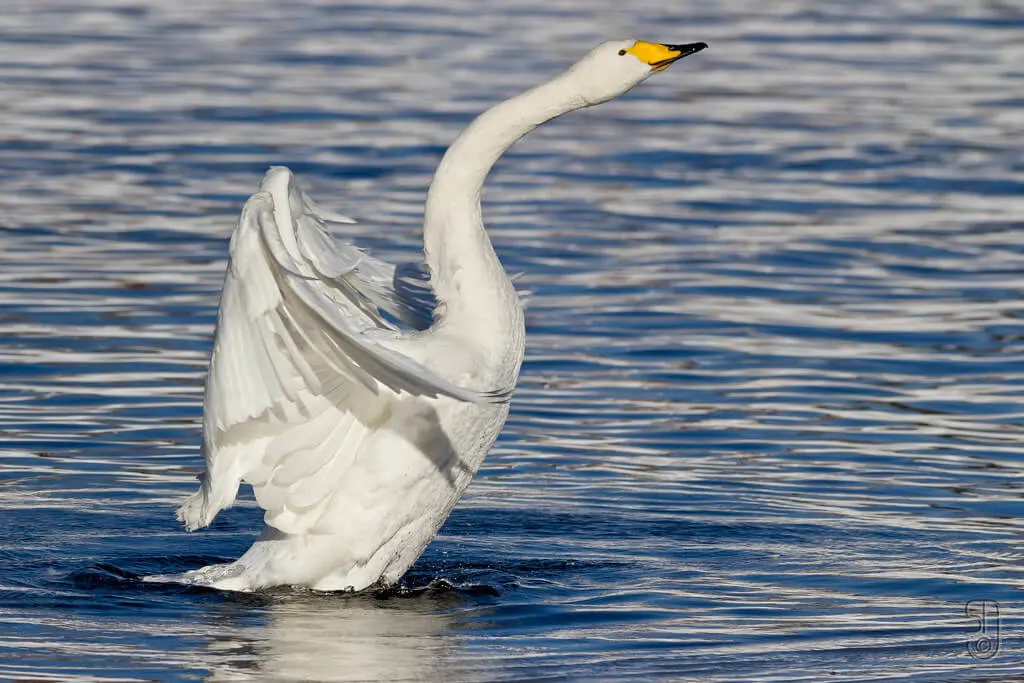
The Whooper Swan (Cygnus cygnus) is a striking, vocal, and graceful waterbird admired for its powerful migration and beautiful trumpeting calls. Native to Eurasia, this elegant swan is known for its bright white plumage and distinctive yellow-black beak. It not only enchants birdwatchers but also plays an important role in the ecosystems it inhabits. Unlike the more reserved mute swan, the Whooper Swan is highly vocal, using its signature calls to communicate across vast distances.
Origin and Natural Habitat
Whooper Swans breed across:
- Iceland and northern Scandinavia
- Siberia and parts of Russia
During the winter, they migrate south to:
- United Kingdom
- Germany
- The Netherlands and other temperate parts of Europe and Asia
They prefer shallow lakes, wetlands, slow-moving rivers, and agricultural fields during winter. Their breeding grounds overlap with those of the tundra swan, though the two species occupy different nesting territories.
Physical Characteristics
The Whooper Swan is one of the largest swan species. Here’s what makes them so distinctive:
- Size: 55 to 65 inches long
- Wingspan: Up to 9 feet
- Weight: 16 to 30 pounds
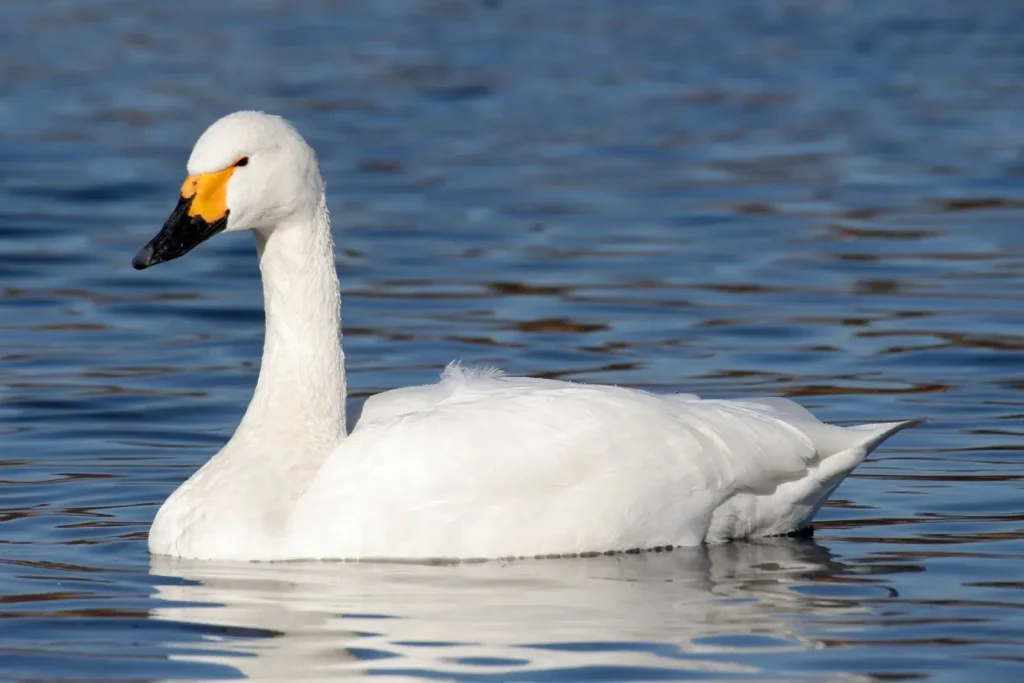
- Color: Pure white feathers with a striking yellow-and-black bill
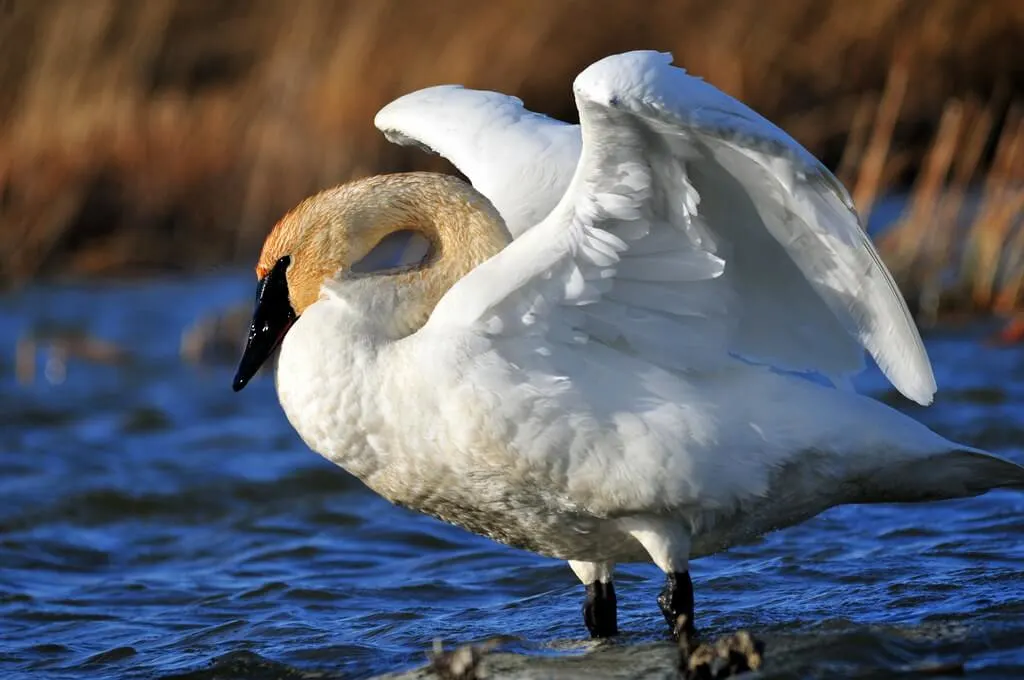
Their upright neck posture and resonant call set them apart from other swans. In North America, the trumpeter swan is a close relative with a similar size and vocal nature, though it lacks the yellow bill markings.
The Voice of the Wetlands
Whooper Swans are named for their loud, bugle-like “whooping” calls. These sounds are not just beautiful — they serve as key tools for communication between mates, parents, and cygnets. Their calls can carry for over a mile across open wetlands, helping family groups stay connected during migration.
Social Life and Family Bonds
These swans are deeply bonded and typically mate for life:
- Monogamous pairs raise their young together
- Nesting occurs in remote, marshy areas with plenty of vegetation
- Cygnets stay with their parents during the entire migration cycle
Strong family ties are a hallmark of this species, making them wonderful examples of avian cooperation and care. Observers often note that Whooper Swan families are among the most tightly knit of all waterfowl.
Diet and Feeding Habits
Whooper Swans are herbivores. Their diet consists of:
- Aquatic plants and algae
- Grains and grasses from nearby farmlands
- Roots and tubers, especially in shallow waters
They feed both by dipping their heads underwater and grazing on land. In winter, they increasingly rely on agricultural fields for leftover grains, which has helped sustain growing populations in some regions.
Migration and Flight Patterns
Whooper Swans are impressive long-distance travelers:
- Migrate thousands of miles between breeding and wintering grounds
- Travel in family groups or large flocks in a classic V-formation
- Stopovers include key wetlands and lakes for resting and feeding
Their migration journeys are often studied for insights into bird navigation and climate impacts. Recent tracking studies show that some Whooper Swans now winter farther north than they did 30 years ago, a shift linked to milder winters.
Reproduction and Cygnets
The breeding season begins in late spring:
- Females lay 3 to 7 eggs in a well-hidden nest built from reeds and grass
- Incubation lasts about 30 to 35 days
- Cygnets are precocial and can swim within a few hours of hatching
Both parents are protective and nurturing, guiding their young through the early months of life. Unlike some waterfowl, Whooper Swan families remain together through their first winter migration.
Health and Conservation
The global population of Whooper Swans is currently stable, though they face risks such as:
- Habitat degradation due to agriculture and urban expansion
- Power line collisions during migration
- Climate change is impacting their migratory routes and breeding sites
Conservation efforts focus on habitat protection, wetland restoration, and promoting safe migratory pathways. In parts of Europe, farmers are encouraged to leave grain stubble in fields during winter to provide a natural food source for migrating swans.
Interaction with Humans
Whooper Swans hold cultural and ecological importance. They are featured in myths and literature and are admired in nature reserves where ethical birdwatching supports local ecotourism. Efforts are made to protect their habitats while fostering community awareness of their value. In Iceland, these swans are protected year-round and are a major draw for wildlife tourism.
Fun Facts About Whooper Swans
- Their calls can be heard over long distances and resemble the sound of a trumpet
- In Iceland, they are considered symbols of beauty and fidelity
- They return to the same wintering sites year after year
- Often confused with the Mute Swan, but their loud call and upright neck posture are key identifiers
Frequently Asked Questions
Q1: Are Whooper Swans endangered?
A: No, they are classified as “Least Concern” by the IUCN. However, ongoing conservation efforts are important to maintain their populations and habitats.
Q2: How far do Whooper Swans migrate?
A: They can travel over 2,500 miles between their breeding grounds in the Arctic and winter homes in temperate Europe and Asia.
Q3: What makes Whooper Swans different from Mute Swans?
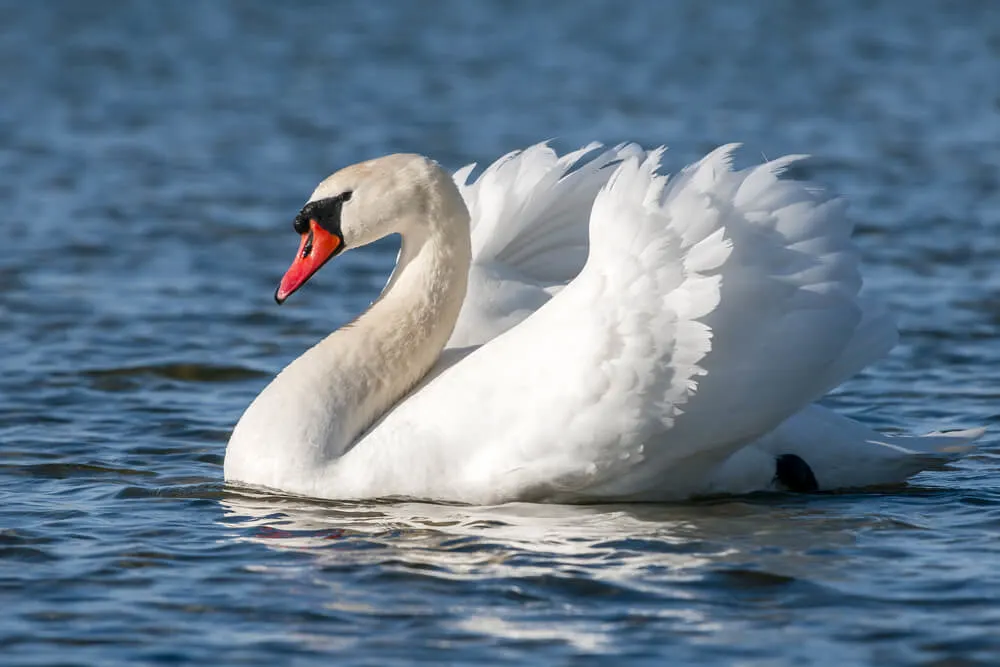
A: Whooper Swans are more vocal, have a straight neck posture, and a yellow-and-black beak. Mute Swans have orange bills and a curved neck.
Q4: Can I feed Whooper Swans?
A: It’s best to let them feed naturally. Feeding human food can harm their health. Support their survival by protecting their habitat instead.
Q5: How long do Whooper Swans live?
A: In the wild, they can live around 10 to 20 years. Some individuals in protected environments have lived even longer.
Conclusion
The Whooper Swan is a magnificent traveler, loyal companion, and essential part of wetland ecosystems. Their haunting calls, graceful flights, and strong family bonds make them one of the most beloved waterbirds in the world. As we continue to protect their habitats and observe them ethically, we help preserve a living symbol of nature’s elegance and resilience. Whether you spot them on a frozen lake in Iceland or a flooded field in the Netherlands, these swans remind us of the wild beauty that still migrates across our planet.