Red Panda – The Adorable Acrobat of the Eastern Himalayas
Introduction to the Red Panda
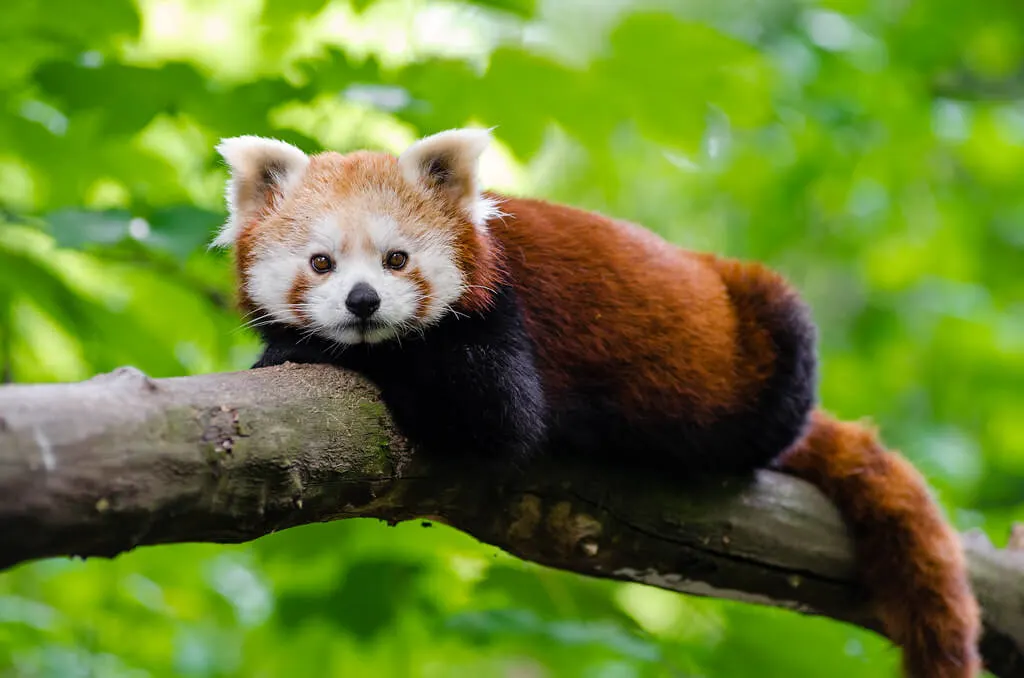
The Red Panda, often called the “Firefox” or “Lesser Panda,” is a tree-dwelling mammal known for its fiery red fur, playful nature, and unique charm. Native to the cool forests of the eastern Himalayas and southwestern China, this little creature is not closely related to the Giant Panda despite the similar name. In fact, the Red Panda is the only living member of its family, Ailuridae, making it a true evolutionary relic. It belongs to its own unique family and has become a global symbol of conservation and cuteness. Unlike the Giant Panda, which is a bear, the Red Panda is more closely related to raccoons and weasels, a fact that surprises many animal enthusiasts.
Scientific Classification
- Scientific Name: Ailurus fulgens
- Common Name: Red Panda
- Family: Ailuridae
- Order: Carnivora
- Conservation Status: Endangered
- Habitat: Himalayas and mountain forests of Nepal, India, Bhutan, Myanmar, and China
Unique Appearance
The Red Panda is often mistaken for a raccoon or a small fox due to its:
- Reddish-brown fur with a bushy ringed tail
- Fox-like face with white facial markings
- Curved claws for climbing trees
- Size similar to a house cat: 50–64 cm body, 30–50 cm tail
Its stunning coat not only looks good—it also provides camouflage in the red moss-covered trees of its habitat.
Natural Habitat
Red Pandas thrive in:
- Cool, temperate forests at altitudes between 2,200 and 4,800 meters
- Bamboo-filled, misty forests with plenty of tree cover
- Countries including Nepal, Bhutan, India, Myanmar, and southwestern China
They spend most of their lives in the trees, where they feel safest. This arboreal lifestyle is similar to that of the squirrel monkey, another agile tree-dweller that relies on forest canopies for survival.
Diet and Feeding Habits
Despite being classified as carnivores, Red Pandas mostly eat plants:
- Bamboo makes up about 95% of their diet
- Also eat fruits, acorns, roots, eggs, and small insects
- Forage during dawn and dusk (crepuscular behavior)
- Have strong molars and a pseudo-thumb for gripping bamboo
Reproduction and Life Cycle
Red Pandas are shy and solitary, coming together only during mating season:
- Mating season: January to March
- Gestation lasts 130–150 days
- 1–4 cubs are born in the summer
- Cubs stay in the den for 90 days and are weaned by 6 months
- Average lifespan: 8–10 years in the wild, up to 15 years in captivity
Threats and Conservation
Red Pandas face multiple threats in the wild:
- Deforestation and habitat fragmentation
- Attacks from domestic dogs
- Poaching for fur and the illegal pet trade
- Forest fires and climate change
Conservation Efforts
Dedicated efforts are being made to protect Red Pandas:
- Establishment of protected areas and national parks
- Global breeding programs and zoo conservation
- Research and monitoring of wild populations
- Public awareness campaigns in native and global regions
- Community-based conservation involving local villagers
These conservation strategies share similarities with those used to protect other endangered species, such as the red wolf, which also relies on captive breeding and habitat restoration to recover its population.
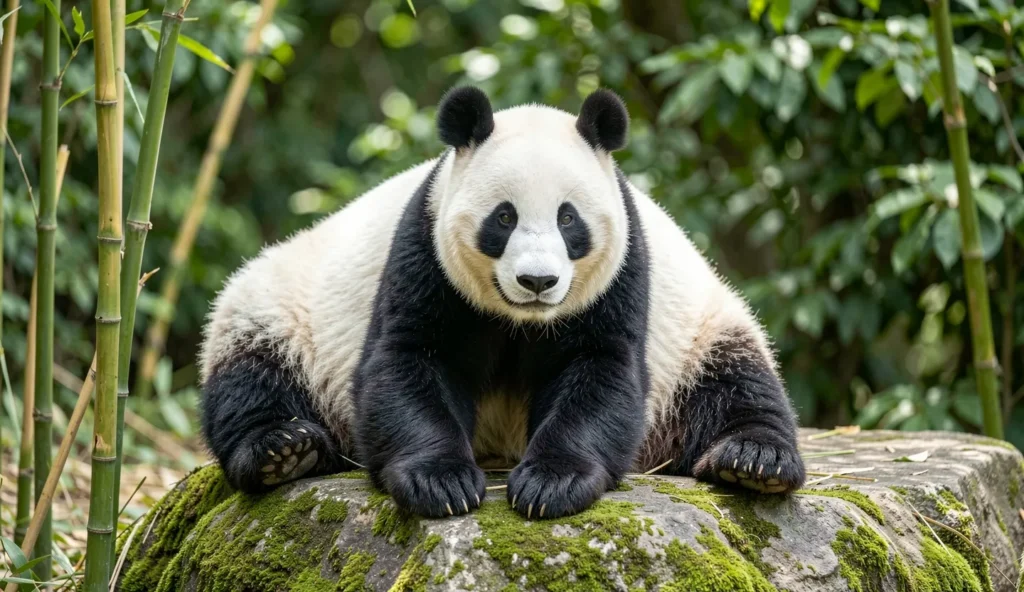
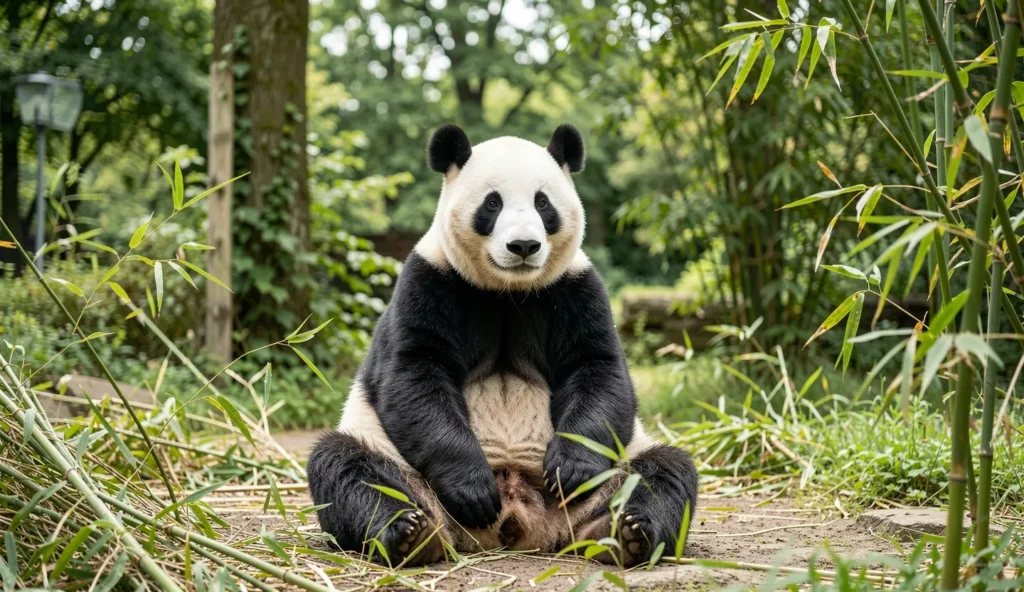
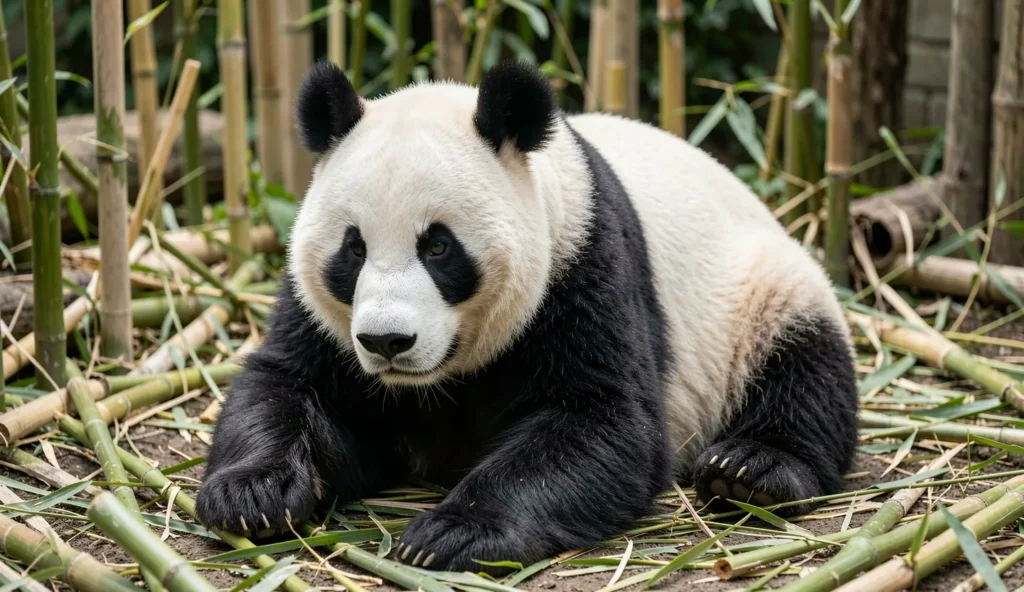
Red Panda vs Giant Panda
| Feature | Red Panda | Giant Panda |
|---|---|---|
| Size | Similar to a house cat | Large bear-like body |
| Color | Reddish-brown with ringed tail | Black and white |
| Family | Ailuridae | Ursidae |
| Habitat | Eastern Himalayas | Sichuan, Gansu, Shaanxi (China) |
| Population Status | Endangered | Vulnerable |
Fun Facts About Red Pandas
- The name “Firefox” inspired the logo of the popular web browser
- Red Pandas are mostly nocturnal and crepuscular (active at twilight)
- They groom like cats using their tongue and paws
- Their fluffy tails help keep them warm in snowy climates
- Each Red Panda has a unique face pattern, like a fingerprint
Cultural Importance
In many Himalayan cultures, Red Pandas are:
- Considered sacred and symbolic of peace
- Featured in traditional stories and folklore
- Popular in media and entertainment worldwide
Why Red Pandas Matter
Red Pandas are not just cute—they are crucial:
- Help maintain forest health by distributing seeds
- Indicator species of Himalayan ecosystem health
- Represent ancient evolutionary links between carnivores and herbivores
- Boost ecotourism and inspire global wildlife protection
As an indicator species, their well-being reflects the health of the entire Himalayan ecosystem, much like how the colobus monkey serves as a key indicator of forest health in African ecosystems.
Frequently Asked Questions
Q1: Are Red Pandas related to Giant Pandas?
A: No, despite their name, Red Pandas belong to a completely different family and are closer to raccoons than bears. For comparison, the rare Qinling Panda is a true subspecies of the Giant Panda, not a separate family like the Red Panda.
Q2: How many Red Pandas are left in the wild?
A: Fewer than 10,000 mature individuals are estimated to remain, making them endangered.
Q3: Where can I see a Red Panda?
A: Red Pandas can be seen in zoos worldwide and the wild in countries like Nepal, India, and Bhutan, especially in national parks.
Q4: What is being done to save the Red Panda?
A: Protected habitats, international breeding programs, anti-poaching laws, and education initiatives are helping conserve Red Pandas.
Q5: Why is the Red Panda called a “living fossil”?
A: Because it is the only living member of its family and has few close relatives, making it a survivor of an ancient lineage.
Conclusion – A Tiny Guardian of the Mountains
The Red Panda is one of nature’s most enchanting creatures—an agile climber, a bamboo eater, and a charismatic conservation ambassador. Protecting the Red Panda means preserving the fragile mountain ecosystems it inhabits and safeguarding the natural beauty of the Himalayas for future generations. By supporting conservation efforts and spreading awareness, we can help ensure that this adorable “Firefox” continues to thrive in the wild for years to come.