
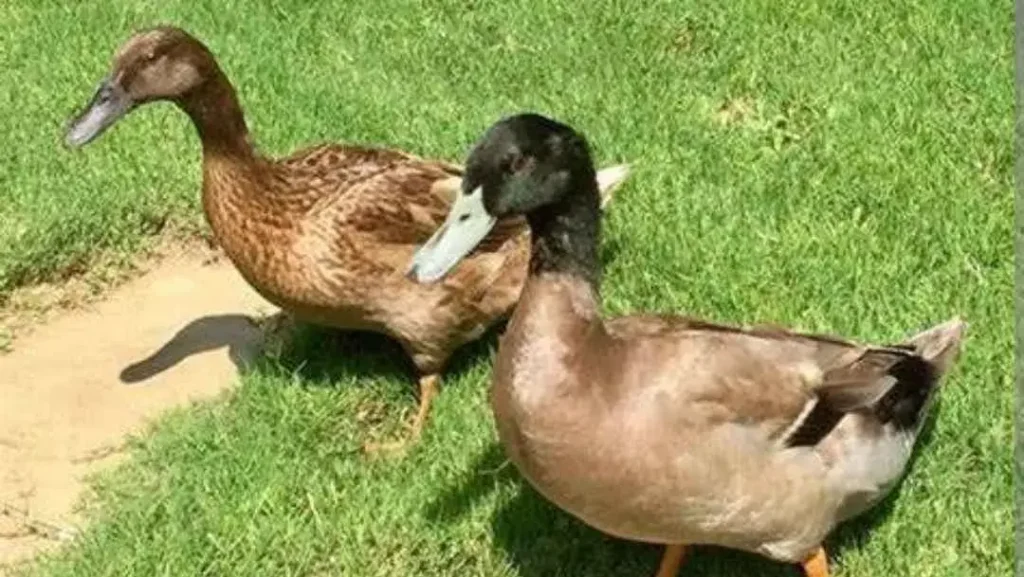
🦆 Khaki Campbell – The Egg-Laying Champion of the Duck World
🌟 Introduction to Khaki Campbell Ducks
If you’re looking for a duck breed that delivers unmatched egg production while staying calm and easy to manage, the Khaki Campbell Duck is your answer. Developed in England during the late 1800s, this breed holds world records for laying up to 340 eggs per year—more than many chicken breeds. Its elegant khaki-colored plumage, gentle temperament, and remarkable foraging skills make it a top choice for homesteaders, backyard farmers, and duck lovers alike. Whether you want a reliable egg supply or a friendly addition to your flock, the Khaki Campbell delivers on every front.
Its versatility, beauty, and productivity make it not only a valuable farm asset but also a wonderful pet.
📚 Scientific Classification
- Scientific Name: Anas platyrhynchos domesticus
- Breed Name: Khaki Campbell
- Origin: England
- Category: Domestic Duck
- Primary Use: Egg Production
🎨 Appearance and Identification
Khaki Campbells are medium-sized ducks with an elegant, practical look:
- 🟤 Plumage resembles the color of khaki military uniforms, hence the name
- 🧡 Females are usually lighter with more muted tones
- 🦆 Males may show slightly darker shades with a greenish head sheen
- 📏 Height: 20–24 inches tall
- ⚖️ Weight: Around 4 to 5 pounds (1.8–2.3 kg)
🥚 Egg-Laying Abilities
This breed is renowned for its incredible egg production:
- 🥚 Can lay 250–340 eggs per year!
- 🐣 Eggs are white to light-tinted and medium to large
- ⏳ Lays consistently for years, with proper care and nutrition
- 🌞 Peak laying season is spring through fall
For a deeper dive into daily care routines that maximize egg output, check out our complete Khaki Campbell care guide.
🐥 Temperament and Behavior
Khaki Campbells are known for being gentle, alert, and energetic:
- 🧘 Calm and non-aggressive—great for families and beginners
- 🚶 Active foragers love free-ranging in gardens and yards
- 🐾 Adapt well to both pens and open spaces
- 💬 Can be a little shy at first, but they warm up with consistent interaction
🏞️ Habitat and Living Conditions
Creating a safe, enriching home for your Khaki Campbell is essential:
- 🏡 A coop or duck house should be well-ventilated and dry
- 💧 Access to clean water for drinking and bathing improves their health
- 🌱 Free-range access or a spacious run helps meet their foraging needs
- 🪵 Add shelter from extreme weather, especially in colder climates
🍽️ Feeding and Nutrition
Balanced nutrition ensures healthy growth and strong egg production:
- 🌾 Starter feed for ducklings, layer feed for adults
- 🪲 Supplement with bugs, greens, grains, and occasional treats
- 💧 Clean, fresh water should always be available
- ⚖️ Avoid bread and junk food—it can cause nutritional deficiencies
🧬 Breeding and Raising Ducklings
While Khaki Campbells are great egg layers, they are not strong brooders:
- 🪹 Rarely sit on eggs—incubators or broody hens are often needed
- 🥚 Fertile eggs hatch in about 28 days
- 🐣 Ducklings are hardy and fast growers
- 👩🌾 Ideal for small farms and backyard setups looking to raise more ducks
🔍 Comparison with Other Duck Breeds
| Feature | Khaki Campbell | Pekin Duck | Indian Runner |
|———————-|——————–|——————-|——————-|
| Egg Production | 250–340/year | 150–200/year | 200–300/year |
| Temperament | Calm and shy | Friendly and bold | Active and quirky |
| Meat Quality | Moderate | Excellent | Low |
| Foraging Ability | Excellent | Good | Excellent |
| Brooding Instinct | Low | Low | Low |
If you’re curious about other prolific layers, the Indian Runner Duck is another excellent choice for high egg production with a unique upright posture.
🌍 Role in Sustainable Farming
Khaki Campbells support eco-friendly agriculture:
- 🌱 Natural pest control through foraging
- 🍃 Low feed-to-egg ratio makes them cost-efficient
- 🐛 Can reduce insect populations in gardens and paddies
- ♻️ Their manure enriches the soil for better crop yields
🎉 Fun Facts About Khaki Campbells
- 🐥 They were developed by Mrs. Adele Campbell in the late 1800s
- 🎖️ Initially bred from Indian Runner, Rouen, and Mallard ducks
- 🥚 Hold world records in egg production among ducks
- 📸 Very photogenic and popular in poultry exhibitions
🤝 Community Use and Global Popularity
Khaki Campbells are loved across the globe:
- 🌎 Found in the USA, UK, Pakistan, India, and many other countries
- 👨👩👧👦 Often kept by families for home egg supply
- 🏫 Used in school farms and sustainability education programs
- 🐣 Frequently raised in eco-villages and urban farms
❓ Frequently Asked Questions
Q1: Are Khaki Campbells good pets?
A: Yes! They’re friendly, quiet, and very manageable—suitable for kids and families.
Q2: Do they need a pond?
A: A small kiddie pool or tub is enough. While they enjoy swimming, it’s not essential for health.
Q3: How soon do they start laying eggs?
A: Most begin laying at 5 to 6 months of age, with consistent laying year-round.
Q4: Can Khaki Campbells tolerate cold climates?
A: Yes, as long as they have shelter from wind and snow. Their feathers provide excellent insulation.
Q5: Are they noisy like some duck breeds?
A: They’re generally quieter than other breeds, especially females, making them good for suburban settings.
🌱 Conclusion – A Practical and Peaceful Egg Machine
The Khaki Campbell duck stands out as one of the best egg-laying ducks you can raise. Combining calm behavior, eco-friendly farming benefits, and excellent productivity, this breed is ideal for anyone looking to start or expand a small flock. Whether you’re interested in sustainability or simply want fresh eggs daily, the Khaki Campbell is a smart and heartwarming choice. For those who appreciate colorful eggs and striking plumage, the Cayuga Duck offers a beautiful dark-feathered alternative worth exploring. 🦆💚🥚