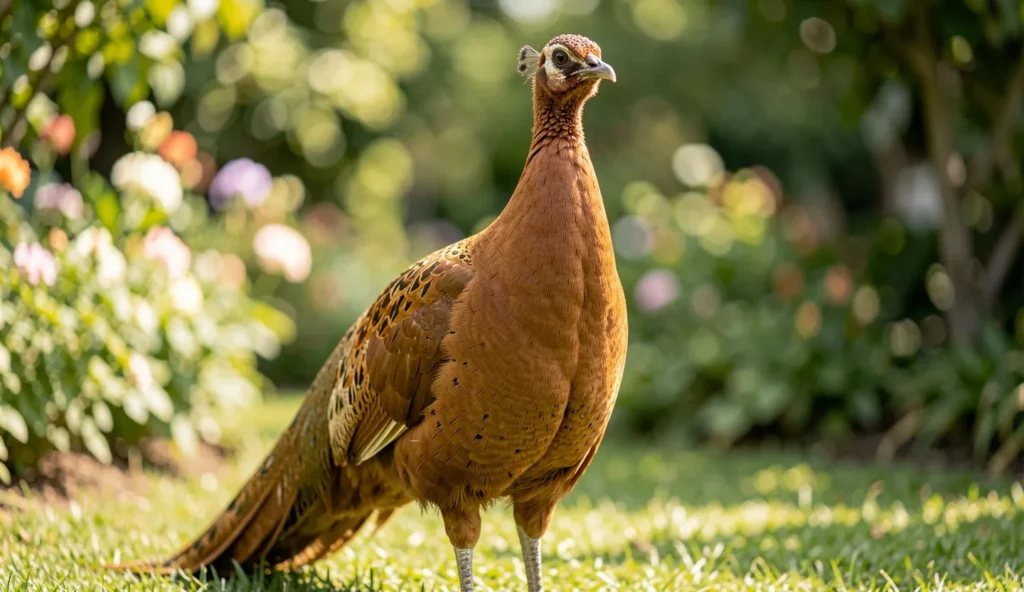
What Is an Opaline Peafowl
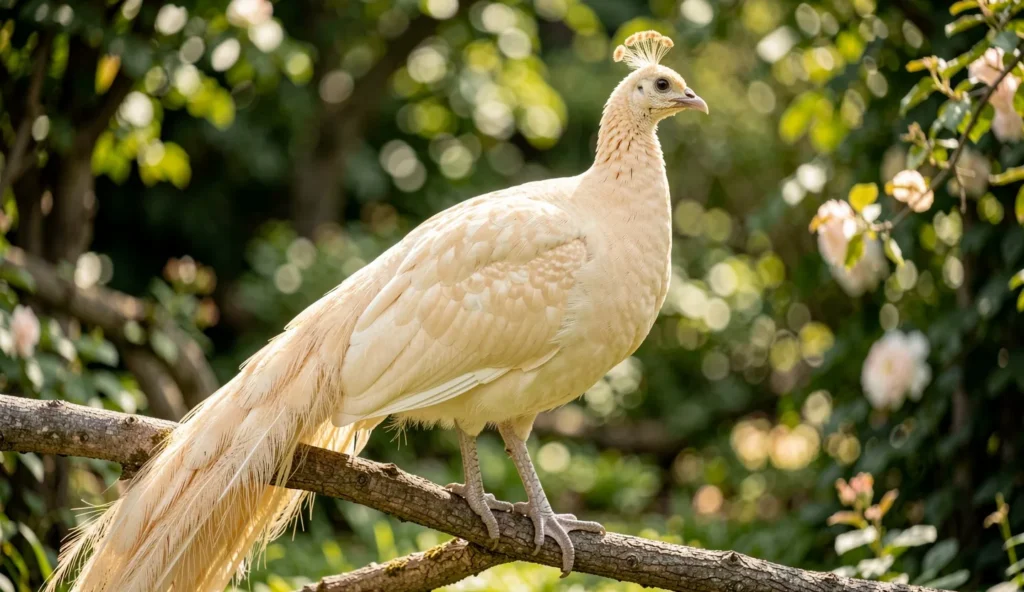
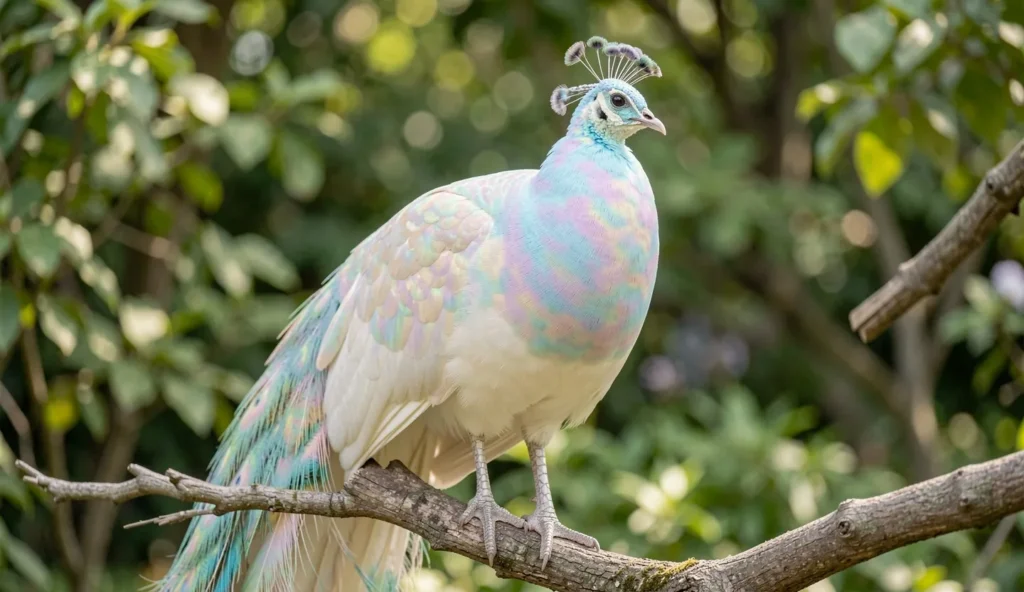
The Opaline Peafowl is a distinct color variant derived from Indian Peafowl lines, prized for its soft pastel glow. This mutation creates an iridescent, opalescent shimmer that collectors seek for depth in color projects.
Origin and Classification
Derived from Indian Peafowl lines, the Opaline is a distinct mutation affecting feather pattern and hue. It is often categorized within specialty color mutation groups used by breeders.
How Opaline Differs From Typical Peafowl
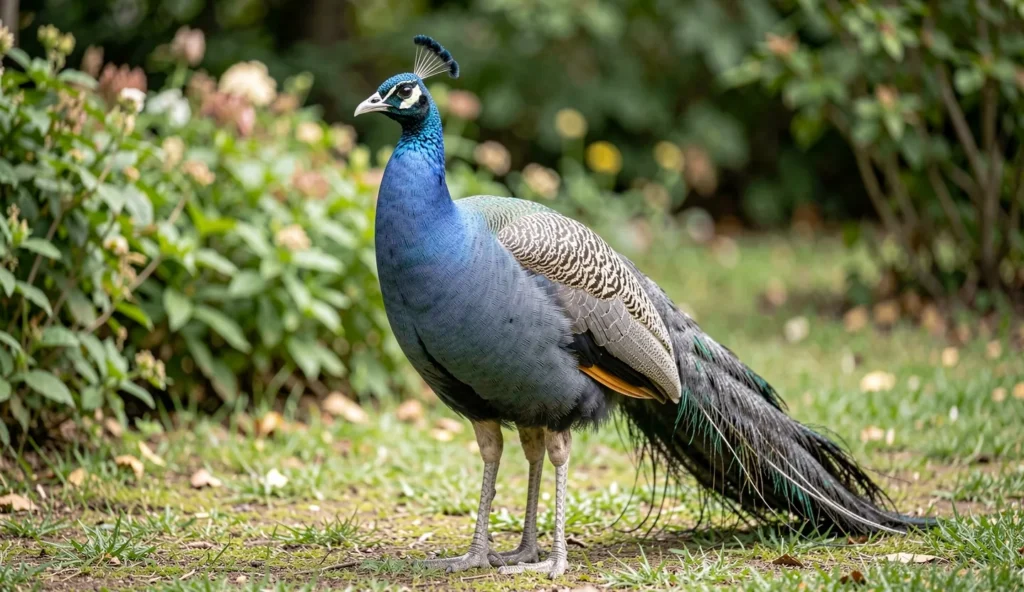
Opaline softens contrasts with pastel undertones and an opalescent sheen. The shimmering effect varies with light and feather structure, influencing how color is perceived.
Role in Collections
The Opaline Peafowl adds varietal depth to color projects and is highly valued by breeders and collectors for its unique hue. For context, some collections pair opaline with other pastel or mutation lines to broaden display, such as Purple Peafowl to extend the palette.
Opaline Mutation and Pastel Iridescence
The opaline mutation interacts with background genetics to alter pigment patterns, producing softer overall color. It is not a standalone trait; it works with other color genes to shape the final appearance.
Understanding the Opaline Mutation
The opaline mutation alters feather pigmentation patterns and, when combined with other genes, modifies hue. Not a standalone trait, it works with background genetics to shape expression across the spectrum.
Pastel Iridescent Effects
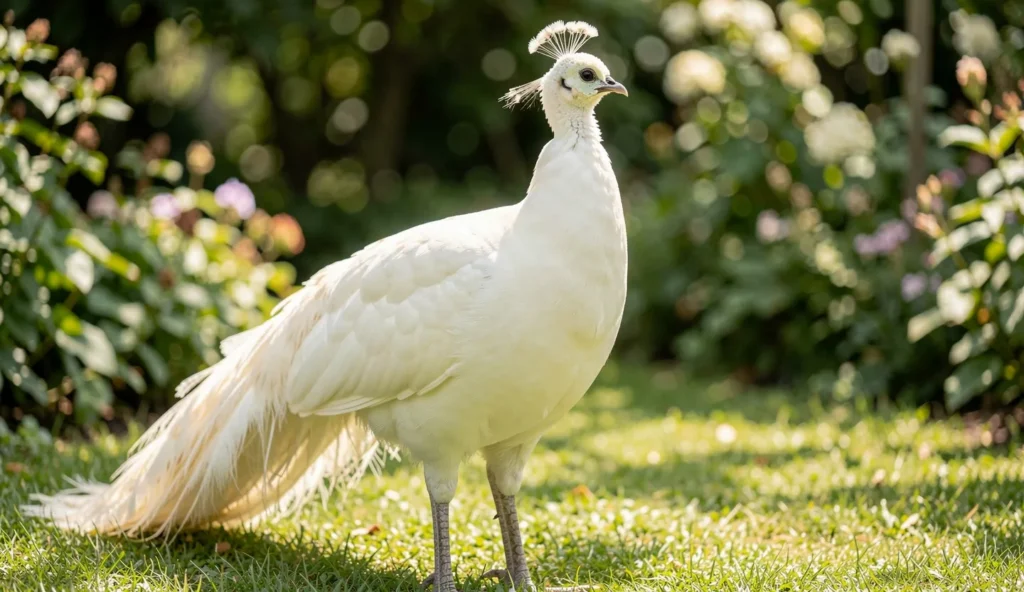
Pastel iridescence presents as pale hues across the plumage, with iridescence shifting as light angle changes. In comparisons with White Peafowl, the opaline’s pastel glow remains distinctly soft and captivating.
Genetics and Breeding Considerations
Careful pairings preserve opaline traits while maintaining genetic diversity, and some breeders map lineage to manage traits across lines such as Spalding Peafowl.
Physical Features and Color Dynamics
The Opaline Peafowl presents a soft pastel base with opalescent overtones. Compared with Green Peafowl, the opaline glow is more pastel and gentle.
Color Palette and Iridescence
The opaline palate features a soft pastel base with opalescent overtones. Shafts and feather structure reflect light to create a delicate glow that shifts with viewing angle.
Tail and Train Characteristics
The male displays a long train with ornate eye patterns. Opaline affects subtlety rather than silhouette size, and feather condition greatly influences the display.
Size and Conformation
Opaline Peafowls reach standard peafowl size with healthy wing and leg structure essential for show displays.
Care Essentials for Housing Diet and Health
Housing Space and Setup
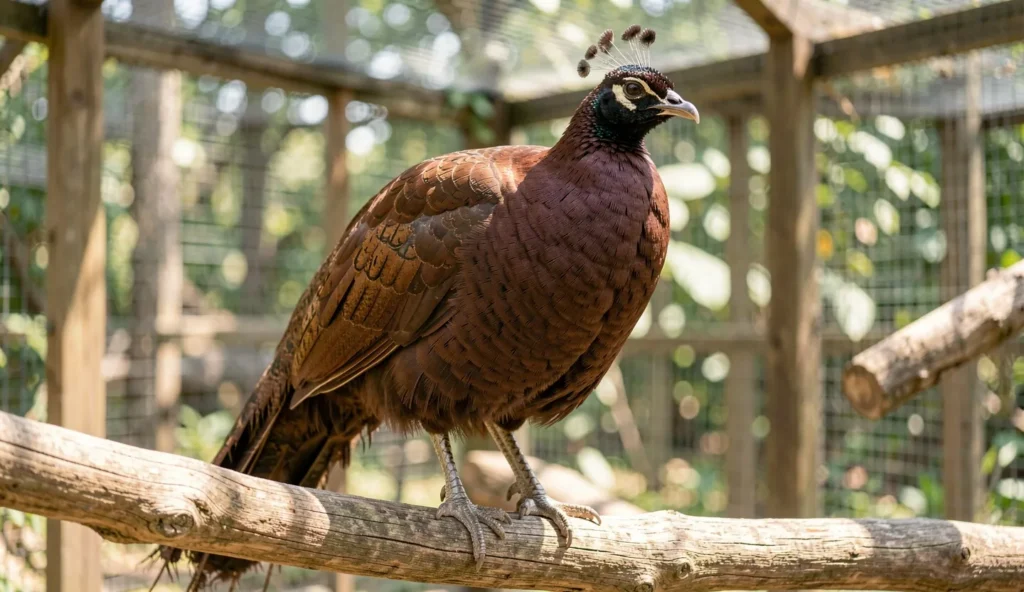
Provide large, secure outdoor aviaries that allow display and flight. Perch variety supports foot health and roosting comfort.
- Shade and predator protection are essential
- Multiple perches at different heights
- Solid fencing to prevent escapes
- Accessible shelters for night roosting
Diet and Nutrition Details
Base diet includes balanced poultry and grain mix, with fresh greens. Occasional insects add protein and enrichment.
- Fresh water must be available at all times
- Avoid rapid diet changes to prevent crop issues
- Supplement calcium for breeding birds as advised
- Limit high-fat treats to maintain body condition
Exercise and Enrichment
Sizable run space encourages natural flapping and display behavior. Forage opportunities reduce stress and promote activity.
- Rotate enrichment items regularly
- Provide hanging toys and foraging opportunities
- Schedule supervised training sessions to reduce fear
Health Monitoring and Common Issues
Regular plumage checks help detect mites or skin issues early. Monitor for crop or digestive disturbances and seek vet guidance for vaccinations and parasite control.
- Check for feather loss or mites weekly
- Watch for crop impaction after meals
- Vaccination and parasite control per local vet advice
- Record any behavioral changes promptly
Is an Opaline Peafowl Right for Your Collection
Breeding Goals and Compatibility
Align mutation with existing color lines to maintain harmony. Maintain genetic diversity across generations and document lineage to track opaline traits, including occasional crosses with Spalding Peafowl.
Collection Integration
Pair opaline with complementary color mutations like Purple Peafowl to create balanced displays. Consider display needs and space requirements within the collection.
Starter Checklist for New Owners
Begin with a starter checklist to reduce risks when adding Opaline Peafowl to a collection.
- Quarantine incoming birds before joining existing stock
- Secure shelter and fencing against predators
- Consult a breeder map for line-breeding cautions
- Schedule a veterinary health assessment
Final Note
Opaline Peafowl blend pastels with shimmering plumage for striking displays in any collection.
Frequently Asked Questions
What makes Opaline Peafowl distinct from other color mutations in peafowl?
The opaline mutation softens color contrasts and adds an opalescent pastel shimmer that differentiates it from other mutations.
How does pastel iridescence develop in Opaline Peafowl?
Pastel iridescence arises from genetic interactions that refract light across feather barbules, producing pale, shimmering hues.
What size and growth characteristics do Opaline Peafowl have?
They reach standard peafowl size with long trains and males display elongated tail feathers.
What breeding considerations should be planned for Opaline Peafowl?
Breeders should pair birds carefully to preserve opaline traits while maintaining genetic diversity.
Are Opaline Peafowl beginner friendly for new keepers?
They can be suitable for experienced keepers who provide ample space, enrichment, and consistent health monitoring.
What are common health issues to watch in Opaline Peafowl?
Common concerns include feather mites, crop impaction, and metabolic disorders if diet is not balanced.