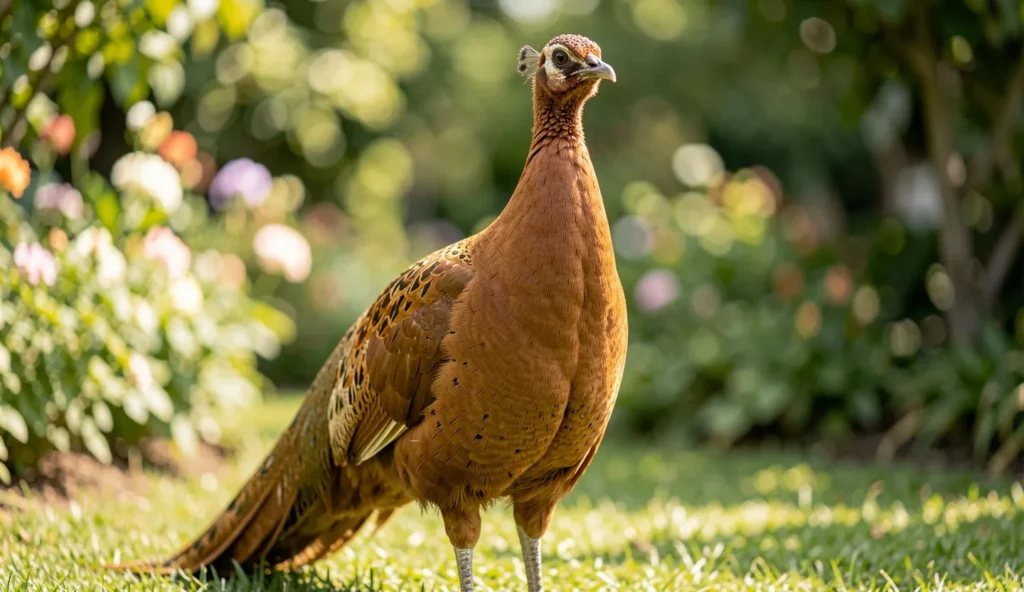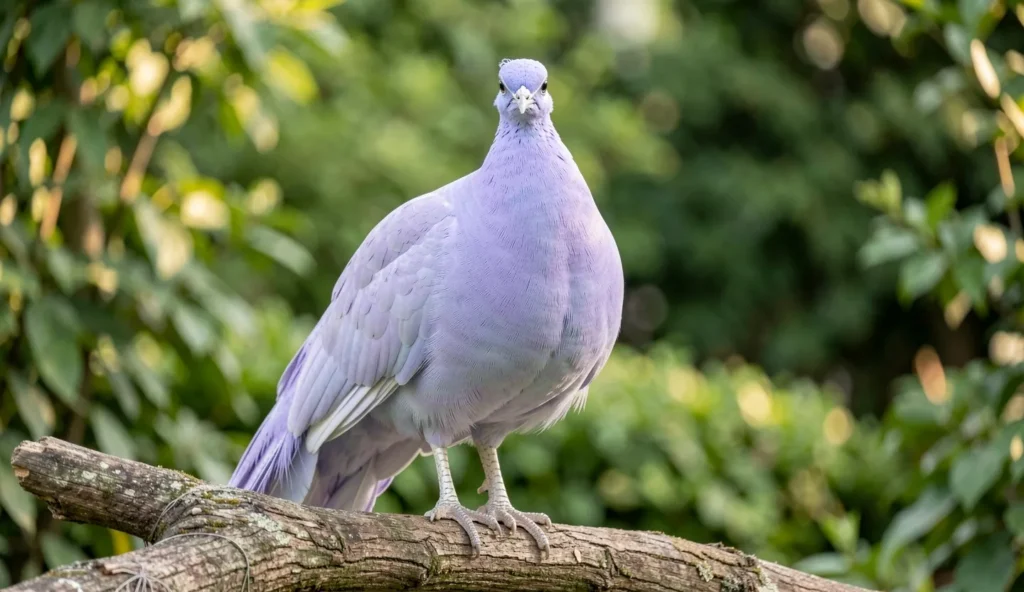
What Is a Lavender Peafowl
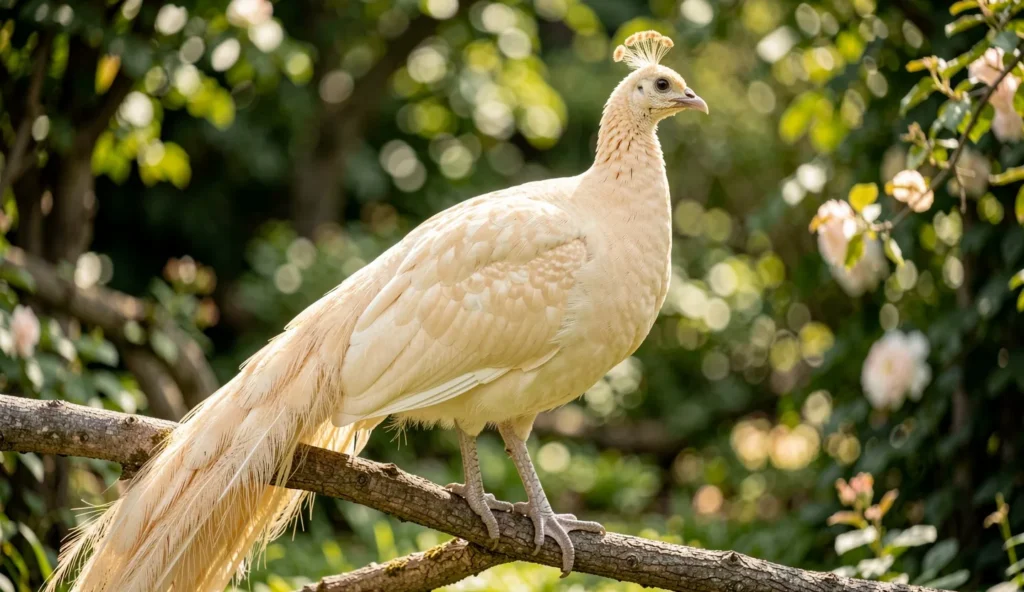
Lavender Peafowl is a color mutation of the blue peafowl. The lavender dilution lightens blue plumage to a soft lavender hue, giving a pastel appearance that attracts collectors and hobbyists.
Origins and Definition
The mutation originated in captive breeding programs that aim to diversify color variants. It is commonly described as a pale purple peafowl that preserves the iridescent blue undertones known in standard peafowl. The mutation is often discussed alongside rare color variants such as the Purple Peafowl, and researchers also note parallels with Black-Shouldered Peafowl in pattern development.
Appearance and Physical Features
Feather Coloration and Pattern
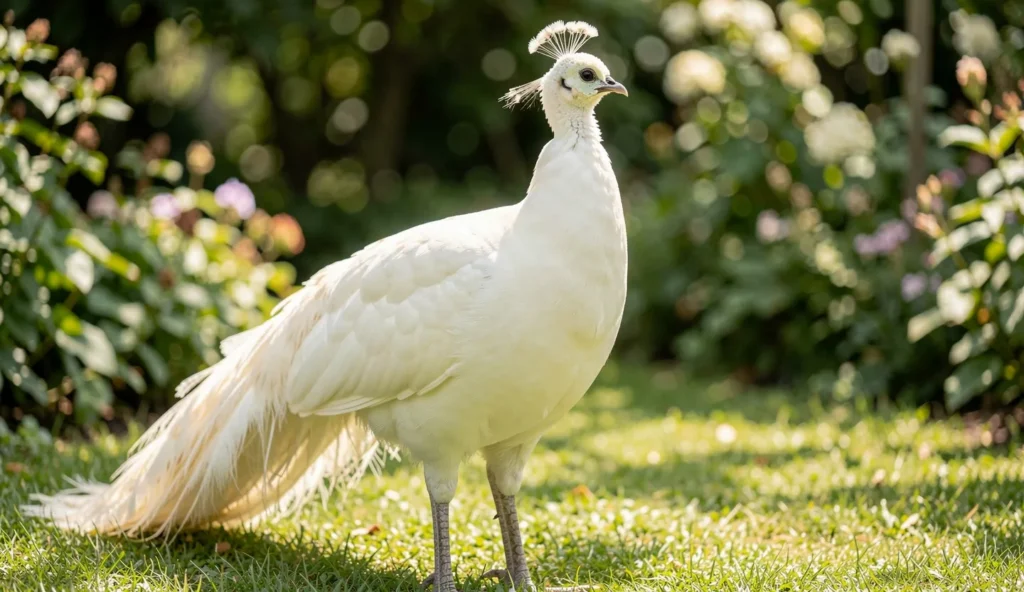
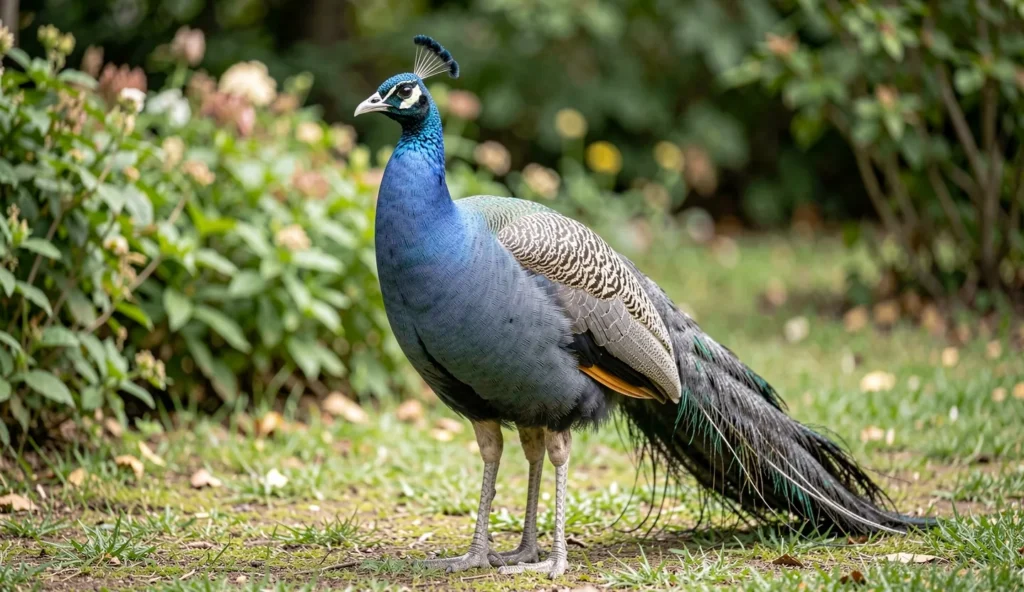
Feather coloration shows soft lavender tones with blue iridescence when sunlight catches the plumage. The lavender mutation differentially affects contour feathers and the tail train, producing a distinct silhouette compared to standard blue peafowl; see White Peafowl for reference.
Size and Build
Adult males are typically larger with longer trains, while females are smaller with more subdued plumage. Overall body conformation remains similar to other peafowls, allowing easy integration into avian collections.
Temperament and Personality
Behavior and Social Needs
Lavender Peafowl are generally social birds that prefer outdoor aviaries with safe space to roam. They can be territorial during breeding season and benefit from regular interaction and enrichment.
Noise and Activity Level
Peafowls are vocal and active during the day, enjoying foraging and exploration. Expect periodic calls that add life to a well-managed aviary.
Care and Housing Essentials
Housing and Enclosure Design
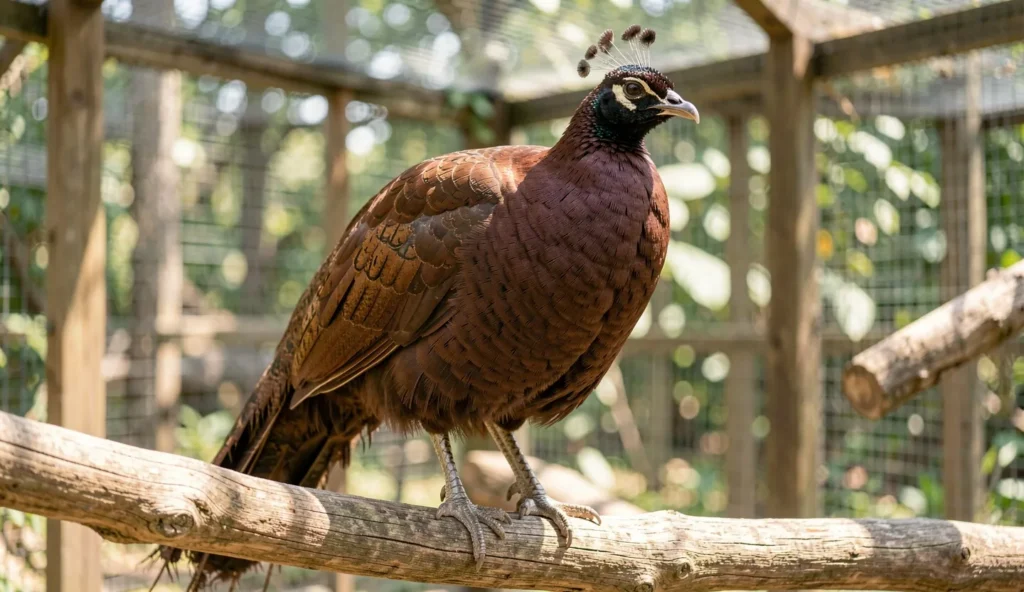
Outdoor aviaries with secure fencing and multiple perches support natural behavior. Provide shade and protection from predators to maintain comfortable Lavender Peafowl, a principle also observed in Green Peafowl.
Environmental Enrichment
Give space to roam, occasional social companions for non-breeding birds, and safe foraging opportunities to reduce boredom. Enrichment should be varied and rotated to maintain interest.
Security and Predator Prevention
Use secure netting or fencing, well-maintained ground cover, and regular enclosure checks to prevent predator access. A clean, sealed feed storage area helps reduce pests.
Diet and Nutrition
Food Options and Diet Balance
Base the diet on high quality game bird or poultry feed, supplemented with greens, grains, and clean water. Ensure a balanced diet to support plumage health and overall vitality.
Foods to Avoid
Avoid avocado, chocolate, caffeine, and excessively salty snacks. Introduce dietary changes gradually to prevent digestive upset.
Health Issues Common in Lavender Peafowls
Parasites and Preventive Care
Regular parasite checks and deworming as advised by a veterinarian help prevent infestations. Maintain clean housing with fresh bedding and sealed feed storage.
Respiratory and Nutritional Concerns
Respiratory infections can arise from damp or poorly ventilated conditions; a balanced diet supports immune health. Monitor breathing and seek veterinary advice for persistent symptoms.
Is Lavender Peafowl Right for You
Who Should Consider One
Collectors with outdoor space and aviary experience will appreciate a Lavender Peafowl. Owners should be prepared for ongoing maintenance and regular husbandry tasks.
Maintenance Commitment
These birds require a long-term commitment of time and resources; consistency in care practices improves health and plumage quality. Plan for annual veterinary checkups and aviary upgrades as needed.
Final Note
A Lavender Peafowl fits a dedicated hobbyist’s collection and adds a delicate pastel dimension to an aviary. With thoughtful housing and regular care, they can flourish in a well managed collection.
Frequently Asked Questions
What makes Lavender Peafowl different from the standard blue peafowl?
They are a color mutation of the blue peafowl with pale lavender plumage caused by a light lavender dilution.
What size enclosure is best for Lavender Peafowls?
A spacious outdoor aviary with secure fencing, ample perch space, and shade is recommended.
What should be included in a Lavender Peafowl diet?
A base of high quality game bird feed with greens, grains, and fresh water; avoid toxins and excess salt.
Are Lavender Peafowls suitable for beginners?
They require outdoor space and ongoing maintenance, so they are best for hobbyists with aviary experience.