Polish Rabbit – A Tiny Bunny with a Big Personality
Introduction
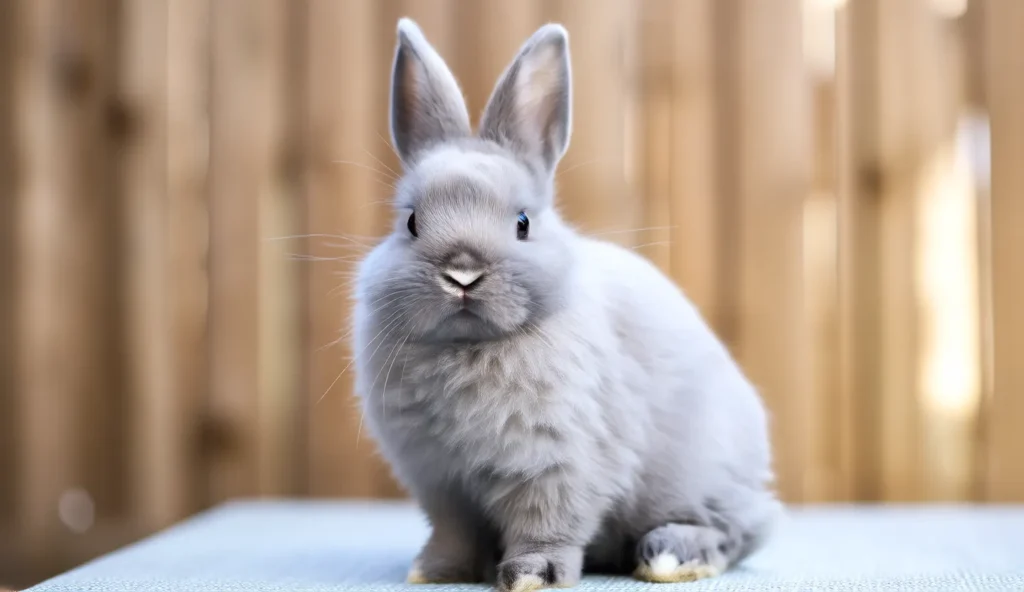
Weighing in at just 2.5 to 3.5 pounds, the Polish Rabbit is one of the smallest domestic rabbit breeds recognized by the American Rabbit Breeders Association (ARBA), yet it packs an outsized personality into its compact frame. With its rounded body, bold eyes, and sweet-natured temperament, this breed has become a favorite among families, show exhibitors, and small-pet enthusiasts alike. Whether you are a first-time rabbit parent or a seasoned bunny enthusiast, the Polish Rabbit offers companionship that is both delightful and surprisingly low-maintenance for its size.
History and Origin
Despite its name, the Polish Rabbit does not originate from Poland. The breed likely developed in England during the 1800s and was refined over time to become the elegant little bunny we know today. It gained popularity in the United States in the early 1900s and became a recognized show breed.
Originally used as a meat rabbit due to its compact yet muscular body, the Polish soon found favor as a show and companion rabbit, especially due to its adorable appearance and friendly temperament. For those interested in other small breeds with similar histories, the Netherland Dwarf Rabbit shares a comparable development story and is another top choice among show enthusiasts.
Breed Characteristics
The Polish Rabbit has several distinctive features that make it stand out among other small rabbit breeds:
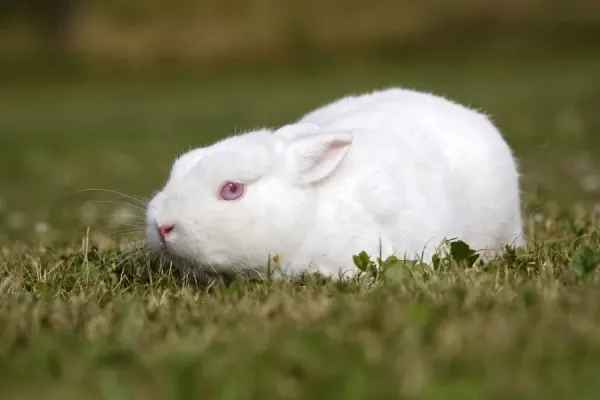
- Size: Small, typically 2.5 to 3.5 pounds (1.1 to 1.6 kg)
- Body Type: Compact and rounded with a short neck
- Head: Short and full with bold, expressive eyes
- Ears: Short, upright, and close together
- Coat: Short, soft, and glossy
Polish Rabbits come in a variety of colors, including white (with ruby or blue eyes), black, chocolate, blue, and broken patterns.
Personality and Temperament
Don’t let their small size fool you—Polish Rabbits have big personalities. They are generally friendly, calm, and enjoy interacting with people. They often enjoy sitting in laps and being gently handled, making them great companions for calm households.
These rabbits can be a bit shy at first, but once they feel secure, they can be very affectionate and even playful. If you appreciate a rabbit with a gentle disposition, the Mini Rex Rabbit is another breed known for its calm and cuddly nature.
Ideal Environment
Polish Rabbits are well-suited to indoor living and can thrive in small homes or apartments. Their compact size makes them easy to accommodate. Whether you house them in a spacious cage or let them roam in a rabbit-proofed area, they need:
- A safe, clean, and dry living space
- Supervised playtime outside the enclosure
- Enrichment toys and tunnels for mental stimulation
- Daily interaction and gentle socialization
Always ensure their living area is free from hazards like wires, toxic plants, and small spaces they could get stuck in.
Diet and Nutrition
Like all rabbits, the Polish needs a balanced and high-fiber diet to stay healthy:
- Hay: Unlimited fresh Timothy or orchard hay
- Fresh greens: Romaine lettuce, cilantro, parsley, and more
- Fruits: Small portions of apples, berries, or bananas as treats
- Pellets: High-quality rabbit pellets (limited quantity)
- Water: Always provide clean, fresh water
Avoid sugary or starchy treats and iceberg lettuce, which can upset their digestion.
Health and Common Concerns
Polish Rabbits are generally hardy but can be prone to the following if not cared for properly:
- Dental issues due to continuously growing teeth
- GI stasis, a life-threatening digestive slowdown
- Overgrown nails if not trimmed regularly
Regular vet checkups, a good diet, and proper grooming can help avoid these problems. Spaying or neutering is also recommended for long-term health and to reduce territorial behaviors. A practical tip from experienced breeders: always keep a supply of infant simethicone drops on hand for suspected gas discomfort, as this can help prevent the early stages of GI stasis while you contact your veterinarian.
Grooming and Care
Polish Rabbits have short, sleek coats that require minimal grooming:
- Weekly brushing to remove loose fur
- Occasional spot cleaning (never bathe a rabbit)
- Nail trimming every few weeks
- Clean their living space regularly to avoid odor and illness
They are clean animals and often groom themselves, but human assistance ensures optimal hygiene.
Are Polish Rabbits Good with Children?
Polish Rabbits can be wonderful companions for gentle children and respectful adults. However, due to their small size, they may feel nervous around loud environments or rough handling.
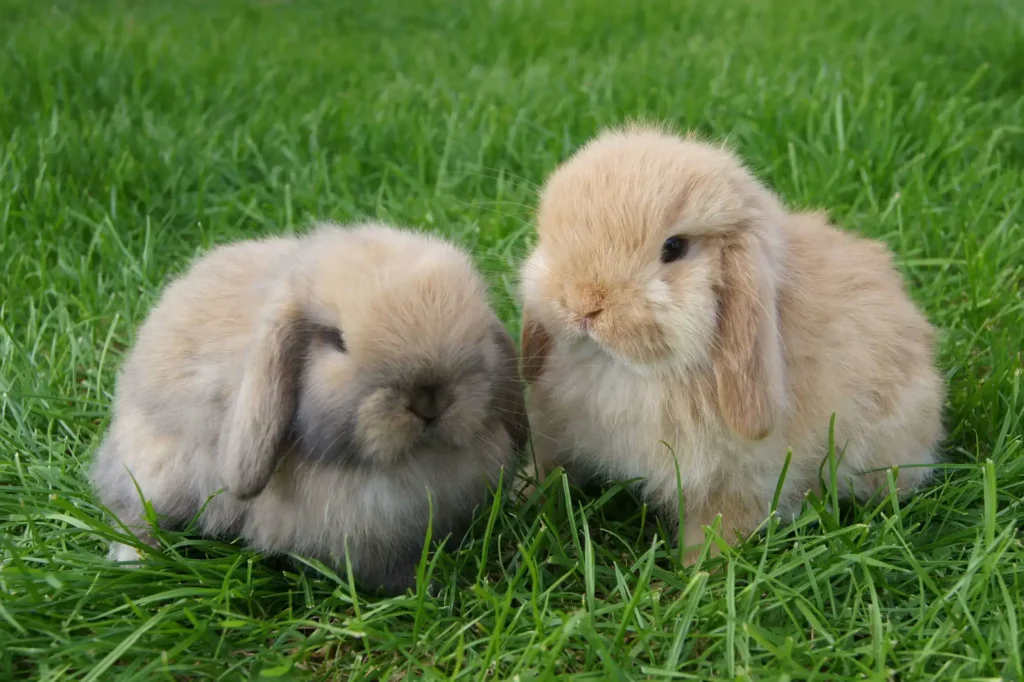
Teach children how to properly hold and interact with rabbits to build trust and avoid accidents. Always supervise interactions between kids and rabbits to ensure everyone stays safe and happy. For families seeking a slightly more robust small breed that is also excellent with children, the Holland Lop Rabbit is a popular alternative with a similarly friendly temperament.
Showing and Breeding
Polish Rabbits are a popular choice in rabbit shows due to their sleek appearance and compact build. They are recognized by the American Rabbit Breeders Association (ARBA) and have strict standards for show eligibility.
If you are considering breeding, always work with experienced, ethical breeders to promote healthy bloodlines and proper care practices.
Fun Facts About Polish Rabbits
- Despite their name, they are believed to have originated in England.
- The white Polish Rabbit comes in two eye colors—ruby and blue.
- One of the smallest rabbit breeds recognized by ARBA.
- They are smart and can even learn tricks like jumping through hoops.
Frequently Asked Questions
Q1: Are Polish Rabbits good for beginners?
A: Yes. Their calm nature and small size make them suitable for responsible beginners, especially in smaller living spaces.
Q2: How long do Polish Rabbits live?
A: With proper care, they can live between 7 to 10 years or more.
Q3: Can Polish Rabbits live with other pets?
A: They can coexist peacefully with calm pets like other rabbits or gentle cats, but supervision is always necessary.
Q4: Do Polish Rabbits need vaccines?
A: In some regions, rabbits may be vaccinated against diseases like Myxomatosis and Rabbit Hemorrhagic Disease. Check with your local vet.
Q5: Are Polish Rabbits hypoallergenic?
A: No rabbit is truly hypoallergenic, but some people with mild allergies may tolerate Polish Rabbits better due to their short fur.
Conclusion
The Polish Rabbit proves that great things come in small packages. Their manageable size, affectionate nature, and low-maintenance care requirements make them a wonderful choice for a wide range of pet lovers. Whether you are hoping to show a champion bunny or simply enjoy cuddles on the couch, the Polish Rabbit brings charm, companionship, and endless joy to every home it enters. If you are drawn to this breed, you may also enjoy learning about the Lionhead Rabbit for its distinctive mane or the Mini Lop Rabbit for its signature lopped ears and equally affectionate personality.