
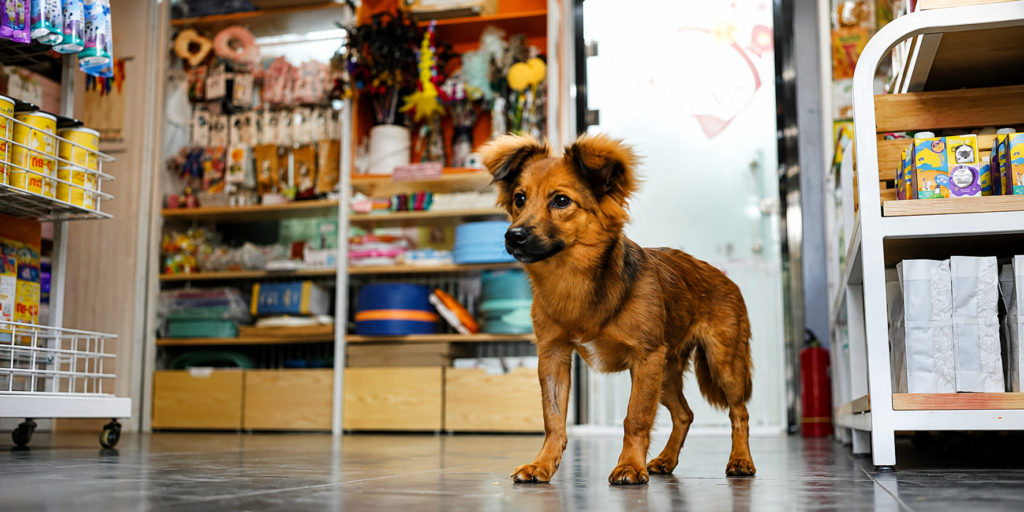
Running a pet store isn’t only about filling shelves with products and hoping people buy something. Most customers can order pet supplies online these days, so if they’re walking into a physical store, they’re usually looking for something more. Maybe it’s advice. Maybe they want to compare products. Maybe they just need someone to point them in the right direction because they’re bringing home their first pet. That experience matters.
A customer who leaves feeling confident is much more likely to come back than someone who was simply sold the most expensive item in the store.
Don’t Try to Stock Everything
A common mistake is trying to carry every product available. In reality, that usually creates clutter instead of making shopping easier. Instead, build a selection that actually makes sense.
Different pets obviously need different things. Someone buying supplies for a rabbit isn’t looking for the same products as a new dog owner, while reptile owners have completely different priorities again. Keeping a balanced range for each category usually works better than having hundreds of similar products.
Things customers expect to find include:
- Quality food
- Feeding accessories
- Toys and enrichment
- Grooming supplies
- Bedding
- Basic healthcare products
It sounds simple, but having the essentials consistently available goes a long way.
People Remember Helpful Advice
Not everyone walking into a pet store already knows what they’re doing. Some customers have spent weeks researching before buying a puppy. Others might have adopted a rescue cat the day before. Some are buying food for a hamster because their kids finally convinced them. Every one of those customers has questions. Staff don’t need to sound like veterinarians. But they should know enough to explain basic nutrition, feeding schedules, habitat setup, and how different products are used. Sometimes a two-minute conversation builds more trust than any sale ever could.
Food Is Usually the Biggest Conversation
Ask almost any pet store owner what customers ask about most, and food will probably be near the top of the list.
- Which brand is better?
- How much should a puppy eat?
- Is grain-free necessary?
- Should older dogs switch formulas?
There usually isn’t one perfect answer because every animal is different. The better approach is explaining why products are different instead of simply recommending the most expensive bag on the shelf.
Many retailers also spend time looking at information from dog food manufacturers UK before deciding which brands to stock, especially when comparing ingredients, production standards, and options for different life stages. Customers appreciate that kind of research because it shows the recommendation wasn’t based purely on profit.
Make Shopping Easy
Nobody enjoys wandering around trying to find one small item. The layout of a pet store doesn’t need to be fancy, but it should make sense.
Keep related products together.
- Dog food beside feeding bowls.
- Bird seed near bird cages.
- Rabbit hay close to bedding.
- Aquarium supplies in one area instead of scattered around the shop.
Little details like that save customers time, and people notice more than store owners sometimes think.
Build Trust Instead of Chasing Sales
Pet owners care about their animals. If something isn’t the right product, saying so usually earns more respect than making a quick sale. Maybe the expensive toy isn’t suitable for a tiny puppy? Maybe a particular food isn’t appropriate for a senior dog? Maybe a customer doesn’t actually need the larger cage they’re looking at. Being honest doesn’t hurt business in the long run. Quite the opposite. People remember pet stores that gave useful advice instead of trying to sell everything in sight. That trust is difficult to build, but surprisingly easy to lose.
Keep Paying Attention to What Customers Want
Pet care changes all the time. New products appear every year. Customers become more interested in ingredients, sustainable packaging, enrichment toys, and products designed for specific breeds or life stages. Not every trend is worth following, but ignoring everything new isn’t the answer either.
Listening to customers often tells a store owner more than sales reports do. If people keep asking for a particular product, there’s probably a reason. If one brand never leaves the shelf, it might be time to replace it with something customers actually want. Those small adjustments gradually make the whole store better.
It’s the Experience People Come Back For
Although it’s important, price isn’t everything. Individuals recall if someone welcomed them, provided honest answers to their enquiries, and assisted them in selecting an item that truly fit their pet. That is what attracts repeat business.
A clean store, reliable products, helpful conversations, and staff who genuinely understand pet care create something online shopping can’t easily replace. Over time, that reputation becomes one of the biggest advantages a pet store can have.