Sri Lankan Elephant – The Majestic Giant of the Island
Introduction to the Sri Lankan Elephant
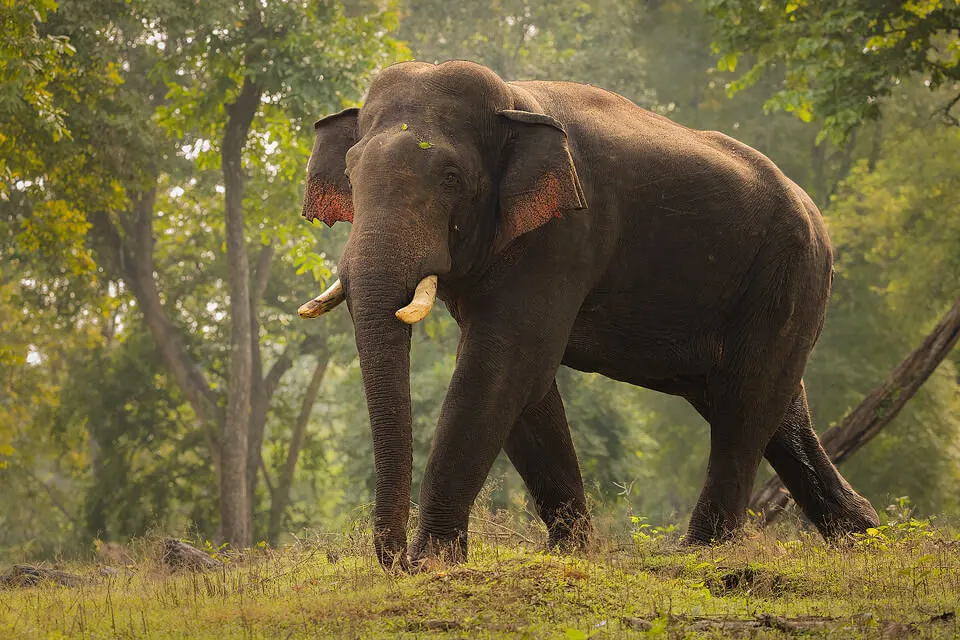
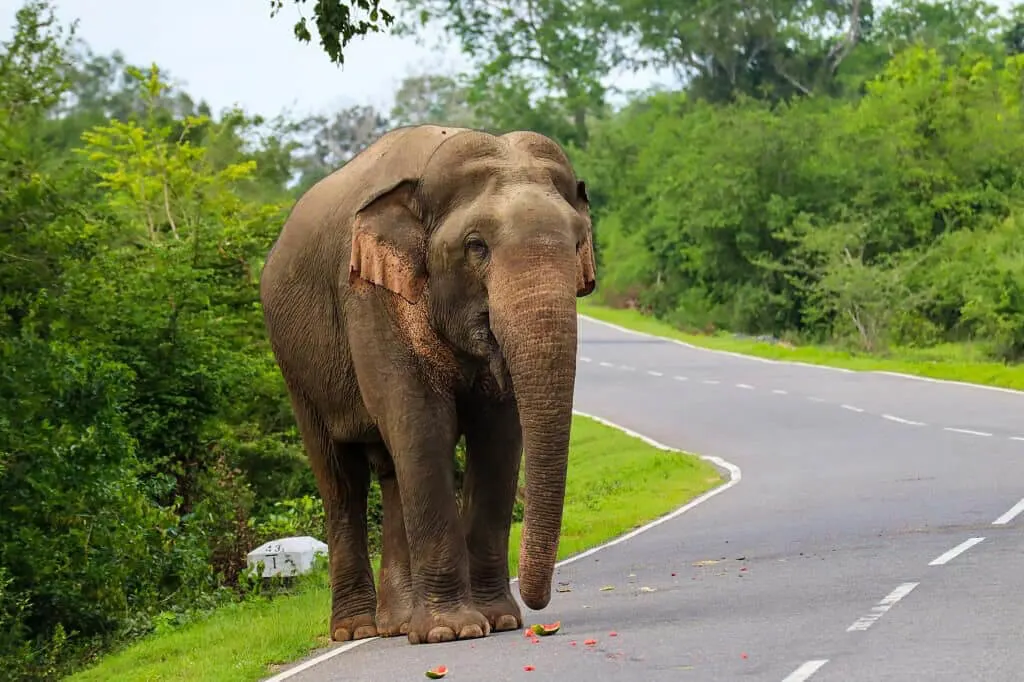
The Sri Lankan Elephant is a subspecies of the Asian elephant found exclusively on the island of Sri Lanka. Known for being the largest of all Asian elephant subspecies, this gentle giant can reach up to 3.5 meters in height and plays a crucial role in the island’s ecosystems and cultural heritage. It is treasured both as a symbol of nature’s grandeur and spiritual significance, with deep roots in Buddhist traditions that date back thousands of years.
Scientific Classification
- Scientific Name: Elephas maximus maximus
- Common Name: Sri Lankan Elephant
- Family: Elephantidae
- Conservation Status: Endangered (IUCN Red List)
- Native Range: Sri Lanka
Physical Appearance
The Sri Lankan Elephant is the largest subspecies of Asian elephants, featuring:
- Larger size compared to other Asian elephants, reaching up to 3.5 meters in height
- Weighing between 4,000 to 5,500 kilograms
- Males usually have large tusks, females generally are tuskless or with small tusks called “tushes”
- Dark gray skin with depigmented patches, especially on the ears, face, and trunk
- Rounded back and smaller ears compared to African elephants
Behavior and Temperament
Sri Lankan Elephants are social and intelligent animals:
- Live in matriarchal herds composed mostly of females and calves
- Known for their excellent memory and complex social bonds
- Males tend to live alone or in small bachelor groups except during mating season
- Use vocalizations, rumbling sounds, and body language to communicate
Natural Habitat
These elephants thrive in a variety of habitats across Sri Lanka:
- Tropical forests, grasslands, and dry zones
- Often found near water sources like rivers, lakes, and wetlands
- They migrate seasonally to find food and water
- Primarily distributed in national parks such as Minneriya, Udawalawe, and Yala
Diet and Feeding Habits
Sri Lankan Elephants are herbivores with a diverse diet:
- Feed on grasses, leaves, bark, fruits, and crops
- Can consume up to 150 kg of vegetation daily
- Play a vital role in seed dispersal and maintaining forest ecosystems
Breeding and Life Cycle
Sri Lankan Elephants have a slow reproduction rate:
- Females reach sexual maturity around 10-15 years
- Gestation period lasts approximately 18-22 months
- Calves are nurtured closely by their mothers and herd members
- Lifespan ranges from 60 to 70 years in the wild
Major Threats
Sri Lankan Elephants face several threats, including:
- Habitat destruction due to agriculture, urban development, and deforestation
- Human-elephant conflicts, especially crop raiding in rural areas
- Poaching for ivory and skin
- Infrastructure developments disrupting migration paths
Conservation Efforts
Ongoing efforts aim to protect and conserve Sri Lankan Elephants:
- Protected national parks and reserves with anti-poaching patrols
- Community engagement programs to reduce human-elephant conflicts
- Research and monitoring through GPS tracking
- Awareness campaigns highlighting the elephant’s ecological and cultural importance
Sri Lankan Elephant vs Indian Elephant
While both the Sri Lankan Elephant and the Indian Elephant are subspecies of the Asian elephant, they have distinct differences in size, appearance, and habitat. The table below highlights the key contrasts between these two majestic giants.
| Feature | Sri Lankan Elephant | Indian Elephant |
|---|---|---|
| Size | Larger (up to 3.5 m tall) | Smaller (2 – 3.5 m tall) |
| Weight | Up to 5,500 kg | Up to 5,000 kg |
| Tusks | Males usually have large tusks | Males have tusks; females often tuskless |
| Skin Color | Dark gray with depigmented patches | Gray to brownish with patches |
| Habitat | Island of Sri Lanka | South Asia forests and grasslands |
Fascinating Facts About Sri Lankan Elephants
- Integral to Sri Lankan culture and religion, featuring in Buddhist ceremonies
- Participate in the famous annual Esala Perahera festival in Kandy
- Exhibit high intelligence and complex social behavior
- Help maintain biodiversity by shaping vegetation and dispersing seeds
Cultural and Ecological Importance
Sri Lankan Elephants are vital for both nature and people:
- Symbolizes wisdom and strength in Sri Lankan folklore and religion
- Their feeding habits promote forest health and regeneration
- Support eco-tourism and provide jobs in wildlife conservation
Why Protect Sri Lankan Elephants?
Preserving these elephants ensures balanced ecosystems and cultural heritage. Unlike the Bornean Elephant, which faces similar threats in Southeast Asia, the Sri Lankan Elephant is uniquely tied to the island’s identity. Protecting them helps:
- Maintain biodiversity by influencing forest structure and plant communities
- Provide livelihoods through eco-tourism and traditional knowledge
- Foster coexistence between humans and wildlife
- Represent Sri Lanka’s natural heritage for future generations
Frequently Asked Questions
Q1: How many Sri Lankan Elephants are there in the wild?
A: Around 7,000 to 8,000 individuals are estimated to live in the wild, mostly in protected areas across Sri Lanka.
Q2: Do female Sri Lankan Elephants have tusks?
A: Most female Sri Lankan Elephants are tuskless or have very small tusks called “tushes.”
Q3: What is the main cause of human-elephant conflict in Sri Lanka?
A: Crop raiding by elephants near villages leads to conflicts with farmers.
Q4: How do Sri Lankan Elephants communicate?
A: They use vocalizations, rumbles, touch, and body language to communicate with herd members.
Q5: Can tourists see Sri Lankan Elephants in the wild?
A: Yes! National parks like Minneriya, Udawalawe, and Yala offer excellent opportunities for elephant watching safaris.
Conclusion – Guardians of Sri Lanka’s Wilderness
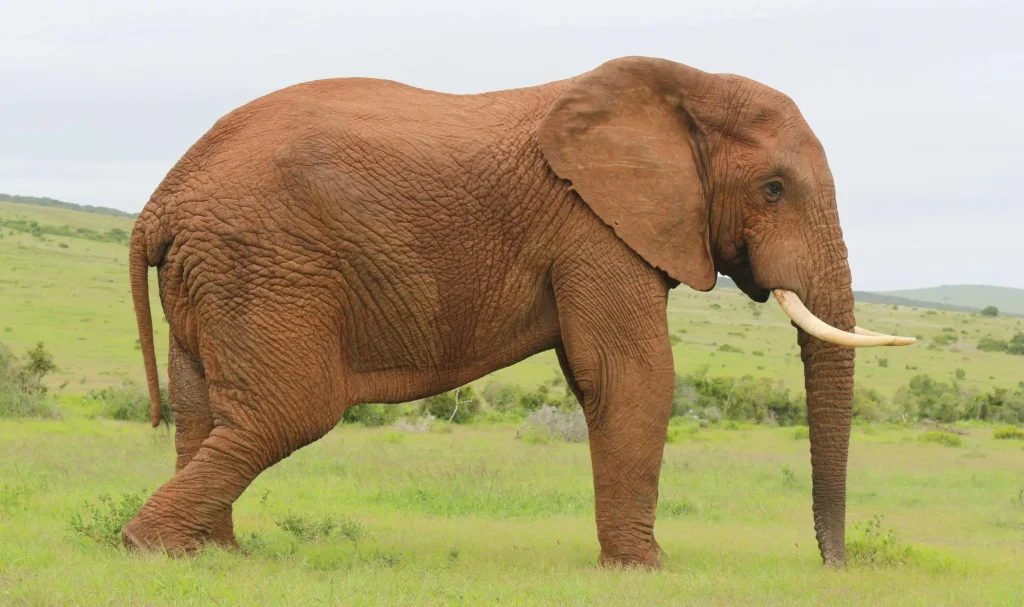
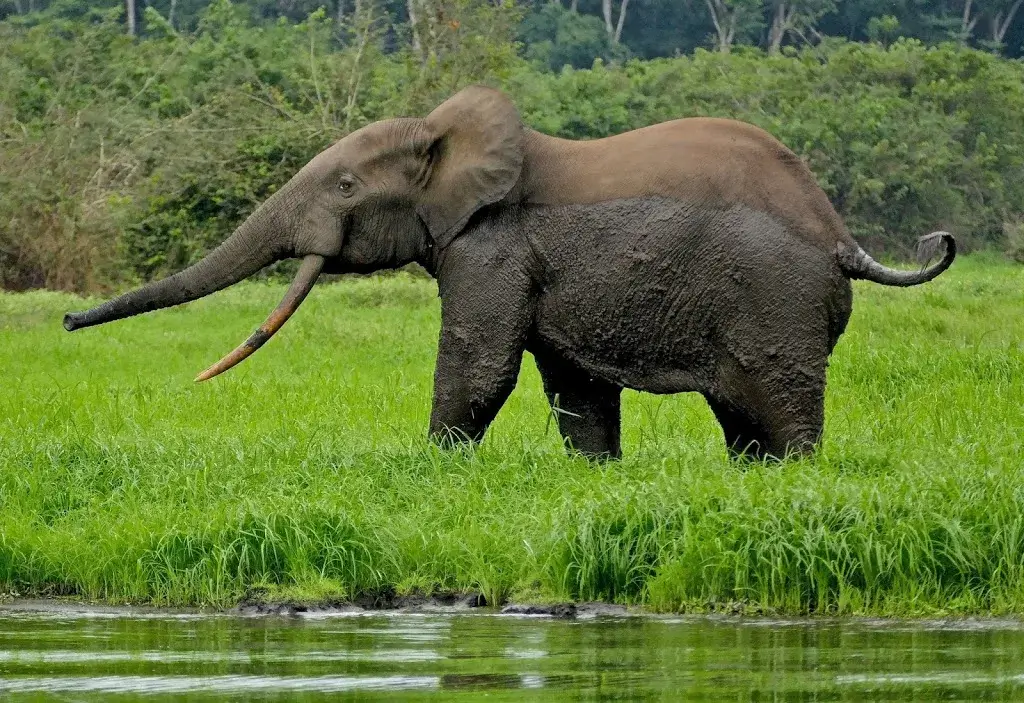
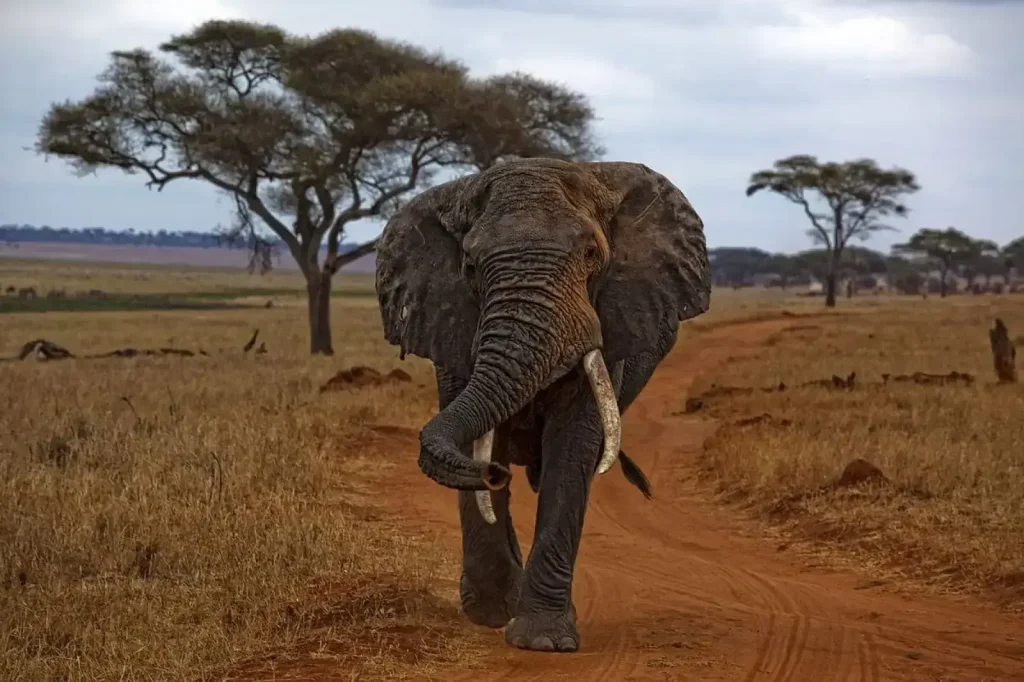
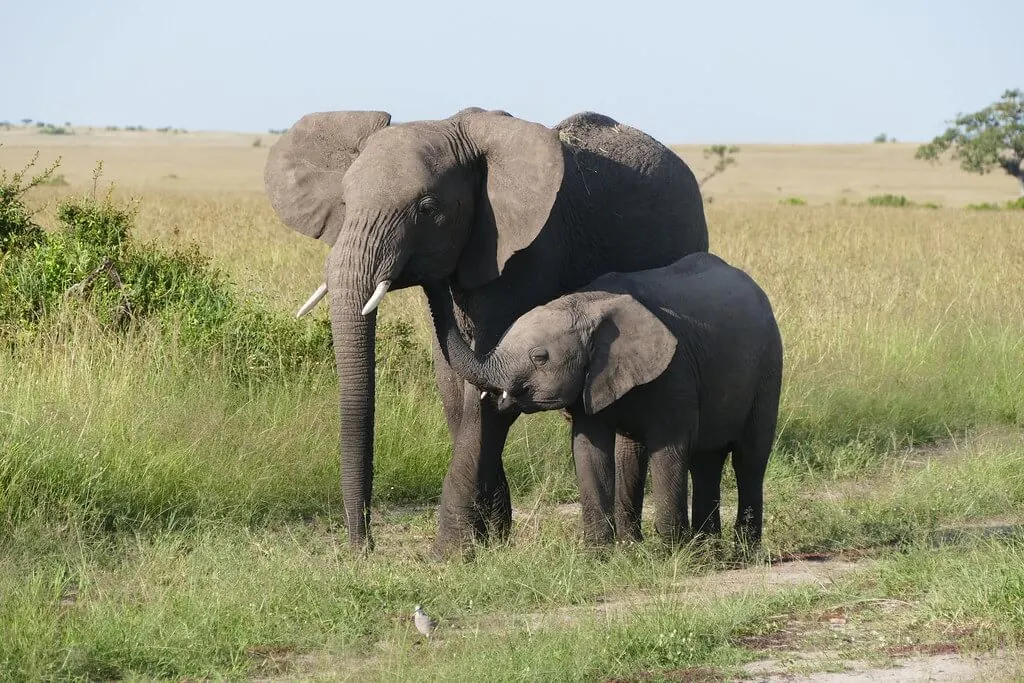
The Sri Lankan Elephant is an iconic symbol of the island’s rich natural heritage and cultural pride. Protecting these magnificent creatures helps ensure that Sri Lanka’s forests remain vibrant and that the deep bond between humans and elephants endures for generations to come. For those interested in learning about other elephant subspecies, the African Elephant and the Savanna Elephant offer fascinating comparisons in size, behavior, and habitat.