What Is a Copper Peafowl
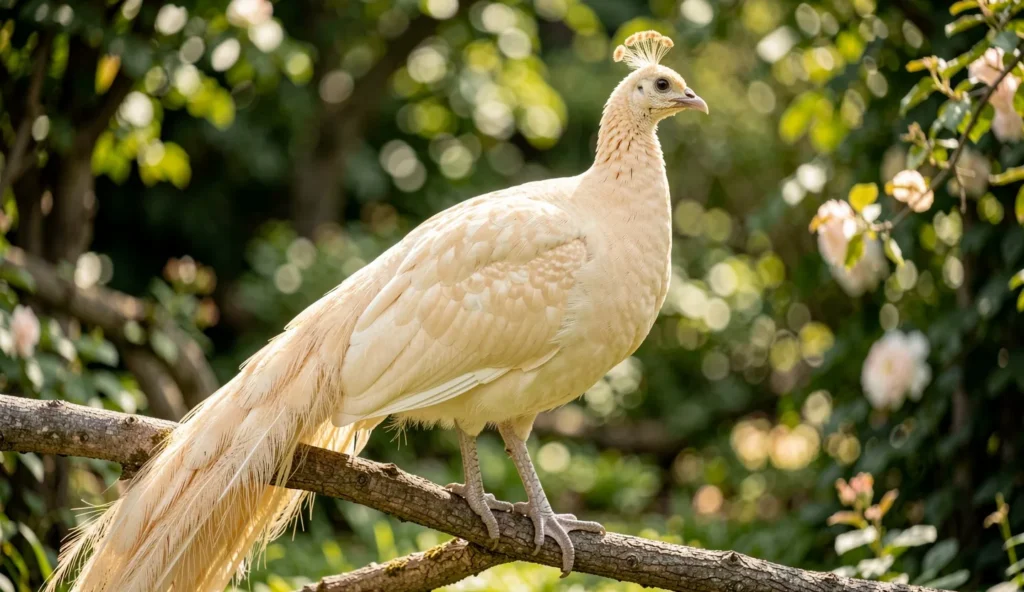
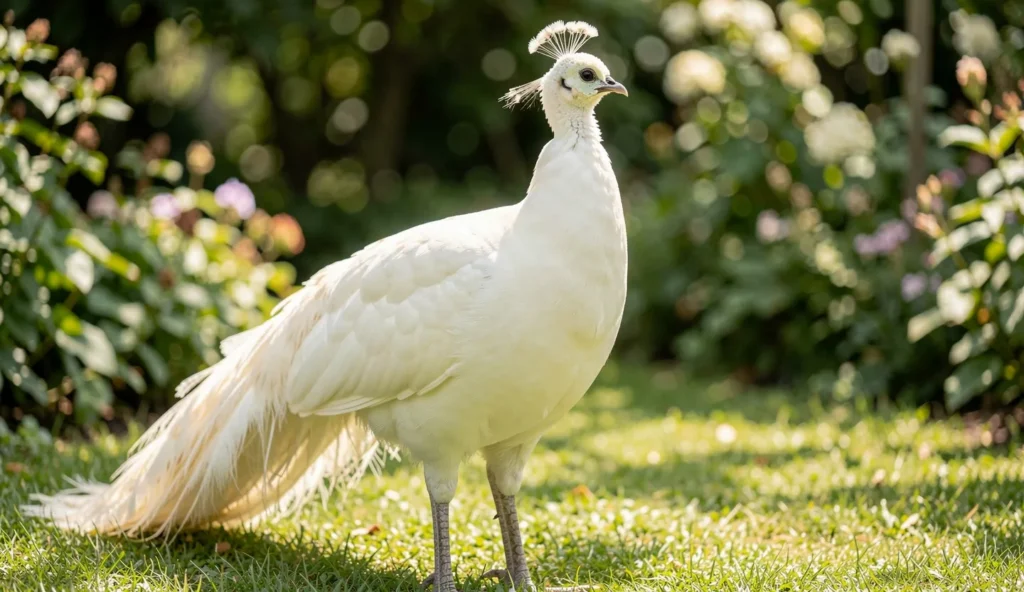
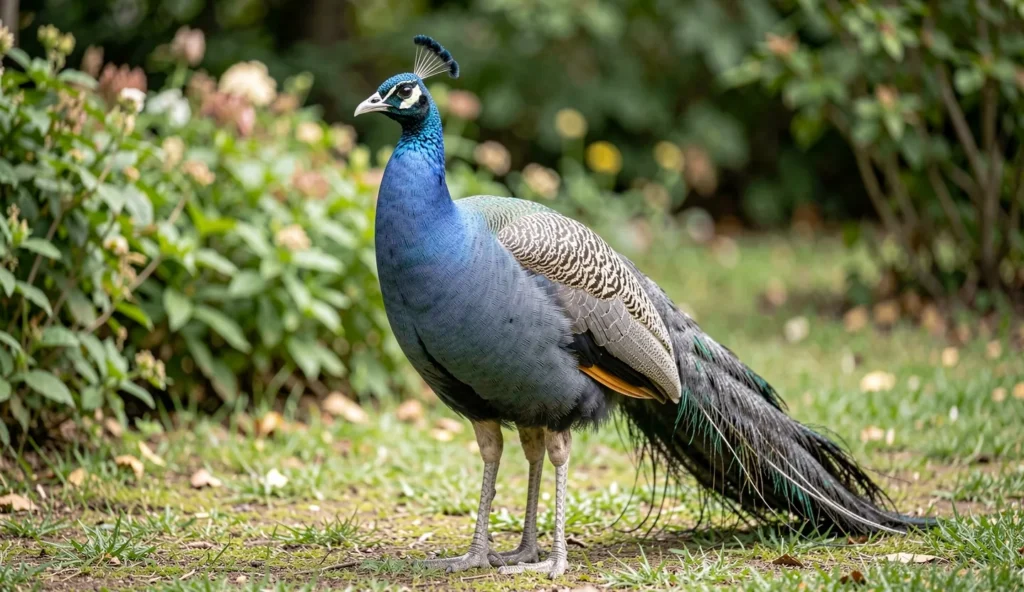
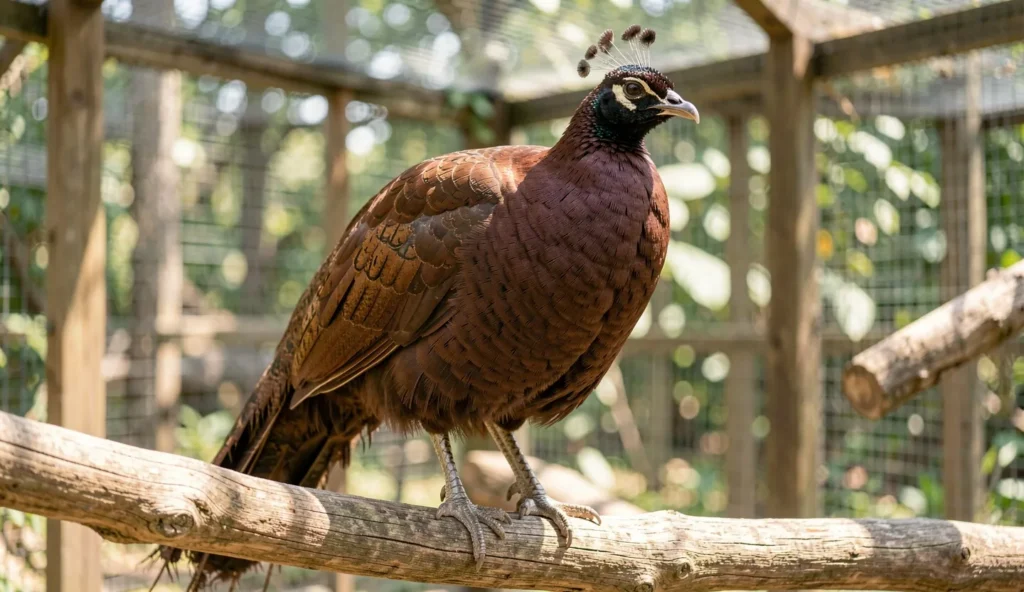
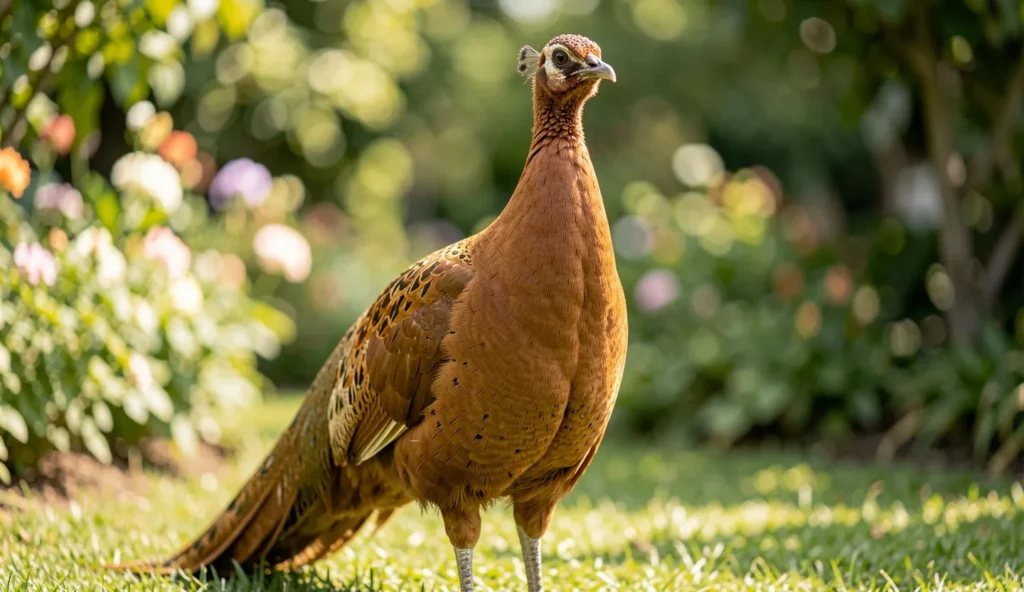
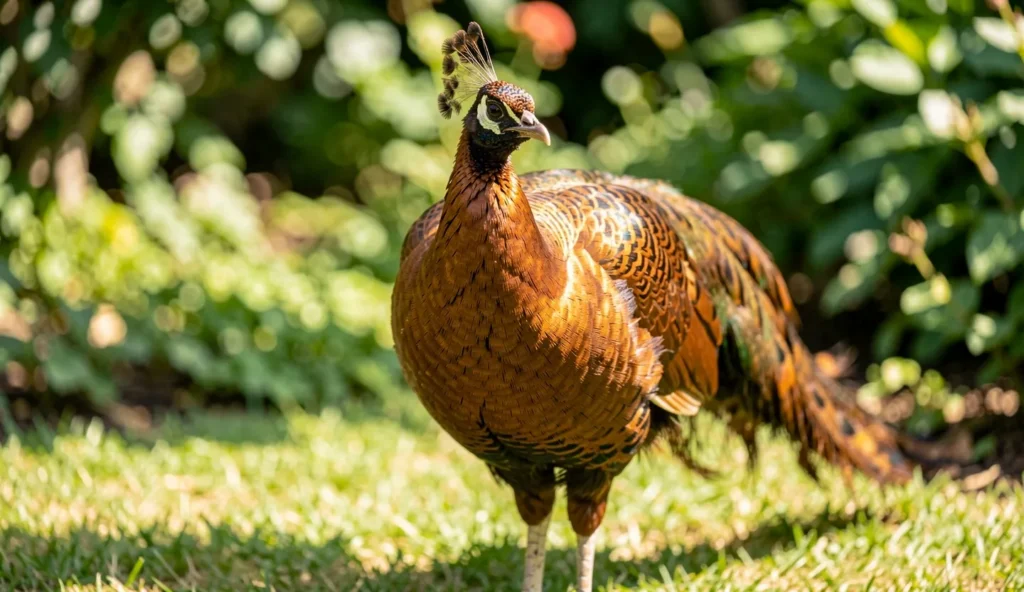
The Copper Peafowl is a peafowl variant known for a reddish copper mutation that changes the color of its plumage. This mutation creates a copper bronze iridescence that shifts with light, making the Copper Peafowl stand out among rare varieties like the Purple Peafowl.
Key Characteristics
- Copper Peafowls display a reddish copper mutation that alters plumage color.
- Color ranges from copper bronze to deep red iridescence.
- Both sexes show iridescence, with males more vibrant.
Appearance and Physical Features
The Copper Peafowl displays a reddish metallic shade that shifts with lighting and viewing angle.
Shade descriptions emphasize copper bronze tones with bronze undertones, creating a distinct pattern compared to standard peafowl and resembling the Green Peafowl.
Coloration and Iridescence
- The Copper Peafowl shows a copper bronze iridescence that shifts with light and angle.
- The reddish metallic shade is the result of a copper mutation affecting feather structure.
- Iridescence intensifies with sun exposure and viewing direction.
Size and Body Structure
- Medium to large birds with a long tail in males.
- Strong legs suited for ground movement and occasional perching.
- Wings support balance and agile movement through terrain.
Temperament and Personality
Copper Peafowls can be territorial during breeding season.
Flocks should include other peafowls to meet social needs.
Social Behavior
- Typically wary of strangers but can become accustomed with regular exposure.
- Best kept with compatible birds in spacious enclosures.
Interaction with Humans and Other Birds
- Regular handling and predictable routines reduce stress during introductions.
- Space and privacy help prevent pecking and aggression.
Exercise and Living Space Needs
Outdoor space should accommodate foraging, wingspan, and roosting options.
Secure fencing protects from escapes and predators while allowing natural movement.
Outdoor Space Requirements
- Adequate run or aviary space for foraging and wingspan.
- Secure fencing to prevent escapes and protect from predators.
- Shaded areas provide relief during hot weather.
Enrichment and Activity
- Provide natural perches, foraging opportunities, and rotating enrichment items.
- Supervise outdoor time to prevent injuries.
Grooming and Care Tips
Grooming basics focus on routine checks for parasites and feather integrity.
Enclosure hygiene centers on cleanliness, water quality, and dry sleeping areas.
Grooming Basics
- Feather care is minimal beyond routine checks for parasites.
- Regular feather and skin checks during health reviews.
Enclosure Hygiene
- Daily waste removal and bedding maintenance.
- Provide clean water and dry resting areas.
Is a Copper Peafowl Right for You
Requires outdoor space, shelter, and predator protection for proper welfare.
Needs regular veterinary care and social group management to stay healthy and engaged.
Suitable Environments and Owner Commitment
- Requires outdoor space, shelter, and predator protection.
- Needs regular veterinary care and social group management.
Final Practical Considerations
- Consider local regulations, space, time, and costs.
- Copper coloration adds rarity and specific care considerations.
Frequently Asked Questions About Copper Peafowl
What exactly is a copper peafowl?
It is a peafowl with a reddish copper mutation that alters the plumage color.
How does copper mutation affect peafowl coloration?
It produces copper bronze iridescence that shifts with light and angle.
Are copper peafowls good as pets or show birds?
They can be kept as ornamental birds in appropriate enclosures, with space and social needs met.
What is the basic care routine for copper peafowls?
Provide secure outdoor space, balanced diet, clean water, and regular health checks.
Do copper peafowls require special housing compared to standard peafowls?
They need larger, predator-proof enclosures with roosting options and shade.
How rare is the copper peafowl color mutation?
The copper mutation is rare and valued among collectors and breeders.
Final Note
Copper Peafowls present a striking reddish metallic shade that appeals to serious collectors and responsible keepers alike. With proper space, enrichment, and care, these birds can thrive in well-managed environments.